Charles Ponzi: Natural Born Swindler
08 Feb 2021 Leave a comment
in economic history, economics of crime, financial economics, law and economics
Legal Systems Very Different From Ours. David Friedman, Keith Knight, & Patrick MacFarlane
08 Feb 2021 Leave a comment
in comparative institutional analysis, constitutional political economy, David Friedman, development economics, economic history, economics of crime, history of economic thought, law and economics, property rights
HT: Tim Andrews
08 Feb 2021 Leave a comment
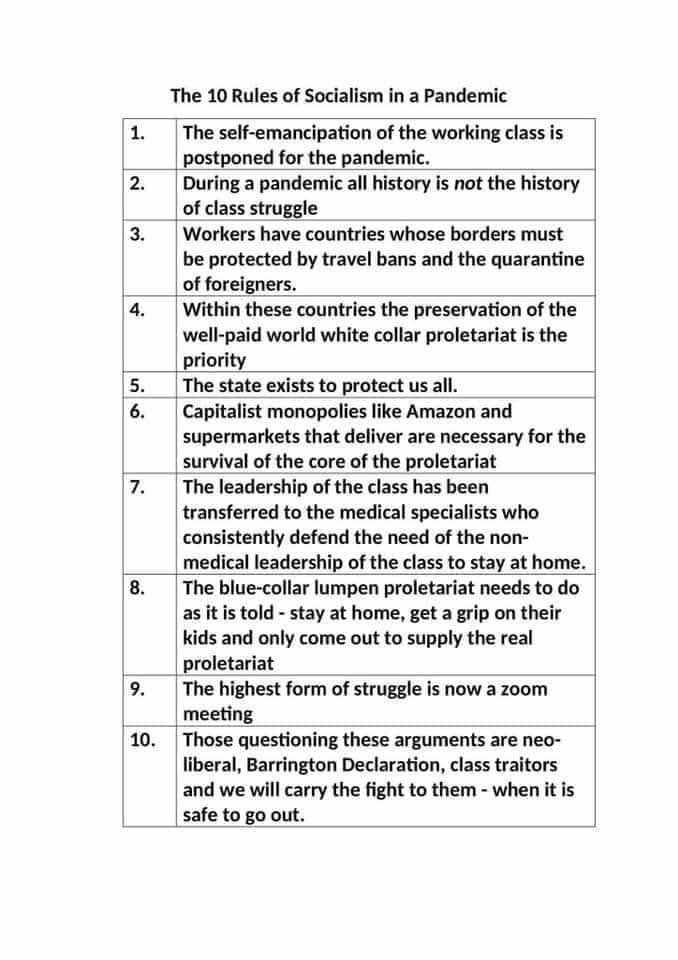
in applied price theory, applied welfare economics, Austrian economics, comparative institutional analysis, constitutional political economy, development economics, econometerics, economic growth, economic history, economics of bureaucracy, economics of education, economics of regulation, growth disasters, health economics, human capital, income redistribution, labour supply, law and economics, macroeconomics, Marxist economics, politics - Australia, politics - New Zealand, politics - USA, Public Choice, public economics, unemployment Tags: economics of pandemics, meddlesome preferences, offsetting behaviour, regressive left, The fatal conceit, unintended consequences
David Friedman on Physics, Coase, Anarcho-Capitalism, and Cancel Culture
07 Feb 2021 Leave a comment
in applied price theory, applied welfare economics, Austrian economics, comparative institutional analysis, constitutional political economy, David Friedman, development economics, economic history, economics of bureaucracy, economics of education, entrepreneurship, growth disasters, growth miracles, history of economic thought, human capital, industrial organisation, international economics, labour economics, labour supply, law and economics, liberalism, libertarianism, Marxist economics, occupational choice, privatisation, property rights, Public Choice, survivor principle Tags: China
Education | David Friedman
06 Feb 2021 Leave a comment
in comparative institutional analysis, David Friedman, economic history, economics of education
Ended with colonisation
06 Feb 2021 Leave a comment
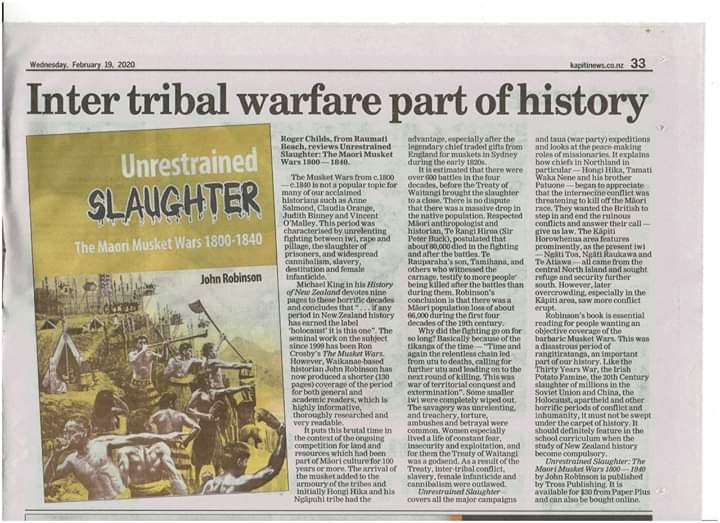
in economic history, economics of crime, law and economics, war and peace Tags: economics of colonialism
Politified Official David Friedman Interview
06 Feb 2021 Leave a comment
in David Friedman, law and economics
Douglass North and the Hard Problem of Institutions – Noel Johnson
06 Feb 2021 Leave a comment
in applied price theory, Austrian economics, comparative institutional analysis, constitutional political economy, development economics, economic history, economics of bureaucracy, growth disasters, growth miracles, history of economic thought, income redistribution, law and economics, property rights, Public Choice, public economics, rentseeking
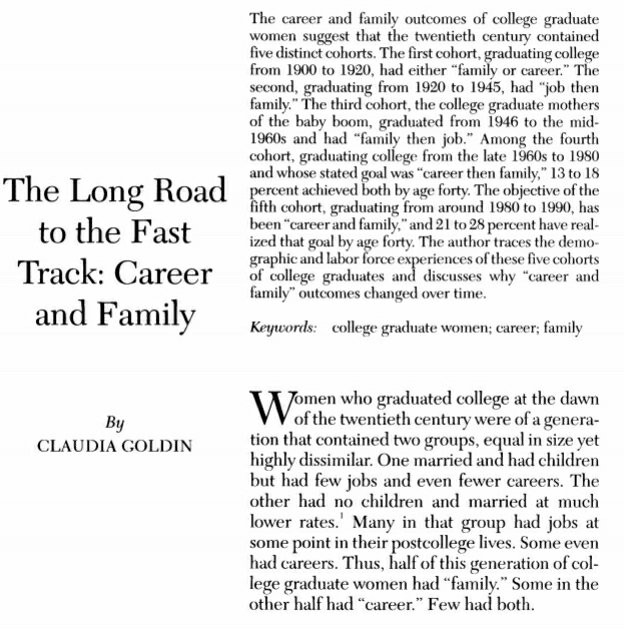
Gender roles changed too fast to be socially constructed by patriarchy
05 Feb 2021 Leave a comment
in discrimination, econometerics, economic history, economics of education, economics of love and marriage, gender, history of economic thought, human capital, labour economics, labour supply, law and economics, Marxist economics, occupational choice, poverty and inequality Tags: dating market, economics of fertility, gender wage gap, marriage and divorce, sex discrimination
#GreenNewDeal @AdamBandt @Greens
04 Feb 2021 Leave a comment
in economics of bureaucracy, economics of media and culture, economics of regulation, industrial organisation, law and economics, Marxist economics, politics - Australia, property rights, Public Choice, survivor principle Tags: creative destruction, The fatal conceit

Richard D Wolff Vs David D Friedman | Socialism Vs Capitalism Debate
01 Feb 2021 Leave a comment
in applied price theory, applied welfare economics, Austrian economics, comparative institutional analysis, constitutional political economy, David Friedman, development economics, economic history, economics of bureaucracy, growth disasters, growth miracles, industrial organisation, labour economics, labour supply, law and economics, liberalism, libertarianism, Marxist economics, occupational choice, property rights, Public Choice, survivor principle
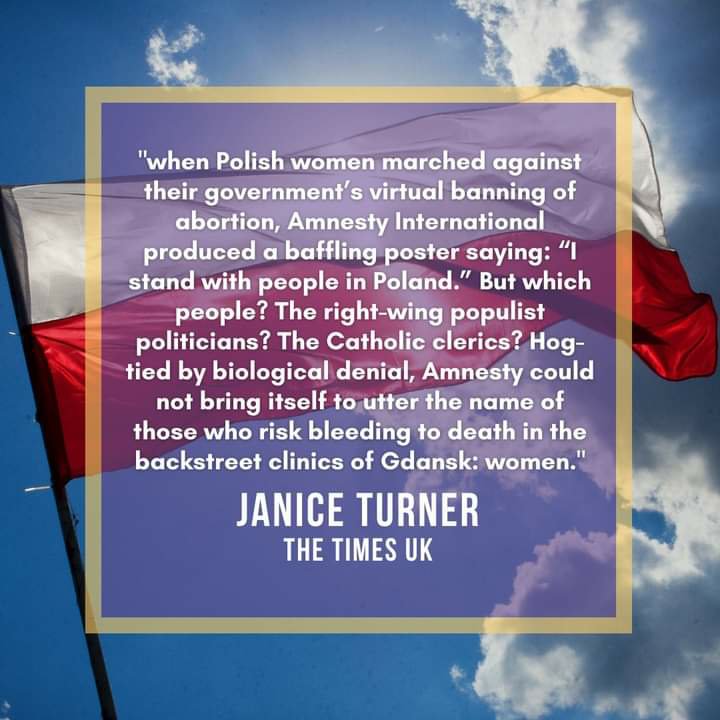
Yes @amnesty should lift its game
31 Jan 2021 Leave a comment
in discrimination, gender, law and economics Tags: abortion law reform, Poland, political correctness, regressive left
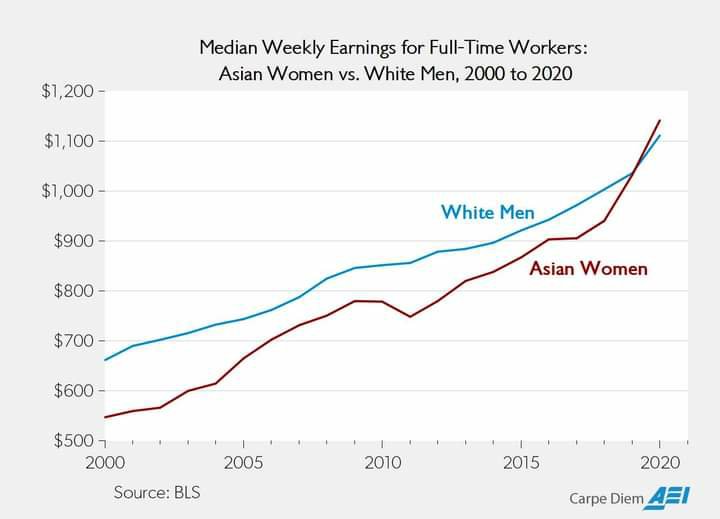
More gender wage gaps
31 Jan 2021 Leave a comment
in discrimination, economic history, economics of crime, economics of education, gender, health and safety, human capital, labour economics, labour supply, law and economics, occupational choice, poverty and inequality Tags: gender wage gap, racial discrimination, regressive left
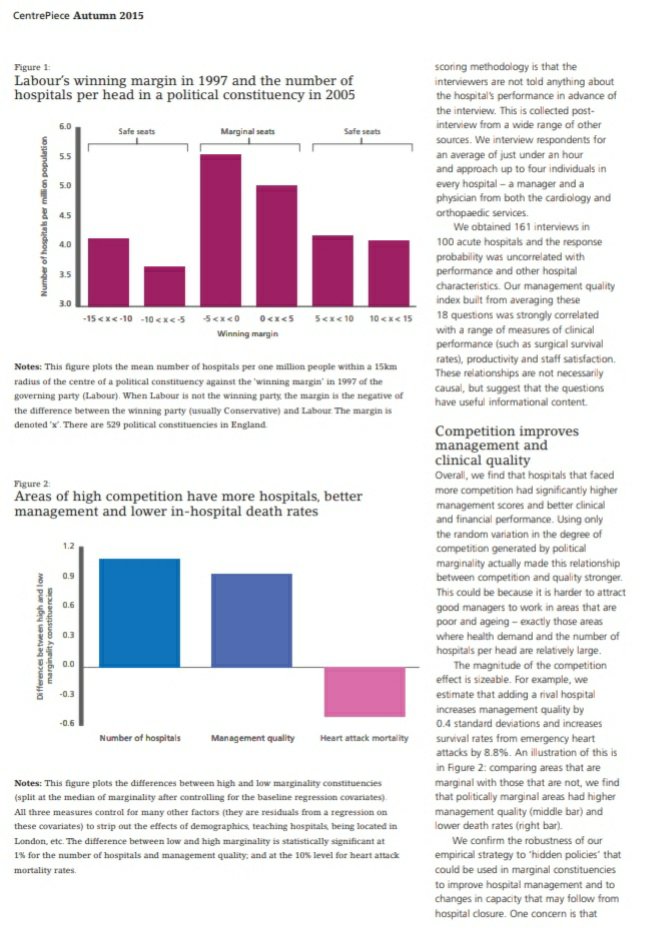
Patient choice saves lives
27 Jan 2021 Leave a comment
in applied price theory, comparative institutional analysis, economics of bureaucracy, health economics, industrial organisation, managerial economics, market efficiency, organisational economics, personnel economics, privatisation, property rights, Public Choice, survivor principle Tags: British politics, health insurance, NHS
The Biggest Problem With Identity Politics | Douglas Murray [Deleted Scene]
27 Jan 2021 Leave a comment
in defence economics, economics of crime, liberalism, Marxist economics, politics - Australia, politics - New Zealand, politics - USA Tags: political correctness, regressive left, war against terror
 Utopia, you are standing in it!
Recent Comments