
Again, too close to the truth
01 Aug 2016 Leave a comment
in economics of crime, economics of media and culture, energy economics, law and economics, liberalism Tags: political correctness

Why Don’t Feminists Fight for Muslim Women?
01 Aug 2016 Leave a comment
in economics of crime, economics of media and culture, liberalism Tags: feminism, Left-wing hypocrisy
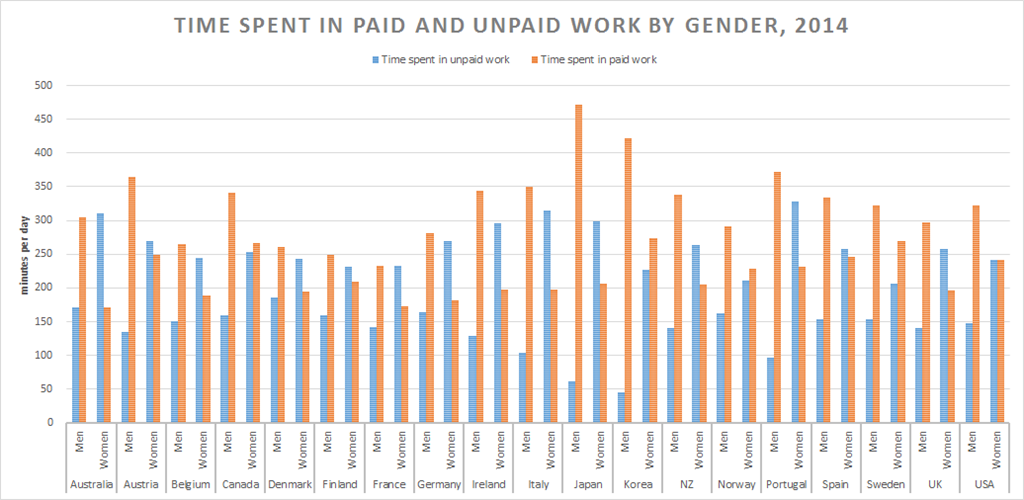
Time spent in paid and unpaid work across the OECD by gender
30 Jul 2016 1 Comment
in economics of love and marriage, gender, labour economics, labour supply Tags: asymmetric marriage premium, female labour force participation, household production, marital division of labour

West Wing – ‘You reversed my position.’
22 Jul 2016 Leave a comment
in economics, economics of crime, industrial organisation, law and economics, survivor principle, television Tags: West Wing
How religious are so-called “Islamic terrorists”?
15 Jul 2016 Leave a comment
in defence economics, economics, economics of crime, economics of religion, law and economics Tags: economics of oppositional identities, war against terror
Why nations fail?
15 Jul 2016 Leave a comment
in constitutional political economy, development economics, growth disasters, law and economics, property rights, Public Choice


David Friedman on “Future Imperfect”
15 Jul 2016 Leave a comment
in applied price theory, David Friedman, law and economics
Crime and punishment on Star Trek
14 Jul 2016 Leave a comment
in economics of crime, television
One of the things I have noticed after watching most of the original Star Trek and more recently a few seasons of Star Trek Next Generation is the original was pretty tough on law and order.

The original Star Trek frequently had discussions with penal colonies. Captain Kirk was always getting court-martial for something or Spock was. Miscreants were marched off to penal colonies
In Star Trek Generation, crime repeatedly goes unpunished and phasers always set to stun.
Trailer for ‘Loving’ — true story of an interracial marriage that caused them to be sentenced to prison in Virginia in 1958
13 Jul 2016 Leave a comment
in economics, economics of love and marriage, law and economics, movies Tags: racial discrimination
Rumpole of the Bailey on law v. justice @SheldonRichman
11 Jul 2016 Leave a comment
in economics, law and economics Tags: trial by jury
Rumpole on the Golden Thread of British Justice
10 Jul 2016 Leave a comment
in economics, economics of crime Tags: trial by jury
#Dallaspoliceshooting brought out best and worst in @ACLUTx @ACLU
09 Jul 2016 Leave a comment
in economics of crime, politics - USA
The American Civil Liberties Union seems to be against making policing safer.

Source: Was using the Dallas robot bomb legal? – The Washington Post.
Police are workers with the same right of any other worker not only to go home to their families safely and uninjured at the end of the day, they have the same right under the common law to defend their lives and the lives of others with reasonable force.
Whether there is a deadly threat to police, they are lawfully entitled to defend their own lives and those of others with deadly force. If the police reasonably believe that someone poses an imminent danger of death to others, and that killing him is necessary to prevent that danger, they can try to kill him.
Armed criminals can always lay down their arms and surrender. I am all for technologies that make policing safer and therefore the rest of us safer.
Despite the media hype, surprisingly few people are shot by police who are unarmed and not resisting. The Washington Post estimated that less than 5% of police killings are in any way suspicious.
 Utopia, you are standing in it!
Recent Comments