5 Reasons Why We Need Hate Speech | We The Internet TV
23 Oct 2019 Leave a comment
in economics of crime, economics of education, law and economics, property rights Tags: free speech
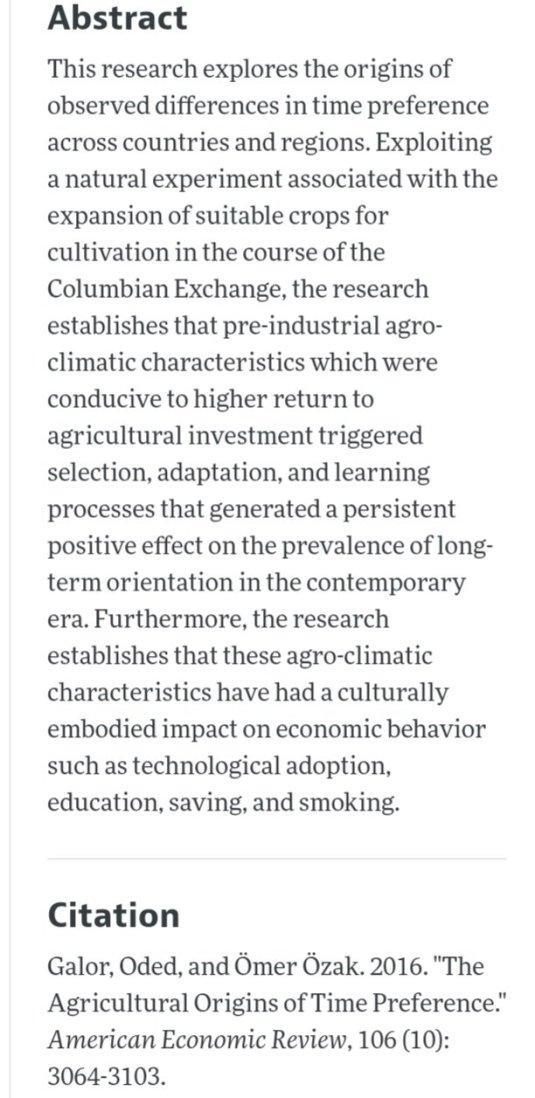

A chinese millionaire went broke after he got religion. Business partners, suppliers and customers didn’t trust him anymore.
19 Oct 2019 Leave a comment
in applied price theory, development economics, economics of bureaucracy, economics of crime, entrepreneurship, financial economics, growth disasters, growth miracles, industrial organisation, law and economics, managerial economics, organisational economics, personnel economics, property rights, Public Choice, survivor principle Tags: bribery and corruption

Do bosses take your labour surplus with them when they die? More on the rise of a working rich @AOC @BernieSanders
19 Oct 2019 Leave a comment
in applied price theory, entrepreneurship, financial economics, human capital, income redistribution, industrial organisation, labour economics, labour supply, law and economics, Marxist economics, occupational choice, poverty and inequality, property rights, Public Choice, survivor principle Tags: labour theory of value, top 1%
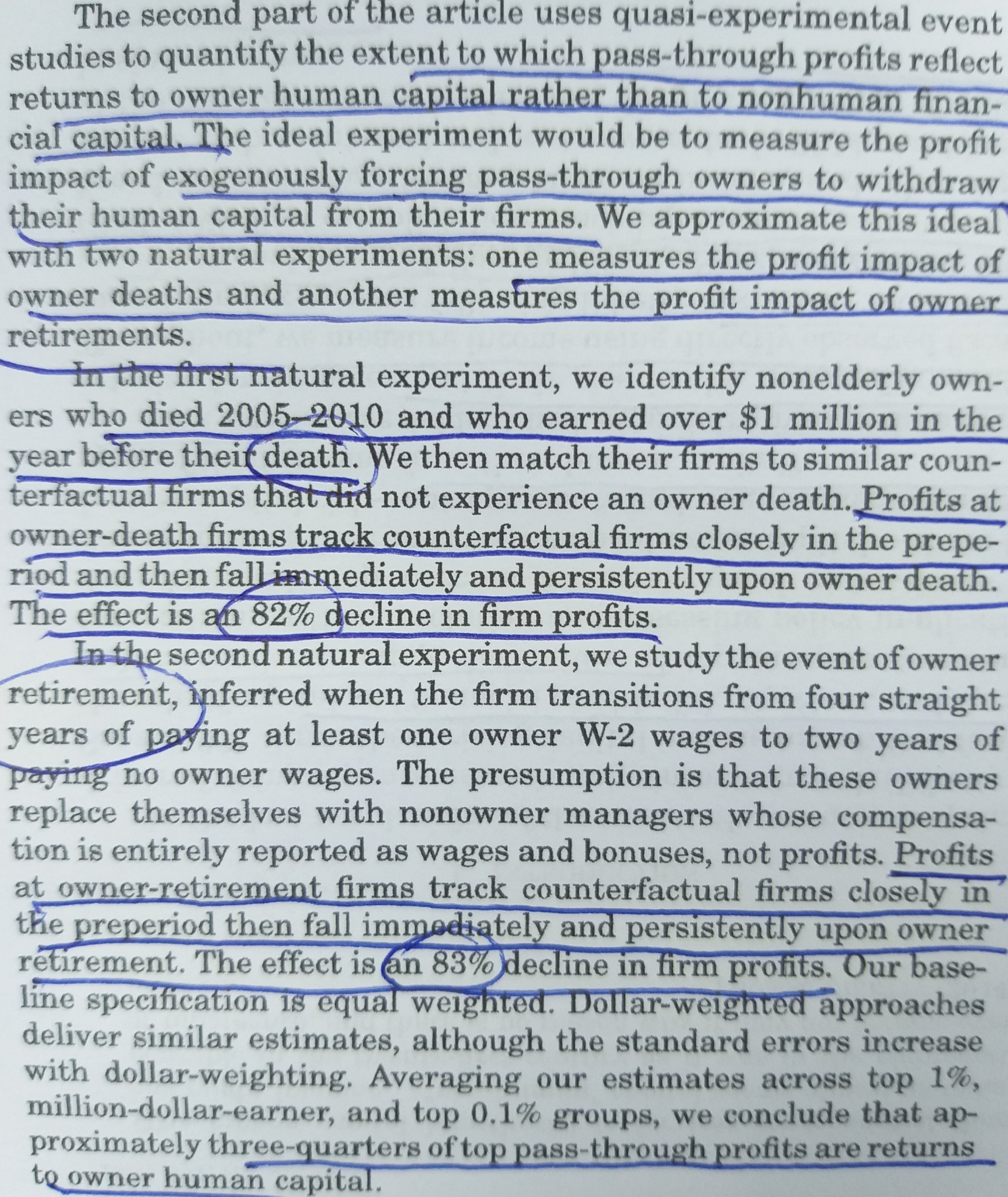
from http://www.ericzwick.com/capitalists/capitalists.pdf
Matthew Smith, Danny Yagan, Owen Zidar, Eric Zwick, Capitalists in the Twenty-First Century, The Quarterly Journal of Economics, Volume 134, Issue 4, November 2019, Pages 1675–1745,
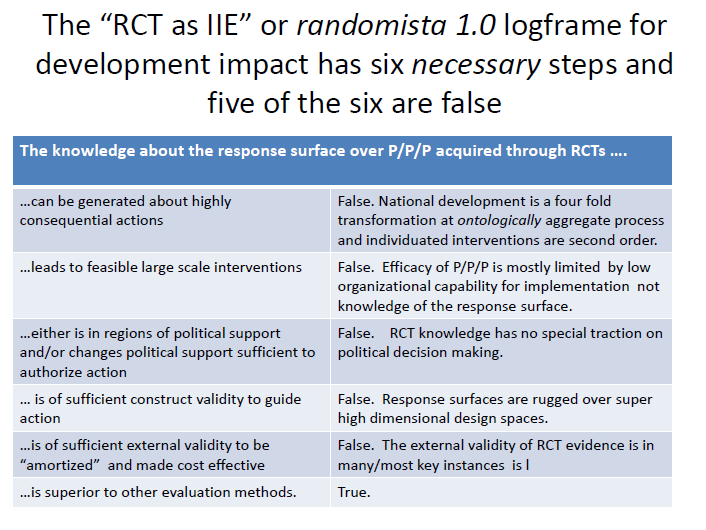
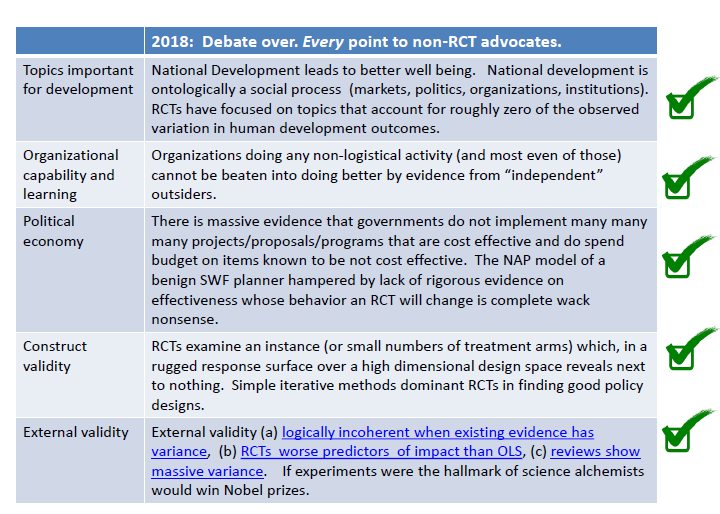
Lant Pritchett — The Debate about RCTs in Development is over.
18 Oct 2019 Leave a comment
in applied price theory, applied welfare economics, comparative institutional analysis, constitutional political economy, development economics, economics of bureaucracy, economics of crime, economics of education, economics of information, economics of regulation, growth disasters, growth miracles, history of economic thought, industrial organisation, labour economics, law and economics, property rights, Public Choice
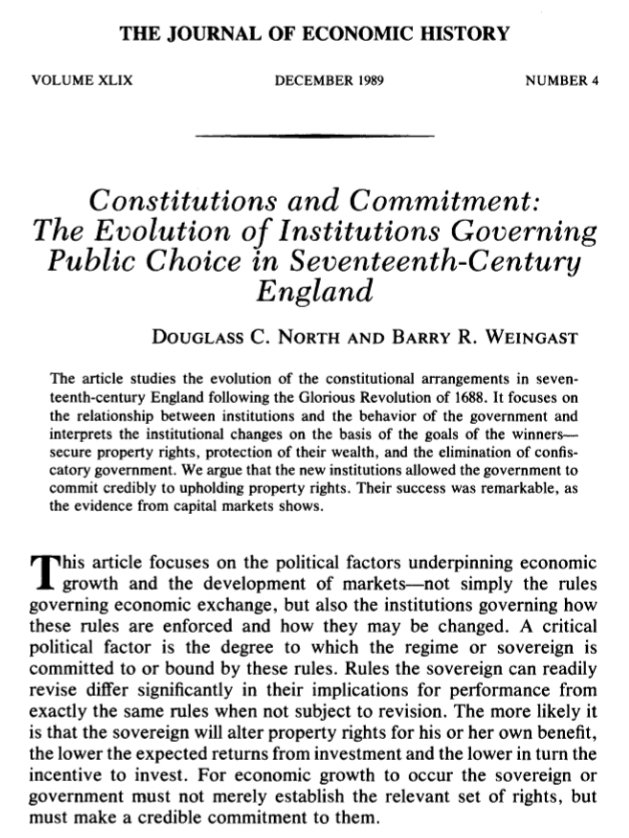
Douglass North and Timur Kuran: Institutions and Economic Performance
17 Oct 2019 Leave a comment
in applied price theory, applied welfare economics, Austrian economics, comparative institutional analysis, constitutional political economy, defence economics, development economics, economic history, economics of bureaucracy, economics of education, economics of regulation, economics of religion, financial economics, growth disasters, growth miracles, history of economic thought, income redistribution, industrial organisation, law and economics, property rights, Public Choice, rentseeking, survivor principle Tags: The Great Enrichment
35 years later: Diamond-Dybvig model of bank runs
16 Oct 2019 Leave a comment
in applied price theory, applied welfare economics, business cycles, comparative institutional analysis, economic growth, economic history, global financial crisis (GFC), great depression, great recession, income redistribution, industrial organisation, law and economics, macroeconomics, monetary economics, property rights, Public Choice, rentseeking, survivor principle Tags: bank panics, bank runs, deposit insurance
Deirdre McCloskey on why liberalism works
16 Oct 2019 Leave a comment
in applied price theory, comparative institutional analysis, constitutional political economy, development economics, economic growth, economic history, economics of bureaucracy, economics of education, economics of regulation, entrepreneurship, growth disasters, growth miracles, health economics, human capital, income redistribution, industrial organisation, international economics, labour economics, law and economics, macroeconomics, Marxist economics, poverty and inequality, property rights, Public Choice, public economics, Rawls and Nozick, rentseeking, survivor principle Tags: The Great Enrichment
Why ‘Sign in With Apple’ Beats Passwords and Facebook | @WSJ
15 Oct 2019 Leave a comment
in economics of information, economics of media and culture, entrepreneurship, industrial organisation, law and economics, property rights Tags: creative destruction
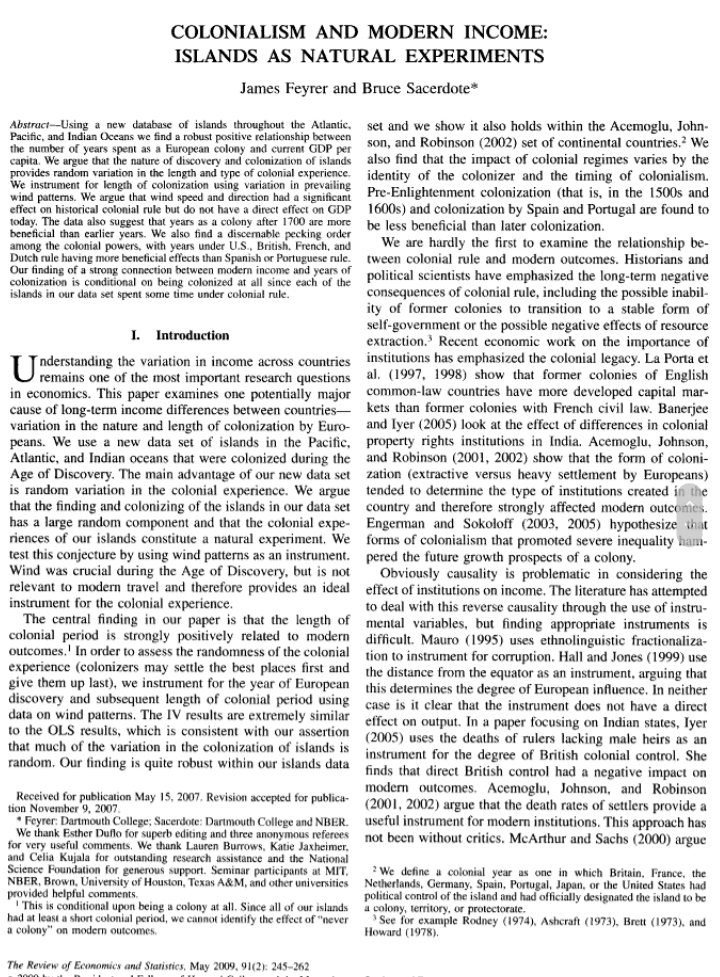
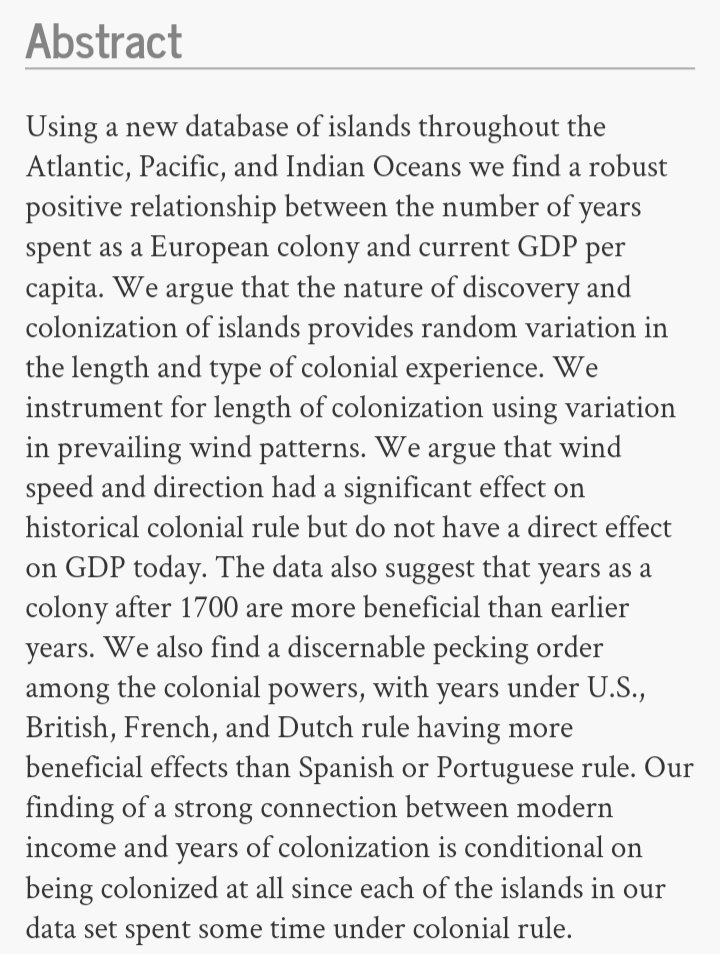
Colonialism and Modern Income: Islands as Natural Experiments by James Feyrer and Bruce Sacerdote
11 Oct 2019 Leave a comment
in comparative institutional analysis, constitutional political economy, defence economics, development economics, economic history, economics of bureaucracy, economics of crime, economics of education, economics of regulation, growth disasters, growth miracles, human capital, income redistribution, industrial organisation, international economic law, International law, law and economics, property rights, Public Choice, public economics, rentseeking Tags: Age of Discovery, age of empires, Age of exploration, British empire, economics of colonialism


Recent Comments