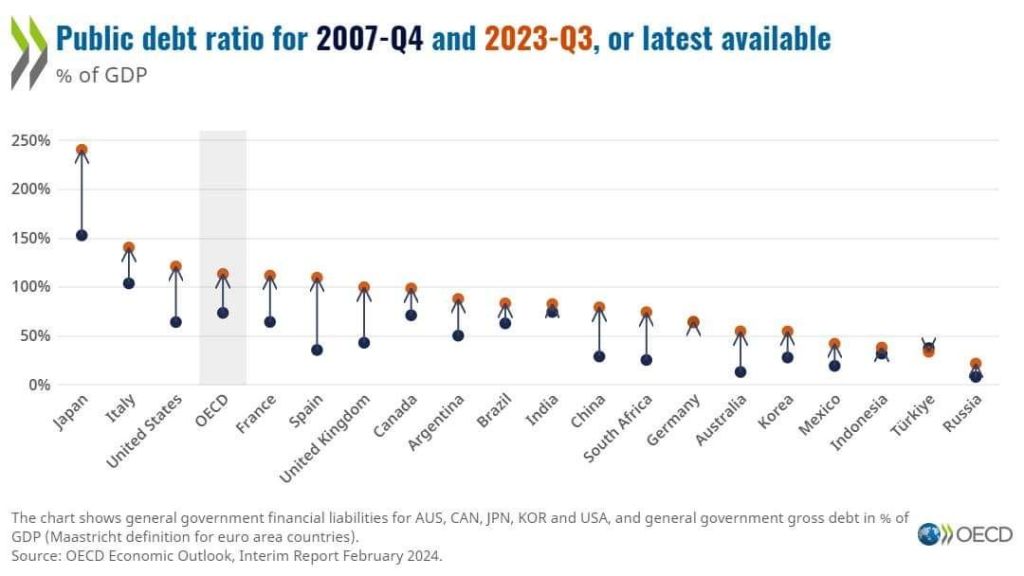
Labour and Greens in 2017 campaigned on capping core crown expenditure at no more than 30% of GDP. This was their election pledge. At one Budget I asked Grant Robertson about the policy and he (admirably) replied it was a limit, not a target. The latest forecast had expenditure at 33.4% of GDP. That 3.4% […]
NZ’s problem is too much spending, not a lack of tax
NZ’s problem is too much spending, not a lack of tax
26 Mar 2024 Leave a comment
in budget deficits, economic history, fiscal policy, macroeconomics, politics - New Zealand, public economics
How credible is the Milei plan?
24 Mar 2024 Leave a comment
in applied price theory, budget deficits, business cycles, development economics, economic growth, financial economics, fiscal policy, growth disasters, income redistribution, international economics, macroeconomics, monetary economics, Public Choice, public economics Tags: Argentina
Here is a good Substack essay by Nicolas Cachanosky, excerpt: Inflation expectations depend on what is expected to happen to the budget in the months to come. It is natural, then, to ask whether the observed surpluses are sustainable in the months ahead. Answering this question requires looking at two things. First, how was the fiscal […]
How credible is the Milei plan?
The Conway speech
08 Feb 2024 Leave a comment
in budget deficits, business cycles, econometerics, economic growth, economic history, economics of bureaucracy, fiscal policy, inflation targeting, labour economics, macroeconomics, monetary economics, politics - New Zealand, Public Choice, unemployment Tags: monetary policy
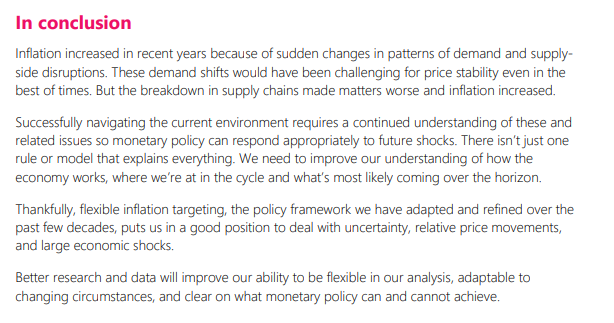
I’ve been rather tied up with other stuff for the last few weeks (including here) which is why I’ve not previously gotten round to writing about the first piece of monetary policy communications from our Reserve Bank this year. That was the “speech” by the Bank’s chief economist (and MPC) member Paul Conway given to […]
The Conway speech
The Euro at 25
03 Feb 2024 Leave a comment
in budget deficits, currency unions, economic history, economics of bureaucracy, Euro crisis, fiscal policy, global financial crisis (GFC), great recession, inflation targeting, macroeconomics, monetary economics, Public Choice Tags: Euro

The euro technically started in 1999, when the 11 founding European members of the currency agreed to keep their exchange rates fixed and to hand over monetary policy to the European Central Bank. The euro then became the actual currency that people and firms used in 2002. I confess that, back in the early 1990s,…
The Euro at 25
Will Milei succeed in Argentina?
22 Jan 2024 Leave a comment
in applied price theory, budget deficits, comparative institutional analysis, development economics, economic growth, economic history, economics of bureaucracy, economics of regulation, fiscal policy, growth disasters, income redistribution, labour economics, liberalism, libertarianism, macroeconomics, Marxist economics, monetary economics, Public Choice, public economics, rentseeking Tags: Argentina
I give him a 30-40% chance, which is perhaps generous because I am rooting for him. Bryan Caplan, who is more optimistic, offers some analysis and estimates that Milei needs to close a fiscal gap of about five percent of gdp. I have two major worries. First, if Milei approaches fiscal success, the opposing parties […]
Will Milei succeed in Argentina?
Mattei Misjudges Hawtrey
15 Jan 2024 Leave a comment
in budget deficits, business cycles, economic growth, economic history, fiscal policy, great depression, history of economic thought, macroeconomics, monetary economics
Clara Mattei, associate professor of economics at the New School for Social Research, recently published a book, The Capital Order: How Economists Invented Austerity and Paved the Way to Fascism, (University of Chicago Press) in which she argues that the fiscal and monetary austerity imposed on Great Britain after World War I to restore the […]
Mattei Misjudges Hawtrey
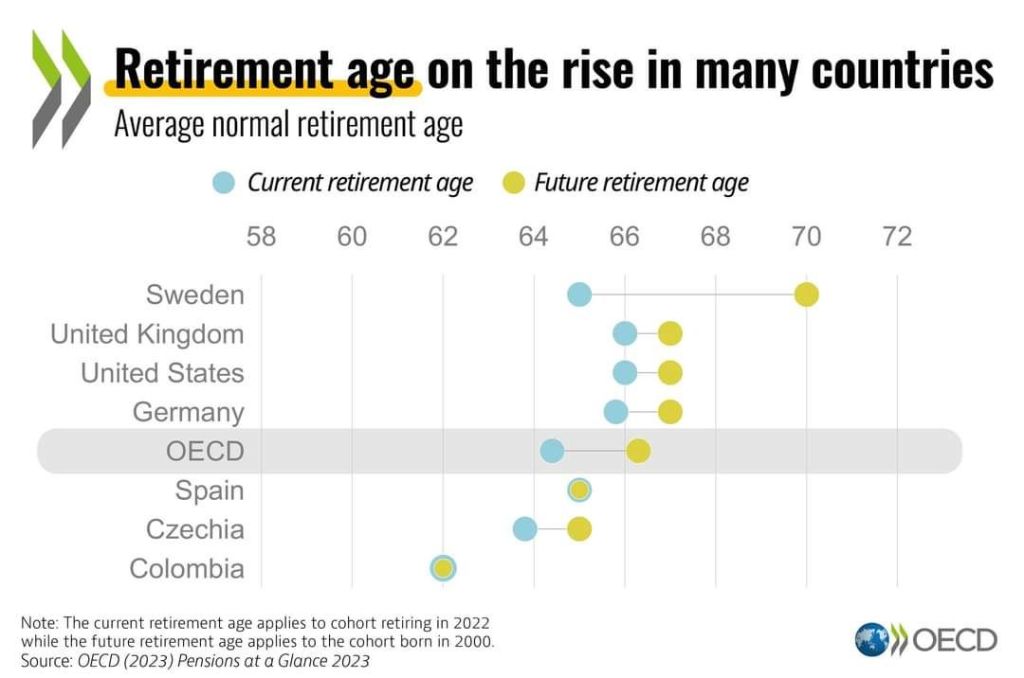
Pension crisis
06 Jan 2024 Leave a comment
in budget deficits, fiscal policy, labour economics, labour supply, macroeconomics Tags: ageing society
📸 Look at this post on Facebook
https://www.facebook.com/share/B8SHqxb5jFk88mQ2/?mibextid=RXn8sy
How Were So Many Economists So Wrong About the Recession?
30 Dec 2023 Leave a comment
in budget deficits, business cycles, economic growth, economic history, fiscal policy, labour economics, macroeconomics, monetary economics, unemployment Tags: monetary policy
That is the topic of my latest Bloomberg column, I thought it was time to call out all the Orwellian rewriting of intellectual history going on, so here goes: As Treasury Secretary Janet Yellen said last week: “So many economists were saying there’s no way for inflation to get back to normal without it entailing a […]
How Were So Many Economists So Wrong About the Recession?
The Worst Journalism of 2023
29 Dec 2023 Leave a comment
in budget deficits, business cycles, development economics, economic history, fiscal policy, growth disasters, macroeconomics, monetarism, monetary economics Tags: Argentina
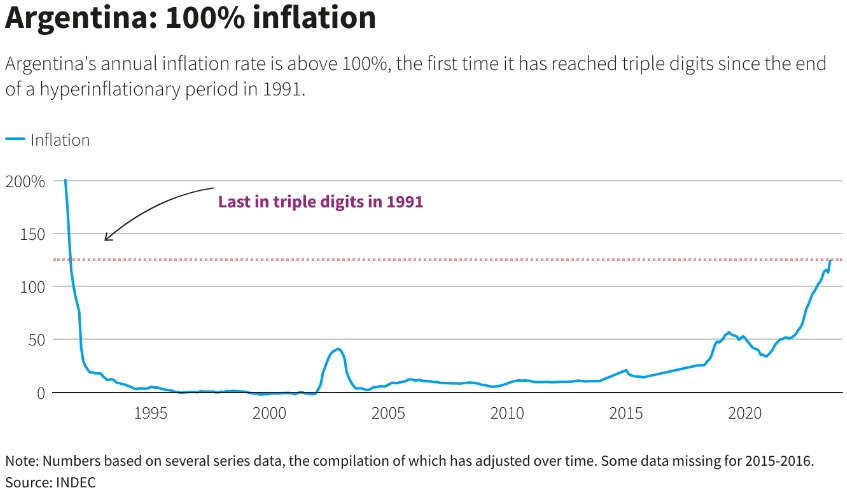
Writing about the economic tragedy of Argentina, I’ve explained that one major problem is inflation, thanks to that country’s version of “modern monetary theory.” This is not a trivial problem. Here’s a chart, from a recent report by Reuters, showing how prices have been rising for nearly 10 years and skyrocketing for the past three […]
The Worst Journalism of 2023
190308 [Webinar] Consistent Economic Policy and Economic Development
29 Dec 2023 Leave a comment
in applied price theory, budget deficits, business cycles, defence economics, economic growth, economic history, economics of information, Euro crisis, fiscal policy, fisheries economics, global financial crisis (GFC), great recession, growth disasters, growth miracles, history of economic thought, human capital, inflation targeting, labour economics, labour supply, macroeconomics, monetary economics, Public Choice, public economics, unemployment
Argentina Milei reform impressions
23 Dec 2023 Leave a comment
in applied price theory, budget deficits, business cycles, comparative institutional analysis, constitutional political economy, development economics, economic growth, economics of bureaucracy, economics of regulation, fiscal policy, growth disasters, history of economic thought, income redistribution, international economics, labour economics, law and economics, liberalism, libertarianism, macroeconomics, Marxist economics, monetary economics, property rights, Public Choice, public economics, rentseeking, unemployment Tags: Argentina
I didn’t have much time in Argentina, but I can pass along a few impressions about how Milei is doing, noting I hold these with “weak belief”: 1. He is pretty popular with the general population. He is also popular in B.A. in particular. People are fed up with what they have been experiencing. It […]
Argentina Milei reform impressions
FMI Public Speaker Series – Finn Kydland
23 Dec 2023 Leave a comment
in applied price theory, budget deficits, business cycles, comparative institutional analysis, development economics, economic growth, economic history, economics of bureaucracy, fiscal policy, global financial crisis (GFC), great depression, great recession, growth disasters, growth miracles, history of economic thought, human capital, income redistribution, labour economics, labour supply, macroeconomics, Public Choice, public economics, rentseeking
Finn E. Kydland Nobel Lecture at CERGE-EI
22 Dec 2023 Leave a comment
in applied price theory, budget deficits, business cycles, comparative institutional analysis, development economics, economic growth, economic history, economics of regulation, fiscal policy, global financial crisis (GFC), great depression, great recession, growth disasters, growth miracles, history of economic thought, human capital, income redistribution, labour economics, labour supply, macroeconomics, monetary economics, Public Choice, public economics
An Upside-Down Economic History of Argentina
13 Dec 2023 Leave a comment
in budget deficits, business cycles, development economics, economic growth, economic history, economics of bureaucracy, fiscal policy, growth disasters, growth miracles, history of economic thought, income redistribution, labour economics, macroeconomics, Public Choice, public economics, rentseeking, Ronald Coase Tags: Argentina
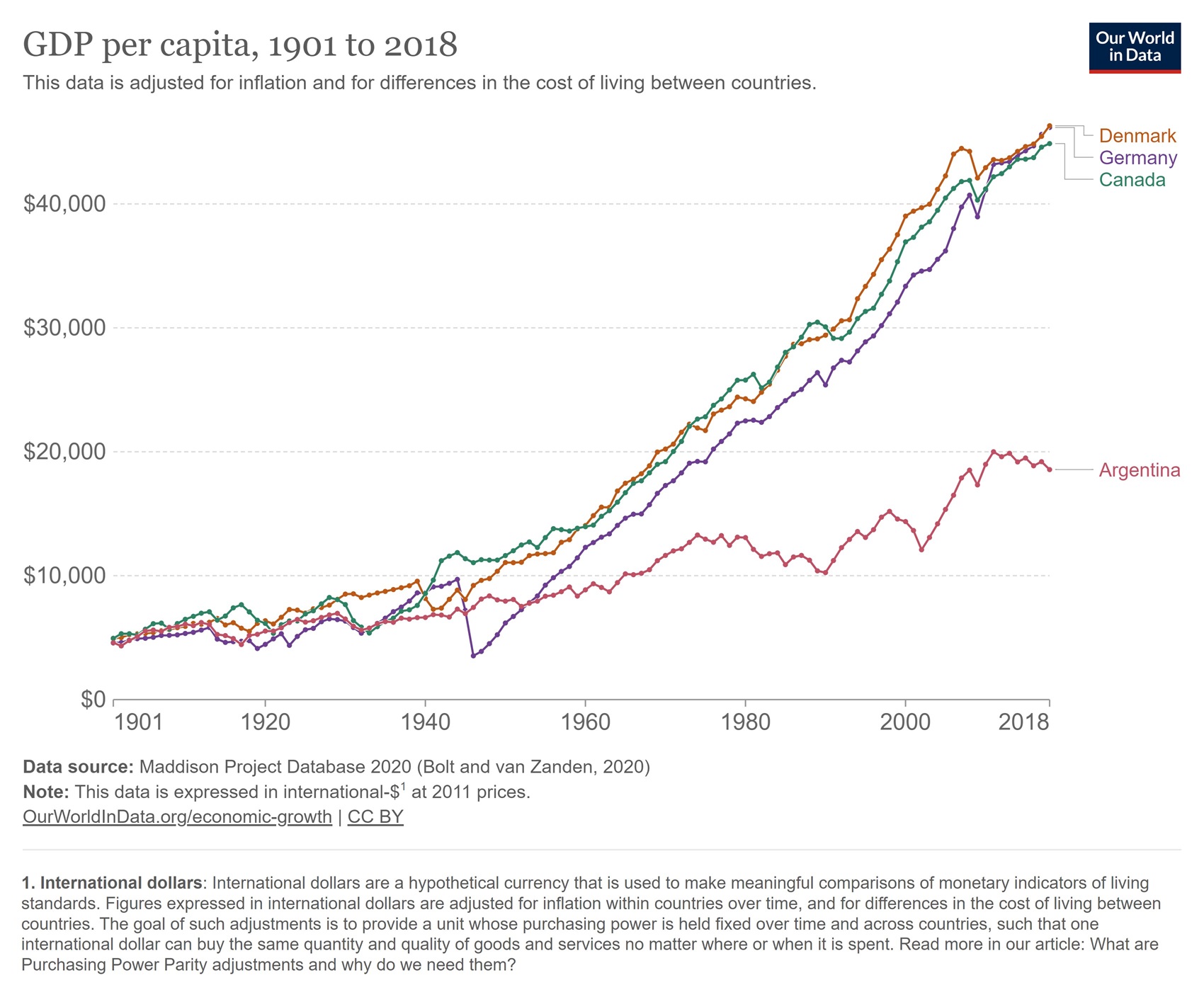
Argentina has a very interesting, but also rather tragic, economic history. During first half of the 20th century, it was one of the world’s richest nations. But thanks to dirigiste economic policies (known locally as Peronism) starting after World War II, Argentina has suffered a dramatic decline in relative living standards. However, something shocking has […]
An Upside-Down Economic History of Argentina
 Utopia, you are standing in it!
Recent Comments