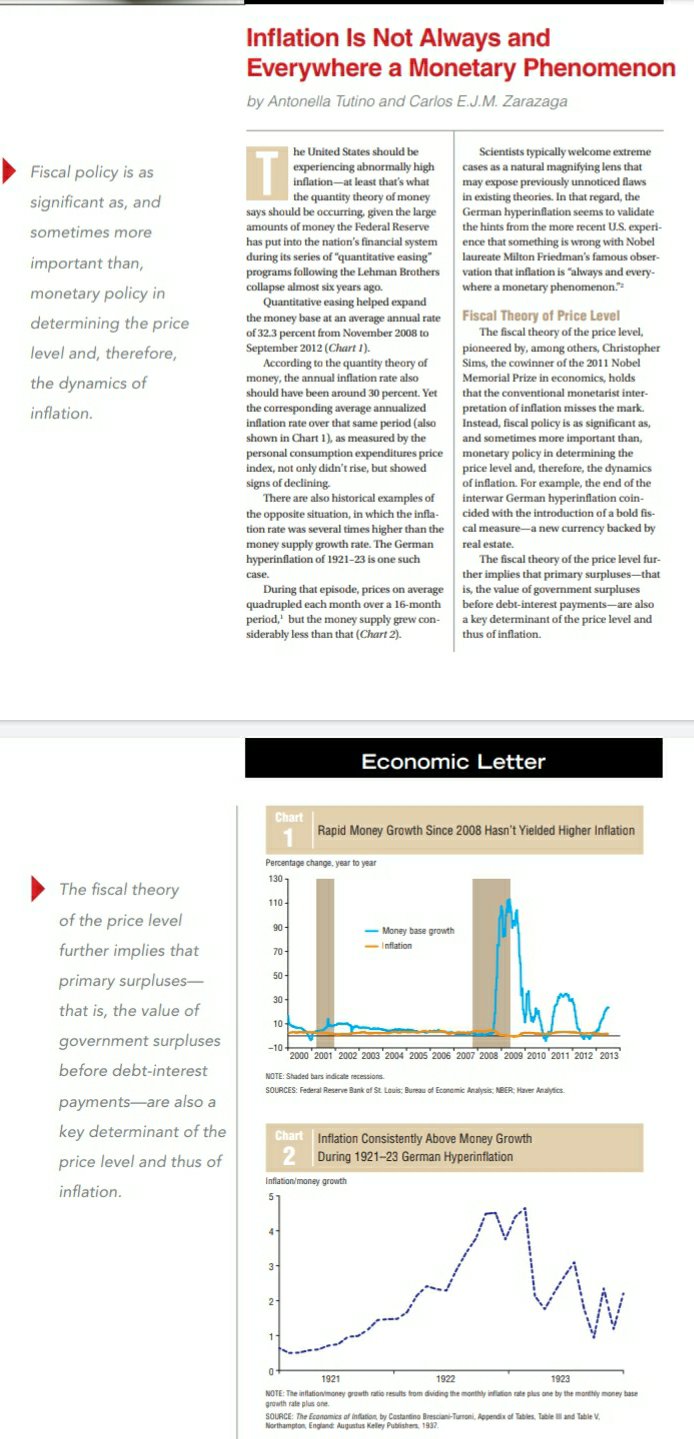
But the quantitative easings after the GFC didn’t lead to inflation!?
29 Jul 2022 Leave a comment
in budget deficits, business cycles, economic history, fiscal policy, global financial crisis (GFC), macroeconomics, monetarism, monetary economics, public economics Tags: monetary policy
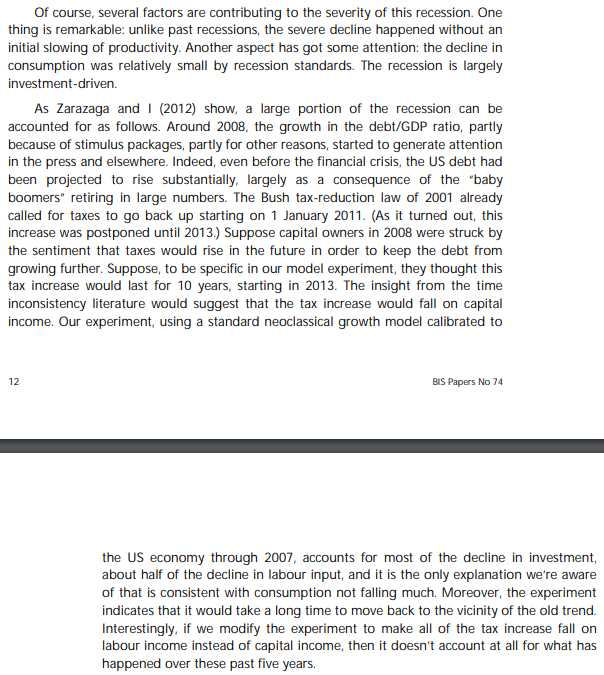
Finn Kydland on the great recession
16 Jul 2022 Leave a comment
New Keynesianism in central banking: friend or foe? Robert Hetzel
30 Jun 2022 Leave a comment
in business cycles, economic history, fiscal policy, great recession, history of economic thought, macroeconomics, monetarism, monetary economics Tags: monetary policy
‘The US Fed response to Covid-19 crisis as compared to the Global Financial Crisis’. Robert Hetzel
29 Jun 2022 Leave a comment
in budget deficits, business cycles, economic growth, economic history, fiscal policy, global financial crisis (GFC), great recession, history of economic thought, macroeconomics, monetarism, monetary economics Tags: monetary policy
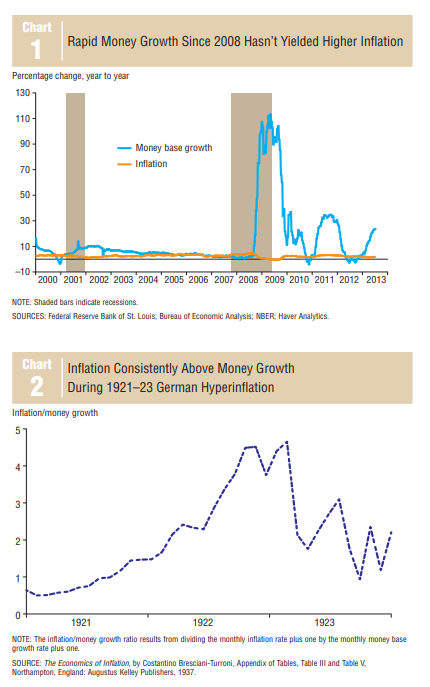
Fiscal policy is as significant as, and sometimes more important than, monetary policy in determining the price level and, therefore, the dynamics of inflation
20 May 2022 Leave a comment
in economic history, fiscal policy, history of economic thought, macroeconomics, Milton Friedman, monetarism
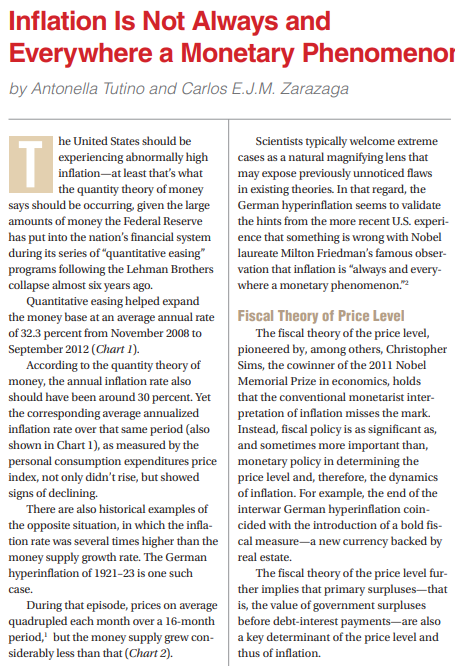
The power of tax smoothing
25 Apr 2022 Leave a comment
in applied price theory, defence economics, economic growth, entrepreneurship, fiscal policy, macroeconomics, public economics
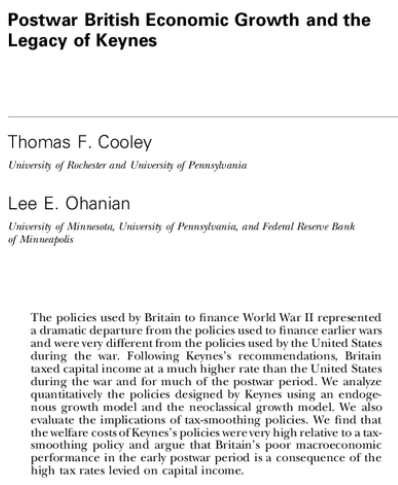
“Economic Policy and Growth of Nation” – by Prof. Finn Kydland
24 Apr 2022 Leave a comment
in applied price theory, budget deficits, business cycles, economic growth, economic history, Euro crisis, fiscal policy, global financial crisis (GFC), great recession, growth disasters, history of economic thought, labour economics, labour supply, macroeconomics, monetary economics, public economics, unemployment Tags: real business cycles
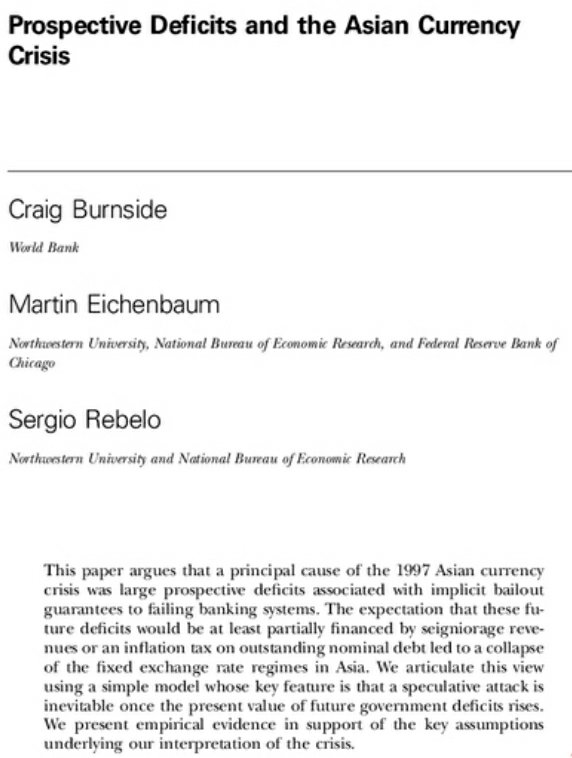
Margaret Jacobson on how Roosevelt jump started the #economy in 1933
20 Apr 2022 Leave a comment
in budget deficits, business cycles, economic growth, financial economics, fiscal policy, great depression, history of economic thought, macroeconomics, Milton Friedman, monetarism, monetary economics

Next Steps for the Fiscal Theory of the Price Level
18 Apr 2022 Leave a comment
in budget deficits, economic history, fiscal policy, history of economic thought, macroeconomics, Milton Friedman, monetarism, monetary economics
A New Theory on What Causes Inflation with Economist John Cochrane
16 Apr 2022 Leave a comment
in budget deficits, business cycles, fiscal policy, history of economic thought, macroeconomics, Milton Friedman, monetarism, monetary economics
Israel 1983: A bout of unpleasant monetarist arithmetic
13 Apr 2022 Leave a comment
in applied price theory, budget deficits, economic history, financial economics, fiscal policy, macroeconomics, monetarism, monetary economics Tags: hyperinflation
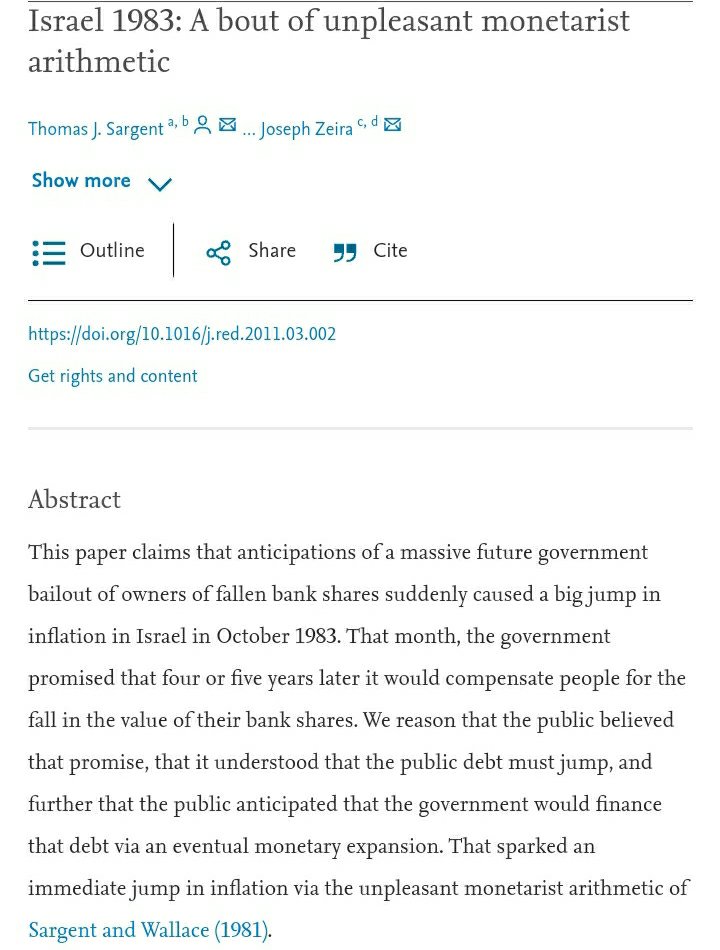
Thomas Sargent pioneered the fiscal theory of the price level by studying both the end of hyper-inflations and moderate inflations
07 Apr 2022 Leave a comment
in budget deficits, business cycles, economic history, fiscal policy, history of economic thought, macroeconomics, monetarism, monetary economics

From Stopping Moderate Inflations: The Methods of Poincaré and Thatcher (1982) by Thomas Sargent
 Utopia, you are standing in it!
Recent Comments