
How many projects are shovel-ready with the border closed to a global construction engineers market?
04 May 2020 Leave a comment
Thomas Sargent 2013 MACROECONOMIC THEORY AND THE CRISIS
01 May 2020 Leave a comment
in budget deficits, business cycles, economic growth, economic history, Euro crisis, financial economics, fiscal policy, global financial crisis (GFC), great depression, great recession, macroeconomics, Milton Friedman, monetarism, monetary economics, Robert E. Lucas Tags: sovereign debt crises, sovereign defaults
Majority saved $750 #COVID19 stimulus payment! Friedman’s permanent income hypothesis rules
01 May 2020 Leave a comment
in budget deficits, business cycles, financial economics, fiscal policy, macroeconomics, Milton Friedman, monetary economics, unemployment Tags: offsetting behaviour, permanent income hypothesis, The fatal conceit, unintended consequences
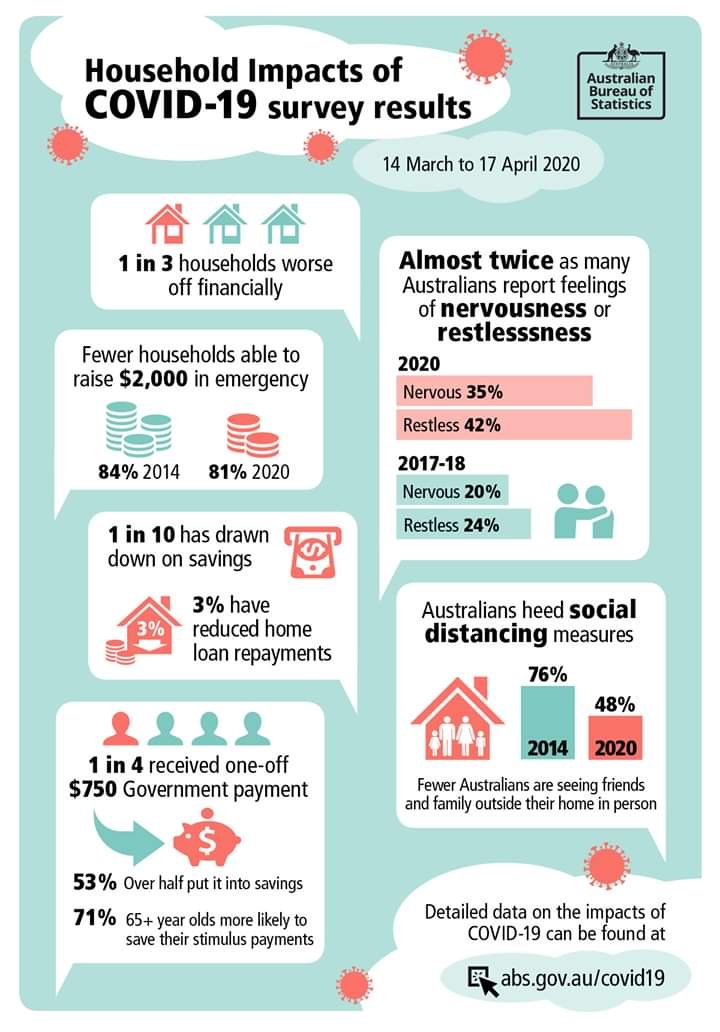
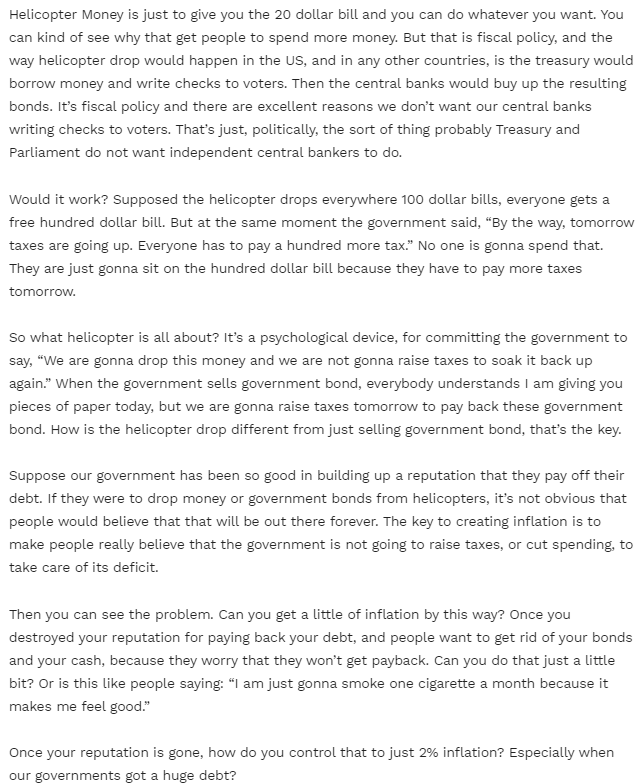
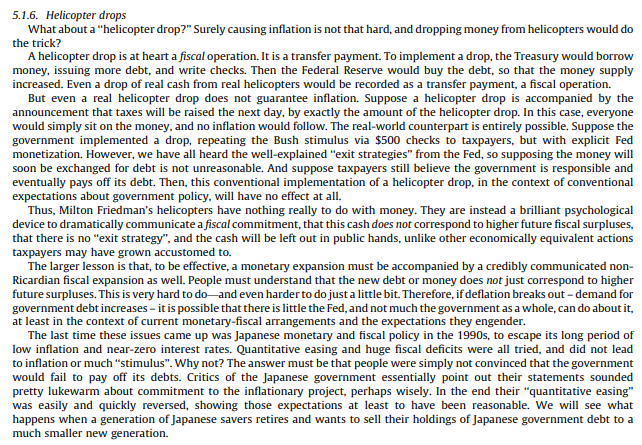
John Cochrane explains helicopter drops
01 May 2020 Leave a comment
in financial economics, fiscal policy, macroeconomics, Milton Friedman, monetarism, monetary economics, politics - New Zealand, public economics
Great depression unemployment rates
30 Apr 2020 Leave a comment
in business cycles, economic growth, economic history, fiscal policy, great depression, labour economics, labour supply, macroeconomics, monetary economics, public economics, unemployment Tags: Keynesian macroeconomics
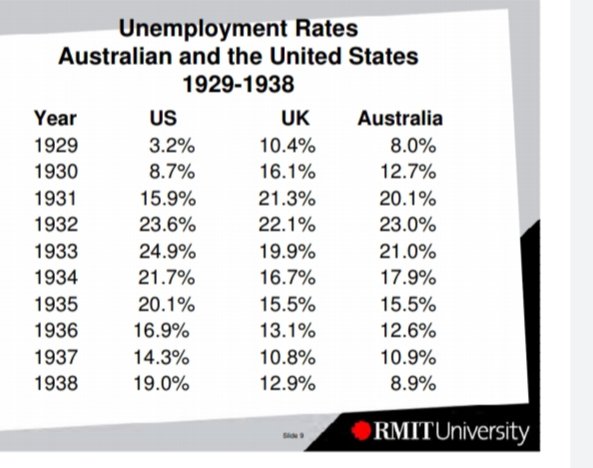
Source Sinclair Davidson
Edward Prescott on the unimportance of monetary policy
29 Apr 2020 Leave a comment
in business cycles, economic history, Edward Prescott, financial economics, fiscal policy, global financial crisis (GFC), great depression, great recession, history of economic thought, macroeconomics, monetary economics
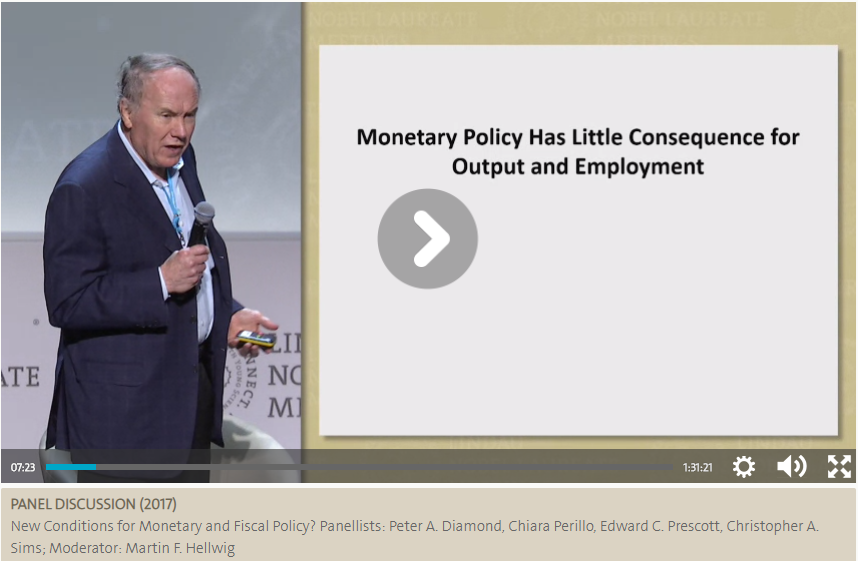
See lecture at https://www.mediatheque.lindau-nobel.org/videos/37267/panel-conditions-monetary-fiscal-policy/laureate-prescott
Edward Prescott, co-recipient of the Nobel Prize in 2004, took a different view in a presentation with the title ‘The Unimportance of Monetary Policy and Financial Crises on Output and Unemployment’. He cited financial crises that saw countries experiencing contrasting outcomes at the same time: the US and Asia in the 2008 crisis; Chile and Mexico in 1980; and Scandinavia and Japan in 1992.
‘Financial crises do not impede development,’ he claimed. While the 2008 financial crisis was localised in North America and the euro area, there was a short recession and quick recovery in Japan, Taiwan and South Korea and no recession in Scandinavia and Australia. ‘Countries where fiscal policy was irresponsible had problems’, he maintained. ‘Fiscal responsibility is crucial: to spend is to tax and to tax is to depress. That’s what happens every time.’
Robert Barro explains Ricardian equivalence and tax smoothing
26 Apr 2020 Leave a comment
in fiscal policy, macroeconomics, public economics
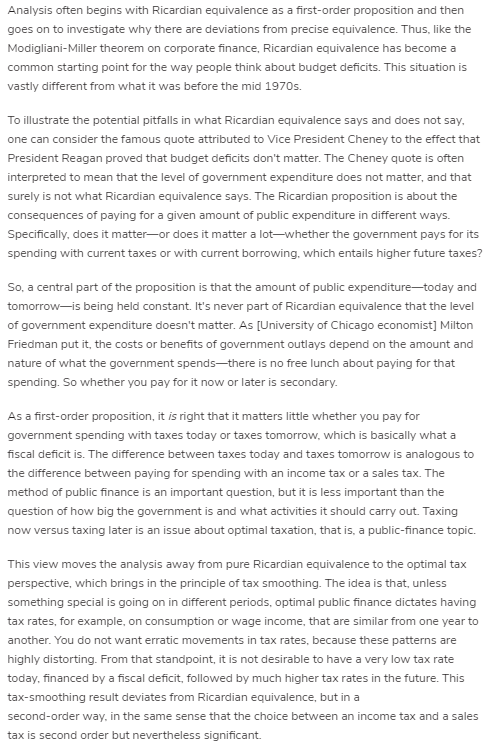
John Cochrane explains helicopter drops
25 Apr 2020 Leave a comment
in business cycles, financial economics, fiscal policy, macroeconomics, Milton Friedman, monetarism, monetary economics, politics - New Zealand, public economics
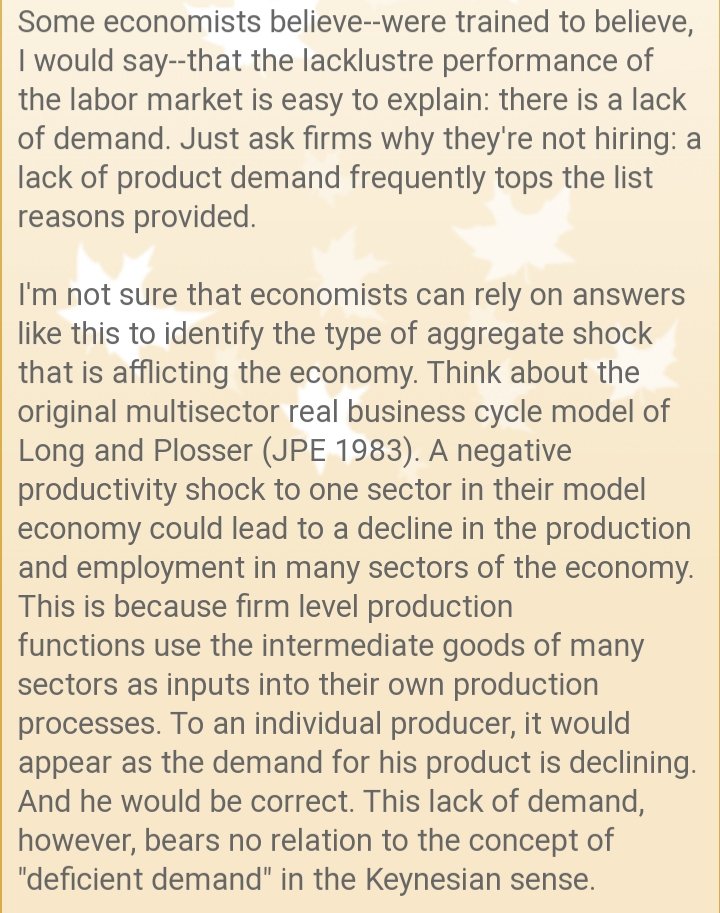
What is deficient aggregate demand?
20 Apr 2020 Leave a comment
in business cycles, economic growth, Edward Prescott, fiscal policy, macroeconomics, monetary economics Tags: real business cycle theory
Infrastructure spending is back in the news @jamespeshaw @NZGreens @TaxpayersUmion
19 Apr 2020 Leave a comment
in economic history, economics of bureaucracy, fiscal policy, industrial organisation, managerial economics, organisational economics, politics - New Zealand, Public Choice, rentseeking, transport economics, urban economics Tags: megaprojects, The fatal conceit

Still more on #marilynwaring and economists ignoring home production @waring_marilyn @women_nz
17 Apr 2020 Leave a comment
in business cycles, development economics, discrimination, econometerics, economic growth, economics of love and marriage, fiscal policy, gender, human capital, labour economics, labour supply, macroeconomics, occupational choice, poverty and inequality Tags: female labour force participation, female labour supply, gender wage gap, marital division of labour, marital labour supply
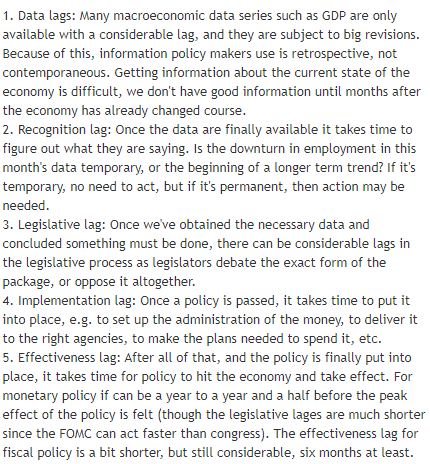
The lags on fiscal policy infrastructure spending are even longer
16 Apr 2020 Leave a comment
in applied price theory, business cycles, economics of bureaucracy, economics of information, fiscal policy, macroeconomics, monetary economics, Public Choice
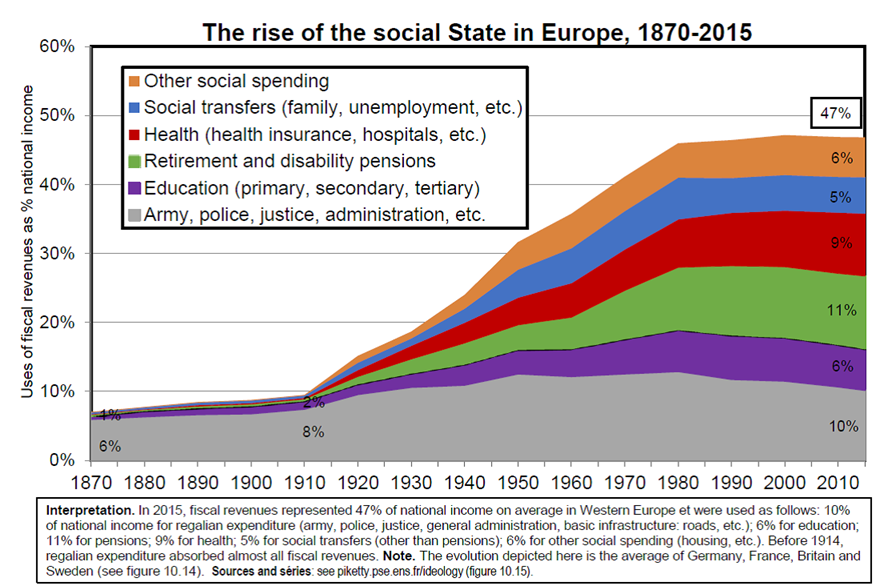
The growth of government stopped in Europe in the 1980s
14 Apr 2020 Leave a comment
in economic history, fiscal policy, public economics
David Levine on Keynes
12 Apr 2020 Leave a comment
in budget deficits, business cycles, fiscal policy, history of economic thought, labour supply, macroeconomics, unemployment

 Utopia, you are standing in it!
Recent Comments