Nobel Symposium Ellen Mcgrattan Modern DSGE models: Theory and evidence
16 Aug 2018 Leave a comment
in business cycles, economic growth, global financial crisis (GFC), great recession, macroeconomics Tags: real business cycles
The Queen didn’t ask Keynesians about not predicting the 1970s stagflation, a phenomenon their macroeconomics strictly forbade
15 Aug 2018 2 Comments
in budget deficits, business cycles, economic growth, economic history, fiscal policy, global financial crisis (GFC), great recession, history of economic thought, macroeconomics, monetary economics Tags: conjecture and refutation, Keynesian macroeconomics, stagflation
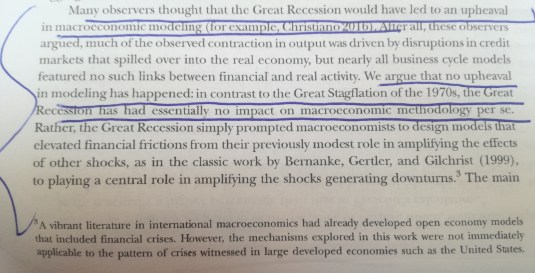
Source: Kehoe, Midrigan and Pastorino 2018.
Ellen McGrattan, Intangible Capital and Measured Productivity
14 Aug 2018 Leave a comment
in business cycles, global financial crisis (GFC), great recession, macroeconomics, monetary economics Tags: real business cycles
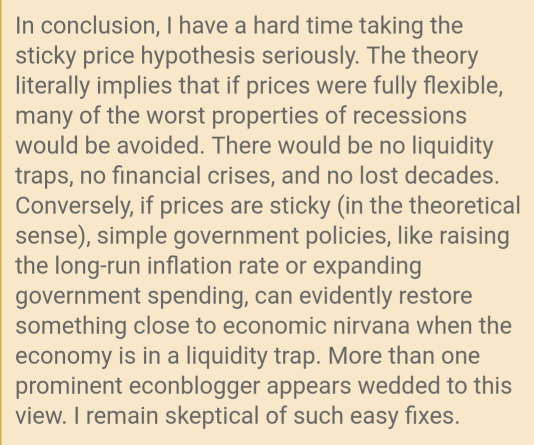
@dandolfa on how Keynesian macroeconomics is just to good to be true
12 Aug 2018 Leave a comment
in applied price theory, business cycles, fiscal policy, global financial crisis (GFC), great depression, great recession, macroeconomics, monetary economics Tags: Keynesian macroeconomics
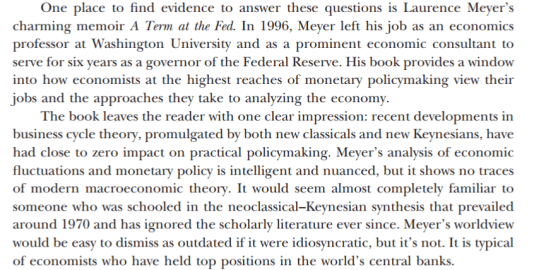
My favorite Greg Mankiw quote on the influence of modern macroeconomics
26 Jul 2018 Leave a comment
in budget deficits, business cycles, economic growth, fiscal policy, global financial crisis (GFC), great depression, great recession, macroeconomics, monetarism, monetary economics Tags: Greg Mankiw
Nobel symposium Financial intermediaries and liquidity creation Douglas Diamond
21 Jul 2018 Leave a comment
in global financial crisis (GFC), macroeconomics, monetary economics
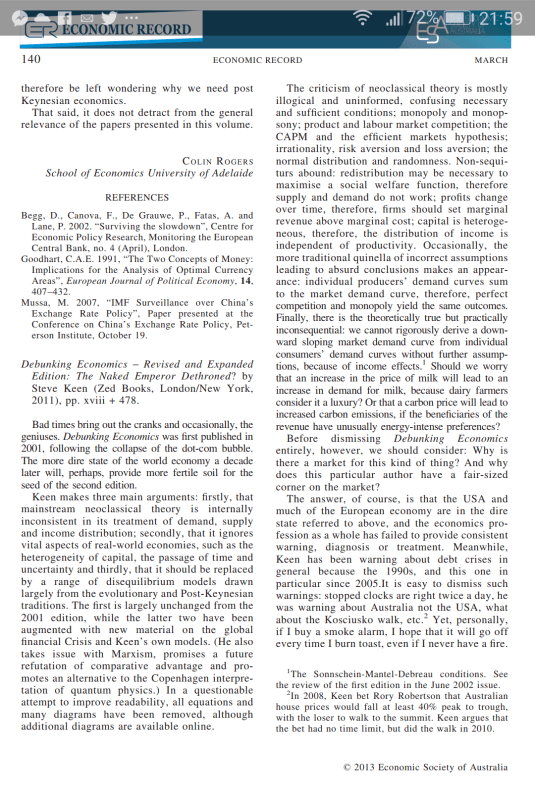
Wouldn’t hold much hope for investors in a hedge fund founded by Steve Keen to put other’s money where his mouth is all the time
28 Apr 2018 Leave a comment
in business cycles, entrepreneurship, Euro crisis, financial economics, fiscal policy, global financial crisis (GFC), macroeconomics, monetary economics Tags: active investing, monetary cranks, revealed preference
35 years later: Diamond-Dybvig model of bank runs
26 Apr 2018 1 Comment
in business cycles, financial economics, global financial crisis (GFC), macroeconomics, monetary economics Tags: bank panics, bank runs
Thomas Sargent v. @AnnPettifor on macroeconomics before the #GFC
24 Apr 2018 Leave a comment
in budget deficits, business cycles, fiscal policy, global financial crisis (GFC), great depression, great recession, macroeconomics, monetary economics, Public Choice Tags: monetary cranks, Thomas Sargent
When will @AnnPettifor found a hedge fund to profit from putting other’s money where her mouth is rather than just her own retirement savings portfolio, which I am sure she did
23 Apr 2018 Leave a comment
in applied price theory, economics of information, entrepreneurship, fisheries economics, global financial crisis (GFC), macroeconomics, Marxist economics, monetary economics Tags: efficient markets hypothesis, entrepreneurial alertness, monetary cranks


The GFC did not bring down the Celtic Tiger; the Irish government did by overreacting in a crisis
07 Mar 2018 2 Comments
in global financial crisis (GFC), macroeconomics, monetary economics, Public Choice
Timothy J. Kehoe and Gonzalo Fernandez de Cordoba wrote this for the Annual Report Essay of the Federal Reserve Bank of Minneapolis in 2008 on the eve of the financial crisis in Ireland:
Different sorts of shocks can start financial crises. Some shocks are external to the economy. In the cases of Chile and Mexico, the shock was the increase in world interest rates and the decrease in international commodity prices, and in the case of Finland, it was collapse in trade with the former Soviet Union. Some shocks are internal. In the case of Japan, the shock was the fall in the prices of commercial real estate, and, currently in North America and Western Europe, it is the fall in the prices of residential real estate. The analysis of great depressions shows that the type of shock that starts the depression is less important than reaction to the shock by the economy and, in particular, the government.
The screen snapshot below shows that the Irish government did not bail out the depositors of a bank, they bailed out the bondholders. It is only when there is a bank run by depositors of a large bank is a financial system under threat. Bondholders are on their own.

FROM https://www.vanityfair.com/news/2011/03/michael-lewis-ireland-201103
Game of Theories: The Great Recession
06 Dec 2017 Leave a comment
in budget deficits, business cycles, Euro crisis, fiscal policy, global financial crisis (GFC), great recession, macroeconomics, Public Choice, rentseeking


Recent Comments