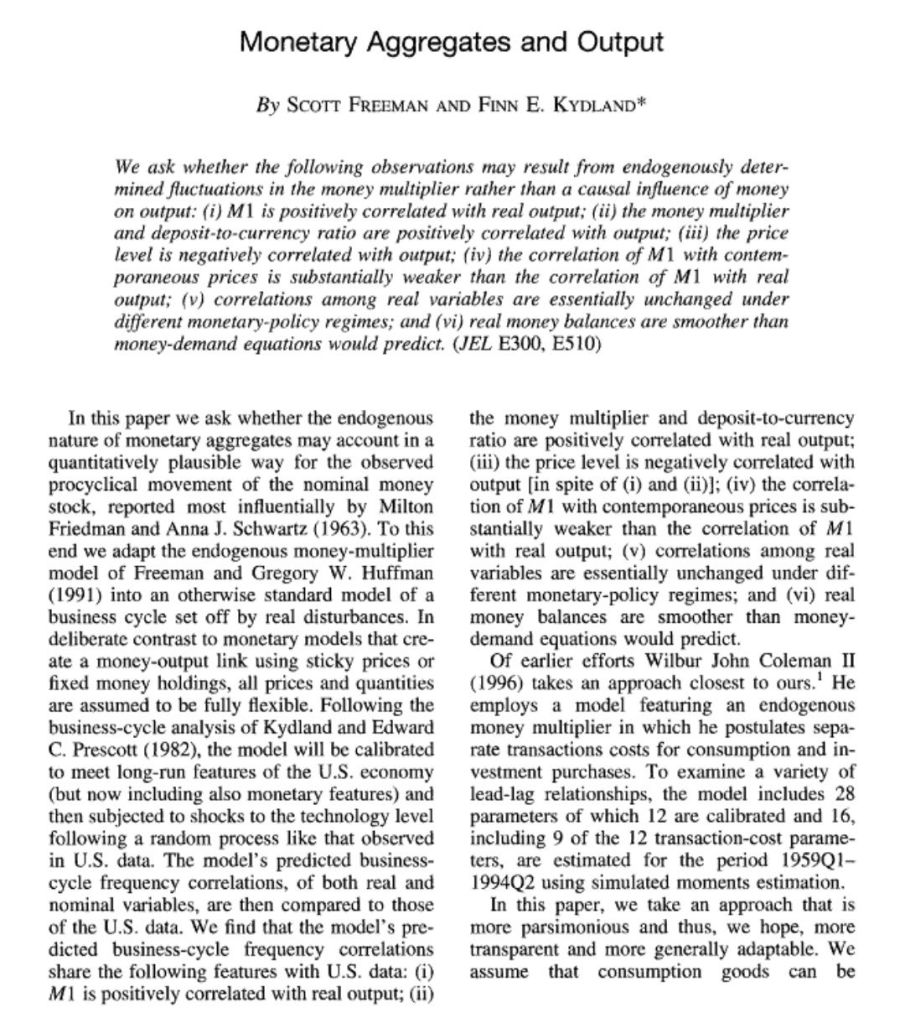
Scott Freeman on monetarism again
20 Sep 2026 Leave a comment
in business cycles, econometerics, economic growth, economic history, history of economic thought, macroeconomics, monetarism, monetary economics Tags: monetary policy
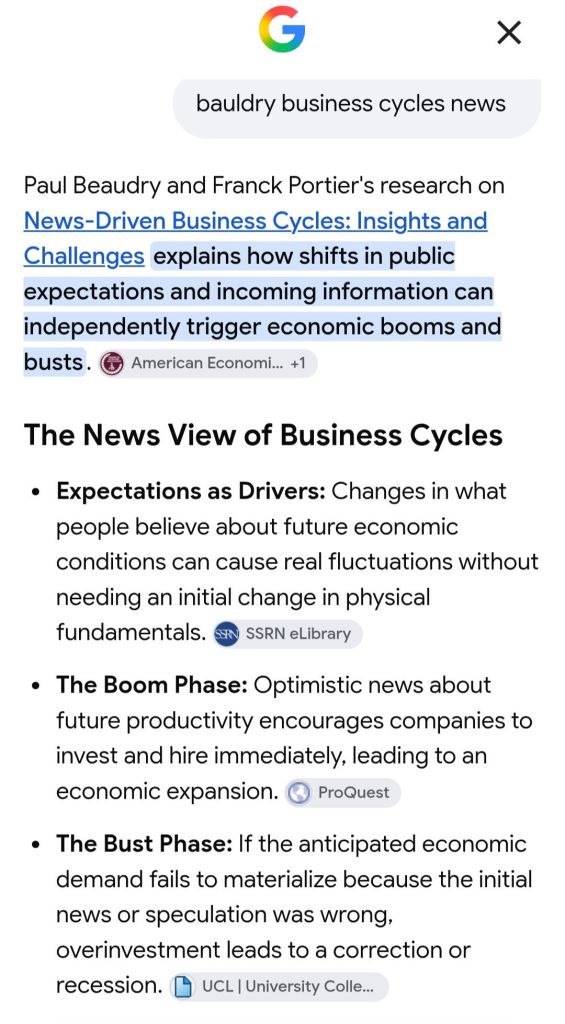
News drives business cycles
19 Sep 2026 Leave a comment
in macroeconomics, economic growth, history of economic thought, business cycles, monetary economics
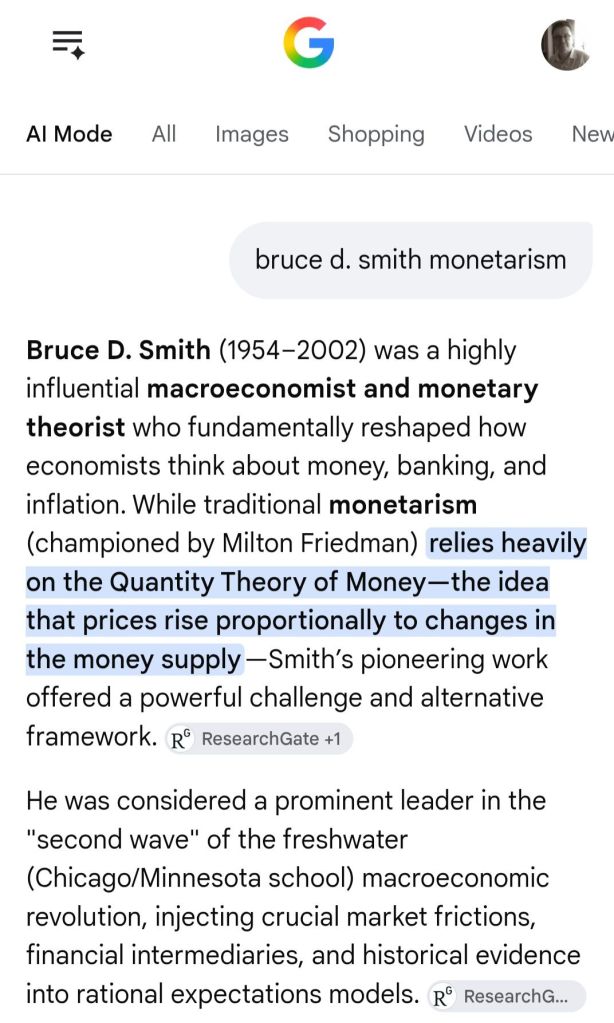
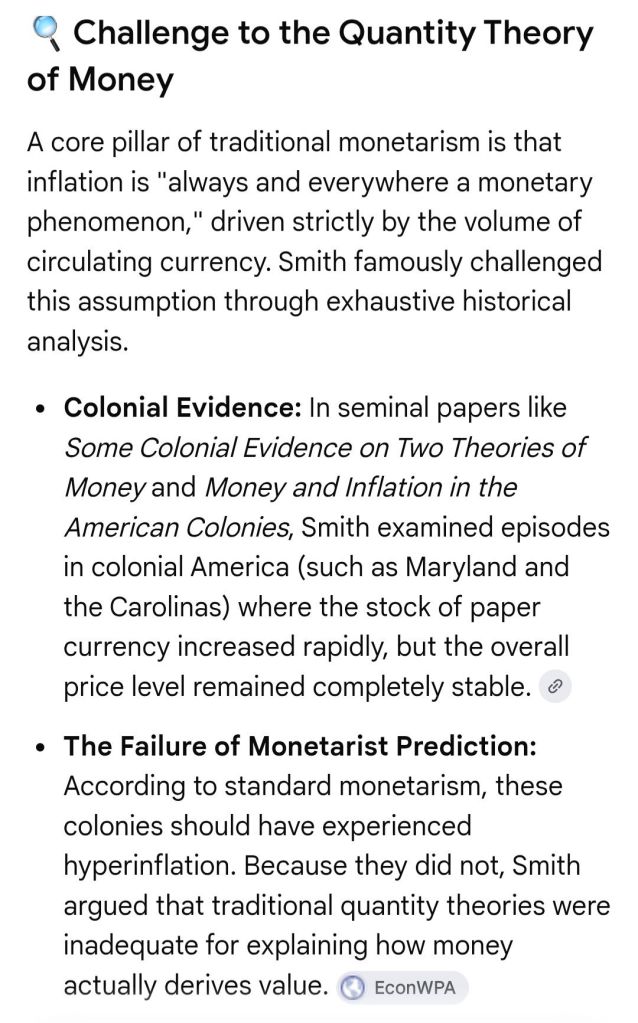
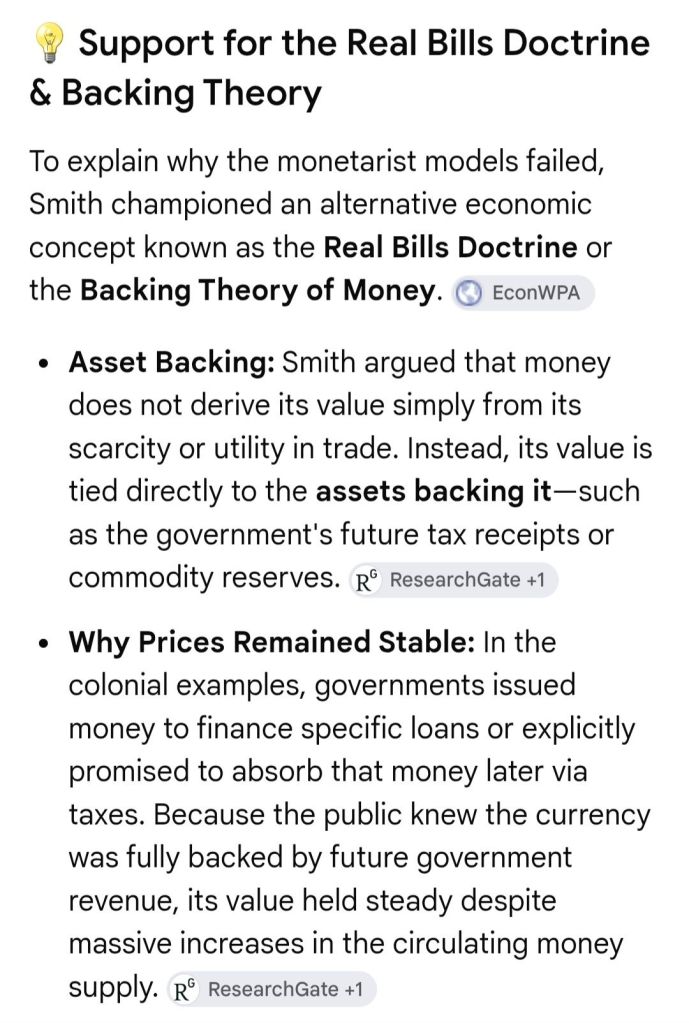
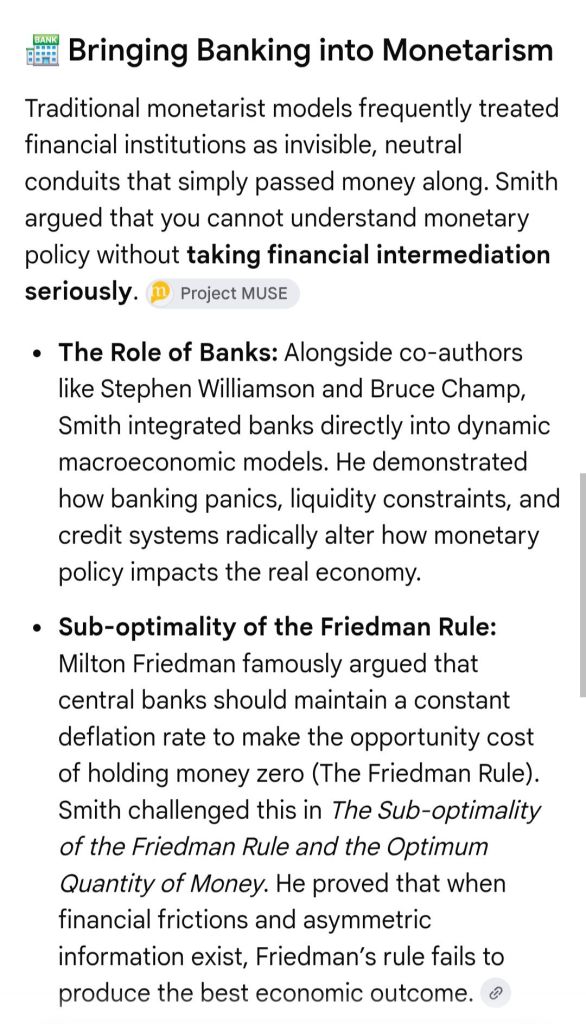
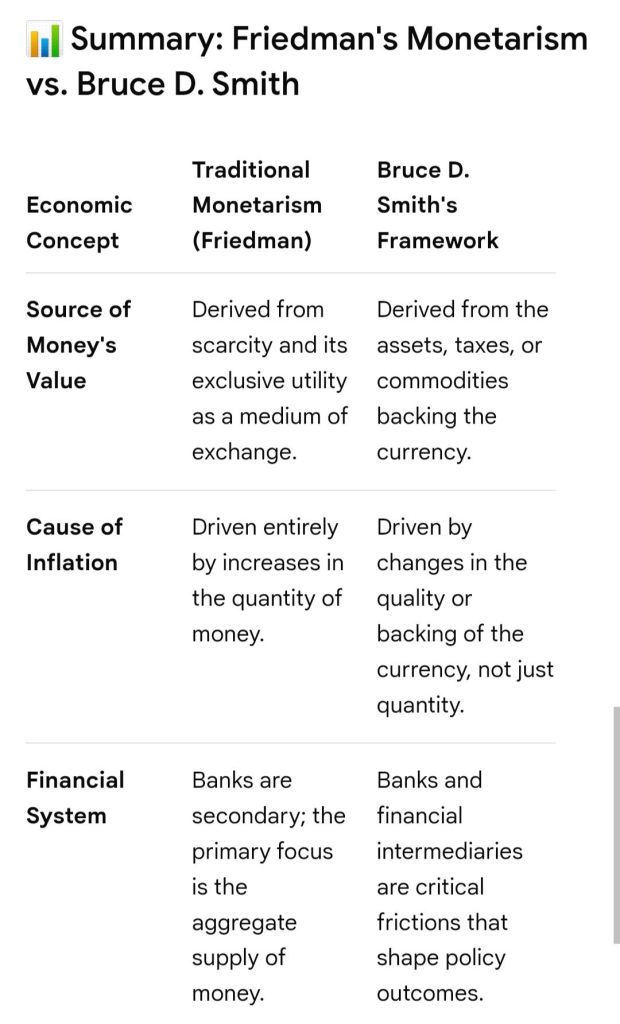
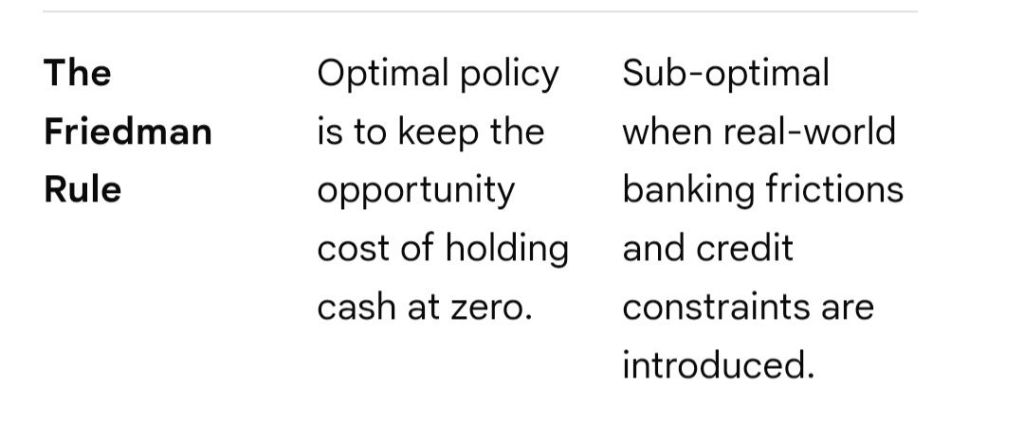
Bruce D. Smith on monetarism
18 Sep 2026 Leave a comment
in applied price theory, budget deficits, fiscal policy, history of economic thought, macroeconomics, Milton Friedman, monetarism, monetary economics Tags: monetary policy
Money and Output: Correlation or Causality? Scott Freeman again
18 Sep 2026 Leave a comment
in applied price theory, business cycles, history of economic thought, macroeconomics, Milton Friedman, monetarism, monetary economics Tags: quantity theory of money
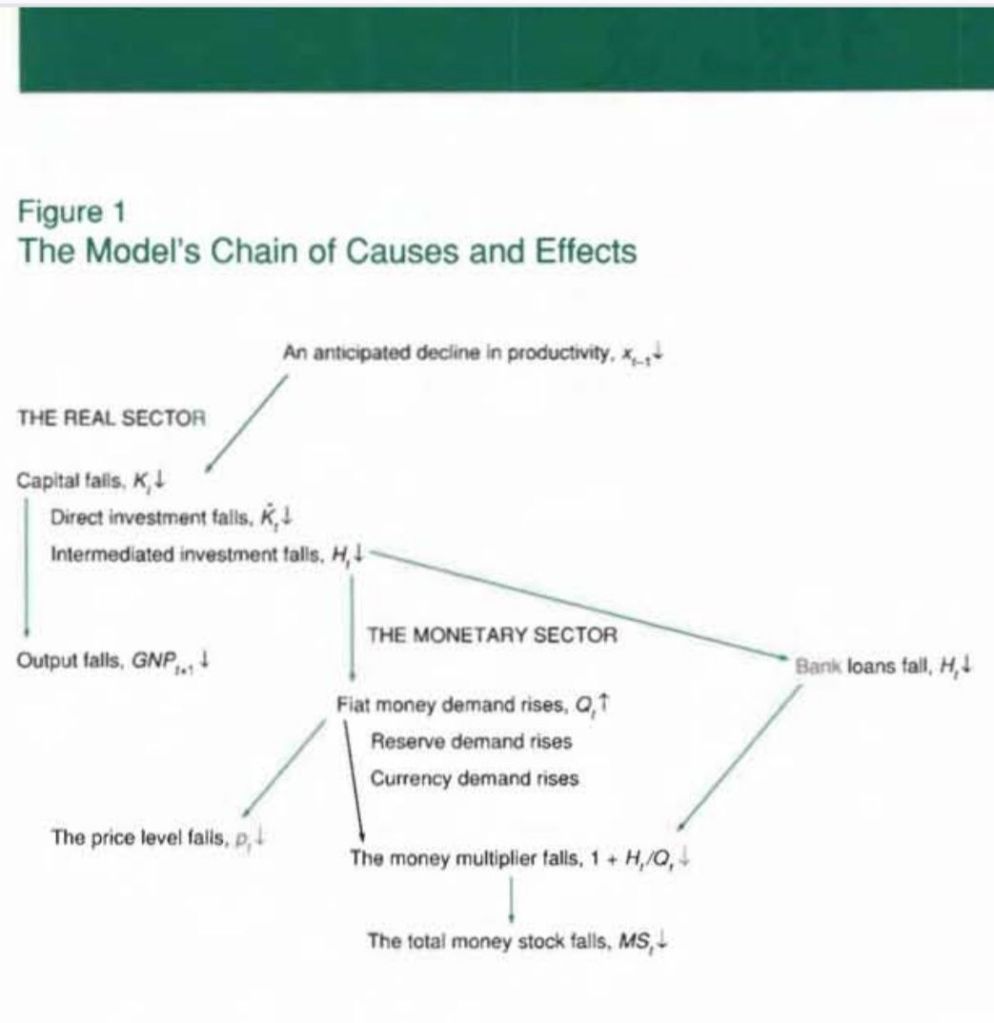
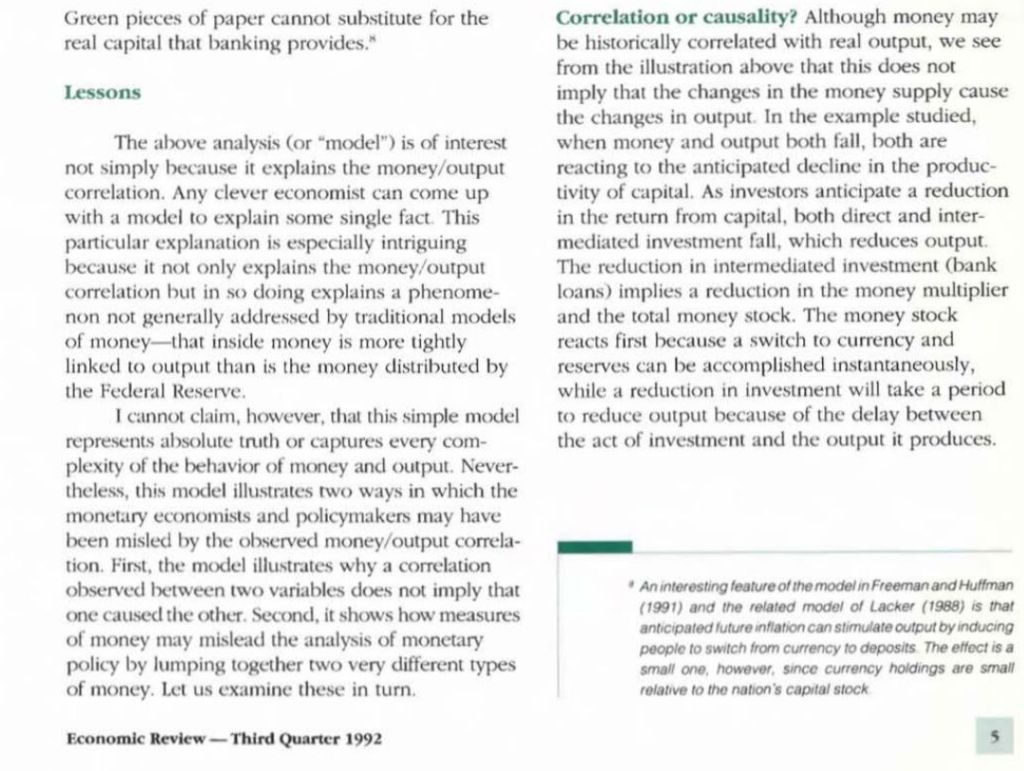
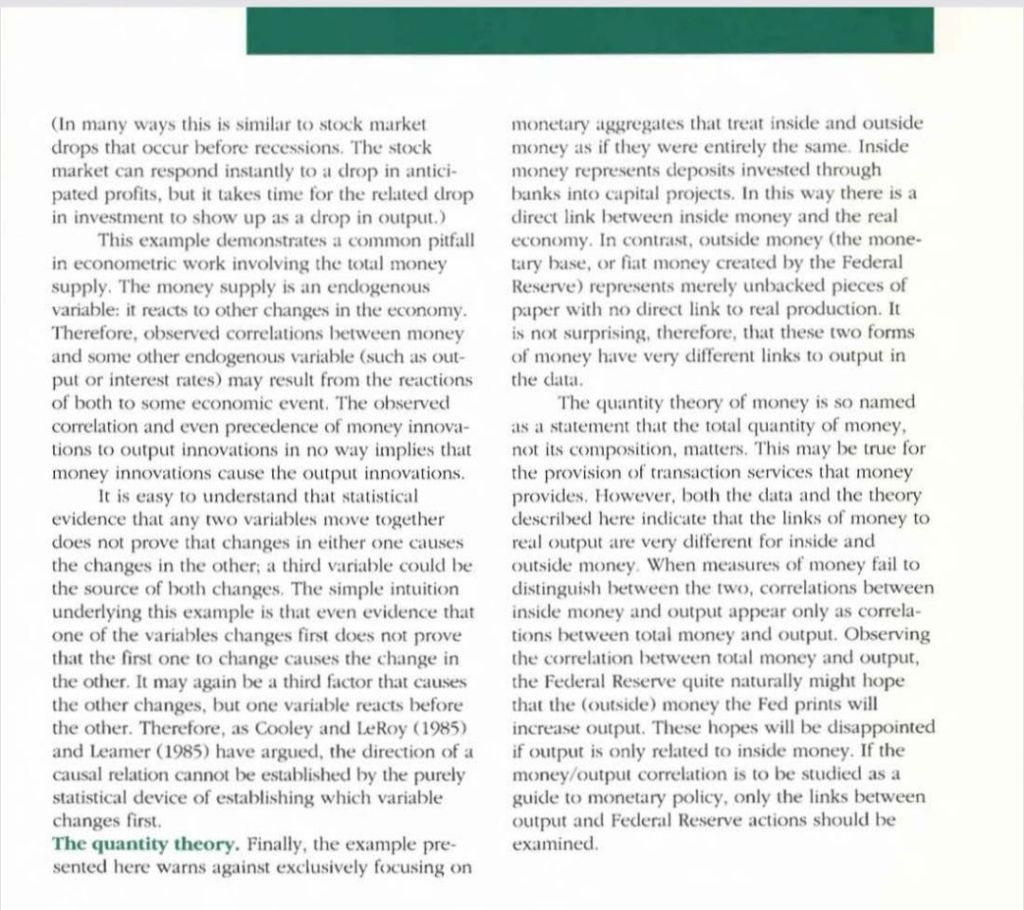
Scott Freeman on monetarism
16 Sep 2026 Leave a comment
in business cycles, econometerics, economic history, history of economic thought, labour economics, macroeconomics, Milton Friedman, monetarism, monetary economics, unemployment Tags: quantity theory of money
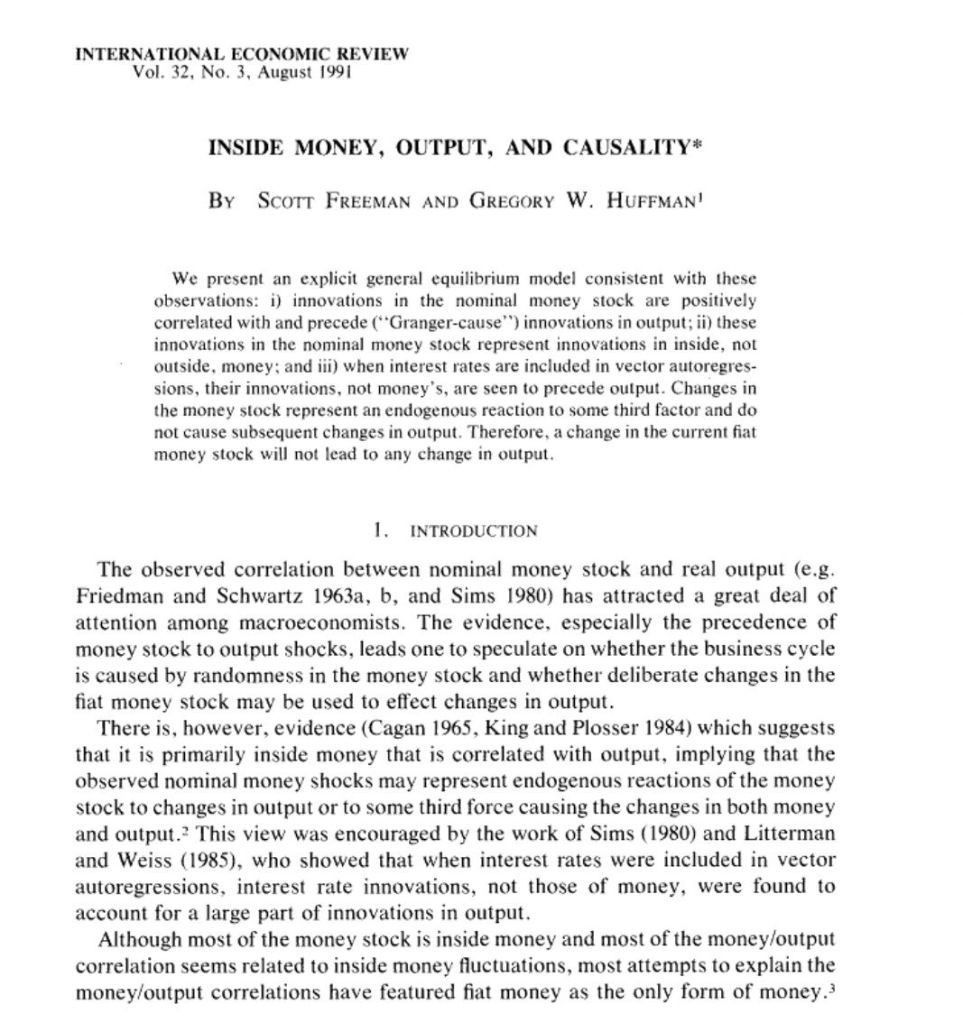
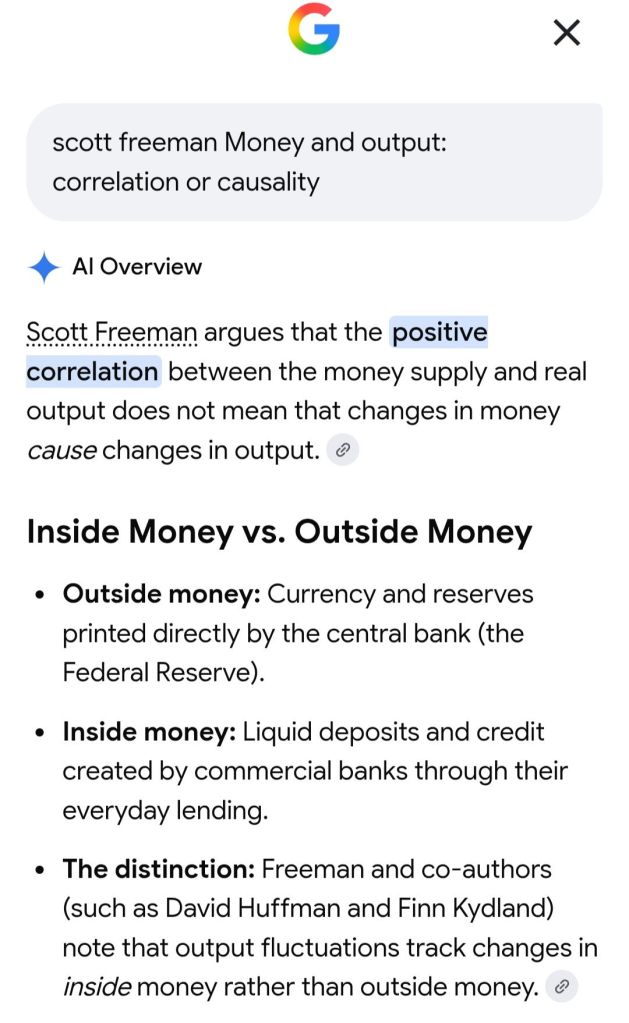
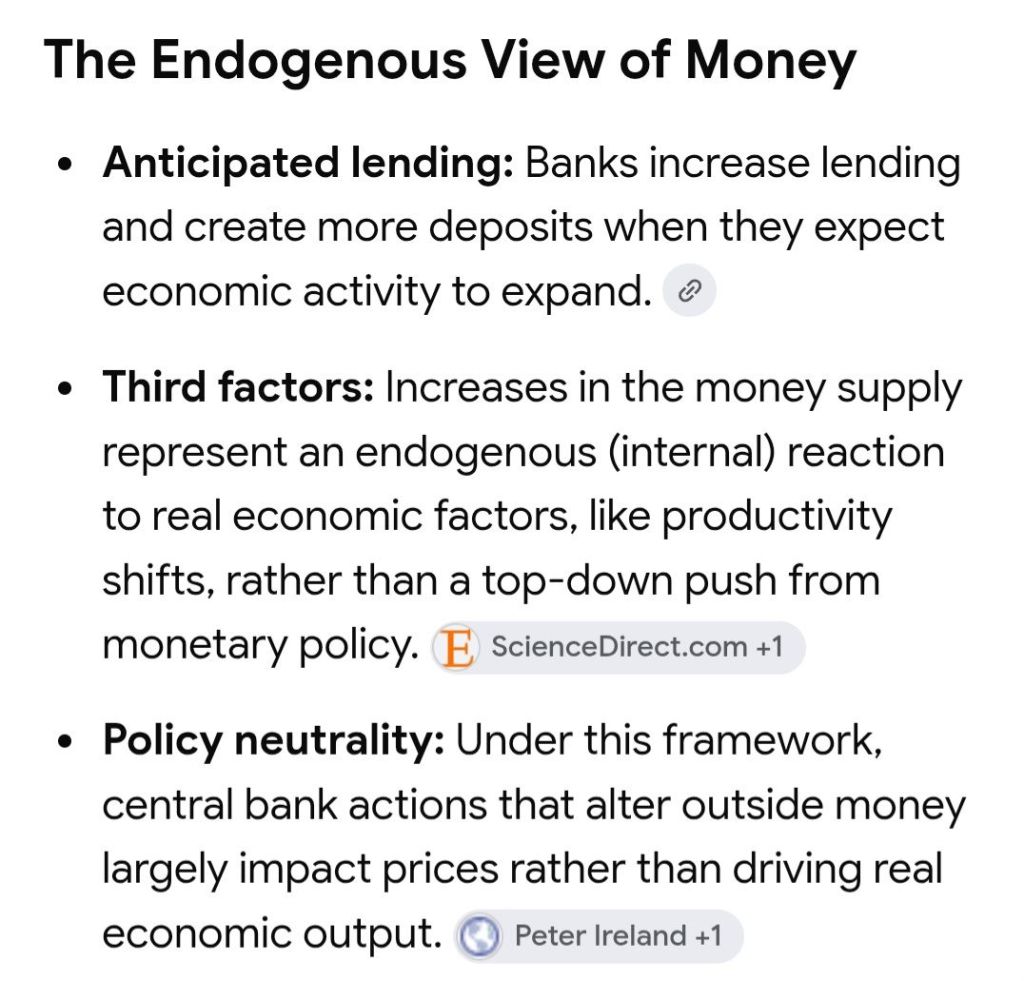
Money and output: correlation or causality
14 Sep 2026 Leave a comment
in applied price theory, business cycles, economic history, financial economics, history of economic thought, macroeconomics, Milton Friedman, monetarism, monetary economics Tags: quantity theory of money
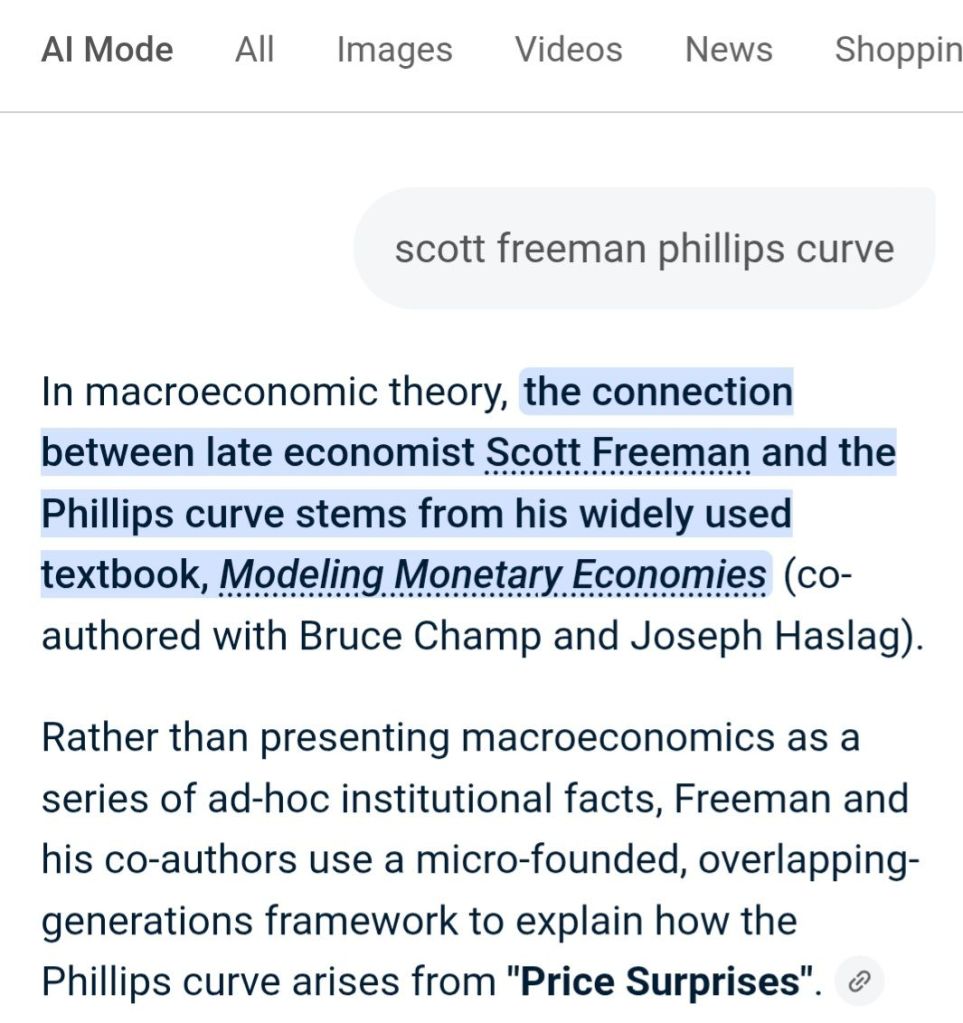
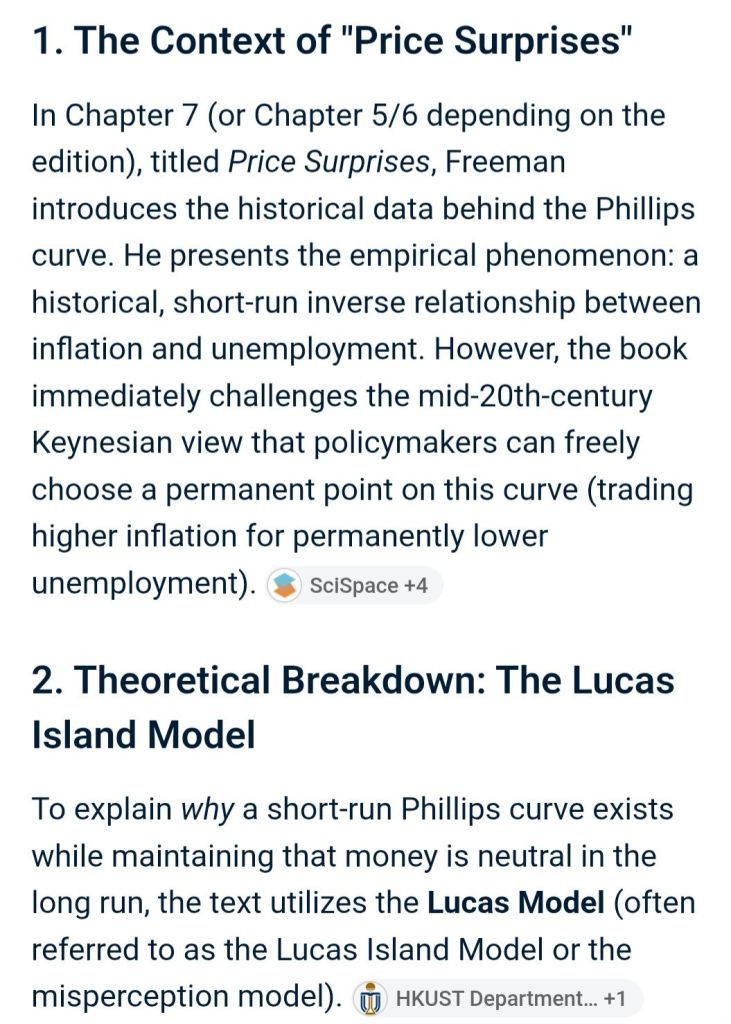
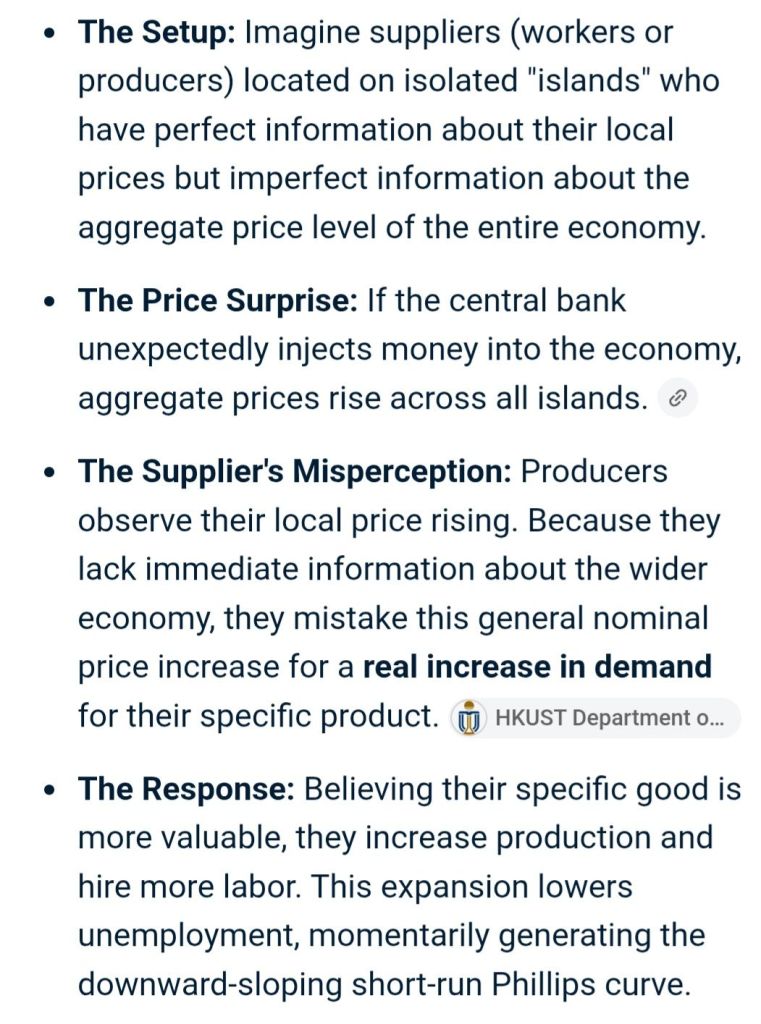
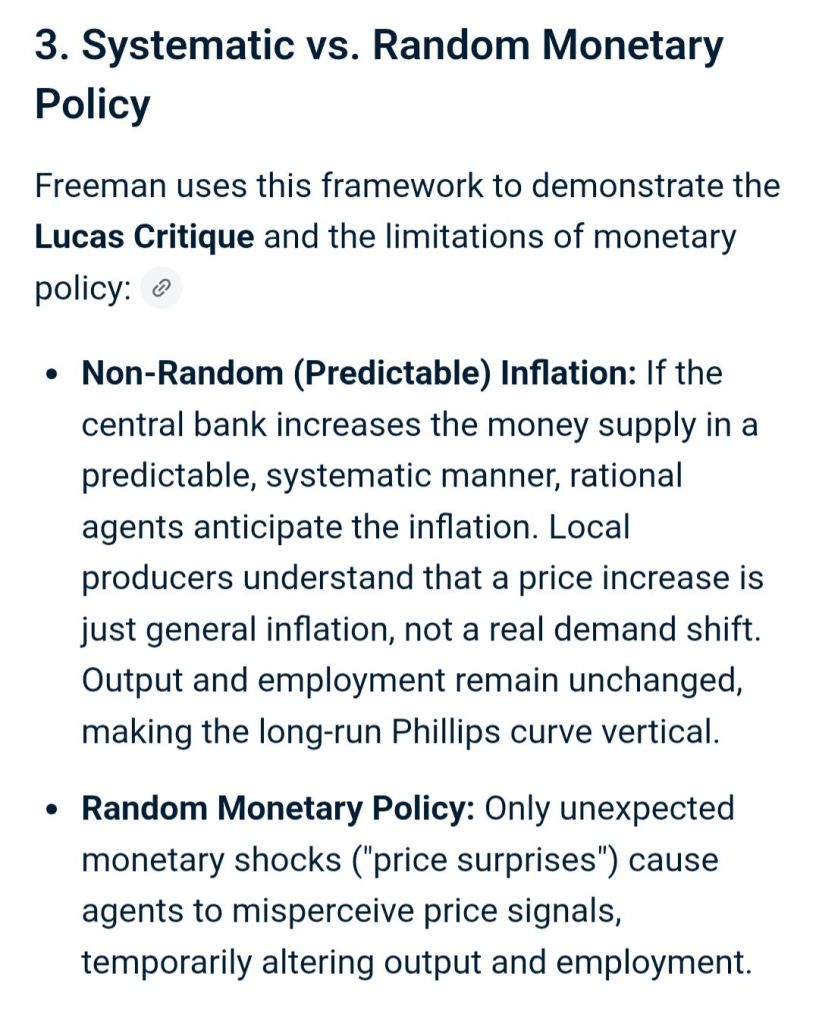
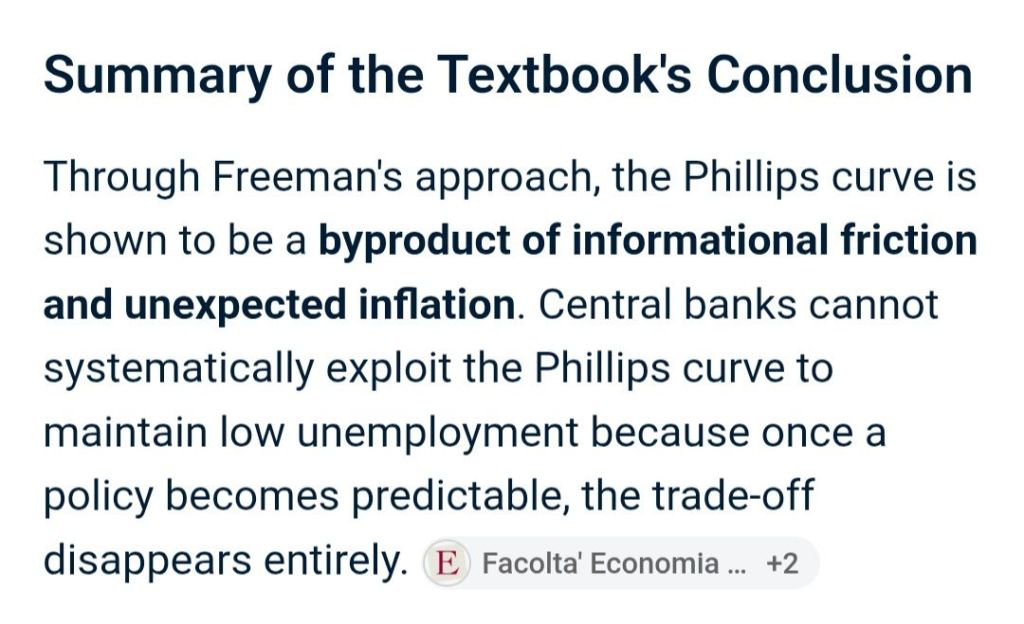
Scott Freeman on the Phillips Curve
13 Sep 2026 Leave a comment
in applied price theory, business cycles, economics of information, history of economic thought, labour economics, labour supply, macroeconomics, Milton Friedman, monetarism, monetary economics, Robert E. Lucas, unemployment
Bruce D. Smith refutes the quantity theory
12 Sep 2026 Leave a comment
in applied price theory, budget deficits, economic history, history of economic thought, macroeconomics, Milton Friedman, monetarism, monetary economics Tags: quantity theory of money


Yet more “pretty (il)legal” stuff from the Reserve Bank
05 Aug 2026 1 Comment
in economics of bureaucracy, inflation targeting, macroeconomics, monetary economics, politics - New Zealand, Public Choice Tags: monetary policy

A month or so ago the Reserve Bank announced the appointment of a new Assistant Governor (a deputy chief executive) responsible for its financial stability functions. That must have prompted a Bloomberg journalist to ask what was happening to the vacant position on the Monetary Policy Committee (given that, previously, Geoff Bascand and then Christian […]
Yet more “pretty (il)legal” stuff from the Reserve Bank
Inflation: the struggle for simplicity
20 Jun 2026 Leave a comment
in inflation targeting, macroeconomics, monetary economics, politics - New Zealand
Why the Reserve Bank must distinguish monetary inflation from supply shocks
Inflation: the struggle for simplicity
On Private Money
28 May 2026 Leave a comment
in applied price theory, economic history, financial economics, history of economic thought, macroeconomics, monetary economics
TweetHere’s a letter to the Wall Street Journal. Editor: Greg Ip’s argument that cryptocurrencies, being privately issued, will fail as money relies heavily on his historical claim that privately issued bank notes in the 19th-century United States failed as money (“Stablecoins Are Private Money. That’s Why They’re a Risk to the Economy.” May 25). Mr.…
On Private Money
Edmund Phelps, 1933-2026
28 May 2026 Leave a comment
in business cycles, history of economic thought, labour economics, macroeconomics, monetary economics, unemployment
Economics has recently lost another of the greats, Nobel Prize-winning economist Edmund Phelps, who passed away last week. Phelps was a macroeconomist, and among his many contributions he helped to formalise the concept of the natural rate of unemployment. Phelps won the Nobel Prize in 2006 for “his analysis of intertemporal tradeoffs in macroeconomic policy”.Surprisingly,…
Edmund Phelps, 1933-2026
Interview with Ellen McGrattan: Business Cycles and Intangible Capital
17 Apr 2026 Leave a comment
in business cycles, Edward Prescott, entrepreneurship, financial economics, global financial crisis (GFC), great recession, history of economic thought, human capital, labour economics, macroeconomics, monetary economics, occupational choice, Robert E. Lucas
Tim Sablik of the Richmond Fed interviews “Ellen McGrattan: On measuring what businesses do, developing effective tax policy, and searching for answers beyond the lamppost” (Econ Focus: Federal Reserve Bank of Richmond, First/Second Quarter 2026). Here are a few of the comments that caught my eye: How did McGrattan become interested in business cycles? In…
Interview with Ellen McGrattan: Business Cycles and Intangible Capital
Bet On It Book Club: For a New Liberty, Chapter 9
11 Apr 2026 Leave a comment
in Austrian economics, business cycles, economic history, history of economic thought, macroeconomics, monetary economics, Murray Rothbard Tags: monetary policy
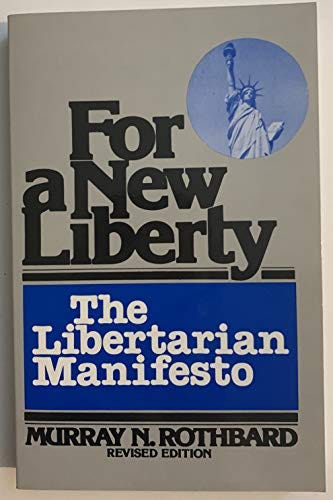
SummaryIn 1973, when the first edition of For a New Liberty was published, Keynesians were still sitting pretty. Five years later, the Keynesians had so much egg on their faces that Rothbard was inspired to add this entirely new chapter on “Inflation and the Business Cycle: The Collapse of the Keynesian Paradigm” to his revised…
Bet On It Book Club: For a New Liberty, Chapter 9


Recent Comments