
A Day in the Life of a Socialist Citizen | Michael Walzer (1968) Dissent Magazine
03 May 2020 Leave a comment
in comparative institutional analysis, constitutional political economy, economics of bureaucracy, industrial organisation, labour supply, law and economics, managerial economics, Marxist economics, occupational choice, organisational economics, poverty and inequality, property rights, Public Choice, theory of the firm Tags: offsetting behaviour, The fatal conceit, unintended consequences

Myth of the Rational Voter
02 May 2020 Leave a comment
in applied price theory, economics of bureaucracy, economics of crime, economics of education, economics of information, economics of regulation, election campaigns, energy economics, environmental economics, history of economic thought, income redistribution, industrial organisation, international economics, labour economics, labour supply, law and economics, managerial economics, market efficiency, Marxist economics, minimum wage, organisational economics, personnel economics, politics - USA, population economics, property rights, Public Choice, public economics, rentseeking, resource economics, theory of the firm, transport economics, urban economics, welfare reform Tags: anti-foreign bias, anti-market bias, make-work bias, pessimism bias, rational ignorance, rational irrationality, regressive left
Agent-Based Modelling – 4.6.2 – Thomas Schelling, Part 1
20 Apr 2020 Leave a comment
in applied price theory, defence economics, economics of information, industrial organisation, labour economics, law and economics, managerial economics, organisational economics, Public Choice Tags: game theory
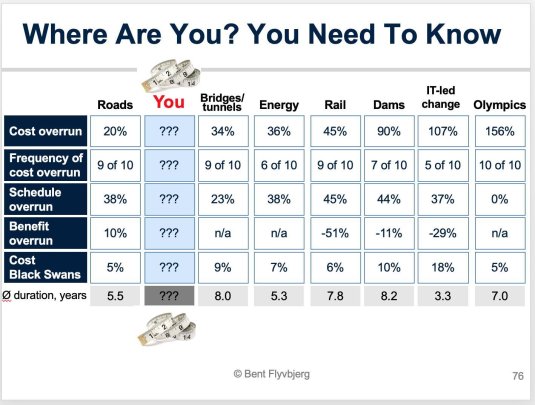
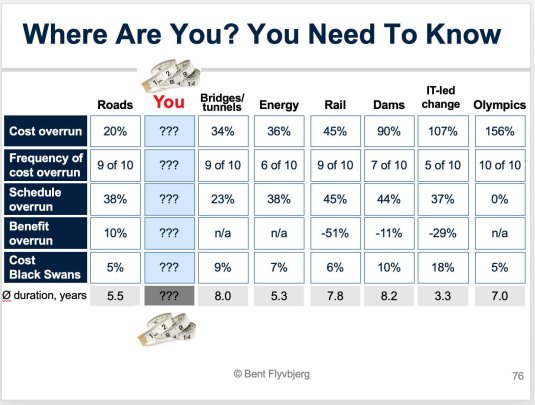
Infrastructure spending is back in the news @jamespeshaw @NZGreens @TaxpayersUmion
19 Apr 2020 Leave a comment
in economic history, economics of bureaucracy, fiscal policy, industrial organisation, managerial economics, organisational economics, politics - New Zealand, Public Choice, rentseeking, transport economics, urban economics Tags: megaprojects, The fatal conceit
Alfred Marshall on state ownership
17 Apr 2020 Leave a comment
in Alfred Marshall, applied price theory, comparative institutional analysis, economics of bureaucracy, history of economic thought, industrial organisation, law and economics, managerial economics, market efficiency, organisational economics, personnel economics, privatisation, property rights, Public Choice, public economics, survivor principle Tags: offsetting behaviour, state ownership, The fatal conceit, unintended consequences

Steve Davis: How has #COVID19 affected businesses?
16 Apr 2020 Leave a comment
in business cycles, econometerics, economic growth, economics of natural disasters, health economics, labour economics, labour supply, macroeconomics, managerial economics, organisational economics, personnel economics Tags: economics of pandemics
Eamonn Butler on the knowledge problem
31 Mar 2020 Leave a comment
in Austrian economics, comparative institutional analysis, economics of bureaucracy, economics of regulation, entrepreneurship, history of economic thought, industrial organisation, law and economics, managerial economics, organisational economics, property rights, Public Choice, survivor principle Tags: offsetting behaviour, The fatal conceit, The pretence of knowledge, unintended consequences
How The Ford Model T Took Over The World
26 Mar 2020 Leave a comment
in economic history, entrepreneurship, industrial organisation, managerial economics, organisational economics, personnel economics, survivor principle Tags: mass production
.@Bryan_Caplan’s best presentation of the case against education
18 Mar 2020 Leave a comment
in applied price theory, applied welfare economics, comparative institutional analysis, economics of education, economics of information, history of economic thought, human capital, income redistribution, industrial organisation, labour economics, labour supply, managerial economics, occupational choice, organisational economics, personnel economics, Public Choice, public economics, rentseeking, survivor principle Tags: adverse selection, asymmetric information, College premium, graduate premium, screening, self-selection, signaling
Share buybacks limit free cash and managerial excesses
18 Mar 2020 Leave a comment
in economics of information, entrepreneurship, financial economics, industrial organisation, labour economics, law and economics, managerial economics, organisational economics, property rights, survivor principle, theory of the firm Tags: agent principal problem


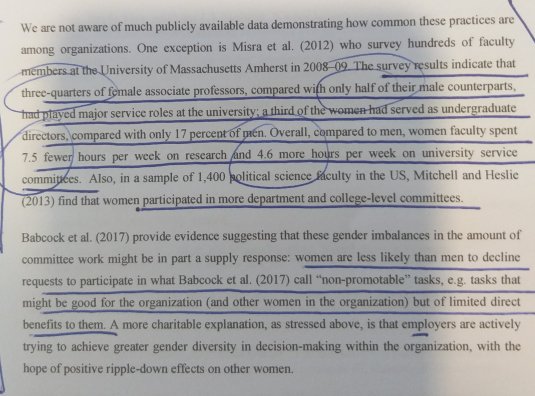
Bertrand on gender diversity programs intensifying the glass ceiling
14 Mar 2020 Leave a comment
in discrimination, economics of education, gender, human capital, labour economics, labour supply, managerial economics, occupational choice, organisational economics, personnel economics Tags: affirmative action, gender wage gap, glass ceiling, offsetting behaviour, sex discrimination, The fatal conceit, unintended consequences
Dumbest #COVID19 idea yet
12 Mar 2020 Leave a comment
in economics of bureaucracy, entrepreneurship, health economics, income redistribution, industrial organisation, law and economics, managerial economics, Marxist economics, organisational economics, politics - Australia, politics - New Zealand, politics - USA, property rights, Public Choice, public economics, rentseeking, survivor principle, theory of the firm Tags: creative destruction, economics of pandemics, endogenous growth theory, patents and copyright

 Utopia, you are standing in it!
Recent Comments