Stuff reports: Moral and health-related objections to fast food should not be considered in a hearing for a proposed Wānaka McDonald’s, the company claims. Neither was the perception of McDonald’s as a large corporate that should not be allowed to exist, legal representative Jeremy Brabant said at the resource consent hearing which opened on Monday.…
Snobbery
Snobbery
06 Dec 2024 Leave a comment
in health economics, politics - New Zealand Tags: nanny state
Cost of switching off UK wind farms soars to ‘absurd’ £1bn
05 Dec 2024 1 Comment
in economics of climate change, energy economics, environmental economics, environmentalism, global warming Tags: British politics, wind power

By Paul Homewood h/t Paul Kolk British bill payers have spent an “absurd” £1bn to temporarily switch off wind turbines so far this year as the grid struggles to cope with their power. The amount of wind power “curtailed” in the first 11 months of 2024 stood at about 6.6 terawatt hours (TWh), […]
Cost of switching off UK wind farms soars to ‘absurd’ £1bn
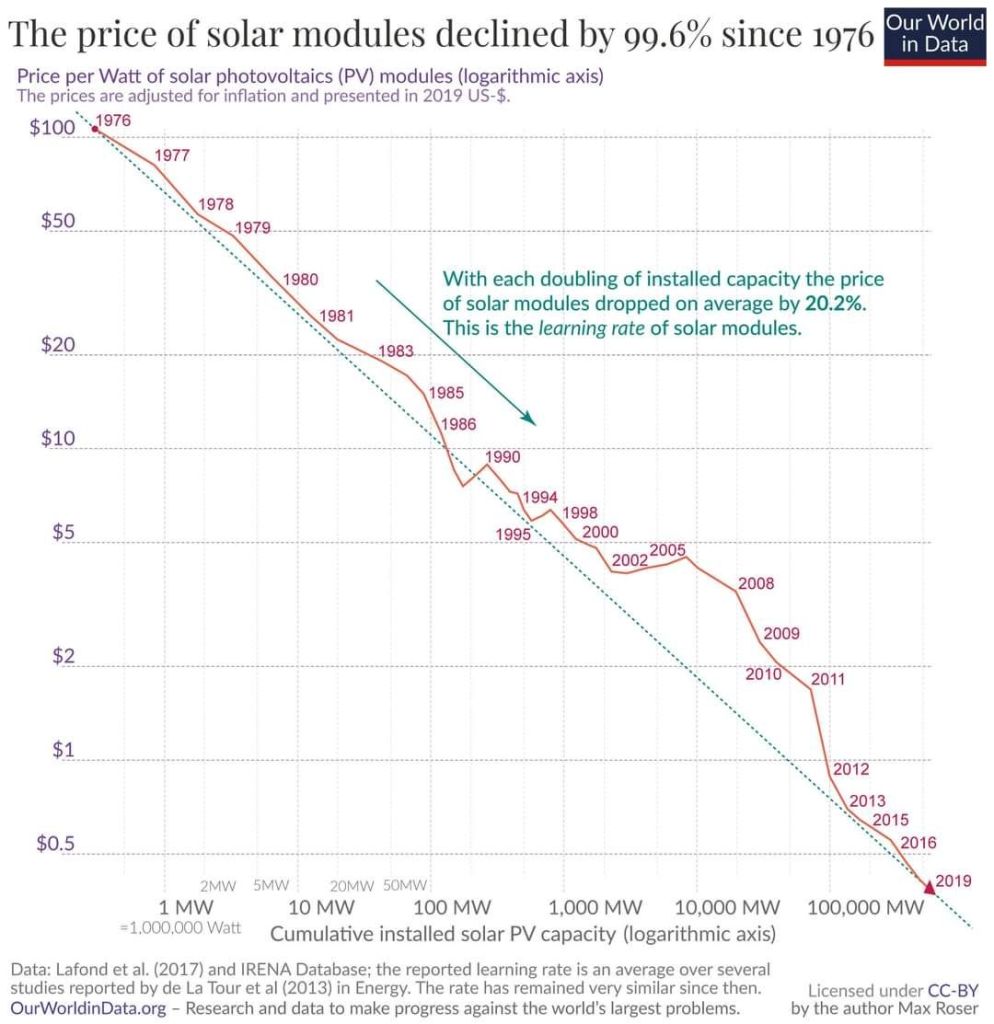
What is the price of production at nighttime?
05 Dec 2024 Leave a comment
in economics of climate change, energy economics, entrepreneurship, environmental economics, environmentalism, global warming, Public Choice, rentseeking Tags: solar power
Are protection orders worth anything?
05 Dec 2024 Leave a comment
in discrimination, economics of crime, gender, law and economics, politics - New Zealand Tags: crime and punishment, criminal deterrence, law and order
The Spinoff has an article by Zeni Gibson which details eight years of harassment by a man called Greg. Her suffering has been appalling, and hey tormenter has made a mockery of the law that should be protecting her. I can’t even summarise all the multiple failings, but it sadly doesn’t surprise me. There have…
Are protection orders worth anything?
Andrew Le Sueur: Finally, separation of powers in Jersey?
05 Dec 2024 Leave a comment
in comparative institutional analysis, constitutional political economy, economic history, economics of bureaucracy, economics of crime, law and economics, property rights, Public Choice, public economics Tags: British politics, constitutional law

The question of separating constitutional powers in Jersey is more complex than it appears. Here’s why. Jersey and Guernsey are unique globally in having constitutions that in the ancient office of Bailiff fuse together the roles of chief justice and presiding officer of their respective courts and parliaments. As I argue, this is further complicated […]
Andrew Le Sueur: Finally, separation of powers in Jersey?
Misuse of land use planning
05 Dec 2024 Leave a comment
in economics of bureaucracy, economics of regulation, health economics, industrial organisation, law and economics, politics - New Zealand, property rights, Public Choice, rentseeking Tags: nanny state, zoning
If you thought McDonald’s was some kind of public health hazard, using processes under the Resource Management Act to try to block one from opening in Wanaka would be among the stupidest possible ways of dealing with it. The country already has food safety regulations. If you thought that (in fact delicious and fine) McDonald’s food…
Misuse of land use planning
The end of oil?
05 Dec 2024 Leave a comment
in applied price theory, econometerics, economics of climate change, energy economics, environmental economics, environmentalism, global warming, law and economics, politics - USA, property rights, Public Choice, rentseeking, resource economics Tags: peak oil
It is now plausible to envision scenarios in which global demand for crude oil falls to essentially zero by the end of this century, driven by improvements in clean energy technologies, adoption of stringent climate policies, or both. This paper asks what such a demand decline, when anticipated, might mean for global oil supply. One […]
The end of oil?
Why Are UK Electricity Prices So High?
04 Dec 2024 Leave a comment
in economics of climate change, energy economics, environmental economics, environmentalism, global warming Tags: British politics, celebrity technologies, solar power, wind power

By Paul Homewood . As we are well aware, the UK has some of the highest electricity prices in the world. It is commonly claimed that the rapid price rise in recent years has been driven by the soaring price of natural gas. In fact, this is only a small part of the story. I […]
Why Are UK Electricity Prices So High?
The Missing Myths
04 Dec 2024 Leave a comment
in applied price theory, comparative institutional analysis, constitutional political economy, discrimination, economic history, economics of climate change, economics of information, economics of media and culture, economics of regulation, energy economics, entrepreneurship, environmental economics, environmentalism, financial economics, gender, global warming, health economics, human capital, income redistribution, labour economics, labour supply, law and economics, liberalism, libertarianism, Marxist economics, occupational choice, politics - USA, poverty and inequality, property rights, Public Choice, rentseeking Tags: Age of Enlightenment, crime and punishment, criminal deterrence, free speech, gender wage gap, law and order, political correctness, racial discrimination, regressive left, sex discrimination
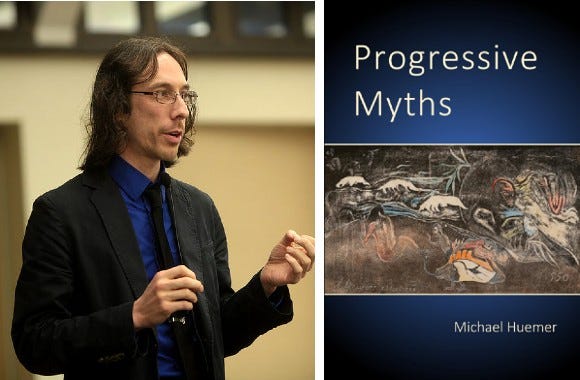
Michael Huemer’s Progressive Myths is the best book on wokeness. One of its many strengths is its focus on basic facts. As the author explains:I have selected beliefs that can be debunked fairly quickly and forcefully. Many other progressive beliefs require long argumentation and subjective judgment calls to assess. About these more difficult issues, I…
The Missing Myths
The South Korean autogolpe attempt
04 Dec 2024 Leave a comment
in development economics, economics of crime, growth miracles, law and economics Tags: South Korea
South Korean President Yoon Suk-yeol, elected in 2022, declared martial law. Given the conditions for which martial law is justified in the constitution (see below) were clearly not in place, this was a power usurpation–an autogolpe. Or an attempted one. It collapsed within about a matter of hours, with the National Assembly voting to annul […]
The South Korean autogolpe attempt
The no-confidence vote in France
04 Dec 2024 Leave a comment
in comparative institutional analysis, constitutional political economy, fiscal policy, law and economics, macroeconomics Tags: France
The French National Assembly is scheduled to vote tomorrow (4 Dec.) on a vote of no confidence against the government of Premier Michel Barnier. The premier has been in office only three months, having been appointed following (with some lag) the snap election President Emmanuel Macron had called in July, and which–predictably, given the timing–did […]
The no-confidence vote in France
Paul Krugman Is Right…albeit Selectively and Hypocritically
04 Dec 2024 Leave a comment
in applied price theory, comparative institutional analysis, economic history, economics of bureaucracy, economics of regulation, entrepreneurship, income redistribution, industrial organisation, international economics, law and economics, politics - USA, property rights, Public Choice, public economics, rentseeking Tags: tarrifs
I like profits. But let me qualify that statement. I like profits that are the result of businesses providing goods and services that consumers value. Those profits are earned. By contrast, I don’t like it when businesses get in bed with government and get money via cronyism, bailouts, subsidies, protectionism, or industrial policy. Those profits […]
Paul Krugman Is Right…albeit Selectively and Hypocritically
Germany chart of the day
04 Dec 2024 Leave a comment
in economic growth, health economics, macroeconomics Tags: economics of pandemics, Germany
Here is the link.
Germany chart of the day
Will politicians learn anything from the first Covid Response report?
04 Dec 2024 Leave a comment
in economics of regulation, health economics, politics - New Zealand Tags: economics of pandemics
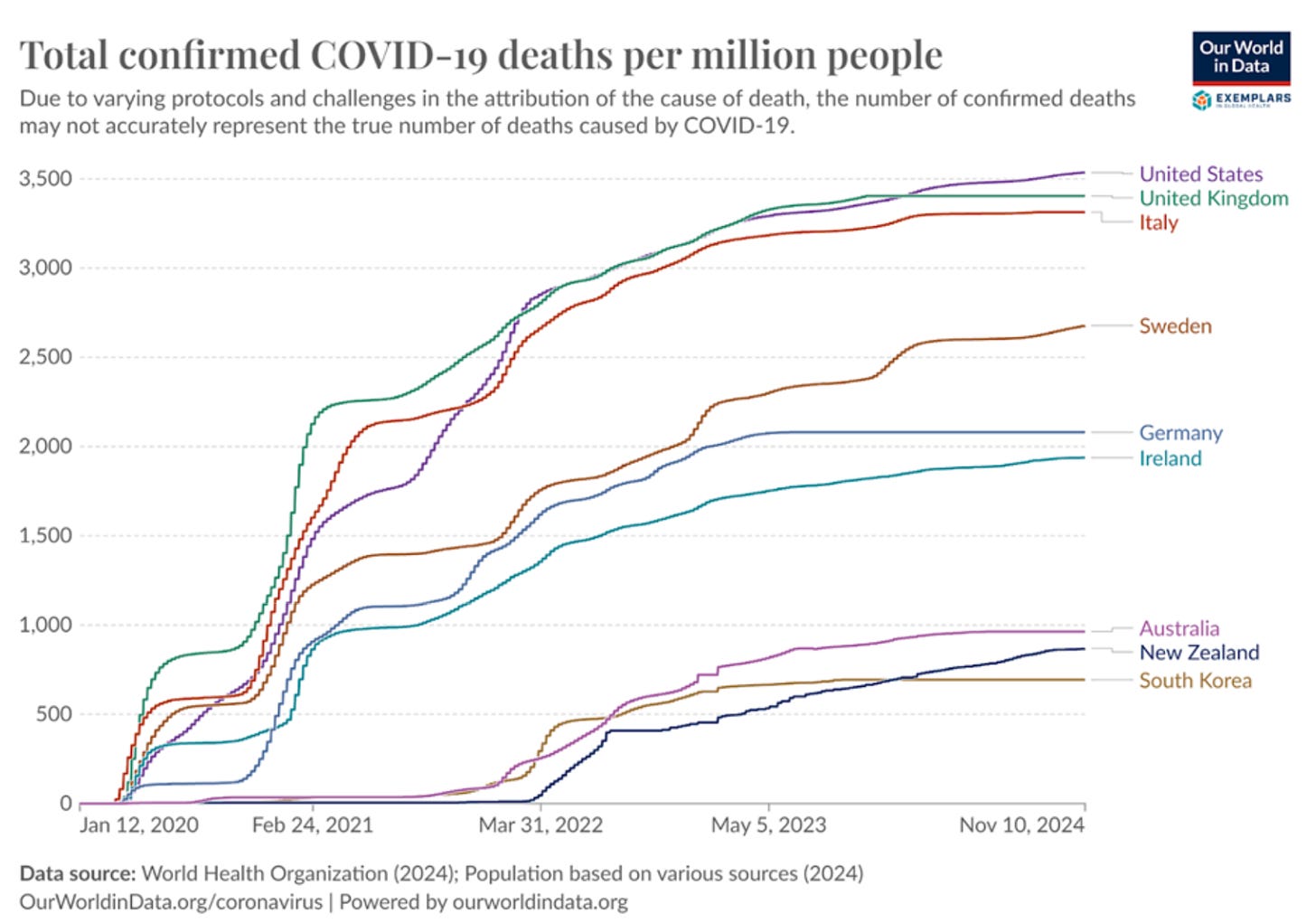
Bryce Edwards writes – Any criticism of New Zealand’s Covid response needs to begin by acknowledging its success. Our total confirmed deaths per million people is far lower than those of many peer nations. But we’re still living with the cost of that response: reduced trust in institutions and deeper social division; years of […]
Will politicians learn anything from the first Covid Response report?
Sabotaging productivity
03 Dec 2024 Leave a comment
in applied price theory, economics of bureaucracy, economics of regulation, health economics, law and economics, politics - New Zealand, property rights, Public Choice, rentseeking, urban economics Tags: land supply, nanny state, zoning
Is there any better – or should that be worse? – example of how the consenting process sabotages productivity than the current hearings on McDonalds’ application to open in Wanaka? Public submissions were sought, and of the 366 made, 339 were opposed, 21 in support and six wanted changes to the plan. Among the submissions […]
Sabotaging productivity
 Utopia, you are standing in it!
Recent Comments