Thomas Sowell – Race and Economics
07 Sep 2019 Leave a comment
in discrimination, economic history, economics of education, human capital, labour economics, labour supply, law and economics, occupational choice, occupational regulation, politics - USA, poverty and inequality, property rights, Thomas Sowell, unemployment, unions, welfare reform Tags: racial discrimination
The Stinky Reputation of 17th Century Versailles
07 Sep 2019 Leave a comment
in economic history, health economics Tags: France
Isn’t being trans just about believing in gender stereotypes?
07 Sep 2019 Leave a comment

Gender stereotypes are incredibly damaging for children and can have a lifelong impact on them. The claim that transgender ideology perpetuates and entrenches stereotypes is pervasive, so much so that Scottish Transgender Alliance (STA) and the Equality Network have produced a frequently asked question (FAQ) on this subject- “Isn’t being trans just about believing in gender stereotypes?”
They answer the question as follows:
“It does a disservice to the trans community to imply that we uphold gender stereotypes more than others, or that we reinforce gender stereotypes by transitioning. Often, trans people feel immensely pressured to conform togender stereotypes in order to have who they are taken seriously. Our safety and acceptance often depends on whether wider society considers us to be striving hard enough to embody “typical womanhood” or “typical manhood”.
“As a society, we all perpetuate gender stereotypes to different degrees. This is…
View original post 3,546 more words
Behind the lies of Holocaust denial | Deborah Lipstadt
07 Sep 2019 Leave a comment
in defence economics, economics of crime, economics of education, economics of information, law and economics, laws of war, movies, war and peace Tags: The Holocaust
Is China Fudging Its GDP Figures? Evidence from Trading Partner Data
06 Sep 2019 Leave a comment

John G. Fernald, Eric Hsu, and Mark M. Spiegel in this FRBSF paper:
We propose using imports, measured as reported exports of trading partners, as an alternative benchmark to gauge the accuracy of alternative Chinese indicators (including GDP) of fluctuations in economic activity. Externally-reported imports are likely to be relatively well measured, as well as free from domestic manipulation. Using principal components, we derive activity indices from a wide range of indicators and examine their fit to (trading-partner reported) imports. We choose a preferred index of eight non-GDP indicators (which we call the China Cyclical Activity Tracker, or C-CAT). Comparison with that index and others indicate that Chinese statistics have broadly become more reliable in measuring cyclical fluctuations over time. However, GDP adds little information relative to combinations of other indicators. Moreover, since 2013, Chinese GDP growth has shown little volatility around a gradually slowing trend. Other measures, including…
View original post 226 more words
Anyone this fragile should not be making long-term decisions
06 Sep 2019 Leave a comment
in health economics, law and economics, politics - New Zealand, politics - USA
@uklabour is using a Communist to promote voting! Difference between a communist and a socialist is communists shoot their political opponents. That is the only difference.
06 Sep 2019 Leave a comment
in Marxist economics, Public Choice

Been There, Done That. Doesn’t Work!
06 Sep 2019 Leave a comment


Environmentalists have long been sure that if we could just eliminate things that are not “natural” from our lives, live in harmony with nature, then the world would be a better place. Relying on the Sun and the Wind were right at the top of the list. We should eliminate chemicals from our diet, stop cutting down trees, save endangered species but stop putting animals in cages, and just quit eating meat. The very word “natural” moved right to the top of the advertising buzz-word list.
So it is no surprise that in the panic about Global Warming, which was the next big thing after we stopped panicking about a new ice age in the 1970s, and the threat of a nuclear winter receded, we turned to trying to harness the power of the sun. Sensible people pointed out that the power of the sun was very diffuse, the sun…
View original post 714 more words
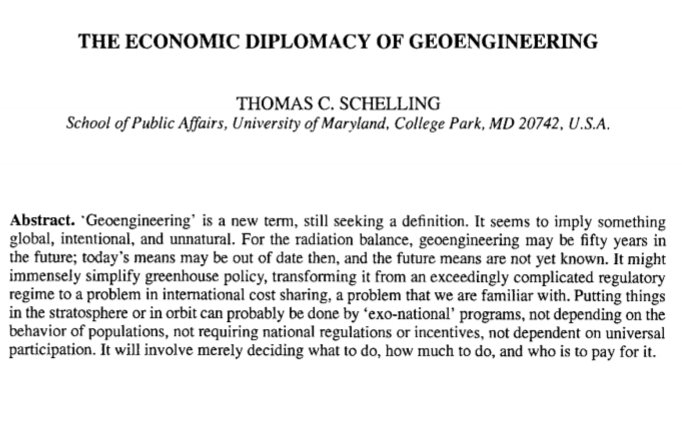
The solution to the #ClimateEmergency is at hand but is ignored because it might work @jamespeshaw @greenpeace
06 Sep 2019 Leave a comment
in applied welfare economics, comparative institutional analysis, economics of information, economics of regulation, energy economics, environmental economics, global warming, international economic law, International law, politics - Australia, politics - New Zealand, politics - USA, Public Choice, Thomas Schelling Tags: international public goods
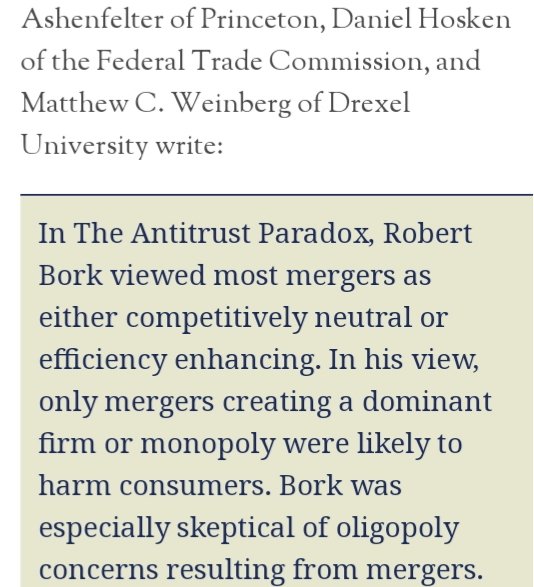
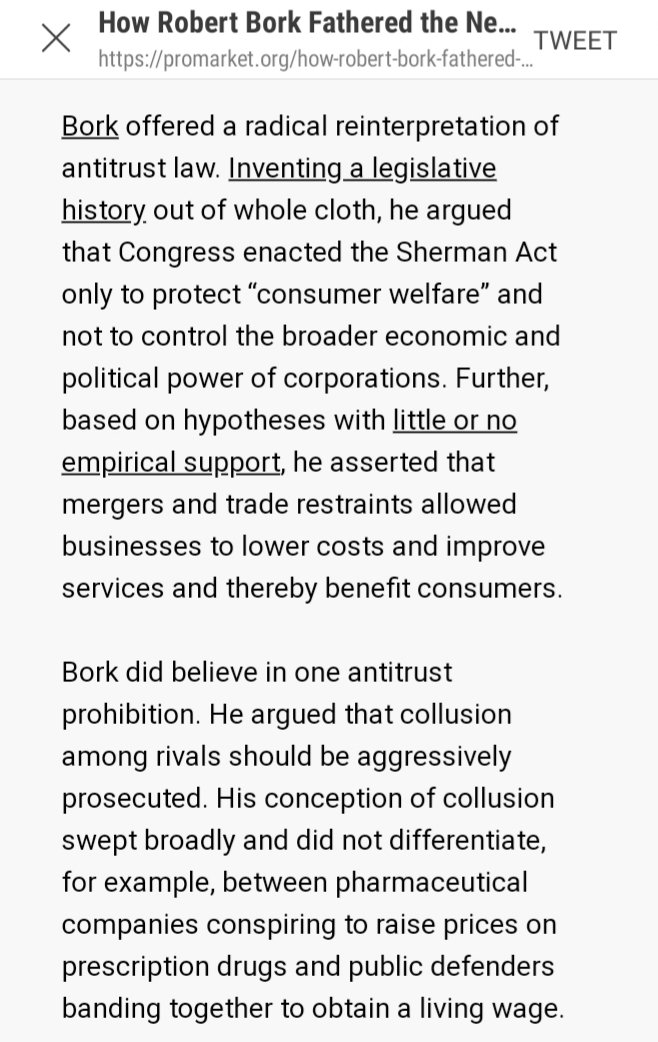
@sandeepvaheesan misrepresents Robert Bork on merger policy @ProMarket_org @openmarkets
06 Sep 2019 Leave a comment
in economics of regulation, history of economic thought, industrial organisation, law and economics, politics - USA, Public Choice Tags: competition law
Louis C.K. – Being White
06 Sep 2019 Leave a comment
in discrimination Tags: political correctness, racial discrimination
More on economists didn’t write on poverty and inequality prior to Piketty
06 Sep 2019 Leave a comment
in history of economic thought, labour economics, poverty and inequality Tags: child poverty, family poverty

More First-Amendment shenanigans: Federal court rules that a Christian cross on a county emblem is not religious
06 Sep 2019 Leave a comment

In late June, the Supreme Court made a portentously bad decision, ruling that the “Bladensburg Cross”, a giant cross on public land in Maryland, did not violate the First Amendment’s stipulation of freedom of (and from) religion. (The vote was lopsided: 7-2.) The reasons was the usual one: that by merely existing for a long time, the cross had shed its religious significance—just like the National Motto, “In God We Trust”, is seen to be cultural rather than religious, ergo it gets to stay on U.S. currency. As I wrote at the time:
As usual, the pretense is that the cross is no longer a wholly religious symbol. Here are the words of Justice Alito, who wrote for the majority:
The cross is undoubtedly a Christian symbol, but that fact should not blind us to everything else that the Bladensburg Cross has come to represent . . . For some…
View original post 840 more words


Recent Comments