We need to know.
Andrew Montford: Does the Climate Change Committee understand the energy storage problem?
Andrew Montford: Does the Climate Change Committee understand the energy storage problem?
26 Jan 2024 Leave a comment
in econometerics, energy economics, environmental economics, global warming
Moon photo shot
26 Jan 2024 Leave a comment
in economics of media and culture Tags: moon landing

📸 Look at this post on Facebook
https://www.facebook.com/share/p/cruNNxQHBPTRm3a7/?mibextid=RXn8sy
Talking Climate, Disasters, Media and More with Roger Pielke, Jr.
26 Jan 2024 Leave a comment
in economics of natural disasters, energy economics, environmental economics, global warming
Water metering – a small piece of silver buckshot
25 Jan 2024 Leave a comment
in economics of bureaucracy, environmental economics, industrial organisation, law and economics, politics - New Zealand, property rights, Public Choice, survivor principle Tags: economics of networks, privatization
Chris Parker at Treasury sometimes quips that there are no silver bullets for solving housing in NZ, only pieces of silver buckshot. Basically you’ve got to do a lot of things to solve the problem; any one of them on their own won’t do it. I was on RNZ’s The Panel yesterday afternoon (here, from around…
Water metering – a small piece of silver buckshot
My letter to the Chicago Maroon about Students for Justice in Palestine
25 Jan 2024 Leave a comment
in defence economics, discrimination, economics of crime, economics of education, law and economics, laws of war, liberalism, Marxist economics, politics - USA, war and peace Tags: Age of Enlightenment, free speech, Gaza Strip, Israel, Middle-East politics, regressive left, war against terror

Over the last several months, I’ve seen and read about demonstrations on our campus by the pro-Palestinian group Students for Justice in Palestine (SJP), which apparently has roughly 200 campus branches in the U.S., Canada, and New Zealand. SJP has been particularly active since last year’s October 7 massacre of Israelis and others, which they […]
My letter to the Chicago Maroon about Students for Justice in Palestine
January 24, 1679: King Charles II of England, Scotland and Ireland dissolves the English Cavalier Parliament
25 Jan 2024 Leave a comment
in defence economics, economic history, Public Choice Tags: British history, constitutional law
The Cavalier Parliament of England lasted from May 8, 1661 until January 24, 1679. It was the longest English Parliament, and longer than any Great British or UK Parliament to date, enduring for nearly 18 years of the quarter-century reign of King Charles II of England, Scotland and Ireland. Like its predecessor, the Convention Parliament, […]
January 24, 1679: King Charles II of England, Scotland and Ireland dissolves the English Cavalier Parliament
Creativity
25 Jan 2024 Leave a comment
in economic history, entrepreneurship, transport economics Tags: space
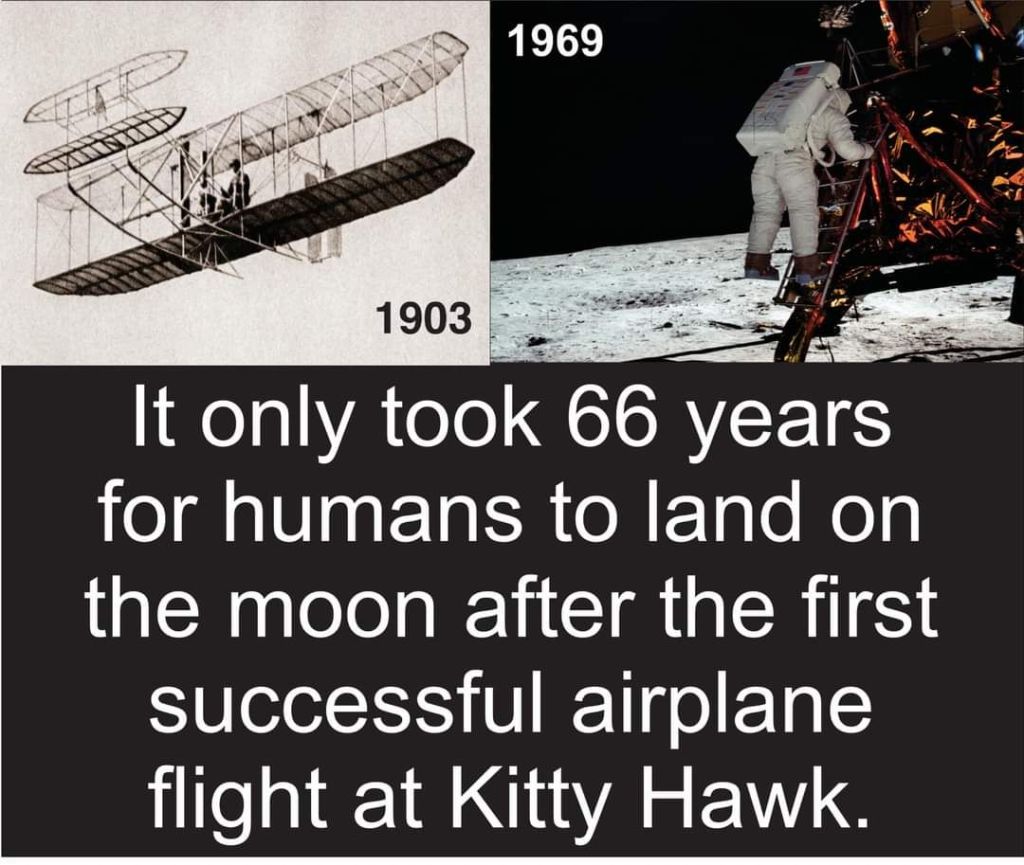
📸 Look at this post on Facebook
https://www.facebook.com/share/Z3YCjKcPoG8jbUCE/?mibextid=RXn8sy
The danger of the Treaty debate wearing us down
25 Jan 2024 Leave a comment
in economic history, economics of crime, economics of education, law and economics, liberalism, Marxist economics, politics - New Zealand, property rights Tags: constitutional law
Screeds have been written about the Treaty of Waitangi. And there’s more to come as division over race and rights ramps up.Its content and meaning are getting lost in the crossfire and the danger of ‘contestants’ talking past each other looms, if not already happening.When matters get murky, and misunderstandings abound, there is also a…
The danger of the Treaty debate wearing us down
Electric bikes start record number of fires in New York
24 Jan 2024 Leave a comment
in energy economics, environmental economics, global warming Tags: electric bikes
They claimed 18 lives and caused 150 injuries, with fatalities increasing 200 per cent in 2023.
Electric bikes start record number of fires in New York
GEOFFREY MILLER: New Zealand’s huge shift in the Middle East
24 Jan 2024 Leave a comment
in defence economics, economics of crime, law and economics, laws of war, liberalism, politics - New Zealand, war and peace Tags: Gaza Strip, Israel, Middle-East politics, political correctness, regressive left, war against terror
Geoffrey Miller writes – New Zealand is reshaping its foreign policy via the Middle East. A decision to provide intelligence support for future US and UK airstrikes on Yemen is highly symbolic. The Prime Minister, Christopher Luxon, announced the deployment of the New Zealand Defence Force (NZDF) troops to support the US-led military response to the attacks […]
GEOFFREY MILLER: New Zealand’s huge shift in the Middle East
Canada Supreme Court: Trudeau’s Use of Emergency Act “Unreasonable”, “Unconstitutional”
24 Jan 2024 Leave a comment
in economics of crime, health economics, law and economics, liberalism Tags: Canada, economics of pandemics

Global News reports Federal Court finds Emergencies Act for ‘Freedom Convoy’ violated Charter. Excerpts in italics with my bolds and added images. The Federal Court has ruled the Trudeau government’s decision to invoke the Emergencies Act during the so-called “Freedom Convoy” that descended on Ottawa in 2022 violated the Charter of Rights and Freedoms. In […]
Canada Supreme Court: Trudeau’s Use of Emergency Act “Unreasonable”, “Unconstitutional”
Quotation of the Day…
24 Jan 2024 Leave a comment
in applied price theory, applied welfare economics, history of economic thought, international economics
Tweet… is from page 4 of the 1976 second edition of my late, great teacher Leland Yeager’s magisterial International Monetary Relations: Theory, History, and Policy (original emphases; footnote deleted): Our opportunity for gain is genuine regardless of why foreigners sell so cheaply. Perhaps the foreign widgets are cheap because the climate is ideal for their…
Quotation of the Day…
The misguided South African “genocide” accusation
23 Jan 2024 Leave a comment
in defence economics, economics of crime, International law, law and economics, laws of war, war and peace Tags: Gaza Strip, Israel, Middle-East politics, war against terror

If you’ve been following the charade that is South Africa’s (SA’s) claim at the International Court of Justice that Israel is committing genocide in Gaza, you’ll know that SA—that paradigm of good governance and equity—is relying heavily on statements by Israeli officials and military people made right after October 7—statements to the effect that Gazans […]
The misguided South African “genocide” accusation
January 22, 1901: Death of Queen Victoria of the United Kingdom and Empress of India
23 Jan 2024 Leave a comment
in economic history Tags: British history
Victoria (Alexandrina Victoria; May 24, 1819 – January 22, 1901) was Queen of the United Kingdom of Great Britain and Ireland from June 20, 1837 until her death. On May 1, 1876, she adopted the additional title of Empress of India. Known as the Victorian era, her reign of 63 years and seven months was […]
January 22, 1901: Death of Queen Victoria of the United Kingdom and Empress of India
Canadian university advertises for scientists expert in Indigenous “ways of knowing”
23 Jan 2024 Leave a comment
in economics of education, liberalism, Marxist economics Tags: Age of Enlightenment, conjecture and refutation, free speech, philosophy of science, political correctness, regressive left

The combination of Canadian wokeness and the migration across the Pacific of New Zealand’s “indigenous ways of knowing” trope has led to this ad by The University of Victoria. The U of V wants to hire three candidates in any branch of science with expertise “in either (a) working with Indigenous ways of knowing, or…
Canadian university advertises for scientists expert in Indigenous “ways of knowing”


Recent Comments