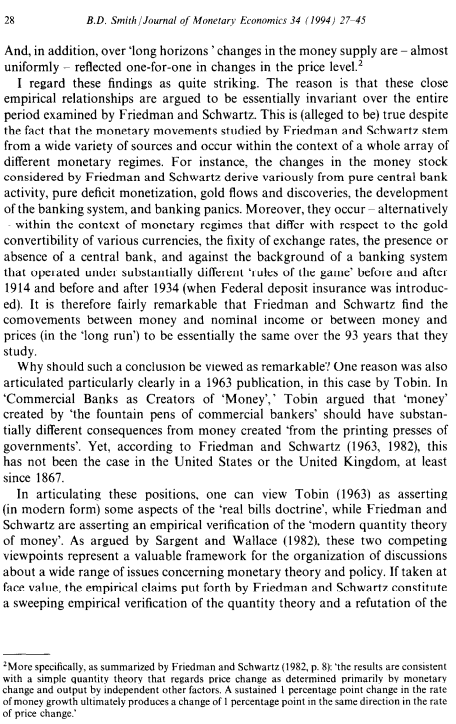
From the Gracchi to Nero: A History of Rome from 138 BC to AD 68 by H. H. Scullard (Third edition 1970)
18 Apr 2022 Leave a comment

Picked this up in a charity shop for £2. I’d like to read a more up-to-date history of the period, for example The End of the Roman Republic 146 to 44 BC: Conquest and Crisis by Catherine Steel, part of the multi-volume Edinburgh History of Ancient Rome – but I can’t afford to fork out £20 on new books and it’s not in my local library system to borrow.
But then a little research revealed that Scullard’s text is a classic account of the period, has been a staple of A-level and undergraduate Classic courses for over 60 years and has gone through numerous editions. The publishers proudly display glowing reviews:
‘Still the best introduction to Roman history.’
– Miriam Griffin, University of Oxford
‘The fundamental modern work of reference for teachers, sixth-formers and university students still … the best and most reliable modern account of the period.’
– Tim…
View original post 7,561 more words
Ban new boiler sales to switch people over to heat pumps, says infrastructure tsar
18 Apr 2022 Leave a comment
Routine Delivery Failures Renders Offshore Wind Power Utterly Meaningless
18 Apr 2022 Leave a comment


Despite overblown promises, offshore wind power is as meaningless as its onshore cousin. Centuries of sailing the high seas provided the clue: when the wind stops blowing, the boat ain’t going.
So, if seafarers had nothing but curses for their days in the doldrums, why would offshore wind power be any different?
Not only is offshore wind power just as fickle as the onshore kind, it is insanely expensive. Not least due to the exponential increase in operations and maintenance costs, thanks to the salt-laden marine environment in which these things operate offshore.
But, as the pitch goes, the insane cost is purportedly offset by “wind that is always blowing out at sea”.
Paul Homewood tackles that grand mistruth below.
How Volatile Is Offshore Wind?
Not a Lot of People Know That
Paul Homewood
17 March 2022
It is commonly claimed that the wind is much more constant and…
View original post 236 more words
Frozen birds and flooded towns: How Britain grappled with climate change 500 years ago
18 Apr 2022 Leave a comment

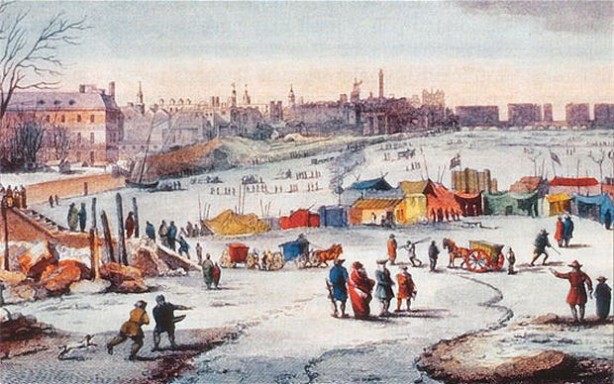 Frost fair
Natural climate variation has always been, and still is, a fact of life, regardless of minor changes to trace gases in the atmosphere.
– – –
Extreme weather not just a modern phenomenon as study reveals how British towns experienced drastic climate during ‘Little Ice Age’
* * *
Extreme weather caused by global warming is one of the biggest threats facing the world today, claims the Daily Telegraph.
However, a research project has thrown light on the catastrophic climate shift endured by England just a few centuries ago, which brought snowstorms that lasted weeks, flooding which washed away entire villages and winds that sank flotillas of ships.
From the 1500s to the 1700s, England went through an unusually cold and stormy period, nicknamed the Little Ice Age, which was possibly caused either by reduced activity from the sun, volcanic eruptions or atmospheric changes.
View original post 137 more words
Next Steps for the Fiscal Theory of the Price Level
18 Apr 2022 Leave a comment
in budget deficits, economic history, fiscal policy, history of economic thought, macroeconomics, Milton Friedman, monetarism, monetary economics
Speaking of supply bottlenecks
18 Apr 2022 Leave a comment
in history of economic thought, macroeconomics, monetarism, monetary economics


Wind from Denmark to the rescue?
18 Apr 2022 Leave a comment

One of the solutions that our Minister of Energy proposes for the energy transition is interconnectivity. In the webinar she gave at the end of 2020 (see previous post) she was pleased that Belgium got connected to the German grid and therefor could start to take advantage of the electricity produced by solar and wind in Germany. I am less optimistic about that. As I found in some previous posts like for example here, here and here, Belgium and Germany are neighbor countries and therefor have similar patterns of solar and wind production.
That doesn’t necessarily mean that no gains could be made by this interconnection. There will be times when Belgium could use the solar/wind overproduction of Germany, but when Germany has a excellent intermittent production, then generally Belgium does too. The same when Germany has only little intermittent production, then Belgium generally experience the same. The…
View original post 786 more words
Why You Can’t Be Fired in China If You Have This Stamp
18 Apr 2022 Leave a comment
in development economics, economic history, economics of crime, growth miracles, law and economics, property rights Tags: China
Diesel Driven: World’s First “Net-Zero” Wind Power/Pumped Hydro System A Dismal Failure
17 Apr 2022 Leave a comment
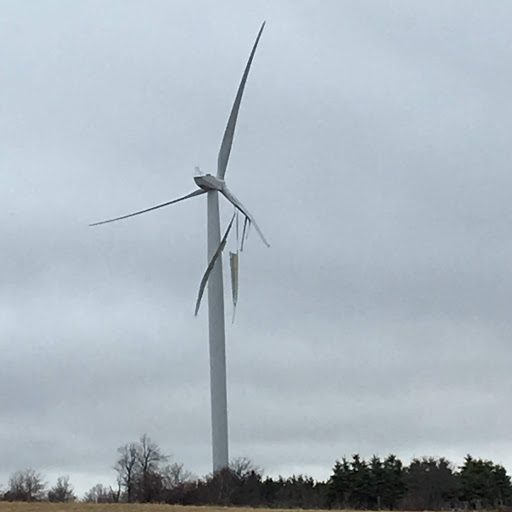
The climate/RE cult’s latest mantra “net-zero”, apparently means wind and solar connected to batteries or pumped hydro. The notion has it that wind and solar’s hopeless intermittency can be overcome by a few TWh’s worth of giant lithium-ion batteries or, where geography and hydrology permit, pumped hydro systems.
The latter model involves using wind and solar to pump water uphill into turkey’s nest dams so that, when the sun sets and/or calm weather sets in, hydro power will merrily fill the inevitable daily gaps in wind/solar power production and keep the grid up and running.
Well, that’s the story, anyway.
The wind/pumped hydro model is at the heart of the “net-zero” energy generation systems being pumped by politicians and rent seekers, alike.
In a cooking show, ‘here’s one we prepared earlier moment’, a large-scale wind and pumped hydro experiment has been playing out on an island in the Atlantic, El…
View original post 1,277 more words


Recent Comments