Your occasional reminder that Gary Becker was right. Taste discrimination is a business opportunity. https://t.co/6Xro4Q2fmS
— Tim Worstall (@worstall) March 13, 2022
If skilled labour is being kept out of the workplace for unreasonable reasons then that’s an opportunity for someone else to gain that labour on the cheap. Which is exactly what Dame Steve Shirley did
05 Apr 2022 Leave a comment
in applied price theory, discrimination, economic history, entrepreneurship, gender, human capital, industrial organisation, labour economics, labour supply, occupational choice, survivor principle Tags: entrepreneurial alertness, offsetting behaviour, sex discrimination, unintended consequences
Game Over: Vlad Putin’s Ukrainian Invasion Spells The End For ‘Green’ Energy Dream
04 Apr 2022 Leave a comment

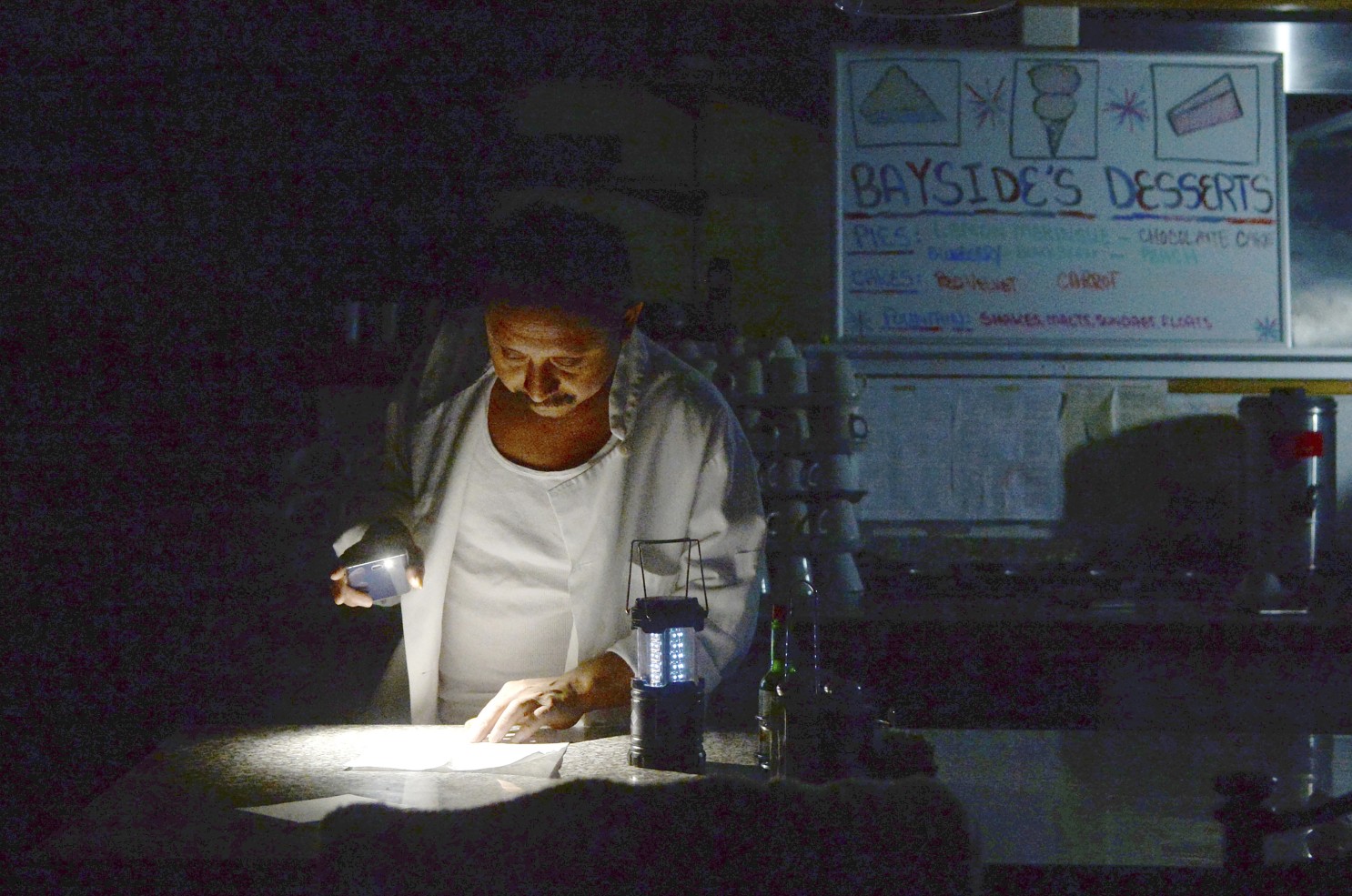
All of a sudden, energy security and affordability is the new black. The Russian onslaught in Ukraine has focused thinking on energy supplies, like nothing before.
The West has taken its energy advantages for granted, for far too long. But, the energy pricing and supply calamity that’s followed Vlad’s aggressive bid for territorial expansion, has drawn attention to just how delusional is the claim that we’re well on our way to an all-wind and sun-powered future.
That purported ‘transition’ now looks more like a pre-determined pathway to abject poverty.
Viv Forbes spells it out for the uninitiated, below.
Power not poverty
Spectator Australia
Viv Forbes
16 March 2022
‘The past was green and fuzzy – the future is black and ominous.’ – Richard Sebrof
The green fairy-tale is over.
Even the green cheer squad in the bureaucracy and the media can sense the change. The sudden end was signalled by…
View original post 382 more words
A paper idea in Stigler (1964) on Oligopoly
04 Apr 2022 Leave a comment

Next week, I am teaching collusive agreements in my price theory class. I decided to take a different approach to the discussion than the one usually found in textbook. The approach consists in showing how economic thought on a topic has evolved over time. For collusion, I decided to discuss George Stigler’s 1964 article on the theory of oligopoly published in the Journal of Political Economy.
Simply put, Stigler proposes a simple approach for stating how collusive agreements can break apart by asking how much extra sales a firm can obtain by cutting its prices without being detected by other firms. Stigler argued that detection got easier as the number of buyers increased or as concentration increased. He also argued that detection became harder if buyers do not repeat purchases and if there is growth in the market through the addition of new customers as firms are not able to…
View original post 421 more words
Matthew E. Kahn discusses his new book Going Remote
04 Apr 2022 Leave a comment
in applied price theory, applied welfare economics, comparative institutional analysis, health economics, labour economics, labour supply, occupational choice, transport economics, urban economics Tags: economics of pandemics
April 3, 1721: Robert Walpole was appointed First Lord of the Treasury and de facto “Prime Minister” of Great Britain. Part I.
04 Apr 2022 Leave a comment

Robert Walpole, 1st Earl of Orford, KG PC (August 26, 1676 – March 18, 1745) was a British statesman and Whig politician who is generally regarded as the de facto first Prime Minister of Great Britain.
Walpole was born in Houghton, Norfolk, in 1676. One of 19 children, he was the third son and fifth child of Robert Walpole, a member of the local gentry and a Whig politician who represented the borough of Castle Rising in the House of Commons, and his wife Mary Walpole, the daughter and heiress of Sir Geoffrey Burwell of Rougham, Suffolk. Horatio Walpole, 1st Baron Walpole was his younger brother.
As a child, Walpole attended a private school at Massingham, Norfolk. Walpole entered Eton College in 1690 where he was a King’s Scholar. He left Eton on April 2, 1696 and matriculated at King’s College, Cambridge on the same day.
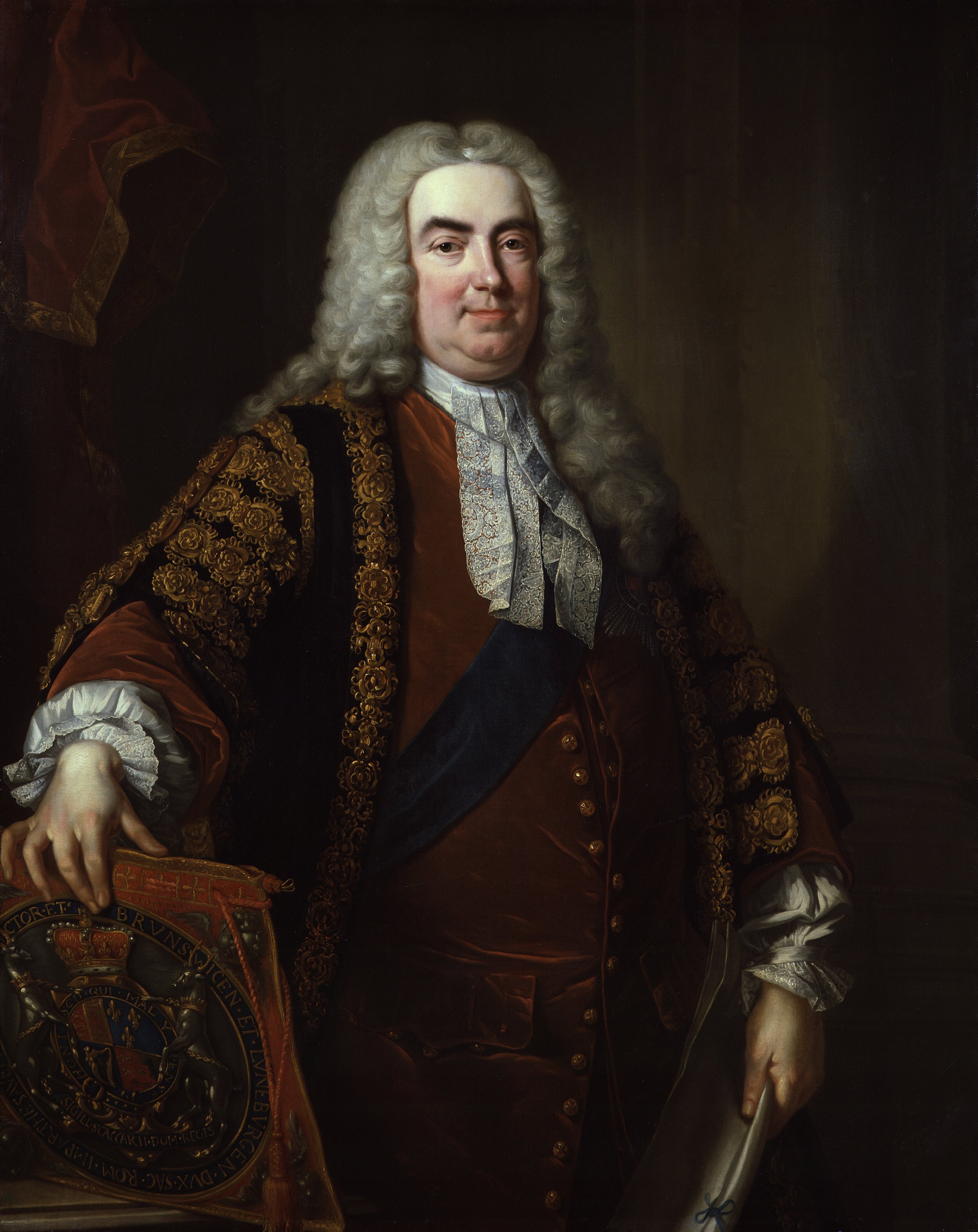 Robert Walpole Prime Minister…
View original post 586 more words
The Insane Engineering of the A-10 Warthog
04 Apr 2022 Leave a comment
in defence economics, war and peace
Apologise Now: West’s Attempt To Rely On Wind & Solar A Monumental Mistake
03 Apr 2022 Leave a comment

Anyone who still believes in an ‘inevitable’ transition to wind and solar, clearly hasn’t been paying attention.
The same crowd tells us that ‘coal is dead’, ignoring the fact that coal demand continues to rise and the record prices paid for the black stuff is through the roof.
The Russian advance on Ukraine has only added to the demand for coal, along with the demand for oil and gas; nuclear power is back in vogue, too. What Vlad’s attack hasn’t done is, create any additional demand for wind turbines and solar panels.
It seems like only yesterday that Elon Musk was telling us that, by adding a few trillion-terawatt hours’ worth of his lithium-ion batteries, the wind and solar transition was a shoe-in.
Now Musk and his rent-seeking buddies seem to be running a mile from their wilder claims about our wind and solar-powered future.
Paul Murray picks up the…
View original post 999 more words
Free speech v cancel culture – Durham Union, 1 March 2022
03 Apr 2022 Leave a comment
in law and economics, liberalism, libertarianism Tags: free speech, political correctness, regressive left
New inquiry into how the UK can (?) cut fossil fuels and accelerate net zero transition
02 Apr 2022 Leave a comment

 [image credit: latinoamericarenovable.com]
Re-writing the laws of physics is not an option. The only thing accelerating at the moment is the downward spiral into energy poverty for ever larger numbers of the population, in manic pursuit of the mystical ‘net zero’ climate target. Another trip to cloud cuckoo land beckons for these blinkered climate obsessives.
– – –
The Environmental Audit Committee announced the inquiry in response to the rise in fossil fuel prices following Russia’s invasion of Ukraine and continued speculation on what will be included in the government’s Energy Security Strategy, reports Energy Live News.
The Committee believes protecting consumers from high fossil fuel prices and fuel poverty while ensuring security of supply and continued progress towards net zero is critical for any strategy on energy security to be successful.
View original post 100 more words
The Great Green Lie: Wind & Solar Aren’t Saving The Planet, They’re Wrecking It
02 Apr 2022 Leave a comment
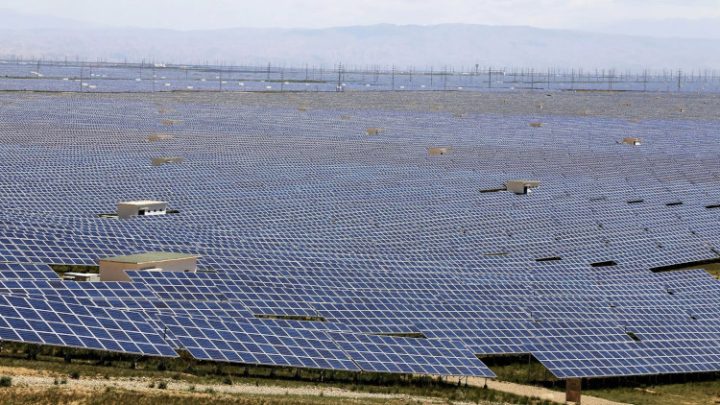
The idea that unreliable wind and solar can save the planet is one of the greatest lies, ever told.
In touting their purported environmental credentials, the crony capitalists, rent-seekers and fawning advocates never take into account any of the associated costs.
It’s all sunshine and suitably stiff breezes, as far as the wind and sun cult is concerned.
At the heart of economics is the need to account for all costs and weigh them against any purported benefits.
Then, and only then, can a net benefit of any chosen course of action be determined.
With the unreliables there are the obvious costs: the need for every single MW of wind or solar capacity to be backed up every single minute of the day by a MW of dispatchable power generation capacity (ordinarily coal, gas or nuclear); the need to build capacity and transmission network to bring wind and solar power…
View original post 3,814 more words


Recent Comments