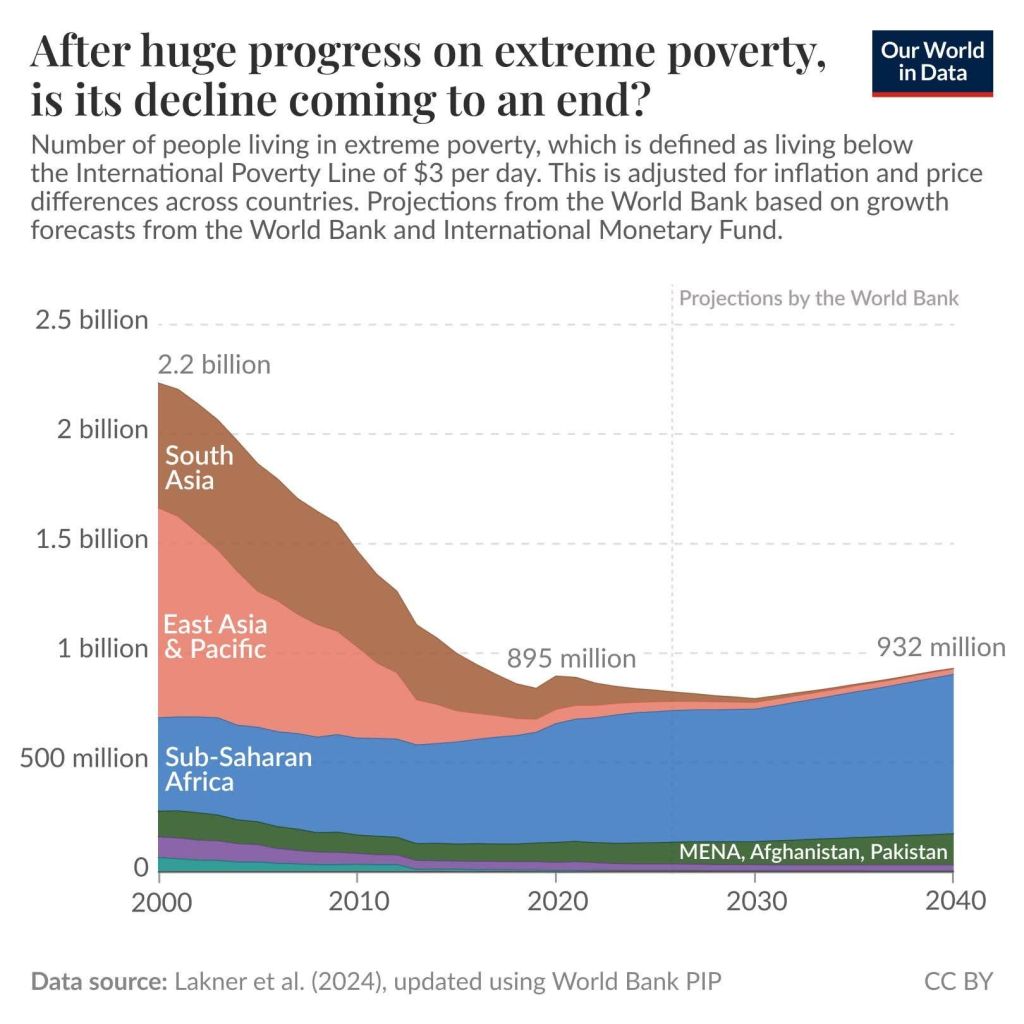
The Great Enrichment
18 Mar 2026 Leave a comment
in economic history, growth disasters, growth miracles
103 ways for local government to save money
17 Mar 2026 Leave a comment
in economics of bureaucracy, politics - New Zealand, Public Choice, public economics
The Taxpayer’s Union has done a report listing 103 ways local government can save money. Some of the more significant ones which I support are: The post 103 ways for local government to save money first appeared on Kiwiblog.
103 ways for local government to save money
Medical Council proposes striking off doctors who disagree with their political views
17 Mar 2026 Leave a comment
in discrimination, economics of education, economics of regulation, human capital, labour economics, labour supply, liberalism, Marxist economics, occupational choice, occupational regulation, politics, politics - New Zealand
The Medical Council has proposed a statement on cultural competence that is basically a political litmus test. It is outrageous overreach, and an example of why Parliament needs to rein in all these regulatory bodies. No one would object to a statement that doctors must be respectful of all cultures and beliefs, while undertaking their…
Medical Council proposes striking off doctors who disagree with their political views
Quotation of the Day…
17 Mar 2026 Leave a comment
in applied price theory, development economics, economic history, entrepreneurship, growth disasters, growth miracles, industrial organisation, labour economics, labour supply Tags: creative destruction, The Great Enrichment
Tweet… is from page 103 of Historical Impromptus, a 2020 collection of some of Deirdre McCloskey’s work on economic history; this quotation, specifically, is from McCloskey’s 2000 review, in the Minnesota Journal of Global Trade, of Thomas Friedman’s The Lexus and the Olive Tree and John Gray’s False Dawn [original emphasis]: Globalization encourages the capitalist…
Quotation of the Day…
COMESA, WhatsApp Business, and Antitrust in Search of a Theory
17 Mar 2026 Leave a comment
in applied price theory, economics of regulation, industrial organisation, law and economics, property rights Tags: competition law

Meta’s decision to limit third-party AI access to WhatsApp Business has quickly drawn antitrust scrutiny across multiple jurisdictions. The Common Market for Eastern and Southern Africa (COMESA) Competition and Consumer Commission (CCCC) is the latest authority to open an investigation. But before the case can answer whether Meta’s conduct harms competition, a more basic question…
COMESA, WhatsApp Business, and Antitrust in Search of a Theory
Did Negative Interest Rates Work ?
16 Mar 2026 Leave a comment
in business cycles, econometerics, economic growth, fiscal policy, macroeconomics, monetary economics Tags: monetary policy

When recessions hit, the US Federal Reserve lowers its target interest rate–the “federal funds interest rate.” This interest rate applies to extremely safe borrowing: essentially, to overnight borrowing by large and safe financial institutions. The idea is that by altering this ultra-safe interest rate, other riskier interest rates will also be under pressure to adjust,…
Did Negative Interest Rates Work ?
If Iran stopped exporting oil
16 Mar 2026 Leave a comment
in business cycles, defence economics, economic growth, energy economics, industrial organisation, international economics, International law, macroeconomics, resource economics, war and peace Tags: Iran
By ChatGPT-5.2 If Iran’s oil exports alone stopped, the world would feel it, but it would probably be a serious price shock rather than an immediate global supply collapse. Iran has recently been exporting roughly 1.1–1.5 million barrels a day, close to its 2025 average of about 1.69 million barrels a day, with China buying more than 80% of those shipped […]
If Iran stopped exporting oil
Stagflation, Recession? Probably Not
16 Mar 2026 1 Comment
in defence economics, energy economics, international economics, war and peace Tags: Iran
See Why the Oil Shock Probably Won’t Derail the Economy. And One Way It Might: The U.S. is a net petroleum exporter and productivity is improving, but the bigger risk is stubborn inflation by Greg Ip of The WSJ. Stagflation combines the words stagnation and inflation. If oil prices rise, supply shifts to the left because the…
Stagflation, Recession? Probably Not
Wake-up Call: Survey Shows Majority Of Germans Now Favor Postponing Climate Targets!
16 Mar 2026 1 Comment
in economics of climate change, economics of information, economics of media and culture, energy economics, environmental economics, environmentalism, global warming Tags: Germany
According to the survey, 53 percent of Germans are in favor of pushing back the target for climate neutrality from 2045 to 2050. This shift would align Germany with the general European Union timeline and end the current “special path” (Sonderweg) of an accelerated exit.
Wake-up Call: Survey Shows Majority Of Germans Now Favor Postponing Climate Targets!
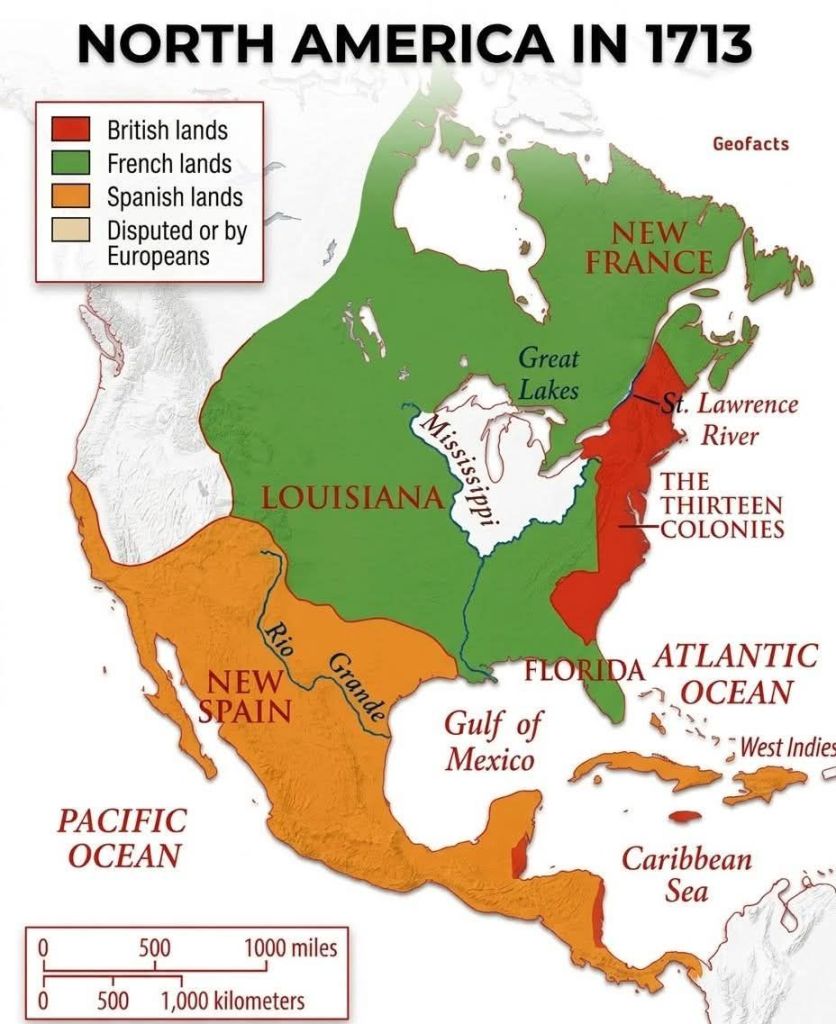
I like maps
15 Mar 2026 Leave a comment
in economic history, international economics, International law, law and economics Tags: economics of borders, maps
A good UK police officer
15 Mar 2026 Leave a comment
in economics of religion, liberalism, Marxist economics Tags: Age of Enlightenment, British politics, free speech, Freedom of religion, regressive left
The Telegraph reports: A short video went viral last weekend that briefly restored my faith in British policing. It showed a female Metropolitan Police officer standing alone in Whitechapel, surrounded by a crowd of angry Muslim men, calmly defending the right of a Christian street preacher to preach. “In this country, we have freedom of speech,” she…
A good UK police officer
Max Hastings believes anti-Israel libel because he saw it at the BBC
15 Mar 2026 Leave a comment
in defence economics, International law, laws of war, war and peace Tags: Gaza Strip, Israel, media bias, Middle-East politics, regressive left, West Bank

The Times published an opinion piece by Max Hastings which includes errors and libels, and is based on a premise so unserious that a gutsy… The post Max Hastings believes anti-Israel libel because he saw it at the BBC appeared first on CAMERA UK.
Max Hastings believes anti-Israel libel because he saw it at the BBC
German Civilians Facing Crimes of the Nazis
15 Mar 2026 1 Comment
in defence economics, International law, laws of war, war and peace Tags: Nazi Germany, The Holocaust, World War II

To say that the Germans were the only ones responsible for the Holocaust would be a mistake. They had plenty of willing helpers in the occupied countries and outside the occupied territory. Regardless of what some governments say nowadays, that their nations had no part to play in the biggest genocide ever committed, they are […]
German Civilians Facing Crimes of the Nazis
The great diversity of charter schools
14 Mar 2026 Leave a comment
in economics of education, liberalism, politics - New Zealand
I’ve just been looking at the 19 charter schools approved to date, and am impressed with how well they cater for all types of kids, They are not about replicating state schools, but providing alternatives for those who need or desire them. The focus of the schools are: And not a single student at these…
The great diversity of charter schools
Inconvenient wind turbine facts
14 Mar 2026 1 Comment
in energy economics Tags: wind power
Wind turbines are intermittent, inefficient, labor-and resource-intensive, and require a tremendous footprint on land or water. These massive turbines extract a heavy toll on eagles, hawks, birds, bats, and marine life.
Inconvenient wind turbine facts


Recent Comments