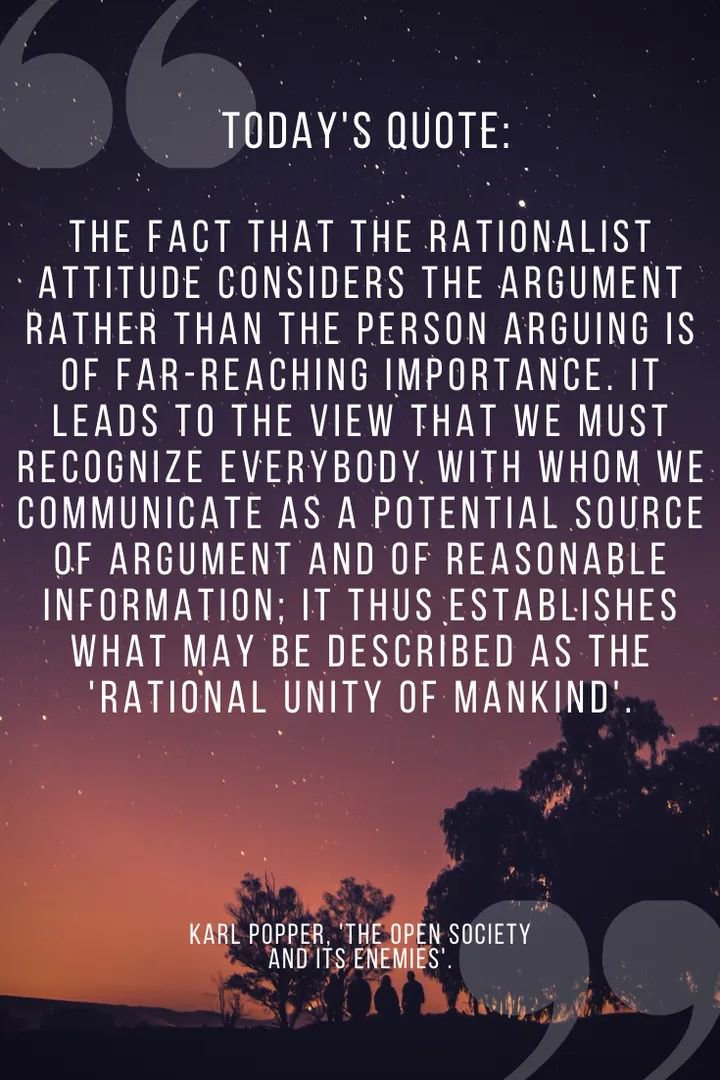
Speaking of the Age of Enlightenment
04 Jan 2022 Leave a comment
in economics of education, Karl Popper Tags: Age of Enlightenment, conjecture and refutation, philosophy of science, political correctness, regressive left
HERO OF TWO WORLDS: THE MARQUIS DE LAFAYETTE IN THE AGES OF REVOLUTION by Mike Duncan
04 Jan 2022 Leave a comment

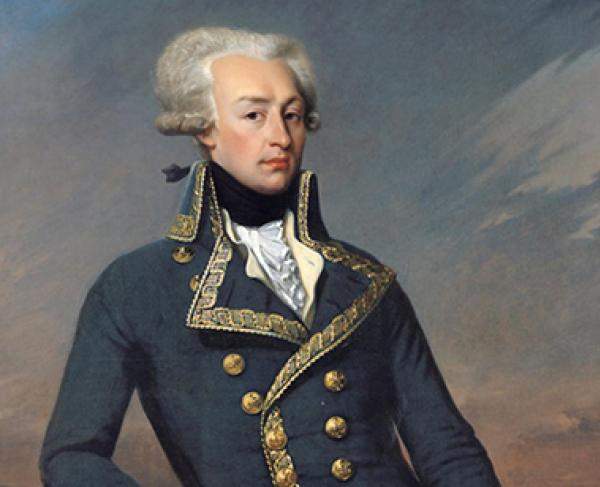
While on one of my 5 1/2 mile walks the other day the music from the Broadway show “Hamilton” reverberated in my ear buds. After having taught a course trying to discern the historical accuracy of the musical with numerous references to the Marquis de Lafayette I decided to digest Mike Duncan’s latest work, HERO OF TWO WORLDS: THE MARQUIS DE LAFAYETTE IN THE AGES OF REVOLUTION. Since 2013 Duncan has recorded about 150 hours for his podcast Revolutions, a chronological blow by blow account of ten historical revolutions between the 17th and early 20th centuries and in his new book he expands upon three seasons of his podcast. In terms of historical depth and important insights I found Duncan’s work satisfying and at times insightful. If one compares Lafayette’s character in the musical to his actual life, apart from artistic license there…
View original post 1,393 more words
The Need for Global Tax Competition
04 Jan 2022 Leave a comment

In my recent column listing the “Best and Worst News of 2021,” I included Joe Biden’s global tax cartel as one of the awful things that happened in the past 12 months.
It’s bad news for workers, consumers, and shareholders that politicians approved a system that will require all nations to have a corporate tax rate of at least 15 percent.
From the perspective of politicians, it’s easy to understand why they want a tax cartel. it’s a way for them to get their hands on more money. Just as gas stations would want a system that rigs gas prices at a high level. Or grocery stores would want a system to rig high food prices.
From the perspective of taxpayers, however, tax competition is much better. Politicians have a much harder time raising tax rates (and in many cases feel pressure to lower tax rates) when they know that…
View original post 611 more words
5 Disastrous Math Fails with Surprising Consequences
04 Jan 2022 Leave a comment
in defence economics, economic history, industrial organisation, transport economics
Walter Block on sex Discrimination
04 Jan 2022 Leave a comment
in applied price theory, applied welfare economics, discrimination, econometerics, economic history, economics of information, gender, health and safety, human capital, labour economics, labour supply, managerial economics, market efficiency, occupational choice, organisational economics, personnel economics, poverty and inequality Tags: gender wage gap
04 Jan 2022 Leave a comment
in health and safety, labour economics, labour supply, occupational choice

That Mitchell and Webb Look – Moon Landing Sketch
04 Jan 2022 1 Comment
in economics of media and culture Tags: moon landings
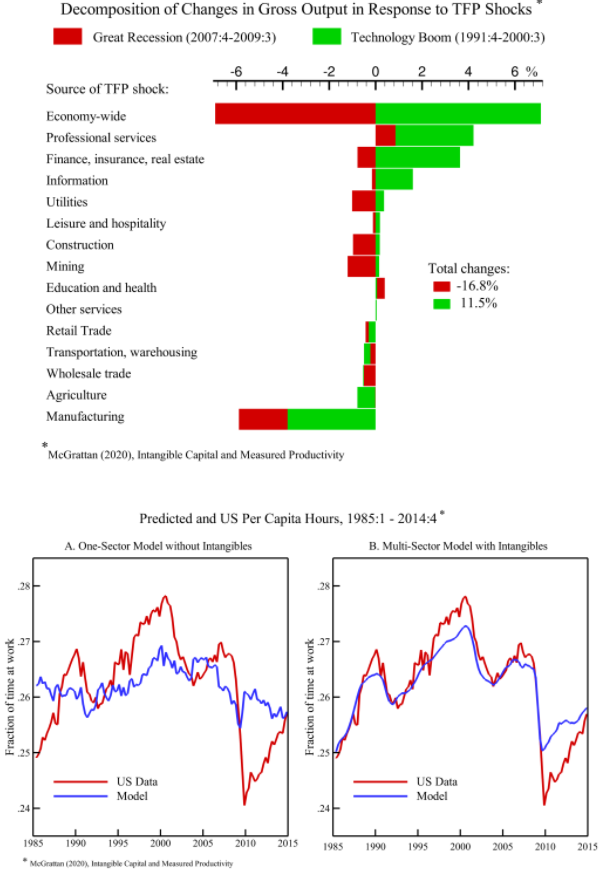
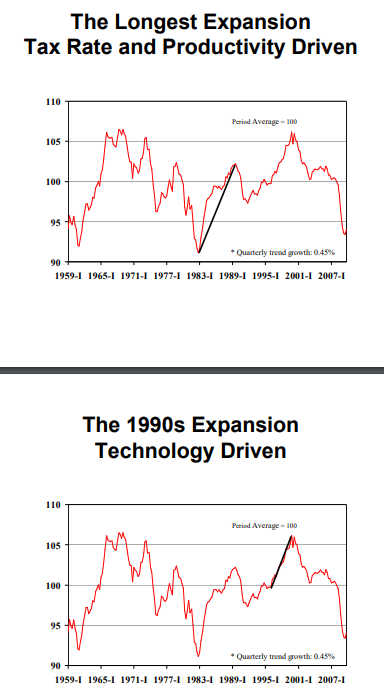
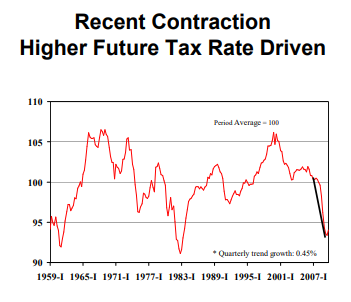
McGrattan on how intangible investment changes real business cycle modelling missing booms and busts
03 Jan 2022 Leave a comment
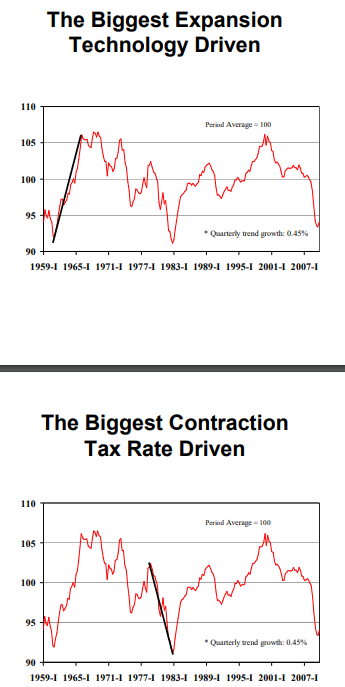
Prescott on booms and busts
03 Jan 2022 Leave a comment
Energy crisis: Conservative MPs urge Boris Johnson to scrap taxes as bills rocket
03 Jan 2022 Leave a comment


Overcharged and overtaxed. UK energy customers are getting clobbered from all directions: the markets, the so-called climate levies, and taxes. The government is in disarray as its renewables-based policies force the pace of cost increases.
– – –
Energy bills have soared as global wholesale prices have risen rapidly – but some Tory MPs and peers say they have increased more in the UK because of taxes the government has the power to remove.
Twenty Conservative politicians have urged Boris Johnson to scrap energy taxes as bills continue to rocket, reports Sky News.
The MPs and peers have written a letter in the Sunday Telegraph to ask the prime minister and Chancellor Rishi Sunak to help consumers facing “fuel poverty”.
Energy prices in the UK are being forced up faster than any other comparable country due to “taxation and environmental levies”, they wrote.
View original post 171 more words
Put April’s tax rises on hold and let growth fix the public finances
03 Jan 2022 Leave a comment

First, the bad news. UK consumer price inflation has already hit 5.1pc in the 12 months to November. And it is likely to rise further in the coming months as businesses pass on more of the price pressure that is already in the pipeline.
In particular, the energy regulator Ofgem is reviewing its cap on domestic gas and electricity bills. The surge in global energy prices means that this cap could be increased by as much as 50pc in April, taking headline inflation as high as 7pc.
With underlying pay growth probably averaging about 4pc, this implies that real wages (after allowing for inflation) could be squeezed by as much as 3pc.
April is shaping up to be the “cruellest month” for other reasons too. This is the month when the planned increase of 1.25 percentage points in National Insurance Contributions (NICs) kicks in, as well as other changes including…
View original post 833 more words


Recent Comments