The Tragic Life of Rudyard Kipling
25 Nov 2021 Leave a comment
in defence economics, economics of education, economics of media and culture, war and peace Tags: India, World War I
The Private Supply of Money | George A. Selgin
24 Nov 2021 1 Comment
in applied price theory, applied welfare economics, Austrian economics, business cycles, economic history, global financial crisis (GFC), great depression, great recession, history of economic thought, macroeconomics, monetarism, monetary economics Tags: monetary policy
Human Rights? In New Zealand? 😆😆😆😆😆😆
24 Nov 2021 Leave a comment

It seems that some people are getting very upset about the “traffic light” legislation currently being rammed through under urgency by the government.
This is David Farrar’s take over at Kiwiblog:
Ramming massive human rights legislation through Parliament under urgency
This legislation will make some citizens, second class. They will have fewer rights than other citizens. Such a law should not be rushed through under urgency. Labour will not even be allowing a single New Zealander to submit on this law, despite the fact it will take basic rights away from several hundred thousand Kiwis. Even if you support the law, you should be appalled at this abuse of process.
Oh Pffft….
“Even if you support the law”. That, right there, is the National-ACT dilemma. This was always going to be the natural result of supporting the idea of vaccine mandates and passports. It was signalled ages ago by…
View original post 216 more words
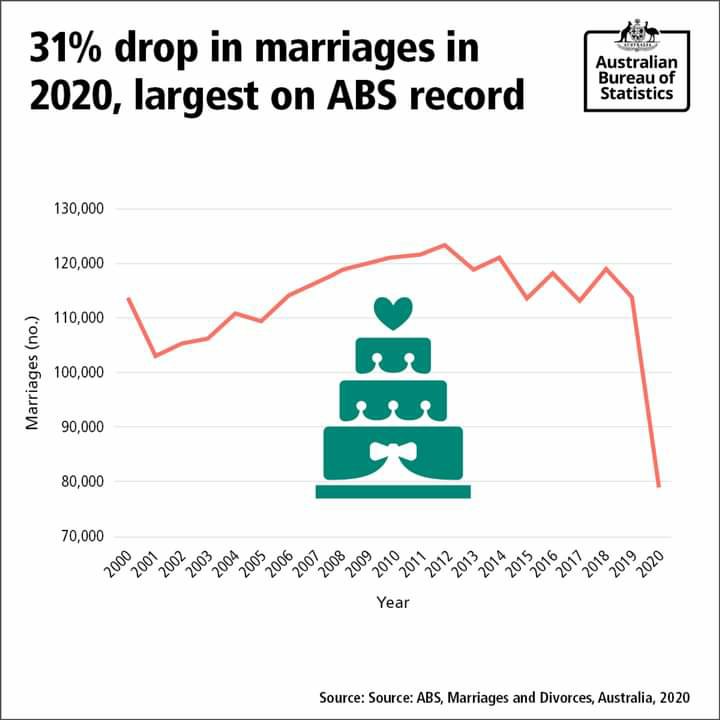
#COVID19 and marriages
24 Nov 2021 Leave a comment
in health economics Tags: economics of pandemics, marriage and divorce
Why This 25,000 Foot Mountain Has Never Been Climbed
24 Nov 2021 Leave a comment
in economics of media and culture
Kowloon Walled City: Hong Kong’s City of Darkness
24 Nov 2021 Leave a comment
in comparative institutional analysis, development economics, economic history, economics of bureaucracy, economics of crime, growth disasters, growth miracles, International law, law and economics, property rights, Public Choice, war and peace Tags: Hong Kong
The Insane Engineering of the P-47 Thunderbolt
24 Nov 2021 Leave a comment
in defence economics, war and peace Tags: D-Day, World War II
Regressive left alert
23 Nov 2021 Leave a comment
in discrimination, labour economics, politics - Australia Tags: political correctness, racial discrimination, regressive left

Steven Pinker: Danger of moral panic over “fake news”
23 Nov 2021 Leave a comment
in economics of bureaucracy, economics of education, politics - Australia, politics - New Zealand, politics - USA, Public Choice Tags: free speech, philosophy of science, political correctness, regressive left
Britons face £15,000 bill for heat pump upgrade – report exposes ‘significant’ hidden cost
23 Nov 2021 Leave a comment
November 22, 1975: Juan Carlos becomes King of Spain
23 Nov 2021 Leave a comment

Juan Carlos I (Spanish: Juan Carlos Alfonso Víctor María de Borbón y Borbón-Dos Sicilias, born January 5, 1938) is a member of the Spanish royal family who reigned as King of Spain from November 22, 1975 until his abdication on June 19, 2014. In Spain, since his abdication, Juan Carlos has usually been referred to as the Rey Emérito (“King Emeritus”).
Juan Carlos is the grandson of Alfonso XIII, the last king of Spain before the abolition of the monarchy in 1931 and the subsequent declaration of the Second Spanish Republic. Juan Carlos was born in Rome during his family’s exile. Francisco Franco took over the government of Spain after his victory in the Spanish Civil War in 1939, yet in 1947 Spain’s status as a monarchy was affirmed and a law was passed allowing Franco to choose his successor.
 Juan Carlos’s father, Juan, was the third son of King…
View original post 425 more words
The Anachronism of State-controlled Money | George Selgin
22 Nov 2021 Leave a comment
in applied price theory, applied welfare economics, Austrian economics, business cycles, comparative institutional analysis, constitutional political economy, economic history, history of economic thought, industrial organisation, law and economics, macroeconomics, monetary economics, property rights Tags: monetary policy
What Makes A Good Leader? On The Caine Mutiny
22 Nov 2021 Leave a comment

“War is a business in which a lot of people watch a few people get killed
and are damn glad it wasn’t them.”
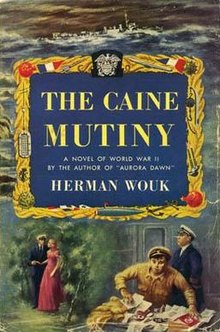
Just as important as exploring the particular qualities that constitute a successful leader, Herman Wouk’s Pulitzer Prize-winning masterpiece The Caine Mutiny examines the situations that inspire men to commit grave revolutionary acts –like the act of mutiny. Often compared to 1932’s Mutiny on the Bounty, The Caine Mutiny is a truly wonderful novel. Thus far in my quest to read the Pulitzer Prize-winners, I have been stuck in a string of novels offering mostly plotless portraits of struggling rural farmers, and so it was a delight for me to shift into a bit more levity with 1951’s The Caine Mutiny, a rare bestseller on top of being a Pulitzer Prize-winner. The tone is light, playful, almost satirical a la Joseph Heller’s Catch-22, even though…
View original post 2,074 more words


Recent Comments