
29 Oct 2021 Leave a comment
in law and economics, liberalism, libertarianism, Marxist economics, politics - Australia, politics - New Zealand, politics - USA
Empire Lite: Nation-Building in Bosnia, Kosovo and Afghanistan by Michael Ignatieff (2003)
29 Oct 2021 Leave a comment

Nobody likes empires but there are some problems for which there are only imperial solutions. (p.11)
Nations sometimes fail, and when they do only outside help – imperial help – can get them back on their feet. (p.106)
A bit of biography
In the 1990s Ignatieff managed to combine being a tenured academic, a journalist making extensive foreign trips, and a TV presenter. Without planning it, Ignatieff fell into a rhythm of publishing every 2 or 3 years short books chronicling the unfolding of the failed states he visited, and the chaos which engulfed some countries after the end of the Cold War.
These short but engaging studies build up into a series of snapshots of the new world disorder unfolding through the 1990s and into the post 9/11 era, mixed with profound meditations on the morality of international affairs and humanitarian intervention:
- Blood and Belonging: Journeys Into the New…
View original post 5,269 more words
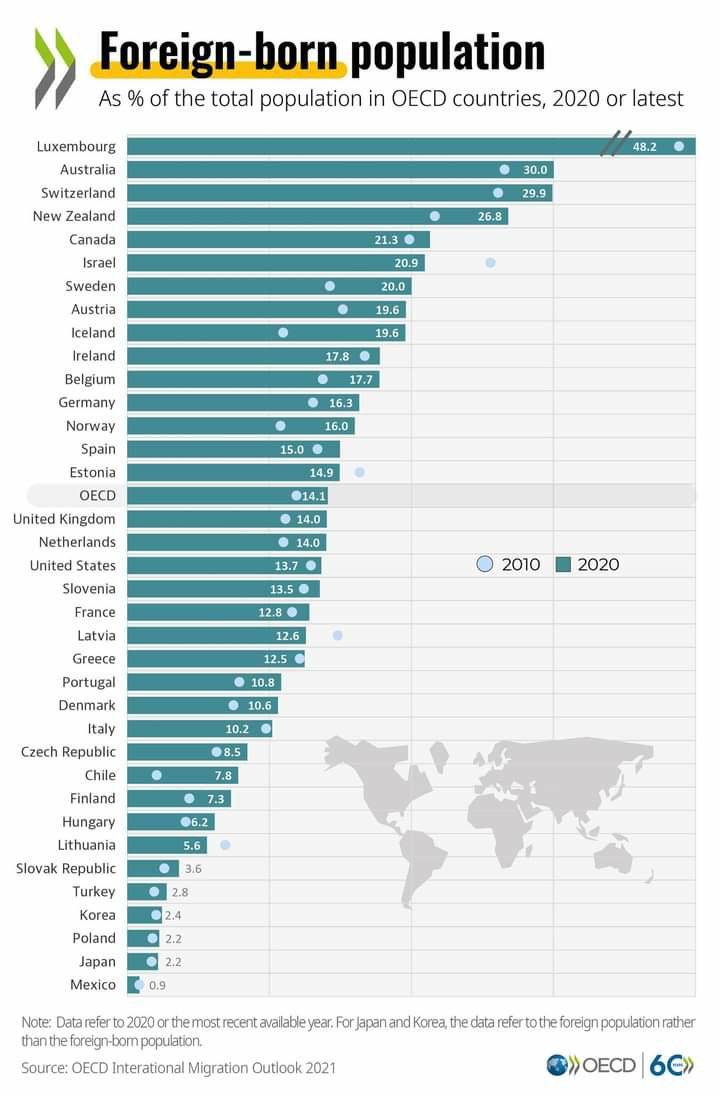
Openness to immigrants
29 Oct 2021 Leave a comment
in discrimination, labour economics, labour supply Tags: economics of immigration
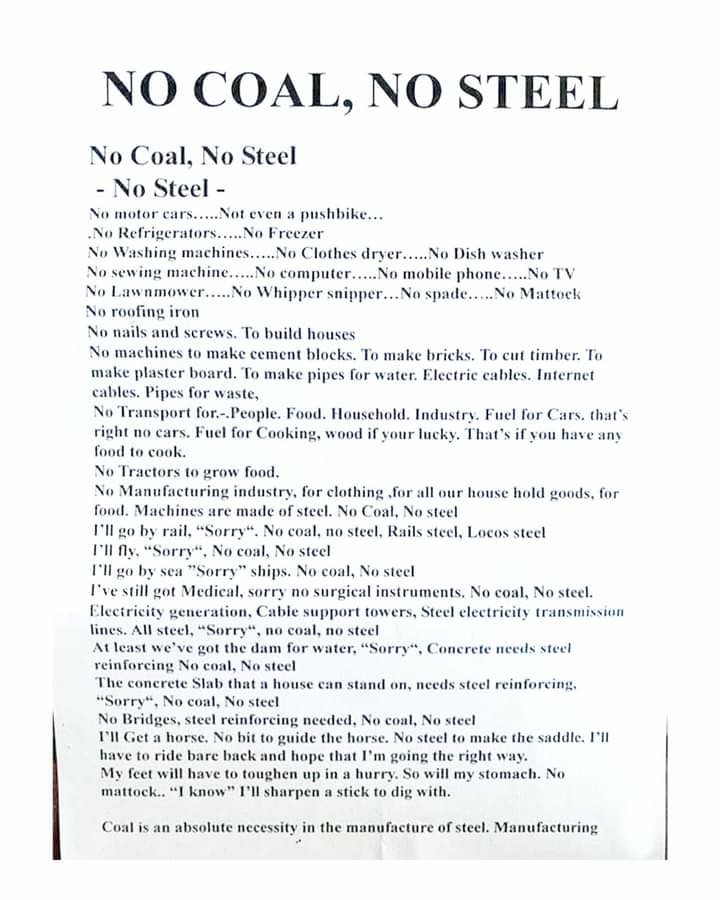
Mad Max Rides Again: Post-Renewables Europe Desperate For Fossil Fuels
29 Oct 2021 Leave a comment


Western Europe’s wind drought has them scrambling for fossil fuels, like their lives depend upon it, and it’s as if they didn’t see it coming! Who would ever have thought that the wind might stop blowing for extended spells?
The almost dystopian panic brings to mind George Miller’s dystopian post-Apocalypse action-thriller, Mad Max 2.
Mel Gibson’s Max Rockatansky – aka the Road Warrior – is an ex-cop, outcast and loner who had been roaming the wastelands for years, until he stumbles upon the desert compound and refuge of a clan of misfits and renegades (the Settlers), defending themselves against a marauding mob of cutthroats, led by the evil Lord Humungus (the Marauders).
Max manages to enter the compound and escape Humungus and his band of vicious thugs, for a time.
Max is already alive to the fact that the compound houses a petrol refinery and also, apparently, holds fuel…
View original post 554 more words
#endcoal
29 Oct 2021 Leave a comment
in energy economics, environmental economics, global warming Tags: climate alarmists, unintended consequences
Organish Food and the Problem of Cult Cultivation
29 Oct 2021 Leave a comment

A not-too-distant dystopia
I often tell my students the worst career choice they can make is one where they are not inspired by their professional activity and unable to follow their passions. Then it becomes just a job for some extrinsic worth (eg, paying the rent). This is how European farmers must be feeling when activist fear campaigns have led to political and market pressure to produce more organic food. They don’t believe that organic is safer, they see the lower yields, increased infestations and a poverty of options. They would be forced to switch to growing organic to simply try to pay the rent. Unlike the organic activist farmers who loudly and proudly believe they are changing the world by bringing their cult beliefs into the cultivation process (with each horn they lovingly fill with dung), the conventional farmer, forced by market forces to switch to organic, is merely…
View original post 1,175 more words
THE AMBASSADOR: JOSEPH P. KENNEDY AT THE COURT OF ST. JAMES, 1938-1940 by Susan Ronald
29 Oct 2021 Leave a comment

:max_bytes(150000):strip_icc():format(webp)/portrait-of-the-kennedy-family-at-home-51379912-217f87c014704f659997064087973d4f.jpg)
Anyone familiar with the life of Joseph P. Kennedy, the father of John, Robert, and Edward Kennedy is aware of the flaws in his character and life story. These elements of his biography have been fully explored in studies like David Nasaw’s THE PATRIARCH: THE REMARKABLE LIFE AND TURBULENT TIMES OF JOSEPH P. KENNEDY, Richard J. Whalen’s THE FOUNDING FATHER: THE STORY OF JOSEPH P. KENNEDY, and Doris Kearns Goodwin’s THE FITZGERALDS AND THE KENNEDYS: AN AMERICAN SAGA. Kennedy’s life story is punctuated with “serial philandering,” a relationship with organized crime, his years as a Wall Street operator highlighted by repeated insider trading, lobotomizing his daughter Rosemary, an appeaser’s isolationist view of the world that led to his opposition to the Truman Doctrine, the Marshall plan, a cozy relationship with J. Edgar Hoover, and a world view that saw fascism as a means of overcoming a…
View original post 1,446 more words
How to Cure Inflation Milton Friedman
29 Oct 2021 Leave a comment
in budget deficits, business cycles, economic growth, economic history, fiscal policy, great depression, history of economic thought, macroeconomics, monetarism, monetary economics, unemployment
50% female firefighter quota
29 Oct 2021 Leave a comment
in discrimination, economics of education, economics of natural disasters, gender, health and safety, human capital, labour economics, labour supply, occupational choice
Michael Shellenberger: ‘The main cause of energy shortages is the under-investment in oil & gas exploration driven by climate activism’
29 Oct 2021 Leave a comment
North American Vikings
28 Oct 2021 Leave a comment

I was just writing the other day about the 1339 monk who wrote about the discovery of America. Now, analysis of wood from timber-framed buildings in the L’Anse aux Meadows in Newfoundland shows a Norse-built settlement over 1,000 years ago – 471 years before Columbus.
As the Guardian and Science News report, the Icelandic sagas – oral histories written down hundreds of years later – tell of a leader named Leif Erikson. The recent finding corroborates two Icelandic sagas – the Saga of the Greenlanders and the Saga of Erik the Red – that recorded attempts to establish a settlement in Vinland. Also known as Leif the Lucky, he was the son of Erik the Red, who was the founder of the first Norse settlements in Greenland. According to the Saga of the Icelanders, Leif established a Norse settlement at Vinland, which is usually interpreted as being coastal…
View original post 320 more words
The Worst Time in History to Be Alive
28 Oct 2021 2 Comments
The ninth plague of Egypt was complete darkness that lasted for three days. But in 536 A.D., much of the world went dark for a full 18 months, as a mysterious fog rolled over Europe, the Middle East, and parts of Asia. The fog blocked the sun during the day, causing temperatures to drop, crops to fail and people to die. It was, you might say, the literal Dark Age.
Now, researchers have discovered one of the main sources of that fog, as Becky LIttle and Brian Fuggle report. The team reported in Antiquity that a volcanic eruption in Iceland in early 536 helped spread ash across the Northern Hemisphere, creating the fog. Like the 1815 Mount Tambora eruption—the deadliest volcanic eruption on record—this eruption was big enough to alter global climate patterns, causing years of famine.
What exactly did the first 18 months of darkness look like? The Byzantine…
View original post 448 more words
Market instruments for environmental policy
28 Oct 2021 Leave a comment
in applied price theory, applied welfare economics, energy economics, environmental economics Tags: carbon tax, carbon trading, pollution taxes
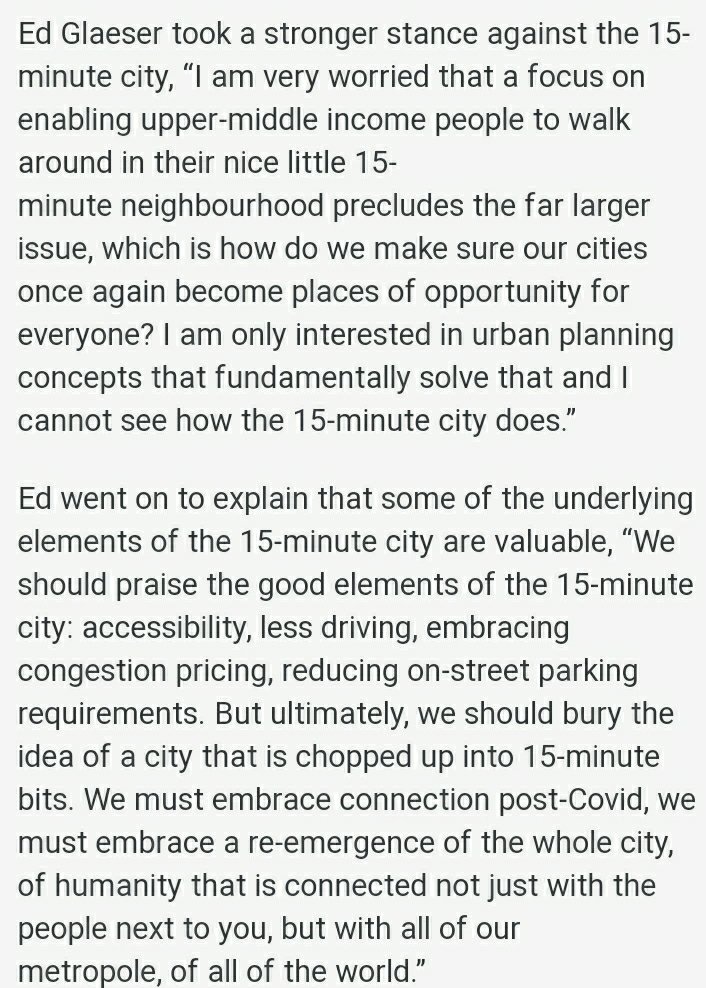
Ed Glaeser doesn’t hold back
28 Oct 2021 Leave a comment
in applied price theory, applied welfare economics, comparative institutional analysis, environmental economics, income redistribution, Public Choice, public economics, rentseeking, transport economics, urban economics Tags: green rentseeking, NIMBY


Recent Comments