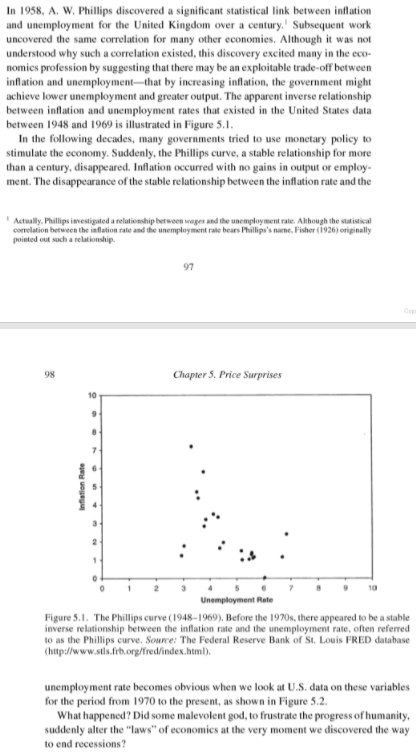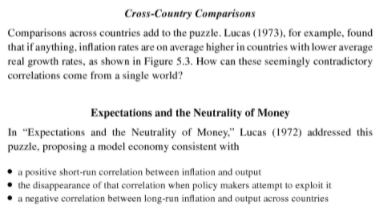
Popper on rationality
02 Sep 2021 Leave a comment
in economics of education, Karl Popper Tags: conjecture and refutation, philosophy of science

Competition and Entrepreneurship Kirzner
02 Sep 2021 Leave a comment
in applied price theory, Austrian economics, economics of information, entrepreneurship, history of economic thought, industrial organisation, Israel Kirzner
xkcd: Earth Temperature Timeline
02 Sep 2021 Leave a comment
in economic history, energy economics, environmental economics, global warming
The Opposite of Blitzkrieg – Siege Tactics on the Eastern Front – WW2 Special
02 Sep 2021 Leave a comment
in defence economics, war and peace Tags: World War II
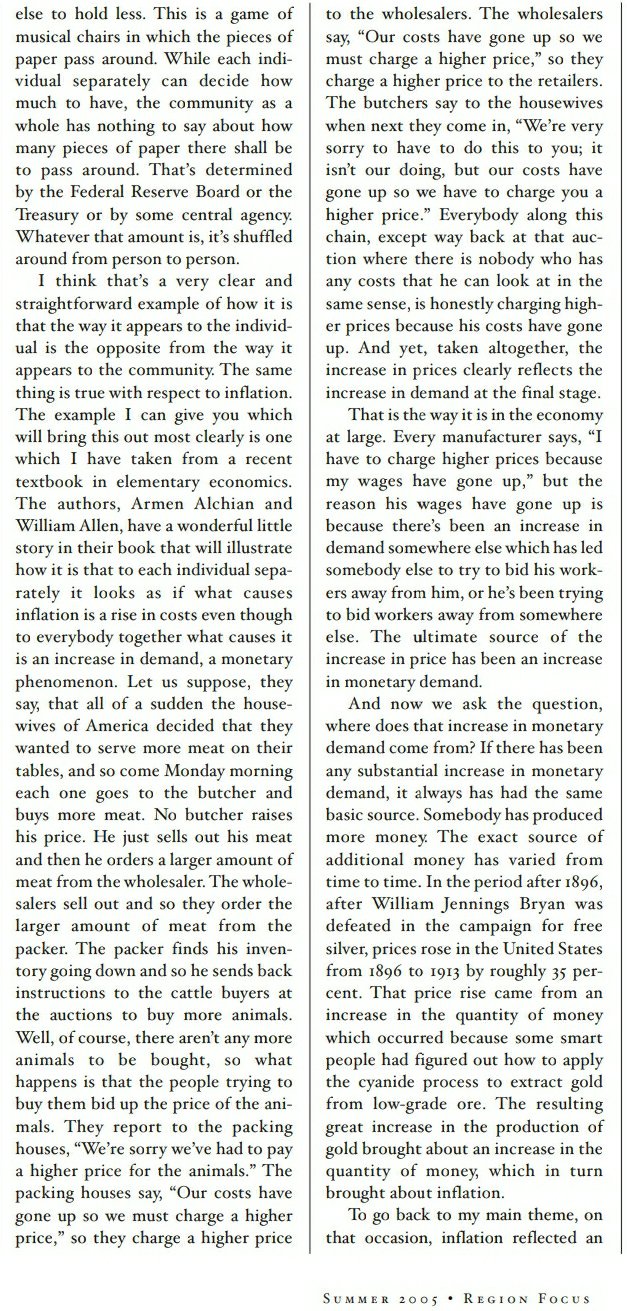
Fossil fuels haven’t taken a safe climate and made it dangerous, they’ve taken a dangerous climate and made it safe.
02 Sep 2021 Leave a comment
One on One with Professor Walter Williams
01 Sep 2021 Leave a comment
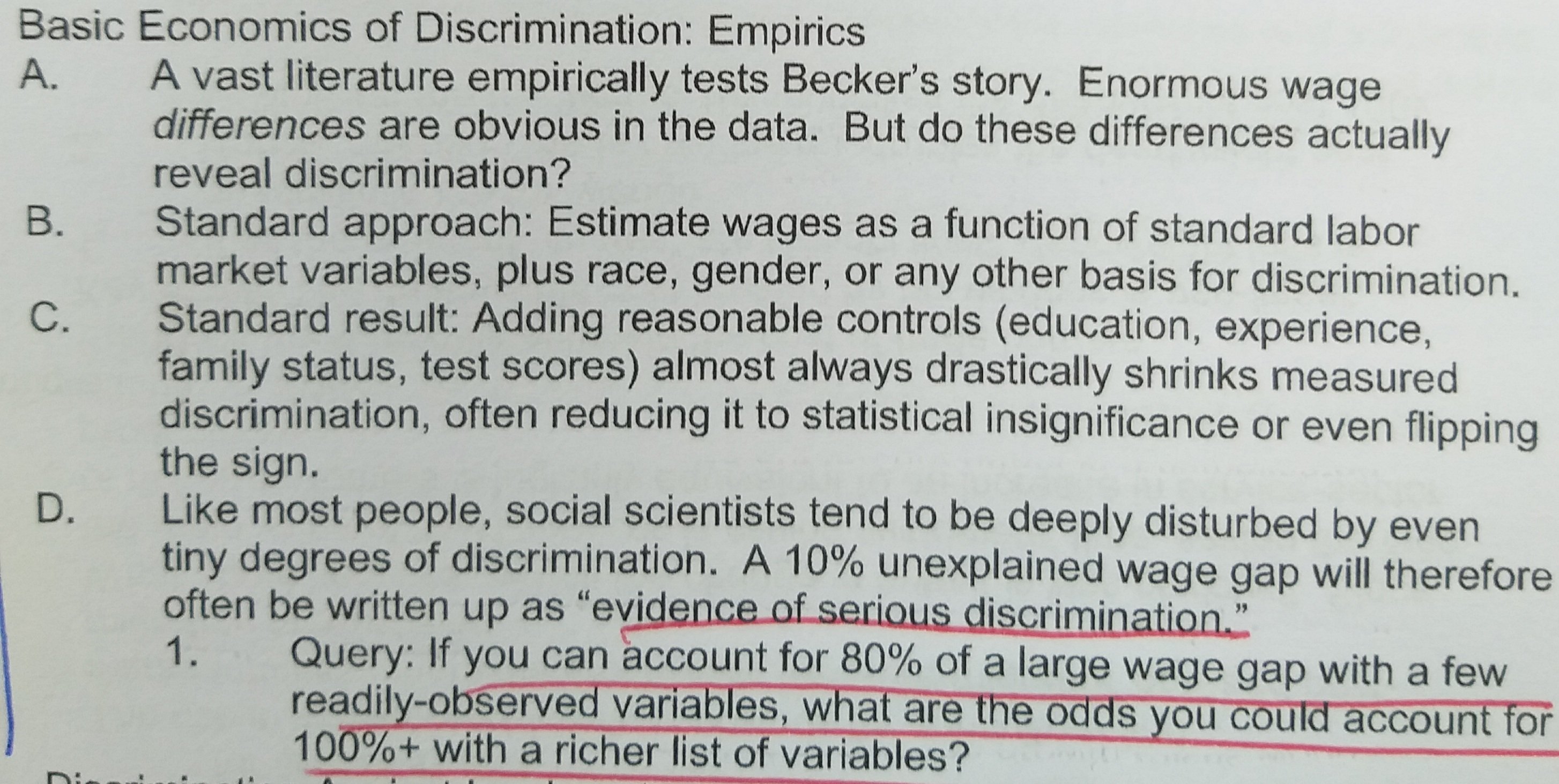
in applied price theory, discrimination, economics of education, human capital, labour economics, labour supply, liberalism, libertarianism, minimum wage, occupational choice, occupational regulation, poverty and inequality, unemployment, welfare reform
Stanley: The Impossible Life of Africa’s Greatest Explorer by Tim Jeal (2)
01 Sep 2021 Leave a comment
‘Niama! Niama!’ (‘Meat! Meat!’)
The excited cry of cannibals on the Congo river when they saw Stanley’s expedition approaching (p.197)
Jeal’s exemplary and hugely researched biography (winner of the Sunday Times Biography of the Year award 2007) takes 570 pages (including notes, index etc) to given an immensely detailed narrative of the life of Henry Morton Stanley, widely acknowledged to be the greatest European explorer of Africa. There’s a huge amount about his disastrous childhood, his adventures as a young man, his numerous romantic attachments ie the various engagements which collapsed because he kept on disappearing off to Africa for years , speculation about his psychological profile and needs (an orphan in search of a father who created surrogate families of younger men on his various expeditions).
What interested me more was the general light Jeal’s book shed on the Africa of the 1870s. The French owned Algeria and had…
View original post 1,884 more words
Competition and Entrepreneurship Steve Horwitz
01 Sep 2021 Leave a comment
in applied price theory, Austrian economics, economics of information, entrepreneurship, history of economic thought, industrial organisation
Tank Development in World War 1
01 Sep 2021 Leave a comment
in defence economics, war and peace Tags: World War I
John Taylor Defends a Rules-Based Monetary Policy | Policy Briefs
01 Sep 2021 Leave a comment
in business cycles, inflation targeting, macroeconomics, monetary economics
Quantifying the Damage of Biden’s Plan for Higher Taxes on Capital Gains, Part I
31 Aug 2021 Leave a comment
Public finance theory teaches us that the capital gains tax should not exist. Such a levy exacerbates the bias against saving and investment, which reduces innovation, hinders economic growth, and lowers worker compensation.
All of which helps to explain why President Biden’s proposals to increase the tax burden on capital gains are so misguided.
He wants a radical increase in the tax rate on capital gains – from 23.8 percent to 43.4 percent, the highest burden in the world.- He wants to impose capital gains tax on assets when people die, even if assets aren’t sold and there are not any actual capital gains.
Thanks to some new research from Professor John Diamond of Rice University, we can now quantify the likely damage if Biden’s proposals get enacted.
Here’s some of what he wrote in his new study.
We use a computable general equilibrium…
View original post 601 more words
California Planted Trees to Fight Climate Change. Those Trees Are Now on Fire.
31 Aug 2021 Leave a comment
Smoke from a California wildfire [image credit: BBC] Factors such as poor forest management policies, as mentioned by the previous US President, and arson don’t get a look in here, as it’s all about ‘fighting climate change’ and ‘the climate crisis’ and suchlike pop slogans. Nevertheless the author makes a good point about some of the hazards of so-called carbon offsets. Quote: “We’ve bought forest offsets that are now burning” – Microsoft’s carbon program manager at a carbon removal panel earlier this month.
– – –
California’s emissions reduction program is going up in smoke because regulators severely underestimated the impact of climate change–fueled wildfires, claims Jacobin mag.
In 2013, California passed a landmark law that capped greenhouse gas emissions, but let companies offset their pollution overages by investing in forest preservation throughout the country — the idea being that trees absorb excess carbon from the atmosphere.
The statute…
View original post 201 more words
Hitchens’ opinion on Chomsky
31 Aug 2021 Leave a comment
in defence economics, laws of war, war and peace Tags: regressive left, war against terror
Ecological Imperialism: The Biological Expansion of Europe 900-1900 by Alfred W. Crosby (1986)
30 Aug 2021 Leave a comment
If we seek the roots of the success of European imperialism, we must be off to the Middle East, to Abraham, to Gilgamesh and the cultural ancestors of all of us who eat wheaten bread, smelt iron, or record our thoughts alphabetically… We – you who read and I who write this sentence – are part of that continuity; these words are in an alphabetical form of writing, a very clever Middle Eastern invention produced by peoples even more directly influenced by the Sumerian example than we are. The Sumerians and the inventors of the alphabet, and you and I, no matter what our genetic heritage, are in one category: heirs of post-Neolithic Old World cultures. All Stone Age peoples, including the few living, and all pre-Columbian Amerindians, however sophisticated, are in another. The indigenous populations of the Neo-Europes were in the second category until Europeans arrived from beyond the…
View original post 3,515 more words
Stanley: The Impossible Life of Africa’s Greatest Explorer by Tim Jeal (2007)
30 Aug 2021 Leave a comment
The workhouse boy in paradise… (p.104)
When news broke that the large and expensive expedition led by the American journalist Henry Morton Stanley and funded by the biggest newspaper in America, the New York Herald, had succeeded in locating the ‘lost’ Scottish missionary, Dr David Livingstone, in deepest darkest Africa (in fact, at the town of Ujiji on the shores of Lake Tanganyika on 10 November 1871) it was telegraphed round the (developed) world and overnight made Stanley one of the most famous men on the planet.
Over the next 15 years Stanley would lead a series of epic expeditions through central Africa, making important geographical discoveries, drafting maps, establishing contact with local inhabitants, naming lakes and waterfalls and founding settlements which last to this day, especially along what developed into his main area of activity the enormous Congo river.
Stanley’s later expeditions were financed by King Leopold II of…
View original post 4,378 more words

Recent Comments