
“It’s Not Going to End Well for Them”: Susan Rice Joins Call for a Revenge Purge After Democrats Re-Take Power
22 Feb 2026 Leave a comment
in economics of crime, law and economics, politics - USA

As Democrats plan for the possible takeover in the midterms and 2028 election, they are already openly discussing their push…
“It’s Not Going to End Well for Them”: Susan Rice Joins Call for a Revenge Purge After Democrats Re-Take Power
Clearing up some misconceptions about the DoE report
22 Feb 2026 1 Comment
in economics of bureaucracy, economics of climate change, economics of regulation, energy economics, environmental economics, environmentalism, global warming, politics - USA, Public Choice
by Ross McKitrick Last year I had the privilege of working with a small team (me, Judy Curry, John Christy, Steve Koonin and Roy Spencer) on a draft report for U.S. Energy Secretary Chris Wright on the topic of climate … Continue reading → The post Clearing up some misconceptions about the DoE report appeared…
Clearing up some misconceptions about the DoE report
The Case Against Net Zero
22 Feb 2026 1 Comment
in economics of climate change, economics of regulation, energy economics, environmental economics, environmentalism, global warming Tags: British politics

By Paul Homewood Robin Guenier has updated his Case Against Net Zero: In October 2008, Parliament passed the Climate Change Act requiring the Government to ensure that by 2050 ‘the net UK carbon account’ was reduced to a level at least 80% lower than that of 1990; this refers to CO2 and […]
The Case Against Net Zero
Trump’s Tariffs Have Not Shifted the Trade Deficit
21 Feb 2026 1 Comment
in international economics, politics - USA Tags: free trade, tarrifs

The recent Supreme Court decision that President Trump did not have arbitrary and unbounded powers he has claimed to impose or retrace tariffs came as no surprise, for a variety reasons laid out in earlier posts here, here, and here. But here I want to focus on a different claim: that the reason for tariffs…
Trump’s Tariffs Have Not Shifted the Trade Deficit
Sewage, scrutiny, and the politics of accountability
21 Feb 2026 Leave a comment
in economics of bureaucracy, environmental economics, environmentalism, politics - New Zealand, Public Choice, urban economics Tags: water pollution
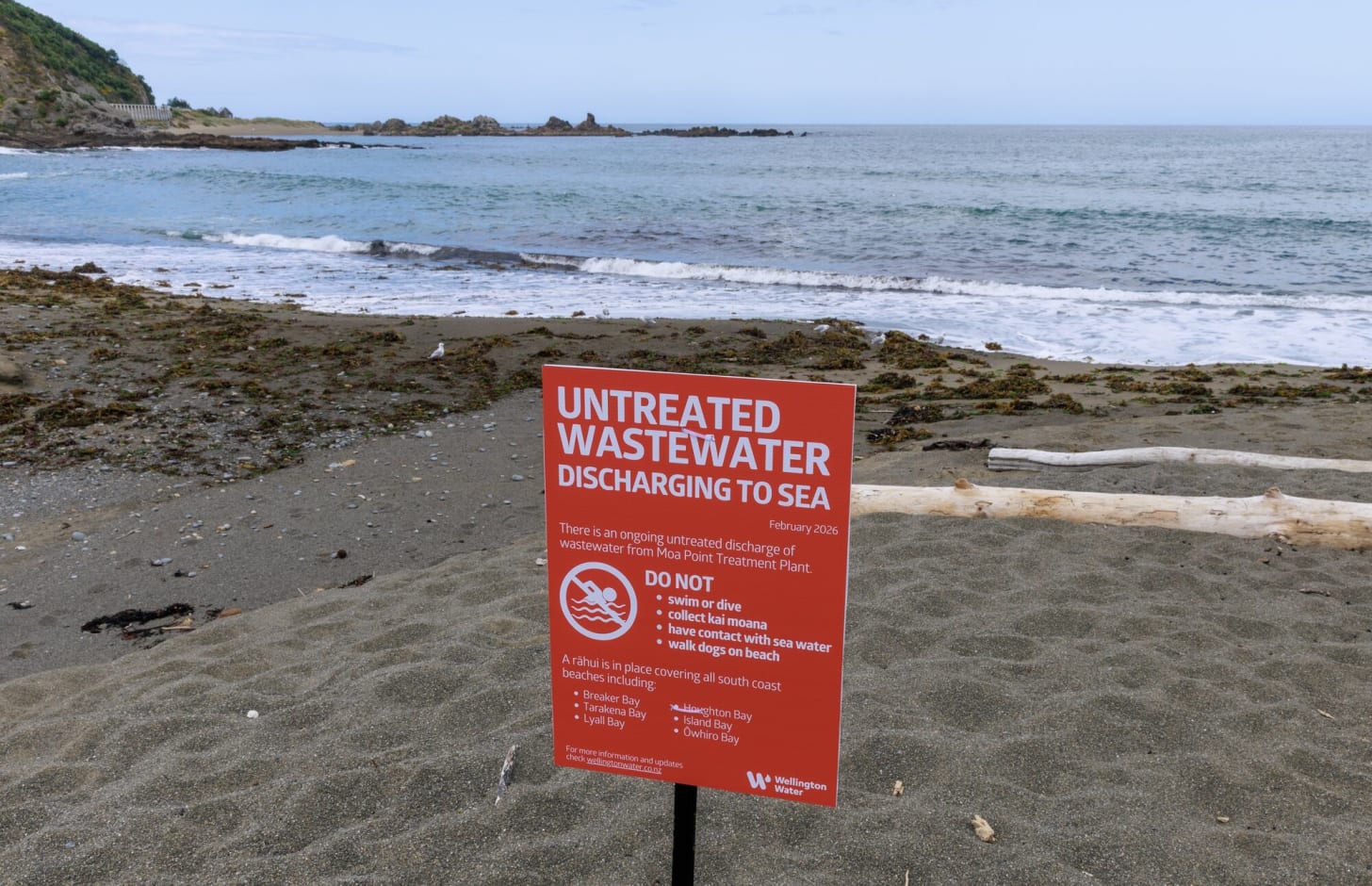
Is it racist to be angry at elected representatives? Moa Point as a case study… When a city pumps tens of millions of litres of raw sewage into the sea day after day, the public is entitled to anger. There is human waste in the sea and on the shore, beaches are closed in peak […]
Sewage, scrutiny, and the politics of accountability
Nature, ideologically captured, uses “pregnant people” instead of “pregnant women”
21 Feb 2026 Leave a comment
in discrimination, economics of education, gender, law and economics, politics - USA Tags: sex discrimination

Here’s a new article in Nature (click on the title screenshot below to read it); it’s about the dearth of information about the safety of drugs used by pregnant women. Except, to Nature, they refer not to “women” but to “pregnant people,” for in the article, that is about the only term that refers to…
Nature, ideologically captured, uses “pregnant people” instead of “pregnant women”
Damned if they do, damned if they don’t: The billion-dollar bill for Labour’s gas ban
20 Feb 2026 Leave a comment
in applied price theory, economics of bureaucracy, economics of climate change, economics of regulation, energy economics, environmental economics, environmentalism, global warming, politics - New Zealand, Public Choice
Few policies manage to unite the left, the right and the Taxpayers’ Union in opposition. The Government’s billion-dollar LNG import terminal in Taranaki managed it inside 24 hours. By Tuesday morning, it had been attacked from the left as a gas tax, from the right as a new levy on households, and from the commentariat […]
Damned if they do, damned if they don’t: The billion-dollar bill for Labour’s gas ban
PEN America gets captured: organization accepts Palestine as a member and rejects Israel; Jewish chief executive resigns after accusations of being a “Zionist” and not signing on to Israel’s “genocide”
20 Feb 2026 Leave a comment
in economics of education, liberalism, Marxist economics, politics - USA Tags: free speech, Israel, Middle-East politics, political correctness, regressive left

Every day, it seems, another group gets ideologically captured, valorizing Palestine (or Hamas) and demonizing Israel. This is dispiriting for Jews, but the latest such capture—of the free-expression literary group PEN America—is especially depressing. The decline of PEN American was first evidenced to me when, in 2015, it decided to give a “freedom of expression”…
PEN America gets captured: organization accepts Palestine as a member and rejects Israel; Jewish chief executive resigns after accusations of being a “Zionist” and not signing on to Israel’s “genocide”
Greens announce their new crime policy is to pretend there is none!
20 Feb 2026 Leave a comment
in economics of crime, law and economics, politics - New Zealand
An amazing interview at The Spinoff: Swarbrick said she had regularly told Beck that contributing to a media narrative of the city centre being all “chaos and crime and knives and guns” resulted in less foot traffic, less vibrancy and less safety. “I have personally contacted Viv and spoken to her at a number of meetings…
Greens announce their new crime policy is to pretend there is none!
Even auto giants know it: the electric car boom is out of charge
19 Feb 2026 Leave a comment
in economics of bureaucracy, economics of climate change, energy economics, environmental economics, environmentalism, global warming, income redistribution, Public Choice, rentseeking, transport economics Tags: electric cars

By Paul Homewood h/t Ian Magness From the Telegraph: “I think the customer has spoken. That’s the punchline,” said Jim Farley, the chief executive of Ford. The American boss was speaking last week as his company unveiled a $5bn (£3.7bn) annual loss, barely two months after it had booked a shock $19.5bn write-down. The […]
Even auto giants know it: the electric car boom is out of charge
A course of indoctrination at the University of Chicago
19 Feb 2026 Leave a comment
in defence economics, discrimination, economic history, economics of crime, International law, law and economics, laws of war, liberalism, Marxist economics, politics - USA, war and peace Tags: economics of colonialism, Gaza Strip, Israel, Middle-East politics, regressive left, war against terror, West Bank

There are many courses in universities that seem not to be exercises in objective teaching and learning, but rather courses designed to foist certain political ideologies or points of view on students. One of them at this university was called to my attention by several in our community; it seems to be a course on…
A course of indoctrination at the University of Chicago
January 2026 Winter Storm Impacts on New York Grid
19 Feb 2026 Leave a comment
in economics of climate change, energy economics, environmental economics, environmentalism, global warming Tags: solar power, wind power
During and following the January winter storm there were at least eight consecutive days when the New York total wind and solar production was less than 6% of the capacity available. These are the conditions that require DEFR. Without DEFR, intermittent, diffuse, and correlated electric generating resources are not viable. Given that there is no…
January 2026 Winter Storm Impacts on New York Grid
The Economic Burden of Protectionism, Part II
18 Feb 2026 Leave a comment
in applied price theory, industrial organisation, international economics, politics - USA Tags: free trade, tarrifs

In Part I of this series, we reviewed some new research from the New York Federal Reserve. That study showed that Americans bear about 90 percent of the burden of Trump’s Liberation Day trade taxes. Though I added my own two cents because I don’t actually care that much about who bears the burden of […]
The Economic Burden of Protectionism, Part II
Any Hope for a European Economic Renaissance?
18 Feb 2026 Leave a comment
in applied price theory, budget deficits, economic growth, economic history, economics of education, economics of regulation, fiscal policy, industrial organisation, labour economics, labour supply, macroeconomics Tags: European Union
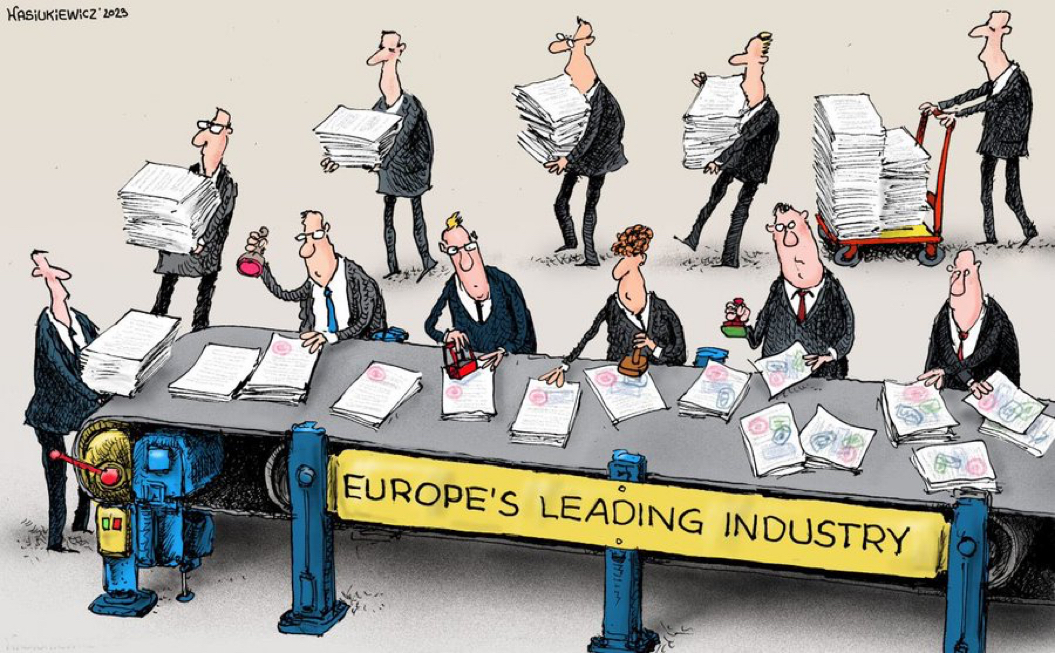
The good news is that Europe has a lot of economic freedom by world standards. Especially Western Europe. The bad news is that economic freedom has been declining in Western Europe. To make matters worse, Europe has a big demographic problem, with a growing number of older people over time who have been promised benefits […]
Any Hope for a European Economic Renaissance?


Recent Comments