Catholic Counter-Reformation: Crash Course European History #9
16 Sep 2021 Leave a comment
in economic history, economics of religion Tags: Reformation
How the German overhang and compensation system works
15 Sep 2021 Leave a comment

Heinz Brandenburg on Twitter walks readers through a very useful explainer on how the current Germany version of MMP deals with overhangs through a multi-layered compensation mechanism, and why it could mean the new Bundestag will top out at more than 800 seats!
It is best to read it in its native Twitter, but following is the text of most of it (courtesy of the ThreadReader app) . The starting point, not quoted here, is a poll of current party standing in the state of Bavaria.
[the remainder of this text is not mine, but Brandenburg’s; numbers correspond to tweets in the thread]
____________________________________________________________________________
Last time around, the CSU won 38.8% of the vote but all of the constituencies in Bavaria (they even swept all of Munich). That results in so-called overhang and compensatory seats.
How are these calculated?
1/Well, there are 93 regular seats allocated to Bavaria, 46…
View original post 664 more words
Pumped hydro more expensive than batteries: the intro
15 Sep 2021 Leave a comment

At the end of last week, I came across a SolarQuotes article about Snowy Hydro 2.0 being more expensive than batteries. Snowy Hydro 2.0 is a pumped hydro project in Australia (New South Wales and Victoria) and is currently under construction. The brunt of the article is that pumped hydro is too expensive compared to (grid sized) batteries and makes the plea to halt the project in favor of batteries.
That was new to me. As far as I know, pumped hydro is the cheapest way of dispatchable backup in order to counter intermittency and definitely cheaper than batteries. Yet, the author of this article argues that it is the exact opposite.
The name of the author of the article, Ronald Brakels, rings a bell. Not even a year ago, I wrote a post on his claim that South Australia has the second cheapest electricity in Australia, despite…
View original post 1,198 more words
The Problem with Faster Highways (Downs-Thompson Paradox) | Game Theory Puzzles
15 Sep 2021 Leave a comment
in transport economics, urban economics Tags: game theory, public transport
‘CO2 levels’ and your ‘carbon footprint’ — NOT the problem you’ve been told
15 Sep 2021 Leave a comment

 CO2 is not pollution
Irrational fears about essential carbon dioxide in relation to the Earth’s climate have long since degenerated into superstition or old wives’ tales, for which we’re all paying the price, as discussed here.
– – –
Last year a student at a nearby university complained she couldn’t focus in class; she was convinced high levels of carbon dioxide (CO2) were the cause, says Dan Nevert @ CFACT.
The entire building was immediately evacuated and tested for “toxic levels of this dangerous gas.” After determining the CO2 levels were less than 500 parts-per-million (ppm), the classroom air was considered “safe” and classes again resumed.
Recently, this same school advertised that you can now “offset carbon emissions from previously completed university-funded ground-transportation and air travel trips” — by filling out a “travel carbon offsets” form, available in their “Sustainability Office.” Plus, this school is offering a course on…
View original post 383 more words

Aileen McHarg and Alison L. Young: The Resilience of the (Old) British Constitution
14 Sep 2021 Leave a comment


 In 2009, Vernon Bogdanor wrote about The New British Constitution. His thesis was that a decade of New Labour reforms had produced a shift in the nature of the constitution, from one based on parliamentary sovereignty, to one based on the ‘sovereignty of the constitution’. Since 2009, further constitutional reforms have been implemented by governments of various political stripes, apparently consolidating the legalisation of the constitution, and the dispersal of power from the institutions of central government to Parliament, the devolved institutions, and the courts. The New British Constitution appeared to be firmly established. Recent events, however, demonstrate the shaky foundations of this new constitutionalism, with a growing trend towards a weakening of both legal and political checks on Governmental power. This blog post draws attention to this worrying trend, focusing on three key examples. It is based on the findings of the first report of the Constitutional Monitoring Group…
View original post 1,631 more words
Vernon Bogdanor: Reply to McHarg and Young
14 Sep 2021 Leave a comment
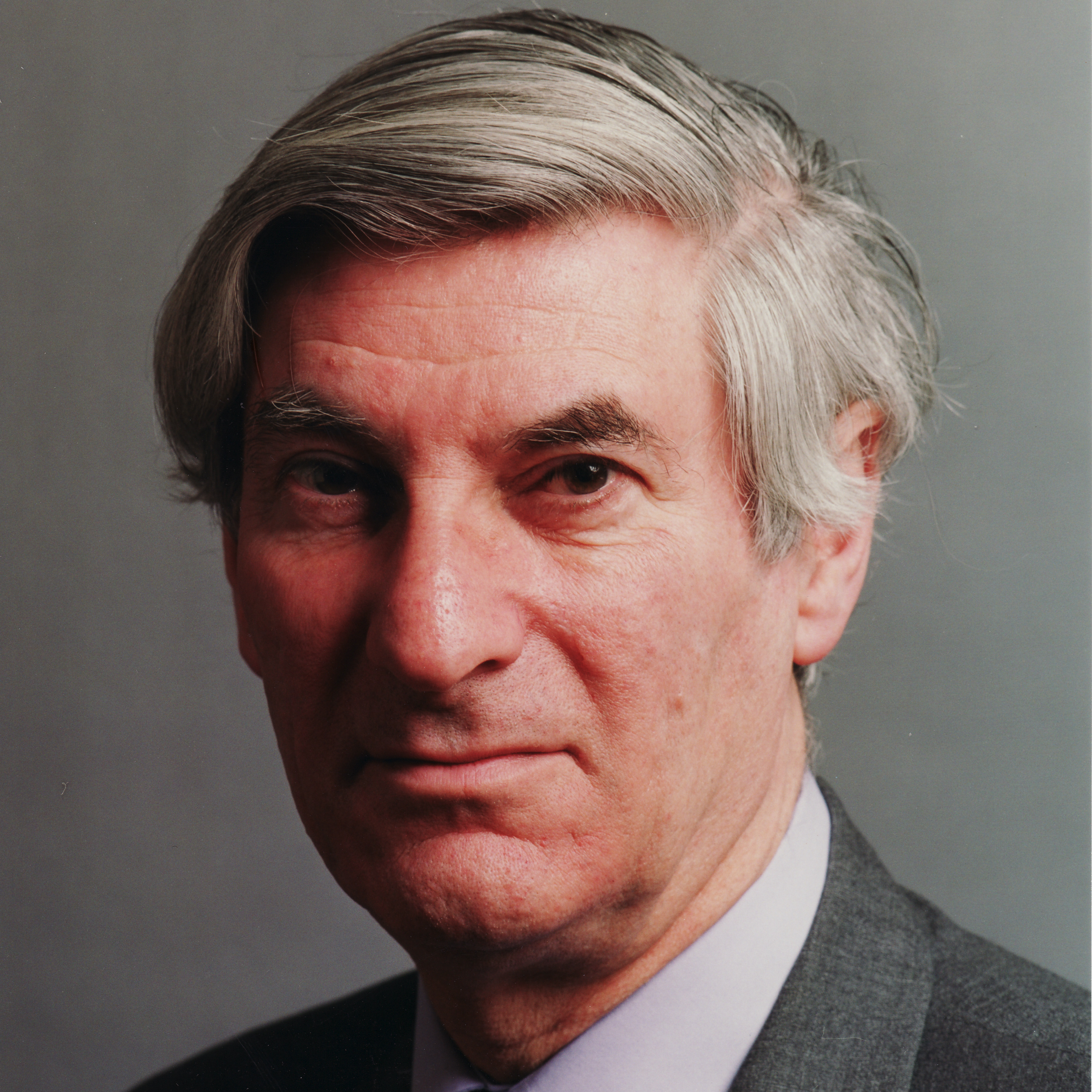 Aileen McHarg and Alison Young believe that the new British constitution, which I wrote about in my book of that name published in 2009 is less securely based than I suggested.
The pillars of that new constitution were, I argued, the Human Rights Act, the devolution settlement, the referendum, and the new arrangements for the government of London which provided for Britain’s first directly elected mayor.
All of these pillars remain in place. Indeed, as McHarg and Young acknowledge, two of them have been strengthened. The devolved bodies in Scotland and Wales have gained new powers since 2009, most notably the power in effect to determine income tax rates in the Scotland Act of 2016 and the Wales Act of 2017. Devolution and directly elected mayors have been extended to England by means of the Cities and Local Government Devolution Act of 2016. Around one-third of the people of England…
View original post 727 more words
Wind & Solar Cult Bans Nuclear Power Promoters from Climate Change Conference
14 Sep 2021 Leave a comment

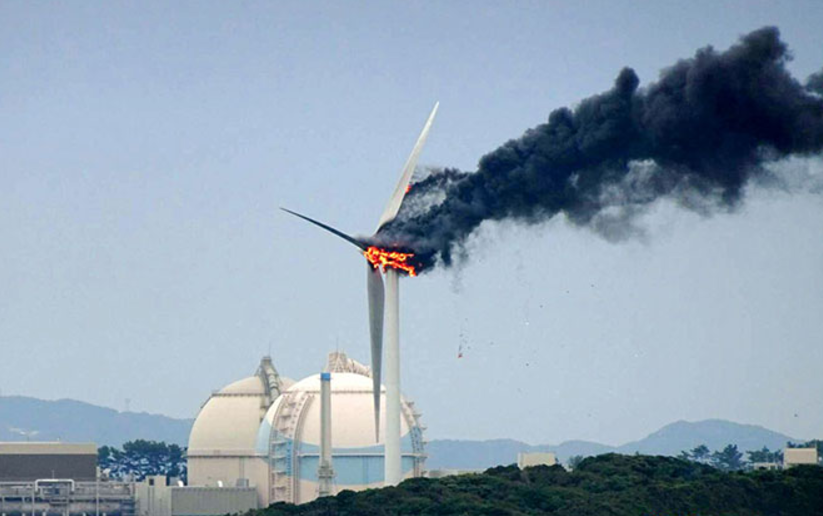
The climate cult’s true colours are revealed when it actively agitates against nuclear power; bad enough that they won’t promote it, worse still when they seek to sabotage nuclear power’s prospects, altogether.
This is the crowd out to convince us that man-made carbon dioxide gas is “pollution” which, unless you stop generating it, will result in an inevitable Armageddon, where all life on earth perishes. The naturally occurring kind doesn’t trouble them, apparently.
If, however, these characters were in earnest, they would be berating governments to start building nuclear power plants as fast as humanly possible. Nuclear power is the only stand-alone power source that does not generate carbon dioxide emissions during that process and that’s also available on demand, whatever the weather or time-of-day.
Just why those who jump up and down about human-generated carbon dioxide gas refuse to promote ever-reliable, safe and affordable nuclear power is hard to…
View original post 529 more words
Entrepreneurship and the Market Process | Israel Kirzner
14 Sep 2021 Leave a comment
in applied price theory, Austrian economics, economics of information, entrepreneurship, history of economic thought, Israel Kirzner


Recent Comments