Allied Defense During Spring Offensives 1918 I THE GREAT WAR Special
14 Jul 2021 Leave a comment
in defence economics, war and peace Tags: World War I
Rats! Tesla won’t pay for rodent damage to cars
14 Jul 2021 Leave a comment

 Any Teslas round here? [image credit: Edal Anton Lefterov @ Wikipedia] A bit of light relief perhaps, unless you’re already one of the victims or could soon become one. Are electric cars more appealing than combustion-engined types to hungry rodents? Check those brake cables.
– – –
Elon Musk may have a rat problem, says The New York Post.
Fans of the South African billionaire’s electric cars say rats, mice and rodents are chomping down on their Teslas.
And despite having dropped tens of thousands of dollars to buy the pricey vehicles, Tesla refuses to cover the damage.
View original post 261 more words
Jonathan Haidt: The Coddling of the American Mind
14 Jul 2021 Leave a comment
in discrimination, economic history, economics of education, gender, human capital, labour economics, law and economics, liberalism, Marxist economics, occupational choice Tags: political correctness, regressive left
Why parrots can talk like humans
14 Jul 2021 Leave a comment
in economics of education, economics of media and culture
Walter Williams
13 Jul 2021 Leave a comment

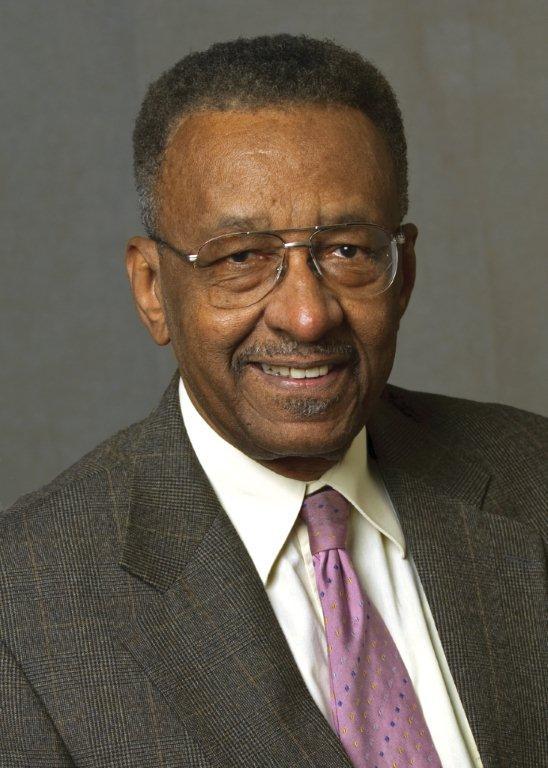
Walter Williams passed away this morning. He was a well-known professor of economics at George Mason University, having written, lectured, and debated extensively in defense of libertarianism. His contributions to the movement were enormous, and all those who value freedom should be grateful for the ideas he spread and the people he inspired.
If you are not familiar with Williams, please take some time to read his writings and view his media appearances. And if you are familiar, please honor his memory by spreading his wisdom to friends and family.
View original post 4 more words
Review of The Armchair Economist
13 Jul 2021 Leave a comment
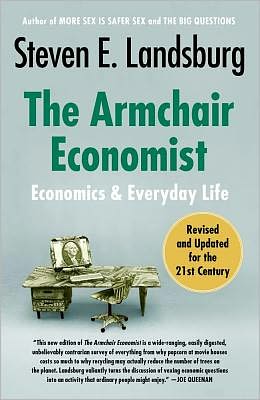 Steven Landsburg, The Armchair Economist
Steven Landsburg‘s The Armchair Economist is a book that anarcho-capitalists will appreciate for two reasons.
First, as an outreach tool it provides a solid introduction to economic ideas from a free market perspective. The concepts covered are simple enough for anyone to understand, but remarkable enough to spark interest in economics and the dangers of government. With fun examples and amusing anecdotes, it will help find those who are curious, open-minded, and almost ready for more earth-shattering works by anarcho-capitalists.
Second, the book comes from a mainstream free-market perspective that will not only force ancaps to hone their thinking, but also teach them a few tricks that are not found in the works of Austrian School economists. Most ancaps will pick up new arguments for freedom that will resonate with regular people, and learn interesting points about economic history that they may not…
View original post 550 more words
Libertarianism, Classical Liberalism, Right Wing Populism, and Democracy
13 Jul 2021 Leave a comment

An interesting exchange has occurred between Will Wilkinson of the Niskanen Center and Ilya Somin writing for the Washington Post on the issue of the influence of libertarianism over the modern Republican Party’s erosion of liberal democratic norms. Inhis initial piece, Wilkinson seemed to argue that the Libertarian view of absolutism in regards to property rights which was a way to offer an emotionally gratifying alternative to socialist redistribution was responsible for the Right’s adoption of a populist outlook which eroded democratic norms, for example, policies like Voter ID and Gerrymandering. Ilya Sominresponded by pointing out that the libertarian “absolutist” conception of property rights had next to nothing to do with why many libertarians Wilkinson cites are skeptical of democracy. Wilkinsonresponded by saying his initial argument was confusingly stated, not that absolutist property rights is driving democratic erosion on the part of the right, by trying…
View original post 3,327 more words
Reality Bites: Americans Finally Waking Up to the Nightmare Cost of Unreliable Wind and Solar
13 Jul 2021 Leave a comment


The wind and sun may be free, but wind and solar power are anything but. Hidden ‘green’ taxes, costs and charges, not to mention massive subsidies redirected from both taxpayers and power consumers to wind and solar generators are just the beginning.
The market distortions created by those subsidies have wrecked the ability of conventional generators to deliver power as and when we need it, at prices that we can afford. But that was precisely the point.
Francis Menton has been targeting the true costs of wind and solar, for years now. Here he is detailing the nightmarish cost of the unreliables.
Texas Starts Waking Up To The Issue Of The Full Costs Of “Renewables”
Manhattan Contrarian
Francis Menton
20 June 2021
The promoters of the climate scam have a variety of deceptions to get the gullible to accede to their socialist plans. Those deceptions range from the quite sophisticated…
View original post 1,147 more words
Best bets for public investment: Infrastructure keynote and discussion
13 Jul 2021 Leave a comment
in applied price theory, applied welfare economics, comparative institutional analysis, economic history, economics of bureaucracy, organisational economics, transport economics, urban economics
Carbon taxation Esteban Rossi-Hansberg
13 Jul 2021 Leave a comment
in applied price theory, applied welfare economics, comparative institutional analysis, energy economics, environmental economics, global warming, industrial organisation
Daron Acemoğlu | Remaking the Post-Covid World | Oxford Union Web
13 Jul 2021 Leave a comment
in applied price theory, development economics, economic history, economics of education, entrepreneurship, human capital, industrial organisation, labour economics, labour supply, occupational choice, poverty and inequality
Steven Pinker/Peterson: What Social Justice got Totally Wrong
13 Jul 2021 Leave a comment
in discrimination, economics of education, entrepreneurship, health and safety, human capital, industrial organisation, labour economics, labour supply, liberalism, Marxist economics, occupational choice, poverty and inequality, survivor principle


Recent Comments