Erwin Rommel: The General Who Defied Hitler
09 May 2021 Leave a comment
in defence economics, war and peace Tags: World War II
Question Time with Thomas Schelling
09 May 2021 Leave a comment
in defence economics Tags: nuclear deterrence, Thomas Schelling
Fifty Shades of Republic | Part 2: presidential (gubernatorial) veto powers
08 May 2021 Leave a comment
This post is part of Fifty Shades of Republic, a series reviewing US political institutions at the state level
One of the most significant aspects of any presidential system is the extent of a president’s legislative power. Despite being known as the main example of a “separation of powers system”, few presidential systems really separate the classic “powers” (judicial, executive, and legislative) – instead, as Neustadt (1960) puts it in Presidential Power and the Modern Presidents, presidentialism typically creates a separation of offices which share powers.
The US constitution features a package veto subject to a two-thirds override. ‘Package’ means that when presented with a bill or resolution passed by Congress, the President can only agree to the proposal in full or veto it in full; by contrast, many presidents around the world, and governors of many US states, possess some version of an ‘amendatory’, ‘partial’, or ‘final…
View original post 1,659 more words
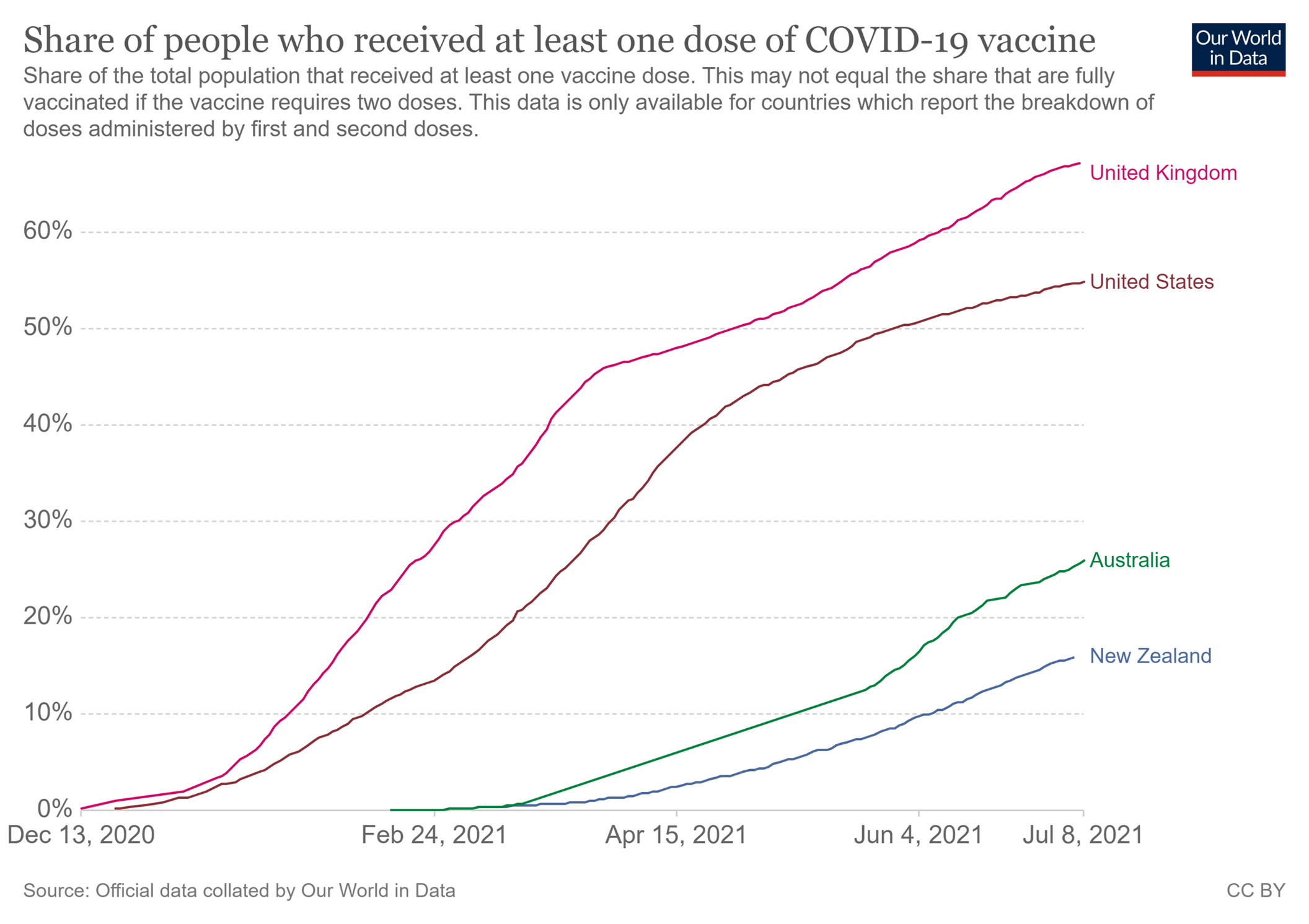
Covid-19 Vaccination Race
07 May 2021 Leave a comment
in health economics Tags: economics of pandemics
May 6, 1910: Death of King Edward VII of the United Kingdom of Great Britain and Ireland.
07 May 2021 Leave a comment
Edward VII (Albert Edward; November 9, 1841 – May 6, 1910) was King of the United Kingdom of Great Britain and Ireland and the British Dominions, and Emperor of India from January 22, 1901 until his death in 1910.
The eldest son of Queen Victoria and Prince Albert of Saxe-Coburg and Gotha, and nicknamed “Bertie”, Edward was related to royalty throughout Europe. He was Prince of Wales and heir apparent to the British throne for almost 60 years.
During the long reign of his mother, he was largely excluded from political influence and came to personify the fashionable, leisured elite. He travelled throughout Britain performing ceremonial public duties, and represented Britain on visits abroad.
His tours of North America in 1860 and of the Indian subcontinent in 1875 proved popular successes, but despite public approval, his reputation as a playboy prince soured his relationship with his mother.
As king, Edward…
View original post 558 more words
The Stuarts: James II & The Glorious Revolution (1685-1689)
07 May 2021 Leave a comment
Whig historians would have us remember James II as a Catholic despot whose deposition was vital to the preservation of the British monarchy. His short but fractious reign was rife with tensions between Whig and Tory, Catholic and Protestant, and most importantly King and Parliament. The tumult only subsided when the Catholic king fled into exile, leaving his kingdom in the hands of a Protestant Dutchman, William of Orange.
As a young boy James was known to all as the Duke of York. He was concealed from the Parliamentarians during the Civil War while studying at Oxford, one of the last remaining Royalist strongholds. When the city of Oxford was under siege James fled, disguised as a woman, to the safer shores of the Hague and then to France to be with his mother. There he became an able soldier fighting alongside the French and the Spanish armies. He also…
View original post 2,442 more words
Bugger all union wage premium
07 May 2021 Leave a comment
in applied price theory, labour economics, labour supply, unions Tags: union power, union wage premium

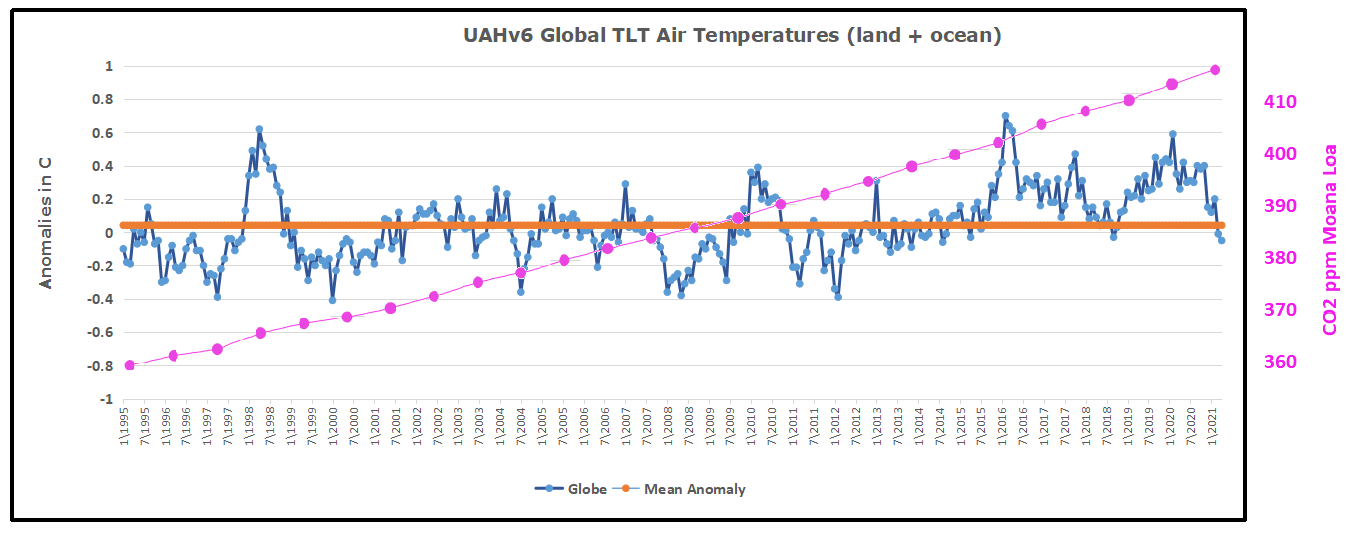
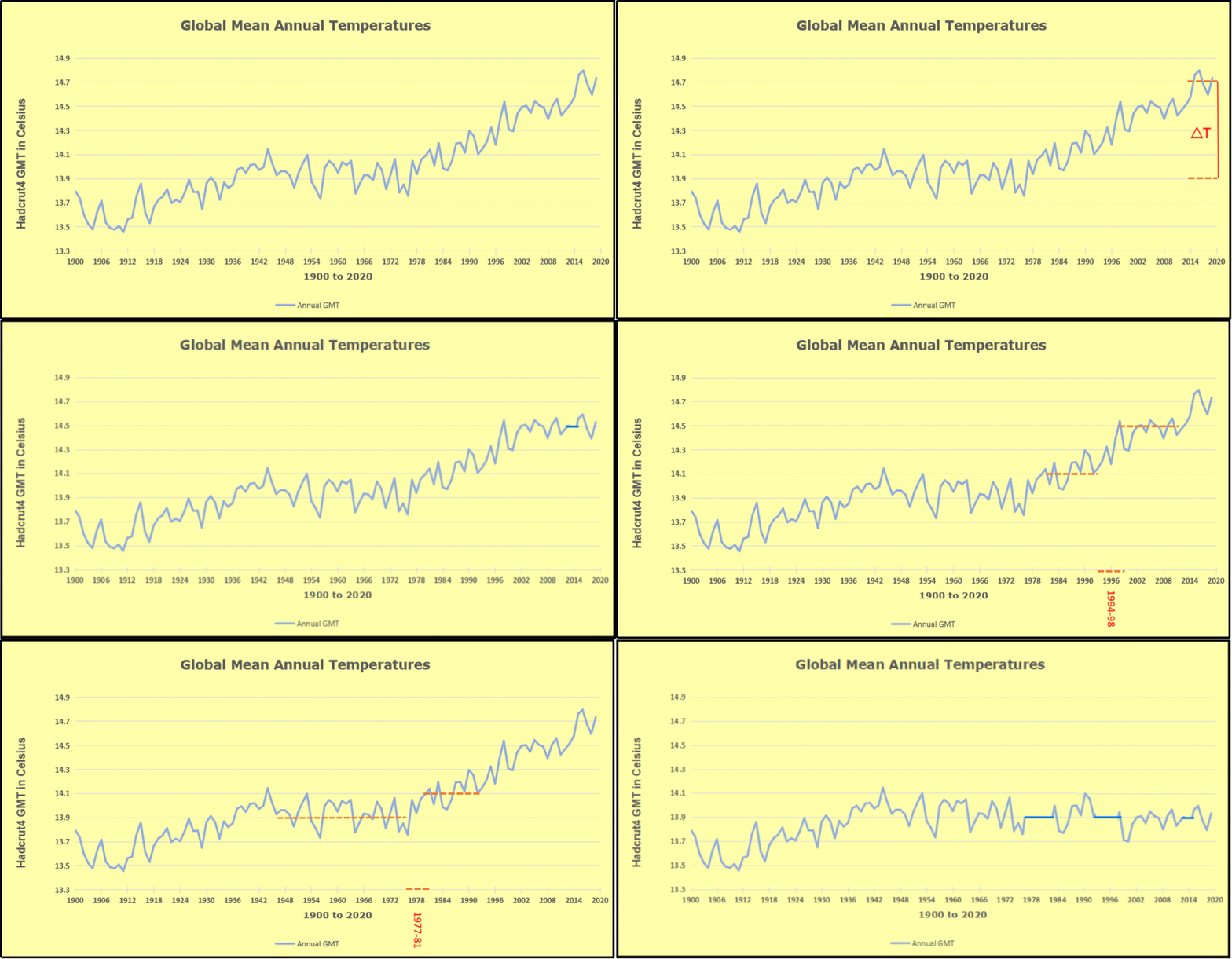
David D Freidman 2013 – Global Warming and Other Good Things in Our Future
07 May 2021 Leave a comment
in applied price theory, applied welfare economics, comparative institutional analysis, David Friedman, energy economics, environmental economics, global warming
The First British Royal Consort: Prince George of Denmark, duke of Cumberland
07 May 2021 Leave a comment
In the latest post for the Georgian Lords, Dr Charles Littleton considers the career of Prince George of Denmark, consort of Queen Anne, who proved an important support for one of Britain’s unfairly underrated sovereigns.
The recent tributes to HRH Prince Philip, duke of Edinburgh, have emphasized that, at 69 years, he was the longest-serving royal consort in British history, with an active life of public service in support of his wife, HM the Queen. He has been frequently compared to Queen Victoria’s husband, Prince Albert of Saxe-Coburg & Gotha. Far less well-known, however, is the first royal consort of a British queen – George, like the duke of Edinburgh a prince of the Danish royal line, who married Princess Anne, younger daughter of James, duke of York, in 1683.
Charles II provided the abiding impression of Prince George of Denmark with his observation, that ‘drunk or sober, there…
View original post 952 more words
Rocketing Power Prices & Grid Chaos: Germany’s Energy ‘Transition’ an Unmitigated Disaster
06 May 2021 Leave a comment
If the object of its renewable energy ‘transition’ was World’s highest power prices, it’s mission accomplished for Germany’s ‘Energiewende’.
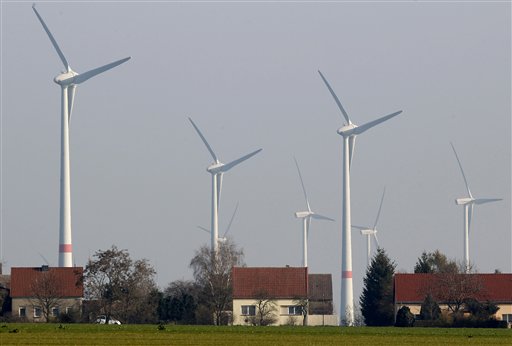
More than 30,000 wind turbines and millions of solar panels have made Germany the wind and solar cult’s favourite pinup girl. But there is not so much enthusiasm for Germany’s ‘green’ energy turn amongst businesses forced to power down when solar panels are blanketed in snow and ice, wind turbines are frozen solid and breathless, frigid weather means Germany’s fleet of whirling wonders are delivering absolutely nothing, at all.
Nor are there many fans amongst the millions of Germans who are struggling with power bills and the hundreds of thousands living without access to power because they can no longer afford it.
An audit report recently released in draft is telling German households and businesses what they already know: Germany’s renewable energy ‘transition’ is an unmitigated disaster.
Germany Energy Taxes to…
View original post 1,286 more words
The measure of monopsony – Alan Manning
06 May 2021 Leave a comment
in applied price theory, labour economics, labour supply
State sector wage premium @TaxpayersUnion
06 May 2021 Leave a comment
in applied price theory, applied welfare economics, human capital, labour economics, labour supply, occupational choice, politics - New Zealand, poverty and inequality, unions Tags: compensated differentials

Free speech in Parliament challenged: Maori Party MPs press the Speaker to bar questions they regard as “racist”
06 May 2021 Leave a comment
The Speaker was reprimanded by the PM yesterday, in the aftermath of the furore generated when he accused a former parliamentary staffer – to whom he had previously apologised for claiming he was a rapist – of sexual assault.
Then he was chided by Maori Party co-leader Debbie Ngarewa-Packer for failing to stop “racist” questions being asked in Parliament.
Other than Hansard, the only account of this attempt to curb MPs’ right to speak freely in Parliament was a Newshub report headed Rawiri Waititi lashes out at ‘Māori bashing’ in Parliament as Jacinda Ardern challenges Judith Collins to say ‘partnership’
But to whom – we wonder – is the Speaker accountable?
To Members of Parliament, we would have thought, because they vote to elect the Speaker at the start of each new Parliament (after every general election).
This is the first task of every new Parliament once members have been…
View original post 1,345 more words
The V-3 Cannon: Hitler’s Unfinished Mega-Gun
06 May 2021 Leave a comment
in defence economics, war and peace Tags: World War II
Counting the Staggering Cost of Biden’s Offshore Wind Power Plans: Power Costs Set to Double
05 May 2021 Leave a comment
With Joe Biden and the Squad in the White House, American power consumers should strap themselves in for a very wild ride. Under his plans to spear or anchor 10,000 or more giant industrial wind turbines into the seafloor off America’s Atlantic coast, it’s not just the marine environment and fishermen who will suffer the phenomenal cost of Biden’s trillion dollar boondoggle. Power consumers in the States are about to be treated to the kind of punitive power prices suffered by wind and solar powered Germans, Danes and South Australians.
Where the true and hidden costs of onshore wind power is staggering enough, the cost of generating electricity with wind turbines offshore is out of this world.
And, as is the case always and everywhere, it’s the power consumer the cops it in the neck.
Robert Bryce reports.
Lower- and middle-class Americans will pay a fortune for Biden’s wind-power plan
View original post 613 more words


Recent Comments