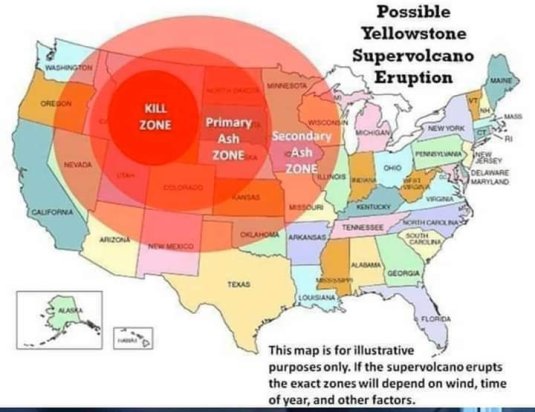
When Did Time Zones Become a Thing?
14 Jun 2020 Leave a comment
in economic history, economics of crime, labour economics, labour supply, law and economics, property rights, transport economics, unions
US Racism Against Germans, South African Neutrality and the Occupation of the Maginot – OOTF 013
14 Jun 2020 Leave a comment
in defence economics, war and peace Tags: World War II
George Orwell on Gandhi and pacifism
14 Jun 2020 Leave a comment
in defence economics, International law, law and economics, laws of war, war and peace
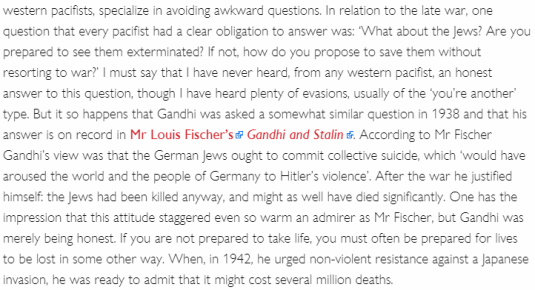
Laughter is the best medicine
14 Jun 2020 Leave a comment

When in Cambridge in 1961 I saw a current British Prime Minister portrayed on stage for the first time in “Beyond the Fringe” I’m not sure that I was aware of the significance of the moment. Later I bought the early copies of “Private Eye” in the streets of the City. And before I left school Ned Sherrin and David Frost had launched the groundbreaking “That Was The Week That Was”. What was happening was Satire.

The world is absurd, and people lie and cheat. Politicians parody themselves daily and people have prejudices out of ignorance or venality. What satire did was to hold a mirror up to all this – sometimes the mirror enlarged and sometimes it distorted but it always reflected and allowed the viewer or the reader to judge.
Peter Cook, Dudley Moore, Jonathan Miller, Alan Bennett, David Frost, Barry Humphries, Richard Ingrams and…
View original post 549 more words
Brexit and parliament: where did it all go wrong?
14 Jun 2020 Leave a comment

 Parliamentary arguments over Brexit may now feel far behind us, but the bitterness of those arguments has left scars on our politics. Meg Russell examines four factors which contributed to the parliamentary ‘perfect storm’ over Brexit, concluding that ‘parliament’ largely got the blame for divisions inside the Conservative Party. This was fuelled by the referendum, minority government and the inability of parliamentary rules to accommodate a minority situation. The populist anti-parliamentary rhetoric which resulted was potentially damaging, with implications for the current Covid-19 crisis, when public trust in political decision-making is essential.
Amidst the current Covid-19 crisis, last year’s Brexit clashes already feel a long time ago. But at the time, they pushed Britain’s politics and constitution to their limits. Parliament was frequently at the heart of these conflicts – with angry headlines suggesting that parliamentarians were seeking to ‘block Brexit’, and branding them ‘wreckers’ or ‘saboteurs
View original post 1,900 more words
Calls to literally abolish the police
14 Jun 2020 Leave a comment

There’s been some discussion about what the demand for “defunding the police” really means. To some it means cutting police budgets in ways to minimize their brutality, and the example often used is their acquisition of discarded equipment from the U.S. military, or more training in social work by cops. To others it means deeply slashing police budgets, although where the cuts are to go isn’t often specified. Often the slashed funds are to be diverted to social programs whose existence, they claim, will severely reduce crime.
And to others in the “disband the police” camp, it means, as adherent Mariame Kaba says in the New York Times op-ed below, the literal abolition of police departments. And that’s what she argues (click screenshot to read). There was a lot of criticism about what Tom Cotton said in his NYT editorial, because his call for putting the military in U.S…
View original post 1,393 more words
Ben Shapiro on the ‘Systemic Racism Explained’ Video
14 Jun 2020 Leave a comment
in discrimination, economics of crime, economics of education, economics of information, human capital, labour economics, labour supply, law and economics, politics - USA Tags: political correctness, racial discrimination, regressive left
Focke-Wulf FW-190 vs P-51 Mustang – Which was better?
14 Jun 2020 Leave a comment
in defence economics, war and peace Tags: World War II
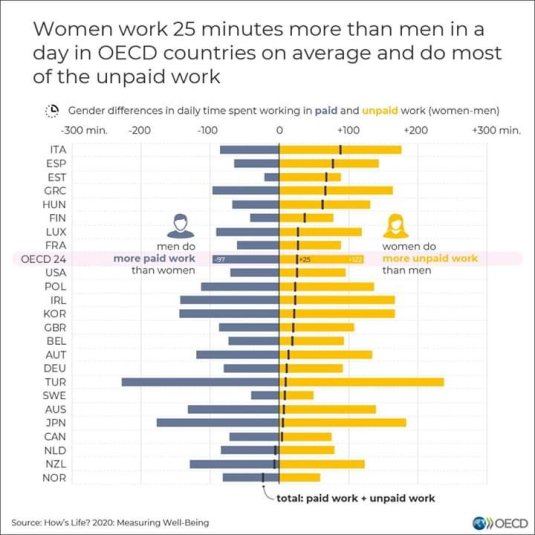
Treaty ports
14 Jun 2020 Leave a comment
in comparative institutional analysis, economic history, international economic law, International law, war and peace Tags: age of empires, China, economics of colonialism
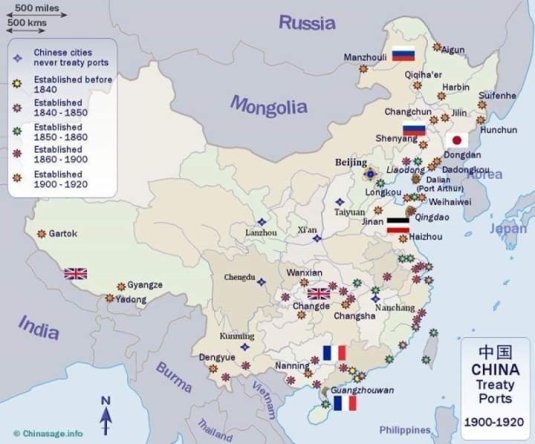
The woke champion lived experiences
14 Jun 2020 Leave a comment
in economics of education, politics - Australia, politics - New Zealand, politics - USA Tags: conjecture and refutation, philosophy of science, political correctness, regressive left
UK Government prepares Jet Zero Council for take-off
14 Jun 2020 Leave a comment

 Avinor’s electric plane [image credit: inhabitat.com]
More ‘net zero’ tomfoolery. Batteries are heavy and unlike fuel don’t allow the plane to lose weight during flight, meaning harder landings or lower carrying capacity. Meanwhile biofuel still emits carbon dioxide, which is supposed to be what the climate obsession is about.
– – –
Transport Secretary Grant Shapps has today announced a dual boost to the UK’s nascent low carbon aviation sector, confirming the formation of a new ‘Jet Zero Council’ and the award of fresh funding for green fuel specialist Velocsys, reports BusinessGreen.
Shapps used his appearance at the daily coronavirus press conference to announce the moves, which he said would support the government’s vision of a “greener transport future”.
Building on the recent confirmation the government is to invest £2bn in new active transport infrastructure, Shapps said the challenge was “to make transport – currently our biggest emitter of…
View original post 277 more words


Recent Comments