Were the #COVID19 Lockdowns a Mistake?
11 May 2020 Leave a comment
in applied welfare economics, econometerics, health economics, politics - USA Tags: economics of pandemics, offsetting behaviour, pessimism bias, The fatal conceit, unintended consequences
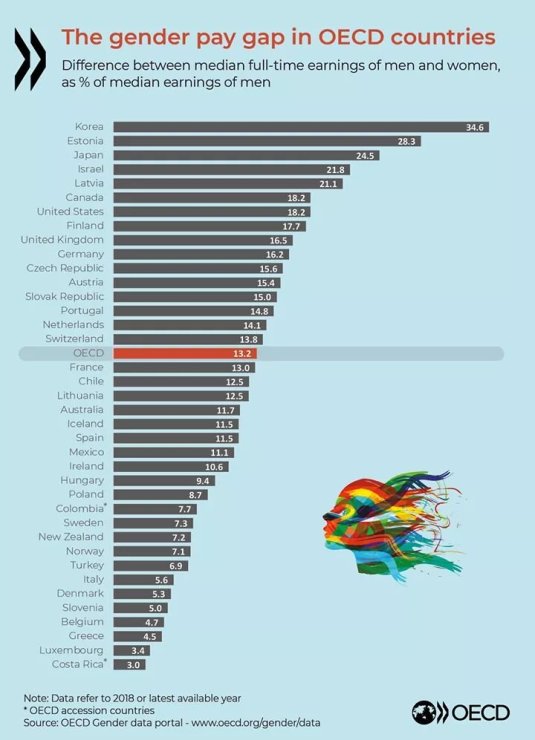
Why US women’s soccer team lost their suit
10 May 2020 Leave a comment
in discrimination, gender, labour economics, labour supply, law and economics, occupational choice, property rights, sports economics Tags: gender wage gap
More Covid Truth Escapes the Fog
10 May 2020 Leave a comment

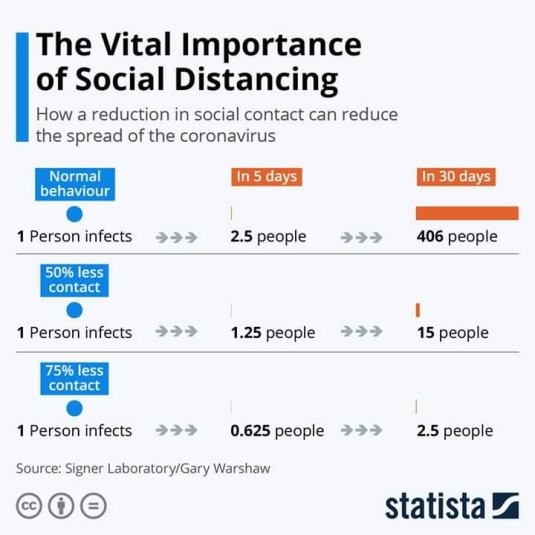
 Matt Ridley writes at the Spectator We know everything – and nothing – about Covid. Excerpts in italics with my bolds.
It is data, not modelling, that we need now
We know everything about Sars-CoV-2 and nothing about it. We can read every one of the (on average) 29,903 letters in its genome and know exactly how its 15 genes are transcribed into instructions to make which proteins. But we cannot figure out how it is spreading in enough detail to tell which parts of the lockdown of society are necessary and which are futile. Several months into the crisis we are still groping through a fog of ignorance and making mistakes. There is no such thing as ‘the science’.
This is not surprising or shameful; ignorance is the natural state of things. Every new disease is different and its epidemiology becomes clear only gradually and in retrospect.
View original post 1,182 more words
Swedish Pandemic Wisdom
10 May 2020 Leave a comment
The public health strategy in Sweden and its rationale are explained in an interview with the State Epidemiologist published in Nature ‘Closing borders is ridiculous’: the epidemiologist behind Sweden’s controversial coronavirus strategy. Excerpts in italics with my bolds and images. H/T Tony Heller
Anders Tegnell talks to Nature about the nation’s ‘trust-based’ approach to tackling the pandemic.
As much of Europe imposed severe restrictions on public life last month to stem the spread of the coronavirus, one country stood out.
Sweden didn’t go into lockdown or impose strict social-distancing policies. Instead, it rolled out voluntary, ‘trust-based’ measures: it advised older people to avoid social contact and recommended that people work from home, wash their hands regularly and avoid non-essential travel. But borders and schools for under-16s remain open — as do many businesses, including restaurants and bars.
The strategy’s architect is Anders Tegnell, an epidemiologist at Sweden’s Public…
View original post 1,071 more words
Which is Stockholm? Oslo? Which has more #COVID19 deaths?
10 May 2020 Leave a comment
in health economics Tags: economics of pandemics

Sending the Jews to Madagascar? – War Against Humanity 011 – May 1941
10 May 2020 Leave a comment
in defence economics, laws of war, war and peace Tags: The Holocaust, World War II
Valerie Ramey: The Role of the Family in Children’s Educational Achievement
10 May 2020 Leave a comment
in economics of education, economics of love and marriage, human capital, labour economics, labour supply, occupational choice, poverty and inequality Tags: child poverty, education premium, family poverty
Georgy Zhukov – Hero of the Soviet Union! – WW2 Biography Special
10 May 2020 Leave a comment
in defence economics, war and peace Tags: Russian revolution, World War I, World War II
Lawyer Breaks Down 17 Courtroom Scenes From Film & TV | @WIRED
10 May 2020 Leave a comment
in law and economics, movies, television
Enigma Captured! – WW2 – 089 – May 9, 1941
10 May 2020 Leave a comment
in defence economics, war and peace Tags: World War II
Enigma Captured! – WW2 – 089 – May 9, 1941
10 May 2020 Leave a comment
in defence economics, war and peace Tags: World War II


Recent Comments