Debate: Abolish Banking Insurance?
18 Feb 2020 Leave a comment
in Austrian economics, business cycles, comparative institutional analysis, economic history, economics of information, economics of regulation, financial economics, industrial organisation, law and economics, macroeconomics, monetary economics, privatisation, survivor principle Tags: bank panics, bank runs, deposit insurance
#climateemergency #globalwarming @GreenpeaceAP @Greens
18 Feb 2020 Leave a comment
in economic history, economics of natural disasters, energy economics, environmental economics, global warming Tags: climate alarmists, pessimism bias

Climate change as ‘leftist malware’ – has it come to this?
18 Feb 2020 1 Comment

 Shouting match?
Is the political element of the climate change debate taking over from the science factors? That seems to be the implication of the opinion piece reported on here.
An excellent new meme has entered the climate change debate thanks to David Harsanyi, writing in The Federalist. In his article he articulates why wide acceptance of catastrophic climate change is failing to manifest: because it comes along with an enormous amount of left wing baggage. He summarises it as ‘leftist malware’.
For those not familiar, ‘malware’ is a term used to describe software that is often harmful or intrusive and usually installs itself on your computer without your consent or knowledge. I can’t think of a better metaphor that captures the essential noxiousness of the climate change movement so neatly.
View original post 312 more words
Escaping Paternalism: Rationality, Behavioral Economics, and Public Policy
18 Feb 2020 Leave a comment
in behavioural economics, economics of information Tags: nudges
A Reading of Ross McKitrick’s “Open Letter to Lisa Raitt” on the Climate Mob Effect
18 Feb 2020 Leave a comment
in energy economics, environmental economics, global warming Tags: climate alarmists, pessimism bias
Which Is The Most Dangerous Car?
18 Feb 2020 Leave a comment
in transport economics Tags: road safety
Recommended readings on evolutionary psychology
18 Feb 2020 Leave a comment

I’m still a bit under the weather with an incipient cold, but I’m taking zinc lozenges, which do have some science behind them supporting the claim that zinc shortens the duration and severity of colds. At any rate, since I’ve used them I haven’t had a full-on cold for several years. (A confounding factor: I also wash my hands a lot more.) All this is by way of explaining why I don’t have the energy to brain today.
But I will call your attention to three articles on evolutionary psychology that you may want to read.
About 15 years ago, I was known as a critic of evolutionary psychology, mainly because, along with Andrew Berry, I went after what I saw as bad science promulgated in a book about rape being an adaptation (see also here; copy of my New Republic piece available through judicious inquiry). In those pieces…
View original post 989 more words
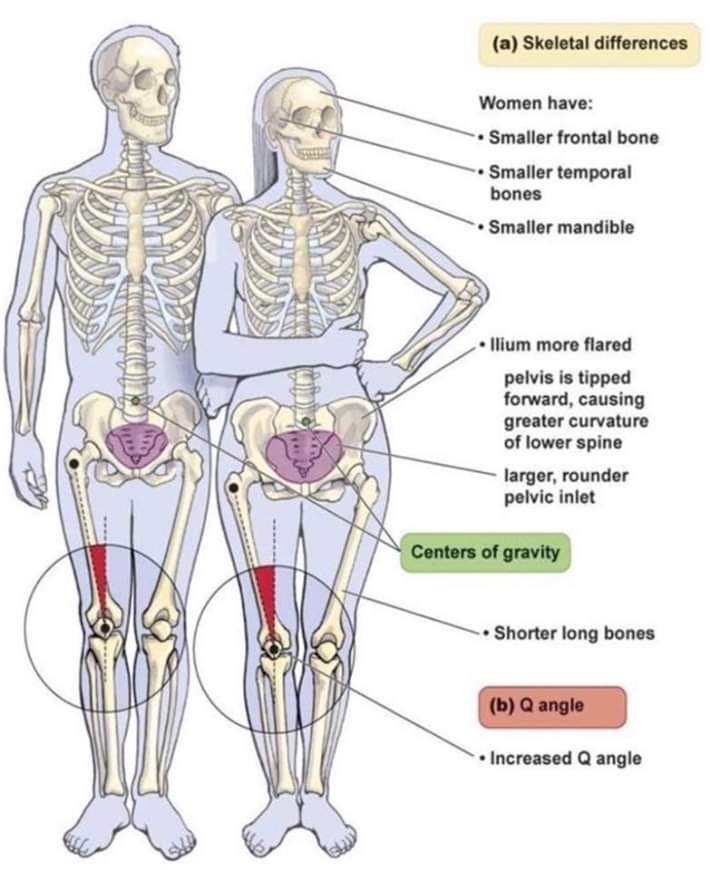
Blokes are bigger
18 Feb 2020 Leave a comment
in gender, health economics, sports economics Tags: Anti-Science left
#endcoal #endoil #globalwarming #climateemergency @Greenpeace @Greens @NZGreens @jamespeshaw
18 Feb 2020 Leave a comment



Unbridled alarmism
17 Feb 2020 Leave a comment
in economics of education, energy economics, environmental economics, global warming Tags: pessimism bias

Down Tools: Australia’s Most Powerful Workers Union Rejects Unreliable Wind & Solar
17 Feb 2020 1 Comment


Labor – aka the ‘Workers Party’ – remains determined to destroy whole industries and thousands of jobs with a 50% RET and a giant ‘carbon’ tax. Business and job destroying policies that helped it comfortably lose the ‘unloseable’ Federal election in May, and which its deluded front bench simply can’t bear to let go.
Australian industry has been a protected species since the Victorian gold rush in the 1850s, cosseted behind an insurmountable wall of tariffs and propped up with subsidies. As the tariffs and subsidies to industries – such as motor manufacturing, clothing and footwear – were slashed in the 1990s, hundreds of businesses and entire industries have disappeared.
Nowadays, mining, manufacturing and mineral processing are being treated by politicians as a class of mangy vermin – fit only for urgent eradication – with a raft of utterly insane energy policies which threaten thousands of small and large businesses…
View original post 1,070 more words



Recent Comments