In our textbook, Modern Principles, Tyler and I write: Imagine how difficult it would be to get a date if every date required marriage? In the same way, it’s more difficult to find a job when every job requires a long-term commitment from the employer. In two new excellent pieces, Brian Albrecht and Pieter Garicano…
The Hidden Cost of Hard-to-Fire Labor Laws: Why European Firms Don’t Take Risks
The Hidden Cost of Hard-to-Fire Labor Laws: Why European Firms Don’t Take Risks
08 Mar 2026 Leave a comment
in applied price theory, economics of bureaucracy, economics of regulation, entrepreneurship, labour economics, law and economics, managerial economics, organisational economics, personnel economics, property rights, Public Choice, theory of the firm, unemployment Tags: creative destruction, employment law, European Union, Germany
Bet On It Book Club: For a New Liberty, Chapter 4
02 Mar 2026 Leave a comment
in applied price theory, Austrian economics, comparative institutional analysis, economics of bureaucracy, industrial organisation, law and economics, liberalism, Murray Rothbard, privatisation, Public Choice
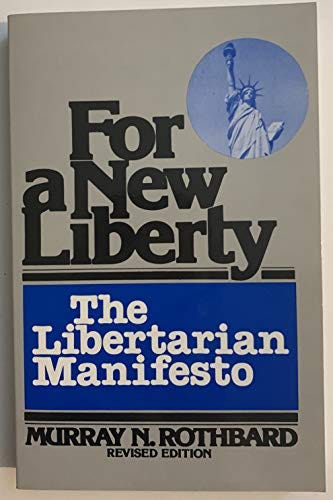
Update: I’m doing a Substack Live today on You Have No Right to Your Culture with the Boyd Institute’s Peter Banks. 4 PM ET.SummaryThis is the shortest chapter of the book, just six pages long. Rothbard makes a laundry list of what he calls “the major problem areas of our society” and argues that government…
Bet On It Book Club: For a New Liberty, Chapter 4
‘Disaster’! Climate groups slam Germany for scrapping renewable heating law
27 Feb 2026 Leave a comment
in economics of bureaucracy, economics of climate change, economics of regulation, energy economics, environmental economics, environmentalism, global warming, Public Choice, urban economics Tags: Germany

“Habeck’s heating hammer” set to bite the dust. Maybe net zero zealotry is not the complete answer to modern energy supply after all, despite what its supporters keep claiming. – – – A revision of an existing law will now allow homeowners to use oil and gas as heating fuel instead, says Euronews. Germany’s government […]
‘Disaster’! Climate groups slam Germany for scrapping renewable heating law
Clearing up some misconceptions about the DoE report
22 Feb 2026 Leave a comment
in economics of bureaucracy, economics of climate change, economics of regulation, energy economics, environmental economics, environmentalism, global warming, politics - USA, Public Choice
by Ross McKitrick Last year I had the privilege of working with a small team (me, Judy Curry, John Christy, Steve Koonin and Roy Spencer) on a draft report for U.S. Energy Secretary Chris Wright on the topic of climate … Continue reading → The post Clearing up some misconceptions about the DoE report appeared…
Clearing up some misconceptions about the DoE report
Sewage, scrutiny, and the politics of accountability
21 Feb 2026 Leave a comment
in economics of bureaucracy, environmental economics, environmentalism, politics - New Zealand, Public Choice, urban economics Tags: water pollution
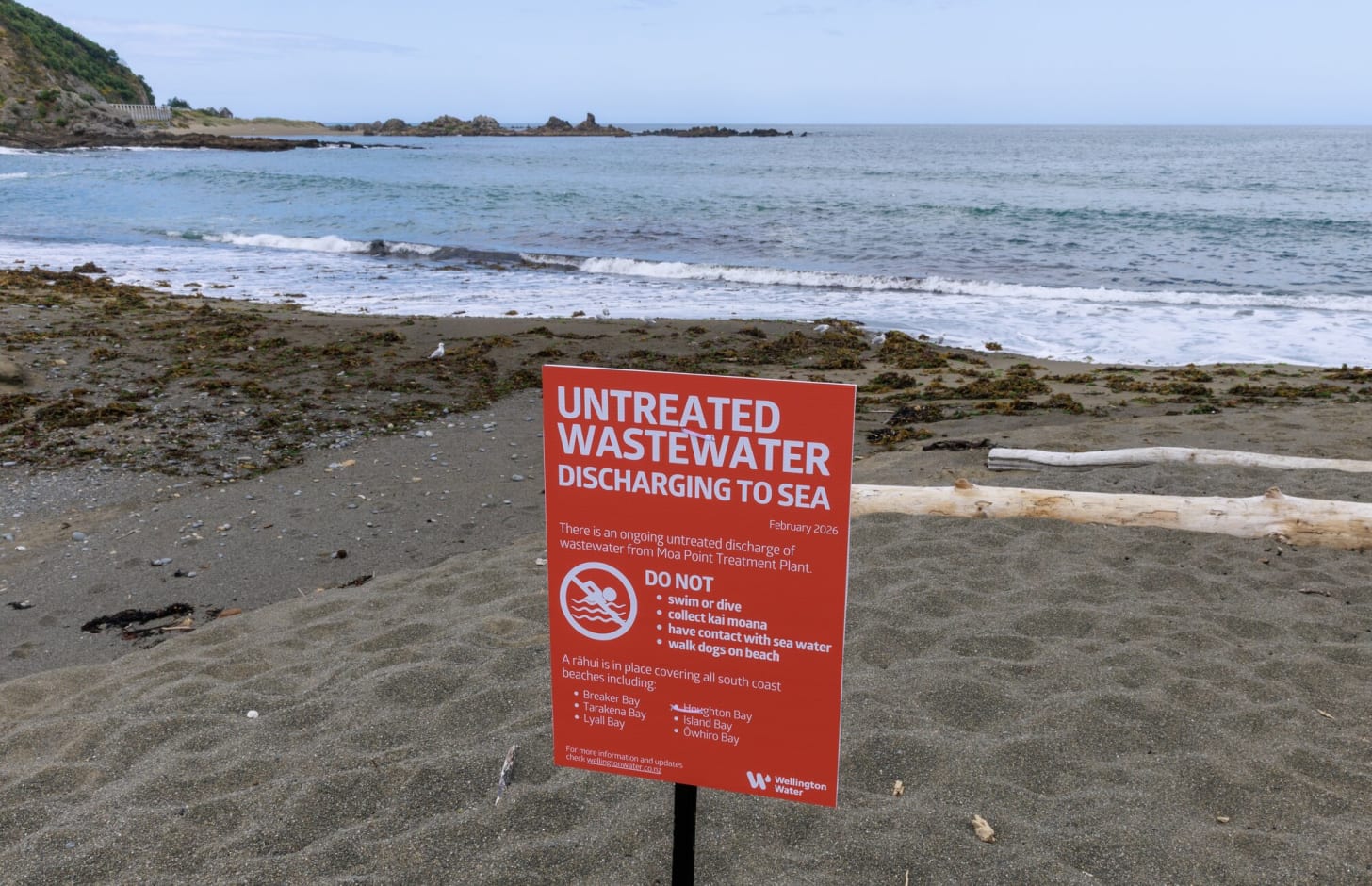
Is it racist to be angry at elected representatives? Moa Point as a case study… When a city pumps tens of millions of litres of raw sewage into the sea day after day, the public is entitled to anger. There is human waste in the sea and on the shore, beaches are closed in peak […]
Sewage, scrutiny, and the politics of accountability
Damned if they do, damned if they don’t: The billion-dollar bill for Labour’s gas ban
20 Feb 2026 Leave a comment
in applied price theory, economics of bureaucracy, economics of climate change, economics of regulation, energy economics, environmental economics, environmentalism, global warming, politics - New Zealand, Public Choice
Few policies manage to unite the left, the right and the Taxpayers’ Union in opposition. The Government’s billion-dollar LNG import terminal in Taranaki managed it inside 24 hours. By Tuesday morning, it had been attacked from the left as a gas tax, from the right as a new levy on households, and from the commentariat […]
Damned if they do, damned if they don’t: The billion-dollar bill for Labour’s gas ban
Even auto giants know it: the electric car boom is out of charge
19 Feb 2026 Leave a comment
in economics of bureaucracy, economics of climate change, energy economics, environmental economics, environmentalism, global warming, income redistribution, Public Choice, rentseeking, transport economics Tags: electric cars

By Paul Homewood h/t Ian Magness From the Telegraph: “I think the customer has spoken. That’s the punchline,” said Jim Farley, the chief executive of Ford. The American boss was speaking last week as his company unveiled a $5bn (£3.7bn) annual loss, barely two months after it had booked a shock $19.5bn write-down. The […]
Even auto giants know it: the electric car boom is out of charge
Why Rescinding the Endangerment Finding May Survive Lawfare
15 Feb 2026 Leave a comment
in economics of bureaucracy, economics of climate change, economics of regulation, energy economics, environmental economics, environmentalism, global warming, law and economics, politics - USA, property rights, Public Choice Tags: constitutional law

Some thoughts from my browser AI. My Question: What are the legal matters, such as major questions requiring congressional action, that favor ending EPA CO2 Endangerment Finding? Search Assistant Reply: The legal matters surrounding the repeal of the EPA’s CO2 Endangerment Finding involve the major questions doctrine, which suggests that significant regulatory authority should not […]
Why Rescinding the Endangerment Finding May Survive Lawfare
The anatomy of usurpation: Climate Clinic Aotearoa v Minister of Energy and Resources
10 Feb 2026 Leave a comment
in economics of bureaucracy, economics of climate change, economics of regulation, energy economics, environmental economics, environmentalism, global warming, law and economics, politics - New Zealand, property rights, Public Choice Tags: constitutional law
Imagine Parliament passes a Schools Act “to promote the establishment of schools for the benefit of New Zealand.” Parliament is careful. It specifies exactly what the Minister must consider before approving a new school: the operator’s financial capability, site safety, compliance history, and consultation with local iwi. There is no general discretion. There are no […]
The anatomy of usurpation: Climate Clinic Aotearoa v Minister of Energy and Resources
Border Security Type I and Type II Errors
03 Feb 2026 Leave a comment
in economics of bureaucracy, economics of crime, labour economics, labour supply, law and economics, politics - USA, Public Choice Tags: economics of immigration

One way of looking at the a policy of increased ICE enforcement of US border security is as a debate over decision error costs. The expressed goal is to remove the worst of the worst criminals. Few would disagree with this goal. However, in this dragnet, immigrants without criminal backgrounds have also been detained. The…
Border Security Type I and Type II Errors
Violent Saviors: The West’s Conquest of the Rest
29 Jan 2026 Leave a comment
in applied price theory, comparative institutional analysis, constitutional political economy, development economics, economic history, economics of bureaucracy, growth disasters, growth miracles, history of economic thought, income redistribution, law and economics, liberalism, libertarianism, Marxist economics, property rights, Public Choice, rentseeking Tags: age of empires, economics of colonialism
U.S. Withdraws from the IPCC—and Dismantles a Global Climate Bureaucracy
08 Jan 2026 1 Comment
in development economics, economics of bureaucracy, economics of climate change, energy economics, environmental economics, environmentalism, global warming, International law, politics - USA, Public Choice Tags: climate alarmism
…the exit from IPCC-adjacent institutions is not an isolated gesture, but a blunt, in your face, message that the era of unquestioned deference to transnational climate bureaucracy is over.
U.S. Withdraws from the IPCC—and Dismantles a Global Climate Bureaucracy
Why Some US Indian Reservations Prosper While Others Struggle
06 Jan 2026 Leave a comment
in applied price theory, development economics, economics of bureaucracy, economics of regulation, entrepreneurship, growth disasters, growth miracles, industrial organisation, labour economics, law and economics, politics - USA, property rights, Public Choice

Our colleague Thomas Stratmann writes about the political economy of Indian reservations in his excellent Substack Rules and Results. Across 123 tribal nations in the lower 48 states, median household income for Native American residents ranges from roughly $20,000 to over $130,000—a sixfold difference. Some reservations have household incomes comparable to middle-class America. Others face persistent…
Why Some US Indian Reservations Prosper While Others Struggle
Climate activists v. the U.S. energy industry: Cases to watch in 2026
01 Jan 2026 Leave a comment
in economics of bureaucracy, economics of climate change, economics of regulation, energy economics, environmental economics, environmentalism, global warming, law and economics, politics - USA, property rights, Public Choice Tags: nuisance suits
Anti-oil and gas advocates across the country have pursued litigation in recent years attempting to force the fossil fuel industry to pay for decades of financial damages the advocates claim were caused by climate change.
Climate activists v. the U.S. energy industry: Cases to watch in 2026
Why not leave rubbish collection to the private sector?
31 Dec 2025 Leave a comment
in applied price theory, comparative institutional analysis, economics of bureaucracy, environmental economics, industrial organisation, politics - New Zealand, privatisation, Public Choice, urban economics
Radio NZ reports: Auckland Councillors have voted not to proceed with a six-month trial of fortnightly kerbside rubbish collections in parts of the city, after considering public feedback. The proposed trial would’ve halved the number of kerbside collections in Te Atatū, Panmure, Tāmaki, Clendon Park and Weymouth, with the intention of reducing waste to landfill.…
Why not leave rubbish collection to the private sector?
 Utopia, you are standing in it!
Recent Comments