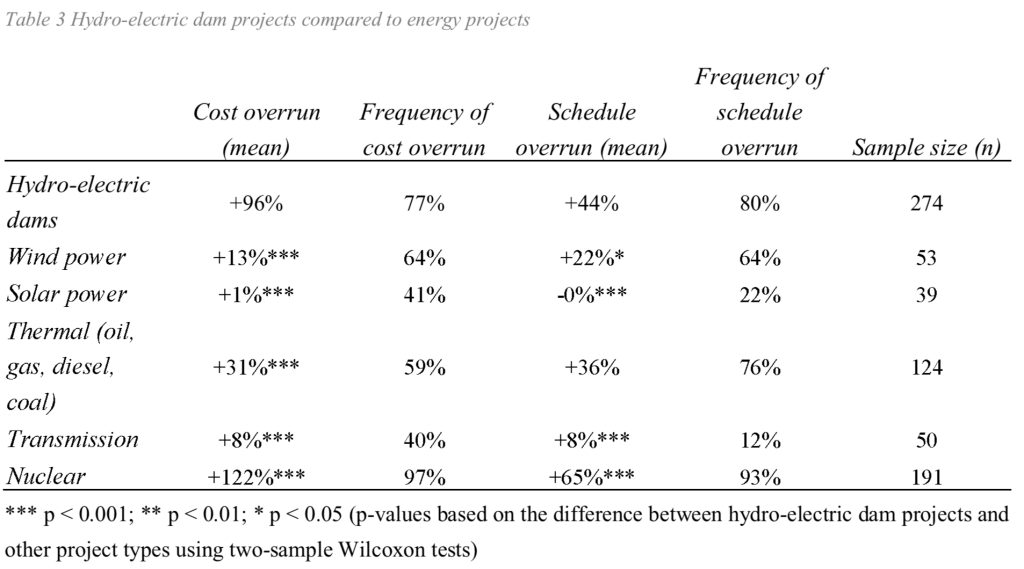
Energy project cost overruns
15 Nov 2019 Leave a comment
in applied price theory, economic history, economics of bureaucracy, energy economics, entrepreneurship, managerial economics, organisational economics, Public Choice Tags: megaprojects
Innovation and Growth Cycles David Levine
15 Nov 2019 Leave a comment
in applied price theory, comparative institutional analysis, development economics, econometerics, economic history, economics of bureaucracy, economics of regulation, Federalism, financial economics, growth disasters, growth miracles, history of economic thought, income redistribution, industrial organisation, law and economics, Public Choice, rentseeking, survivor principle
Life behind the Berlin Wall | The Economist
12 Nov 2019 Leave a comment
in comparative institutional analysis, defence economics, development economics, economic history, economics of bureaucracy, income redistribution, International law, law and economics, Public Choice, rentseeking, war and peace Tags: Berlin, fall of communism, Germany

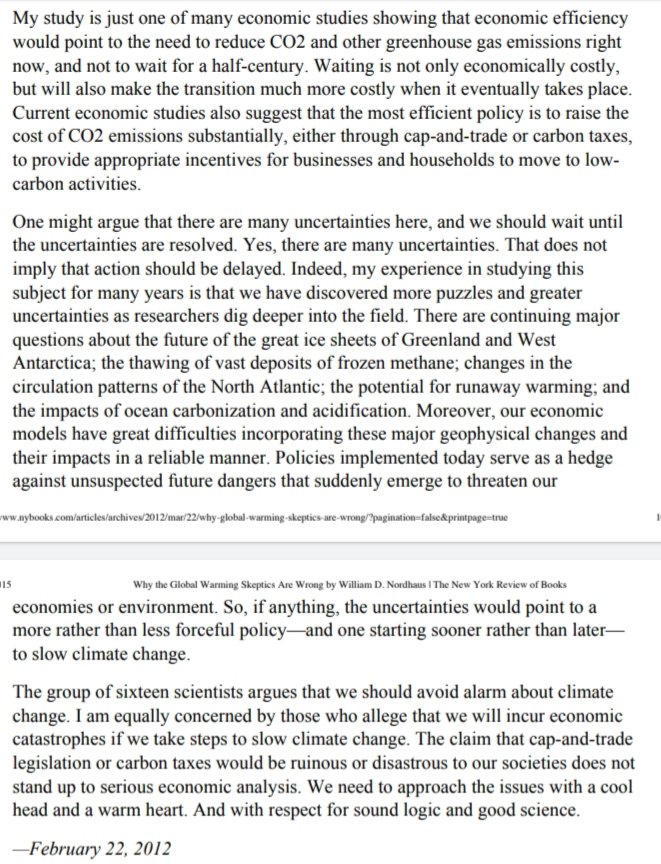
Nordhaus on tipping points
11 Nov 2019 1 Comment
in applied welfare economics, economics of bureaucracy, energy economics, environmental economics, environmentalism, global warming, international economic law, International law, politics - USA, Public Choice, public economics Tags: climate alarmists
Twenty years after the Berlin wall. Resistance in a communist state.”
10 Nov 2019 Leave a comment
in defence economics, economic history, economics of bureaucracy, economics of crime, law and economics, Marxist economics, Public Choice Tags: Berlin, fall of communism, Germany
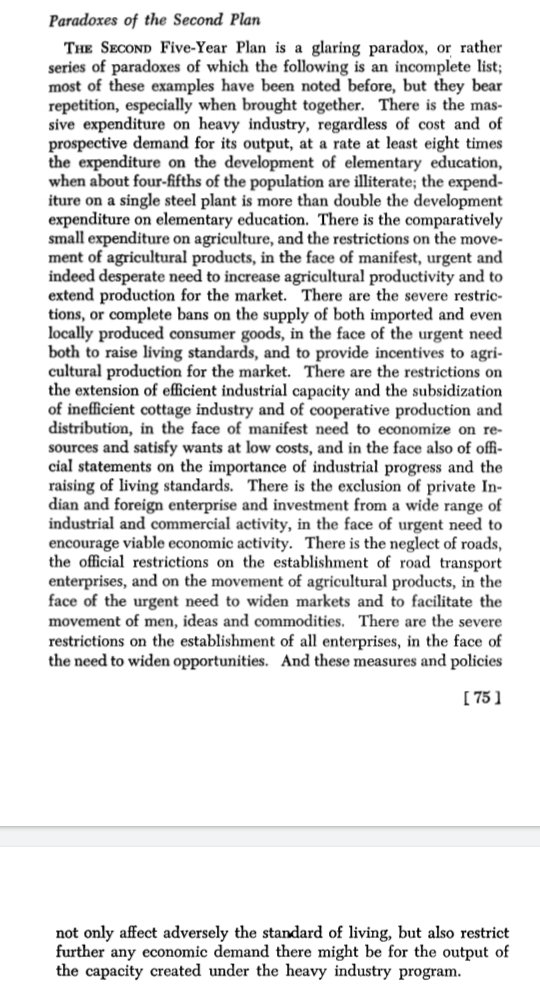
P.T. Bauer (1959) on planning a big push out of Indian poverty
10 Nov 2019 Leave a comment
in comparative institutional analysis, development economics, economic history, economics of bureaucracy, economics of education, economics of information, economics of regulation, growth disasters, human capital, income redistribution, industrial organisation, labour economics, labour supply, law and economics, Marxist economics, property rights, Public Choice, public economics, rentseeking Tags: economics of planning, economics of socialism, India, The fatal conceit
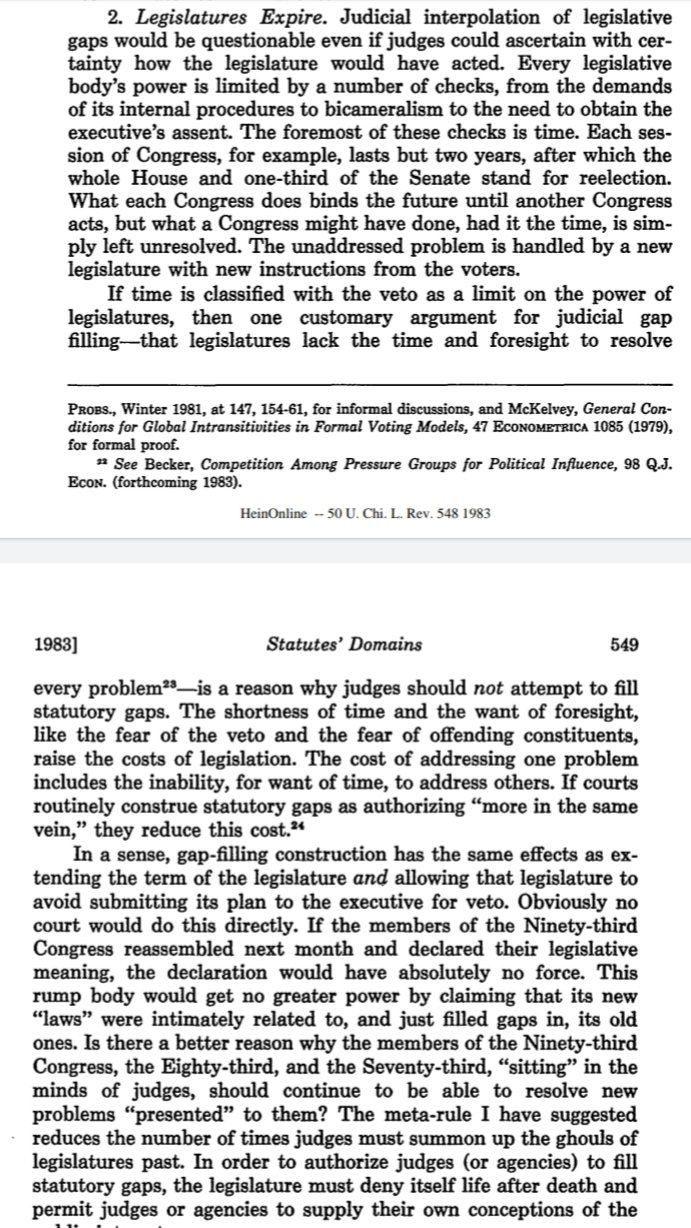
The Tyranny of Experts
05 Nov 2019 Leave a comment
in comparative institutional analysis, constitutional political economy, development economics, economic history, economics of bureaucracy, economics of crime, growth disasters, growth miracles, income redistribution, property rights, Public Choice, rentseeking Tags: capitalism and freedom
Hetzel on the golden age of Keynesian macroeconomic policy
05 Nov 2019 Leave a comment
in budget deficits, business cycles, economic growth, economic history, economics of bureaucracy, macroeconomics, monetary economics, politics - USA, Public Choice, Robert E. Lucas Tags: Keynesian macroeconomics
Angus Deaton on randomised trials and the class war
03 Nov 2019 Leave a comment
in applied price theory, applied welfare economics, comparative institutional analysis, development economics, econometerics, economics of bureaucracy, experimental economics, growth disasters, growth miracles, labour economics, law and economics, Public Choice Tags: The fatal conceit
The Bit of East Germany That Might Still Exist
03 Nov 2019 Leave a comment
in development economics, economic history, economics of bureaucracy, international economic law, international economics, International law, law and economics, Marxist economics, Public Choice Tags: Cuba, East Germany, fall of communism
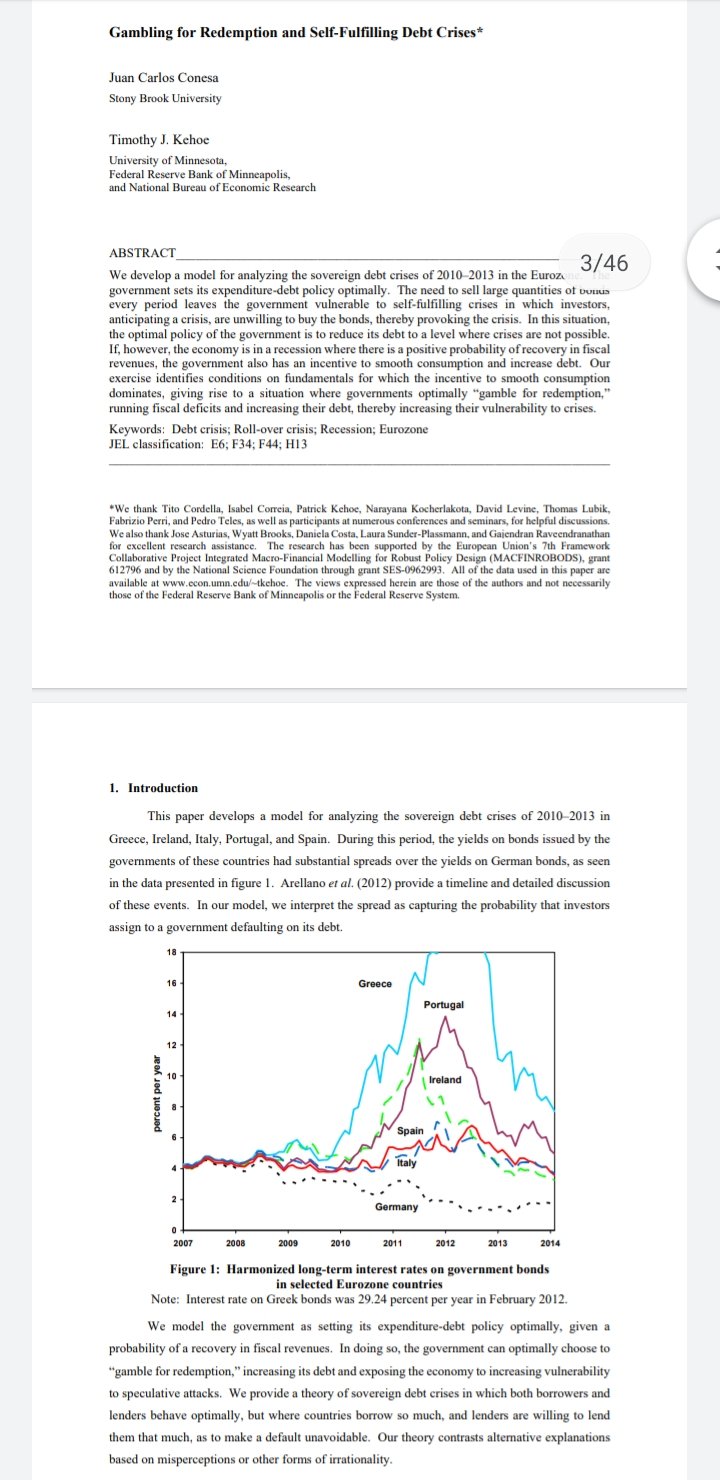
Only rational expectations macroeconomics can explain self-fulfilling crises
01 Nov 2019 Leave a comment
in applied price theory, budget deficits, business cycles, currency unions, economic growth, economic history, economics of bureaucracy, economics of information, Euro crisis, fiscal policy, global financial crisis (GFC), great depression, great recession, macroeconomics, monetary economics, Public Choice Tags: Euroland, rational expectations, sovereign defaults


Recent Comments