Martin Gurri has a very good, deep-dive on the current situation in Cuba. The wreckage of the Cuban economy really can’t be exaggerated. The perpetual blackouts are an apt symbol of a country that is headed for the dark ages. For the first time since the revolution, Cuba is begging the United Nations for food aid. Nearly […]
Cuba Libre
Cuba Libre
05 Apr 2024 Leave a comment
in applied price theory, comparative institutional analysis, constitutional political economy, development economics, economic history, economics of bureaucracy, economics of crime, growth disasters, history of economic thought, human capital, income redistribution, industrial organisation, labour economics, labour supply, law and economics, liberalism, Marxist economics, politics - USA, poverty and inequality, Public Choice, public economics, rentseeking Tags: Cuba
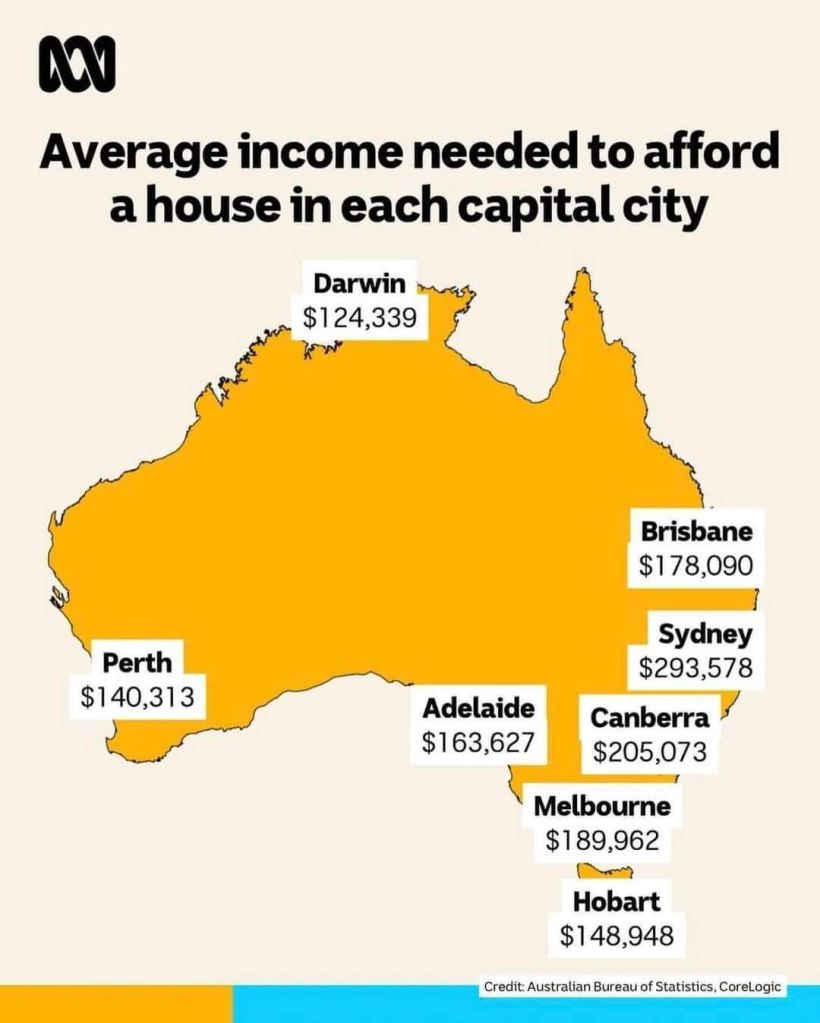
Housing affordability oz
03 Apr 2024 Leave a comment
in income redistribution, Public Choice, rentseeking, transport economics, urban economics
Spotlight on the Courts
01 Apr 2024 Leave a comment
in economics of bureaucracy, income redistribution, law and economics, politics - New Zealand, property rights, Public Choice, public economics, rentseeking Tags: constitutional law
Muriel Newman writes – “Houston, we have a problem!” New Zealand’s Supreme Court – the highest court in our land – has been captured by activist judges. What is heartening, is the emergence of a wide range of eminent legal voices all openly criticising the Court and calling for this problem to be addressed. But […]
Spotlight on the Courts
Cheat sheet
29 Mar 2024 Leave a comment
in economics of education, income redistribution, liberalism, Marxist economics, Public Choice, Rawls and Nozick, rentseeking Tags: Age of Enlightenment, free speech, political correctness, regressive left

Universal Basic Income: The Freiman-Caplan Debate
27 Mar 2024 Leave a comment
in applied price theory, applied welfare economics, fiscal policy, human capital, income redistribution, labour economics, labour supply, macroeconomics, politics - USA, poverty and inequality, Public Choice Tags: child poverty, family poverty, negative income tax
As expected, I really enjoyed the Institute for Liberal Studies’ UBI debate between myself and Chris Freiman. Chris was definitely the least enthusiastic UBI supporter I’ve debated. All the way to the point of, “Given all the truly promising ideas we have, and the downside risks of the UBI, perhaps I shouldn’t even publicly defend…
Universal Basic Income: The Freiman-Caplan Debate
“As A True Marxist…”
26 Mar 2024 Leave a comment
in income redistribution, liberalism, Marxist economics, politics - New Zealand, Public Choice Tags: regressive left, Watermelons

So said the Green MP Ricardo Menendez March about himself in Parliament the other day when rising to speak about a bill. As DPF archly noted on his Kiwiblog, you can bet your bottom dollar that the MSM will refuse to term him as “Far Left” in the way they term ACT or even Winston as […]
“As A True Marxist…”
How credible is the Milei plan?
24 Mar 2024 Leave a comment
in applied price theory, budget deficits, business cycles, development economics, economic growth, financial economics, fiscal policy, growth disasters, income redistribution, international economics, macroeconomics, monetary economics, Public Choice, public economics Tags: Argentina
Here is a good Substack essay by Nicolas Cachanosky, excerpt: Inflation expectations depend on what is expected to happen to the budget in the months to come. It is natural, then, to ask whether the observed surpluses are sustainable in the months ahead. Answering this question requires looking at two things. First, how was the fiscal […]
How credible is the Milei plan?
Eat the Rich: Warren Plan Would Impose Wealth Tax, Captivity Tax, and $100 Billion for Increasing Tax Audits
23 Mar 2024 Leave a comment
in applied price theory, applied welfare economics, economic growth, fiscal policy, income redistribution, labour economics, labour supply, macroeconomics, poverty and inequality, Public Choice, public economics Tags: taxation and entrepreneurship, taxation and investment, taxation and labour supply

The wealth tax is back. We have previously discussed the constitutional and policy concerns surrounding the push by Democrats like Sen. Elizabeth Warren (D., Mass.) to introduce a wealth tax that would start with billionaires. It would not likely end there. The law would also apply the same type of California approach to wealthy families […]
Eat the Rich: Warren Plan Would Impose Wealth Tax, Captivity Tax, and $100 Billion for Increasing Tax Audits
Do Me a Personal Favor: Please Pre-Order *Build, Baby, Build* Now
22 Mar 2024 Leave a comment
in applied price theory, applied welfare economics, comparative institutional analysis, constitutional political economy, economics of bureaucracy, economics of regulation, income redistribution, law and economics, liberalism, Marxist economics, politics - USA, property rights, Public Choice, public economics, rentseeking Tags: land supply, zoning

I started writing Build, Baby, Build: The Science and Ethics of Housing Regulation, in the early weeks of Covid. Now, with the kind cooperation of the Cato Institute, my second non-fiction graphic novel releases on May 1, 2024. That’s less than six weeks away.The official coverPlease forgive my laughable arrogance, but I assure you that…
Do Me a Personal Favor: Please Pre-Order *Build, Baby, Build* Now
Nikole Hannah-Jones on reparations for descendants of slaves
21 Mar 2024 Leave a comment
in discrimination, economics of crime, economics of education, human capital, income redistribution, labour economics, labour supply, law and economics, liberalism, Marxist economics, occupational choice, politics - USA, poverty and inequality, property rights, Public Choice, rentseeking Tags: affirmative action, free speech, political correctness, racial discrimination, regressive left

As you know, I go back and forth on the question of affirmative action for college and professional-school admissions, and even after I thought I’d settled on a view (i.e., give some preference to minorities among those equally qualified for admission), it still keeps changing. After I read the long New York Times piece below […]
Nikole Hannah-Jones on reparations for descendants of slaves
100 Years of Rent Control in Sweden
17 Mar 2024 Leave a comment
in applied price theory, economic history, economics of bureaucracy, economics of regulation, history of economic thought, income redistribution, law and economics, property rights, Public Choice, public economics, rentseeking, urban economics Tags: rent control, Sweden
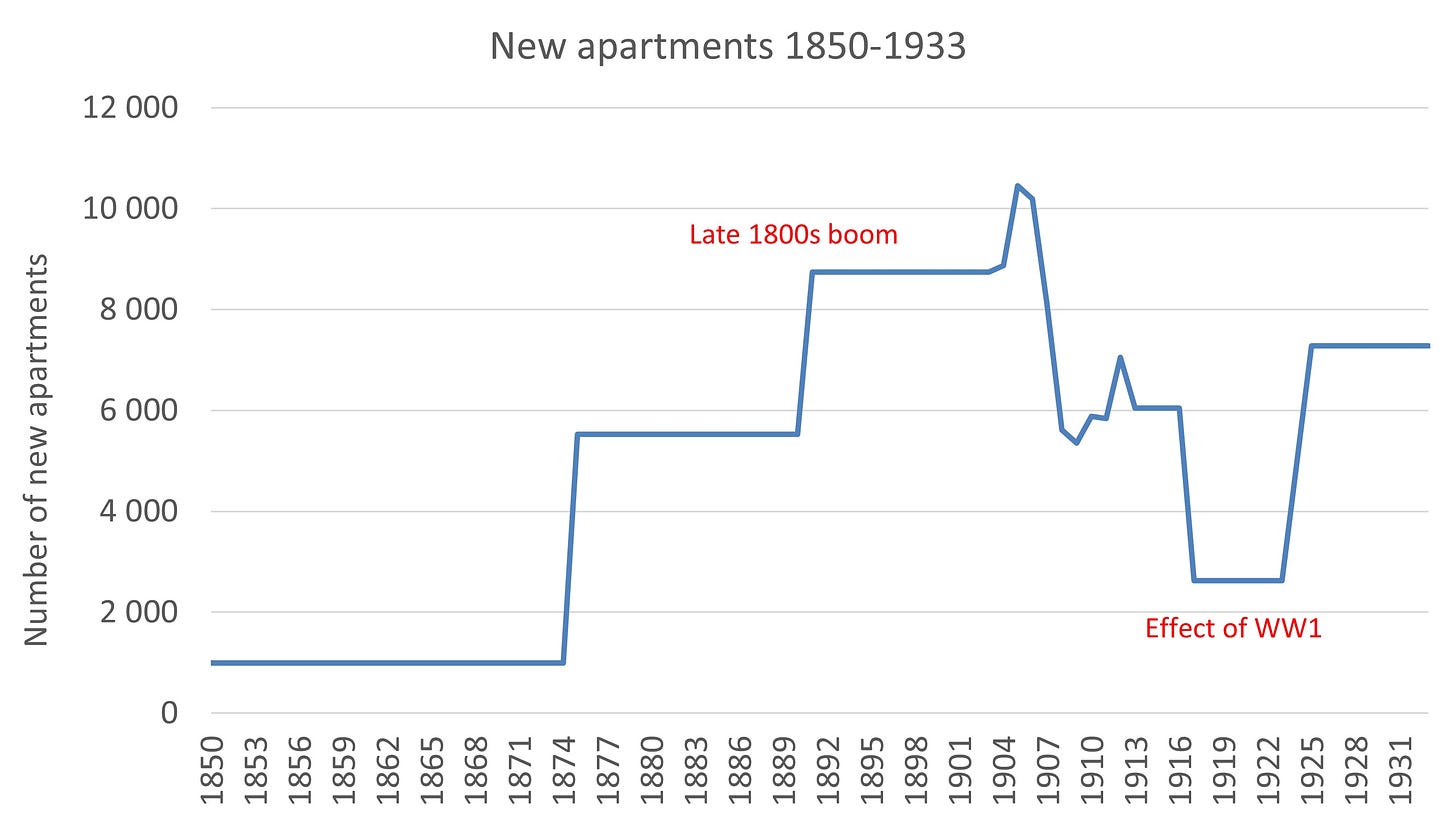
Bet On It reader Vanja Månborg knows a lot about rent control in Sweden. If you think Sweden is a country of thoughtful technocrats where government intervention works well, reading his guest post may make you think again. Here’s Vanja:Sweden has had rent control regulations since 1917 with less than two decades of pause between…
100 Years of Rent Control in Sweden
The Tsar Abdicates – Baghdad Falls I THE GREAT WAR Week 138
16 Mar 2024 Leave a comment
in defence economics, economic history, economics of bureaucracy, income redistribution, law and economics, liberalism, Marxist economics, Public Choice, public economics, rentseeking, war and peace Tags: Russian revolution, World War I
An Open Letter to Nobel-laureate Economist Angus Deaton
13 Mar 2024 Leave a comment
in applied price theory, applied welfare economics, Austrian economics, comparative institutional analysis, economic history, entrepreneurship, history of economic thought, income redistribution, international economics, labour economics, labour supply, poverty and inequality, Public Choice, rentseeking, survivor principle, unemployment Tags: creative destruction, free trade, tariffs
TweetProf. Angus Deaton Princeton University Prof. Deaton: Over the years I’ve learned much from your writings, and I regard your 2013 The Great Escape as one of the most important books published in the past 15 years. So I was quite surprised and disappointed to read that you, as you say, are now “much more…
An Open Letter to Nobel-laureate Economist Angus Deaton
Reading deal – rare media bouquet
11 Mar 2024 1 Comment
in applied price theory, economic history, economics of bureaucracy, economics of media and culture, income redistribution, industrial organisation, law and economics, market efficiency, movies, politics - New Zealand, property rights, Public Choice, public economics, rentseeking, survivor principle, theory of the firm, urban economics Tags: Wellington
Both Matt Nippert of the NZ Herald and Tom Hunt of The Post deserve a bouquet for their analyses of the truly remarkable deal between the Wellington City Council (WCC) and the troubled American Cinema company Reading. For this who don’t know, Reading owns a large (more than 14, 000 square metres or 1.4 hectares) […]
Reading deal – rare media bouquet
Not Bridgeable
10 Mar 2024 Leave a comment
in comparative institutional analysis, discrimination, economic history, economics of crime, economics of education, economics of love and marriage, gender, income redistribution, labour economics, law and economics, liberalism, Marxist economics, politics - USA, Public Choice Tags: 2024 presidential election, free speech, political correctness, regressive left

In the last few years, especially after I started writing for this blog, I got more than a few comments about the need for bi-partisanship, not hating out ideological, let alone political opponents. What was notable about this was that they all came from the Right of the political spectrum. The Left seem quite happy […]
Not Bridgeable


Recent Comments