
SNL destroys @SenWarren’s Medicare-for-all
03 Nov 2019 Leave a comment
in entrepreneurship, financial economics, health economics, human capital, income redistribution, industrial organisation, labour economics, labour supply, Marxist economics, occupational choice, politics - USA, poverty and inequality, Public Choice, public economics, survivor principle Tags: 2020 presidential election, envy, The fatal conceit, top 1%, wealth tax
Which billionaires will the @BernieSanders @SenWarren wealth tax abolish?
03 Nov 2019 Leave a comment
in economic history, entrepreneurship, human capital, income redistribution, industrial organisation, law and economics, occupational choice, politics - USA, property rights, Public Choice, public economics, survivor principle Tags: capitalism and freedom, envy, superstars, The fatal conceit, top 1%, wealth tax

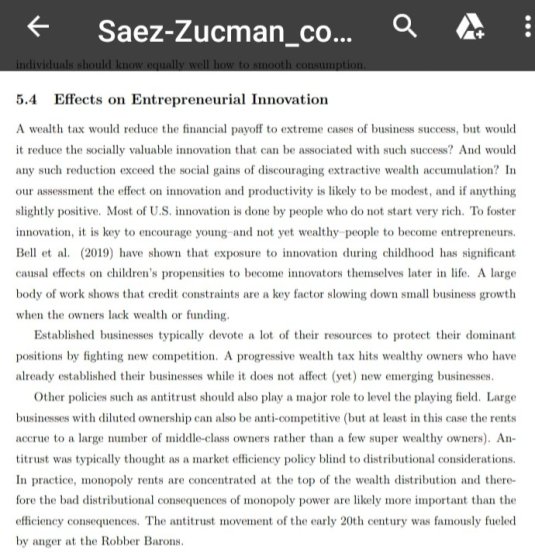
Saez and Zucman are rather blase about the impact of wealth taxes on innovation. Encourage innovation then tax away succesful innovators!
25 Oct 2019 Leave a comment
in applied price theory, entrepreneurship, income redistribution, industrial organisation, Marxist economics, politics - USA, Public Choice, public economics, rentseeking, survivor principle Tags: 2020 presidential election, endogenous growth theory, envy, superstars, top 1%, wealth taxes
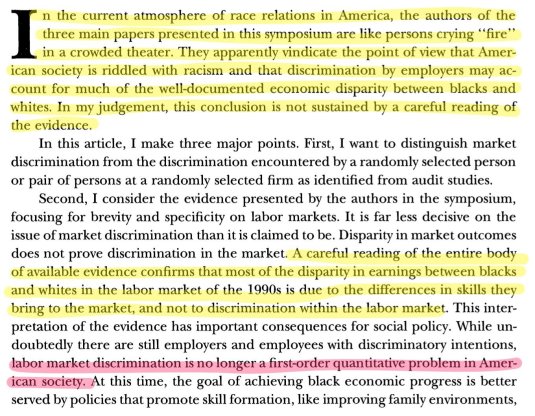
James Heckman on racial wage gaps and racial discrimination by employers
23 Oct 2019 Leave a comment
Would a “Wealth Tax” Help Combat Inequality? A Debate with Saez, Summers, and Mankiw
20 Oct 2019 Leave a comment
in applied price theory, applied welfare economics, comparative institutional analysis, economics of education, entrepreneurship, financial economics, human capital, income redistribution, industrial organisation, labour economics, labour supply, Marxist economics, occupational choice, politics - USA, poverty and inequality, Public Choice, public economics, rentseeking, survivor principle Tags: envy, superstar wages, superstars, taxation and entrepreneurship, taxation and investment, taxation and labour supply, top 1%, wealth taxes
Do bosses take your labour surplus with them when they die? More on the rise of a working rich @AOC @BernieSanders
19 Oct 2019 Leave a comment
in applied price theory, entrepreneurship, financial economics, human capital, income redistribution, industrial organisation, labour economics, labour supply, law and economics, Marxist economics, occupational choice, poverty and inequality, property rights, Public Choice, survivor principle Tags: labour theory of value, top 1%
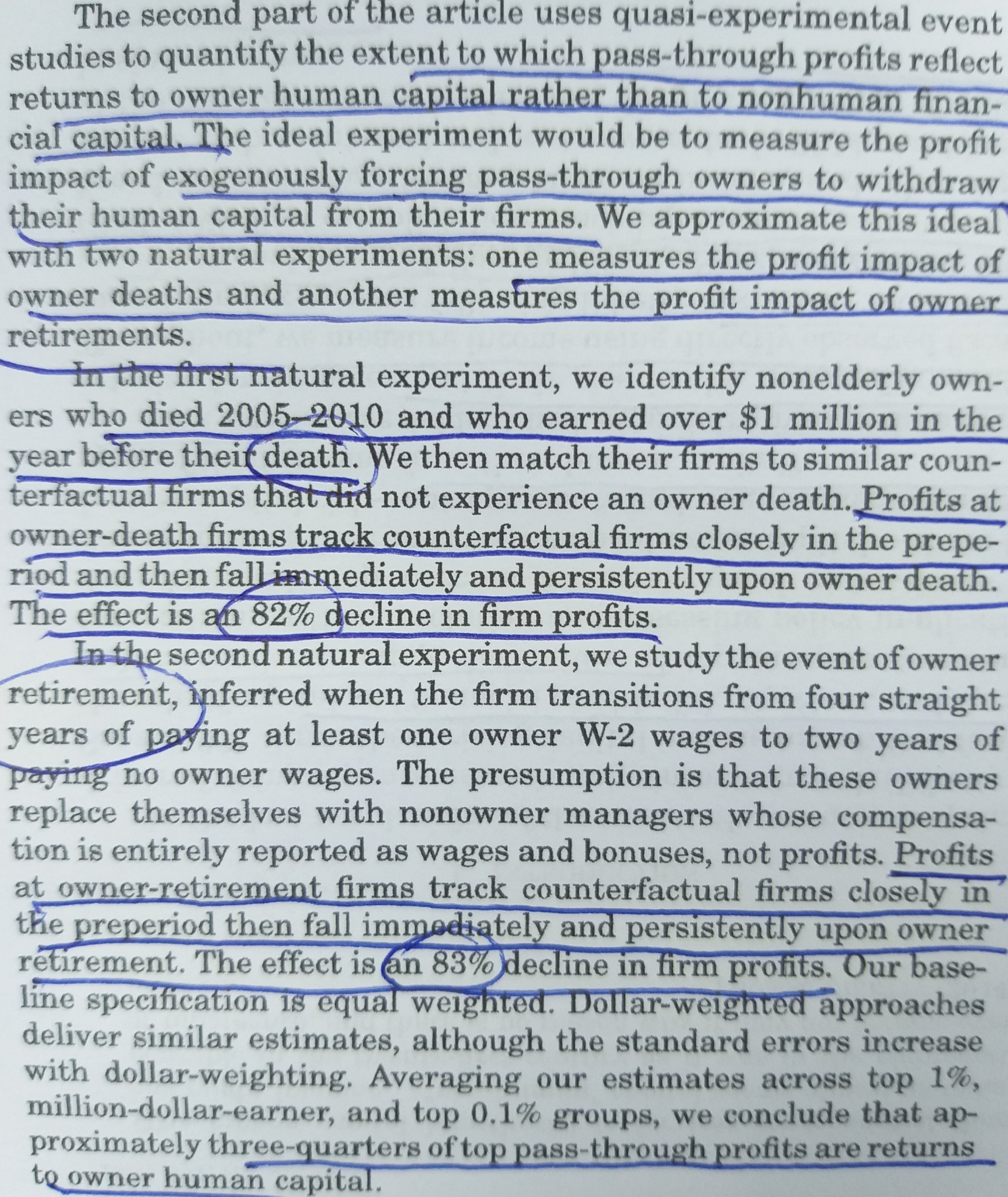
from http://www.ericzwick.com/capitalists/capitalists.pdf
Matthew Smith, Danny Yagan, Owen Zidar, Eric Zwick, Capitalists in the Twenty-First Century, The Quarterly Journal of Economics, Volume 134, Issue 4, November 2019, Pages 1675–1745,
@BernieSanders @AOC @jeremycorbyn @SenWarren
18 Oct 2019 Leave a comment
in comparative institutional analysis, development economics, economic history, economics of bureaucracy, growth disasters, income redistribution, law and economics, Marxist economics, Public Choice, rentseeking Tags: economics of socialism, The fatal conceit

Douglass North and Timur Kuran: Institutions and Economic Performance
17 Oct 2019 Leave a comment
in applied price theory, applied welfare economics, Austrian economics, comparative institutional analysis, constitutional political economy, defence economics, development economics, economic history, economics of bureaucracy, economics of education, economics of regulation, economics of religion, financial economics, growth disasters, growth miracles, history of economic thought, income redistribution, industrial organisation, law and economics, property rights, Public Choice, rentseeking, survivor principle Tags: The Great Enrichment
35 years later: Diamond-Dybvig model of bank runs
16 Oct 2019 Leave a comment
in applied price theory, applied welfare economics, business cycles, comparative institutional analysis, economic growth, economic history, global financial crisis (GFC), great depression, great recession, income redistribution, industrial organisation, law and economics, macroeconomics, monetary economics, property rights, Public Choice, rentseeking, survivor principle Tags: bank panics, bank runs, deposit insurance
Deirdre McCloskey on why liberalism works
16 Oct 2019 Leave a comment
in applied price theory, comparative institutional analysis, constitutional political economy, development economics, economic growth, economic history, economics of bureaucracy, economics of education, economics of regulation, entrepreneurship, growth disasters, growth miracles, health economics, human capital, income redistribution, industrial organisation, international economics, labour economics, law and economics, macroeconomics, Marxist economics, poverty and inequality, property rights, Public Choice, public economics, Rawls and Nozick, rentseeking, survivor principle Tags: The Great Enrichment
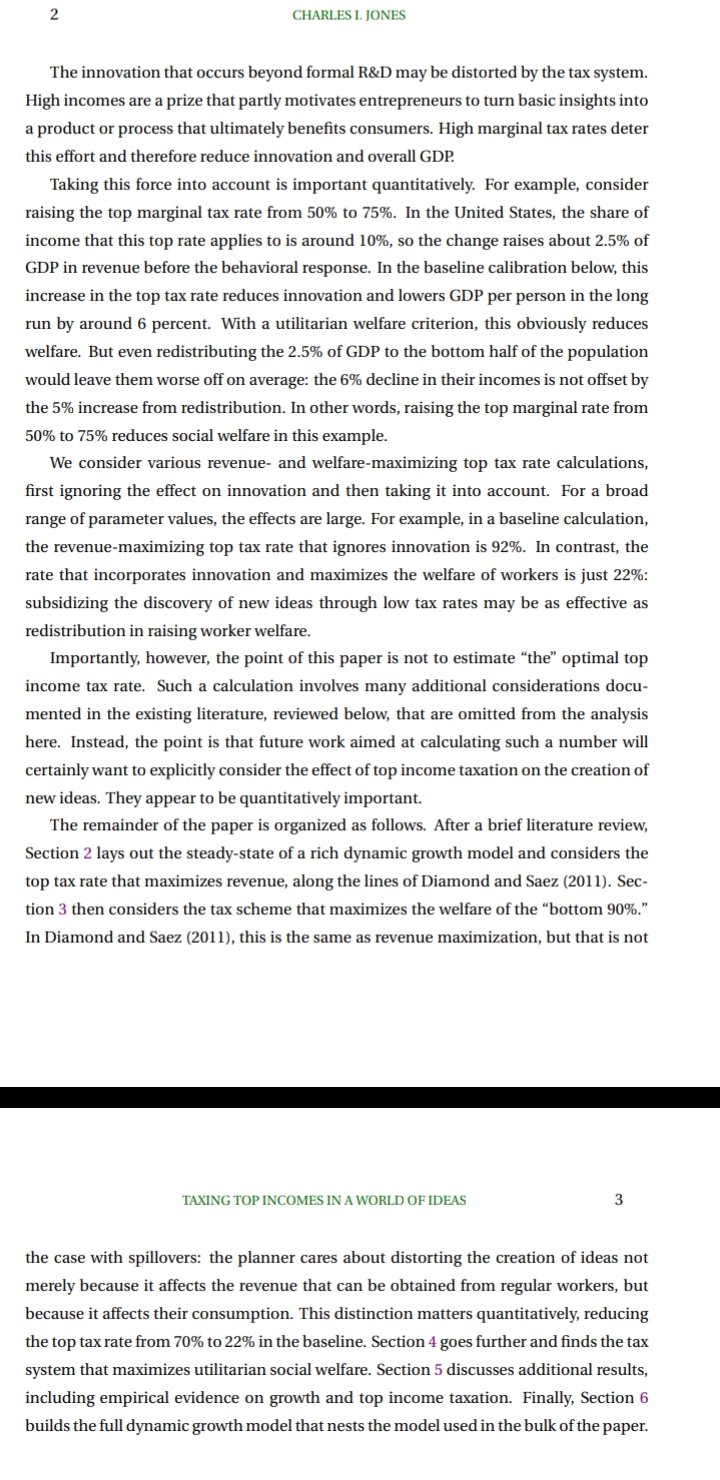
Piketty provoked economists to think more deeply on optimal top tax rates and how low they could be
13 Oct 2019 Leave a comment
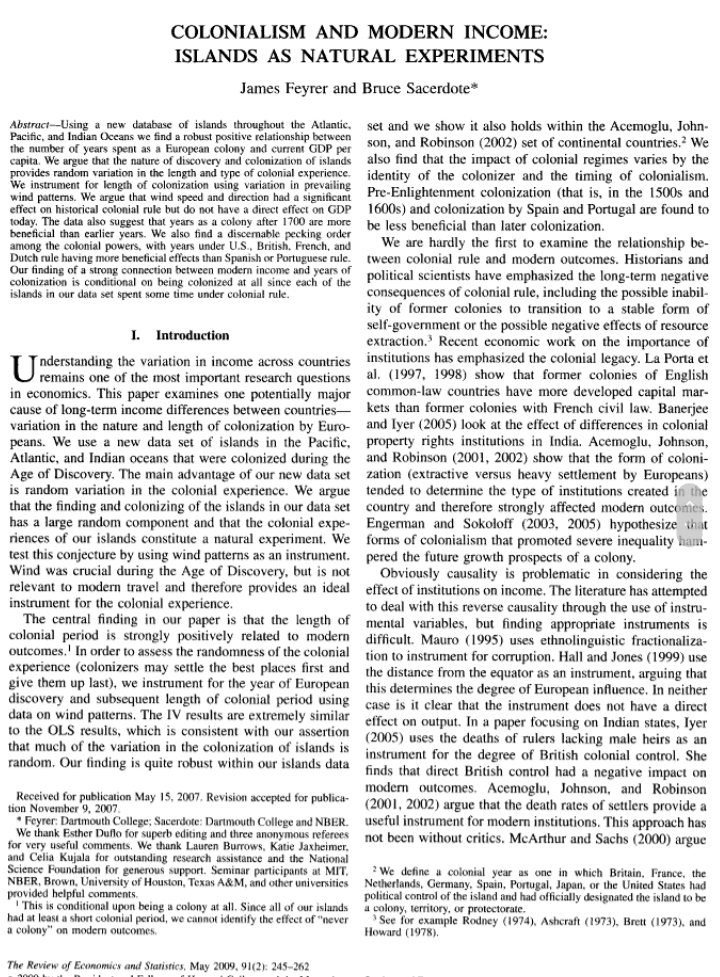
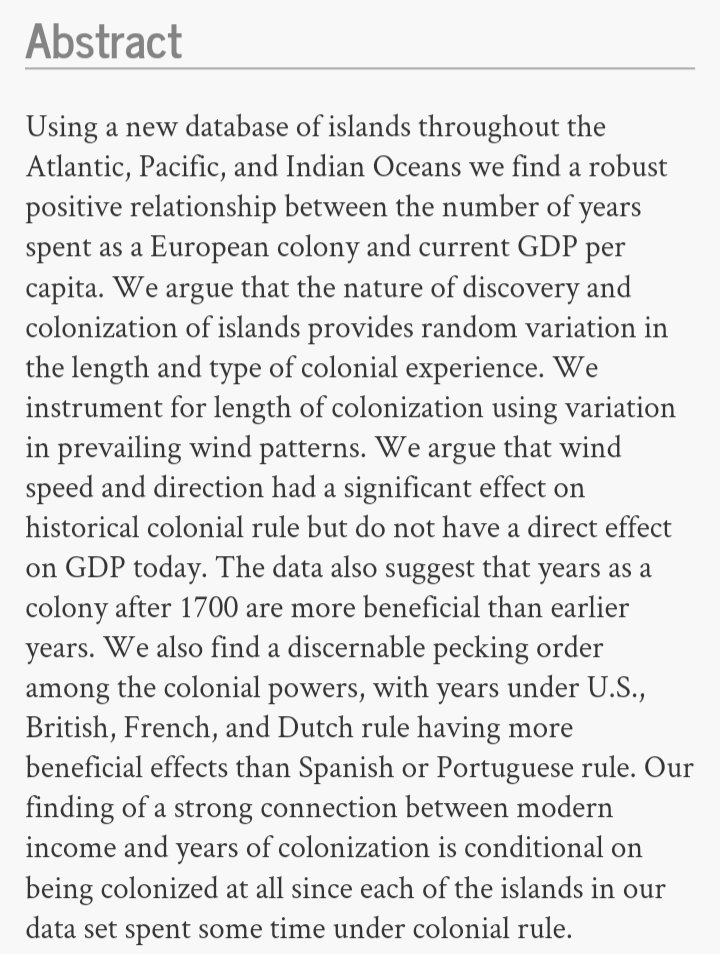
Colonialism and Modern Income: Islands as Natural Experiments by James Feyrer and Bruce Sacerdote
11 Oct 2019 Leave a comment
in comparative institutional analysis, constitutional political economy, defence economics, development economics, economic history, economics of bureaucracy, economics of crime, economics of education, economics of regulation, growth disasters, growth miracles, human capital, income redistribution, industrial organisation, international economic law, International law, law and economics, property rights, Public Choice, public economics, rentseeking Tags: Age of Discovery, age of empires, Age of exploration, British empire, economics of colonialism
 Utopia, you are standing in it!
Recent Comments