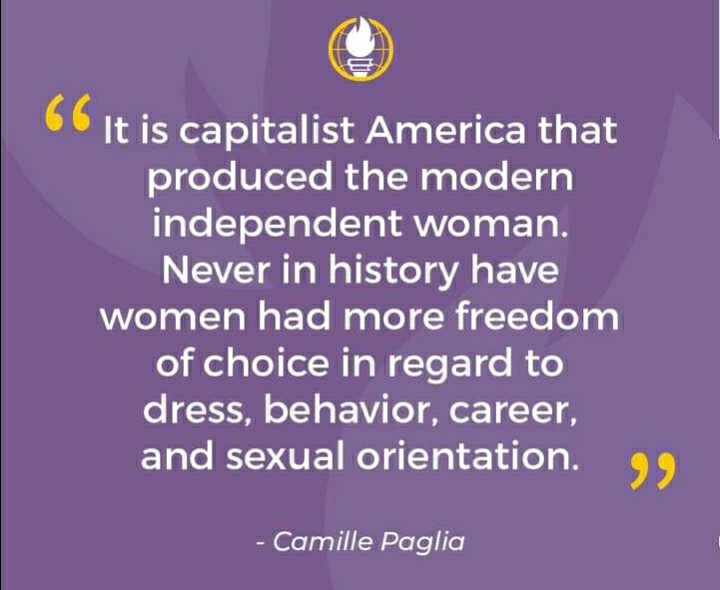
Milton Friedman on Regulations and Consumers
03 Nov 2020 1 Comment
in applied price theory, applied welfare economics, comparative institutional analysis, economic history, economics of bureaucracy, economics of information, economics of regulation, entrepreneurship, history of economic thought, industrial organisation, law and economics, Milton Friedman, Public Choice, public economics, survivor principle Tags: offsetting behaviour, unintended consequences
Deirdre McCloskey and Alberto Mingardi: The Myth of the Entrepreneurial State
03 Nov 2020 Leave a comment
in applied price theory, applied welfare economics, comparative institutional analysis, economic history, economics of regulation, entrepreneurship, history of economic thought, industrial organisation, Public Choice, public economics, rentseeking, survivor principle Tags: industry policy, picking winners
Fannie Lou Hamer’s Testimony | Freedom Summer
02 Nov 2020 Leave a comment
in discrimination, income redistribution, labour economics, law and economics, politics - USA, Public Choice, rentseeking Tags: racial discrimination
Macroeconomic dynamics and reallocation in an epidemic
01 Nov 2020 Leave a comment
in applied price theory, applied welfare economics, comparative institutional analysis, economic growth, economics of bureaucracy, economics of information, economics of regulation, health economics, industrial organisation, labour economics, labour supply, macroeconomics, Public Choice Tags: economics of pandemics
Economics of the City, Edward Glaeser
30 Oct 2020 Leave a comment
in applied price theory, applied welfare economics, comparative institutional analysis, econometerics, economic history, economics of bureaucracy, economics of education, economics of love and marriage, economics of regulation, human capital, income redistribution, industrial organisation, labour economics, labour supply, law and economics, politics - USA, Public Choice, public economics, rentseeking, transport economics, urban economics
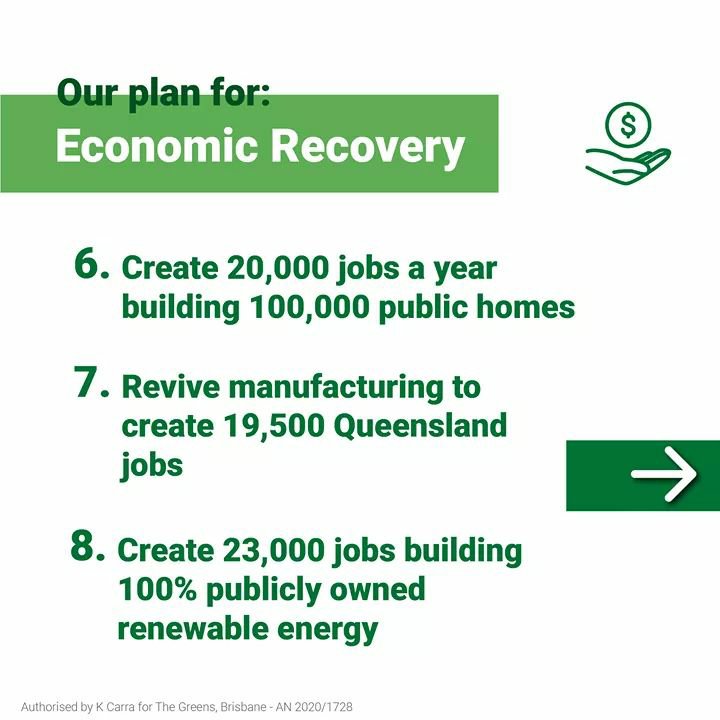
Tesla battery manufacture/R&D should be state owned. Put renewable energy battery backup innovation back by decades @Greens
28 Oct 2020 Leave a comment
in economics of bureaucracy, energy economics, entrepreneurship, environmental economics, global warming, industrial organisation, Marxist economics, politics - Australia, Public Choice Tags: creative destruction, privatisation, solar power, wind power
The Prince | Machiavelli
28 Oct 2020 Leave a comment
in defence economics, economic history, economics of bureaucracy, economics of education, Public Choice
Anti-science @Greenpeace @Greens @NZGreens
27 Oct 2020 Leave a comment
in economics of regulation, environmental economics, fisheries economics, health economics, Marxist economics, Public Choice Tags: anti-GMOs movement, anti-intellectualism, Anti-Science left, regressive left

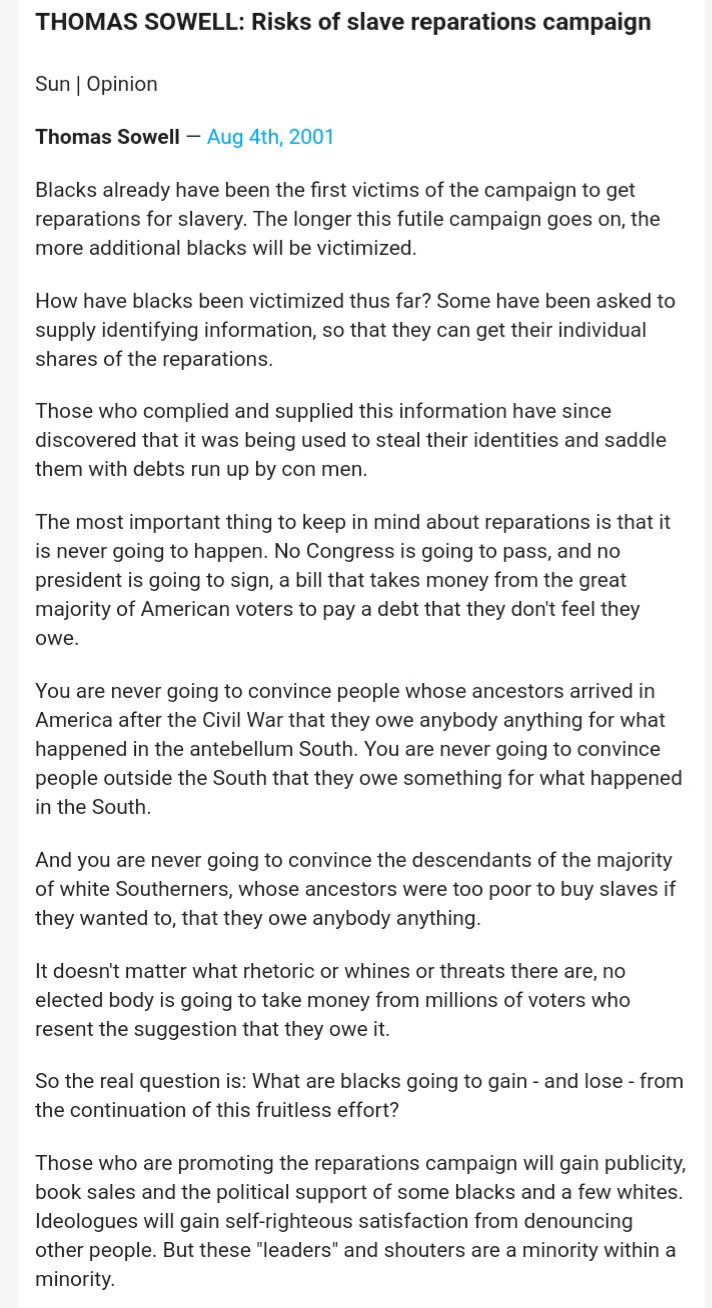
Sowell on reparations
26 Oct 2020 Leave a comment
in economic history, economics of crime, history of economic thought, human capital, income redistribution, labour economics, labour supply, law and economics, politics - USA, property rights, Public Choice, Rawls and Nozick, rentseeking, Thomas Sowell Tags: American Civil War, political correctness, regressive left
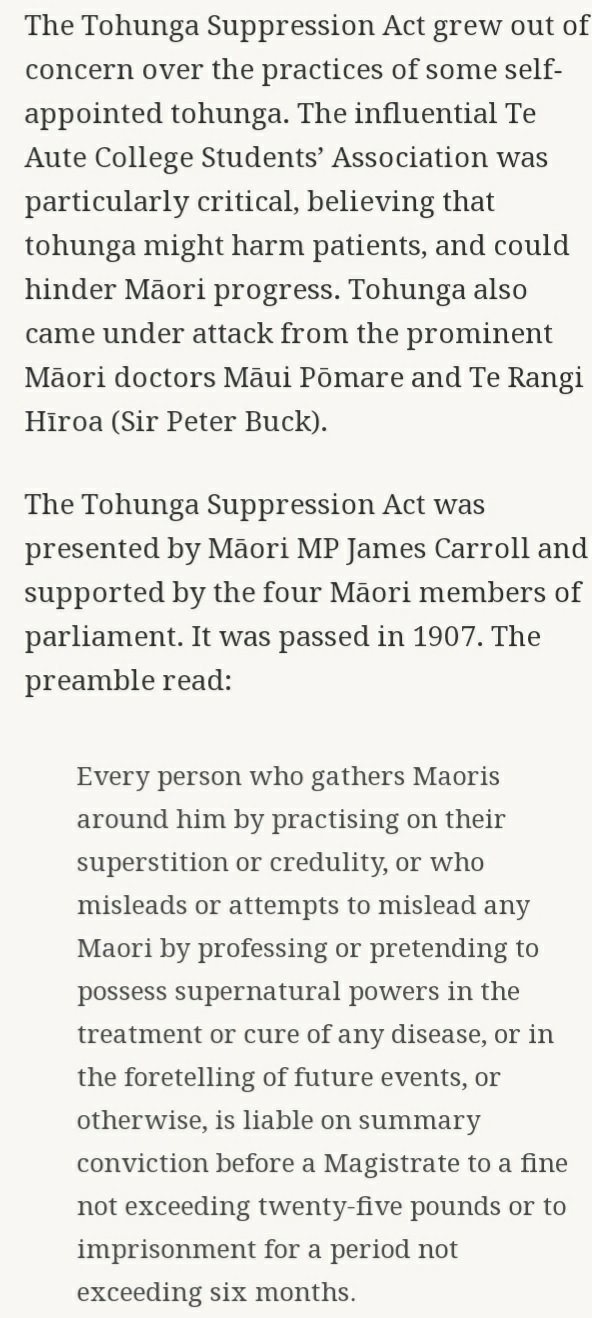
Woke @TheRACP erase Maori origins of Tohunga Suppression Act 1907 from parliamentary submission on Maori health disparities
26 Oct 2020 Leave a comment
in economic history, economics of crime, economics of regulation, health economics, law and economics, Marxist economics, politics - New Zealand, Public Choice Tags: Maori economic development, political correctness, racial discrimination, regressive left, useful idiots
Anti-science @Greenpeace @NZGreens @Greens @AOC @BernieSanders
26 Oct 2020 Leave a comment
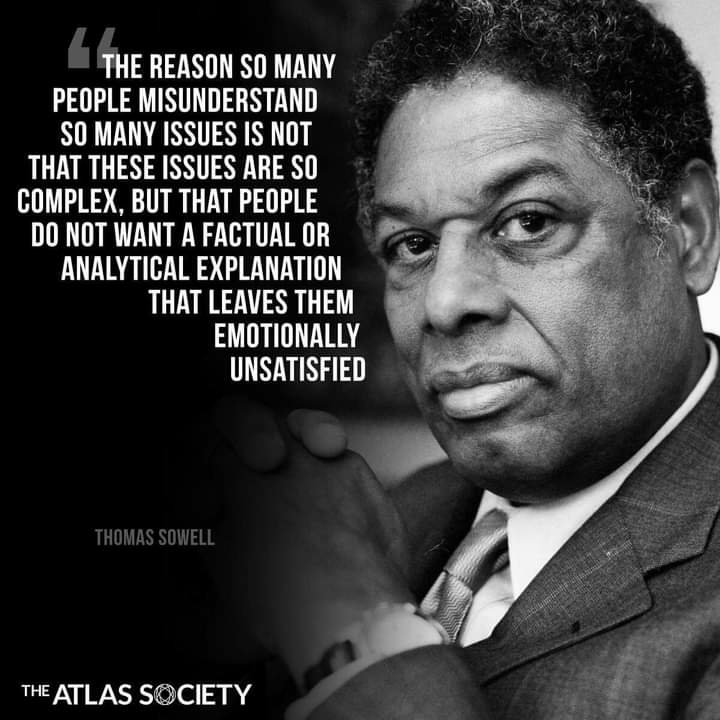
in applied price theory, applied welfare economics, comparative institutional analysis, constitutional political economy, development economics, economic history, economics of bureaucracy, economics of crime, economics of education, economics of information, economics of media and culture, economics of regulation, energy economics, environmental economics, environmentalism, financial economics, global warming, history of economic thought, income redistribution, industrial organisation, labour economics, law and economics, macroeconomics, Marxist economics, Public Choice, rentseeking, Thomas Sowell Tags: Anti-Science left, conjecture and refutation, offsetting behaviour, philosophy of science, The fatal conceit, unintended consequences, useful idiots
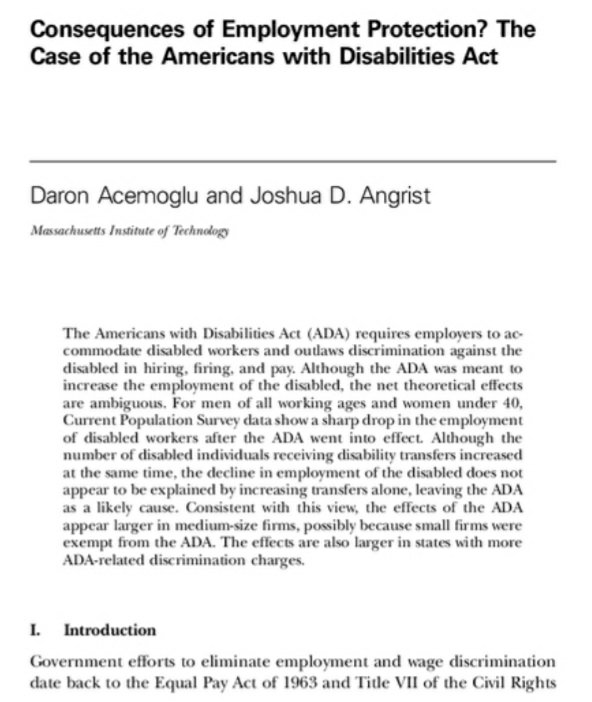
Employment Protection laws reduces hiring of risky applicants
26 Oct 2020 Leave a comment
in applied price theory, comparative institutional analysis, discrimination, economics of bureaucracy, economics of education, economics of information, health economics, human capital, industrial organisation, labour economics, labour supply, law and economics, managerial economics, organisational economics, personnel economics, politics - USA, poverty and inequality, Public Choice, survivor principle Tags: employment law, employment protection laws, offsetting behaviour, The fatal conceit, unintended consequences
Richard Posner 2008 interview on antitrust law
26 Oct 2020 Leave a comment
in applied price theory, comparative institutional analysis, economic history, economics of bureaucracy, economics of regulation, history of economic thought, industrial organisation, law and economics, politics - USA, Public Choice, Richard Posner, theory of the firm Tags: competition law
Rare Economic Disasters: What Role Does Government Play? | Robert Barro
24 Oct 2020 Leave a comment
in applied price theory, applied welfare economics, budget deficits, business cycles, comparative institutional analysis, development economics, economic growth, economic history, economics of bureaucracy, economics of natural disasters, economics of regulation, energy economics, environmental economics, fiscal policy, global financial crisis (GFC), great depression, great recession, history of economic thought, industrial organisation, labour economics, labour supply, law and economics, macroeconomics, monetary economics, poverty and inequality, Public Choice, unemployment
 Utopia, you are standing in it!
Recent Comments