Cancelled for Defending Colonialism – Bruce Gilley
23 Jan 2021 Leave a comment
in comparative institutional analysis, constitutional political economy, defence economics, development economics, economic history, economics of bureaucracy, growth disasters, growth miracles, income redistribution, international economic law, International law, law and economics, laws of war, property rights, Public Choice, public economics, war and peace Tags: economics of colonialism
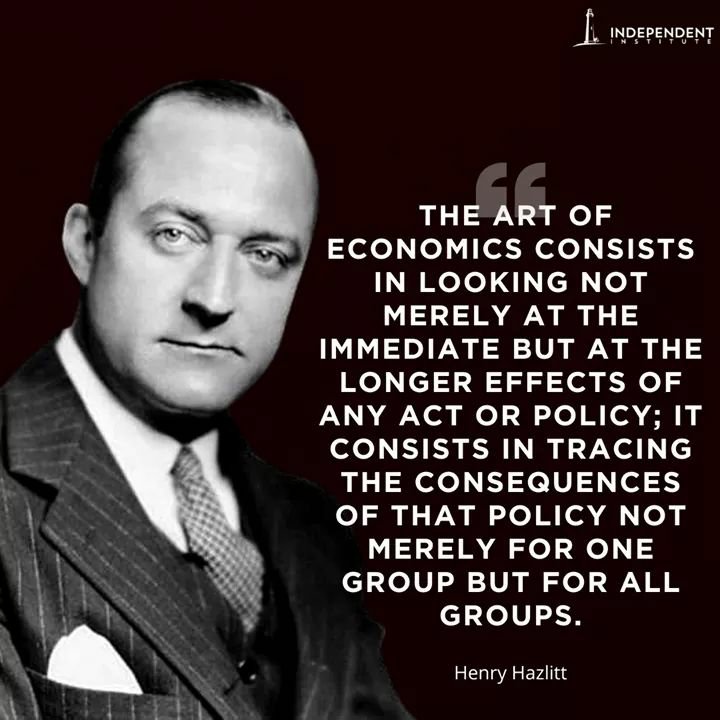
Economics in one lesson
22 Jan 2021 Leave a comment
in applied price theory, applied welfare economics, comparative institutional analysis, economics of bureaucracy, economics of regulation, history of economic thought, law and economics, property rights, Public Choice, public economics
Joe Biden’s Ambitious Tax Plan Faces Reality
11 Jan 2021 Leave a comment
in applied price theory, applied welfare economics, entrepreneurship, human capital, income redistribution, industrial organisation, labour economics, labour supply, occupational choice, politics - USA, poverty and inequality, Public Choice, public economics Tags: 2020 presidential election, taxation and entrepreneurship, taxation and investment, taxation and labour supply, taxation and savings, top 1%
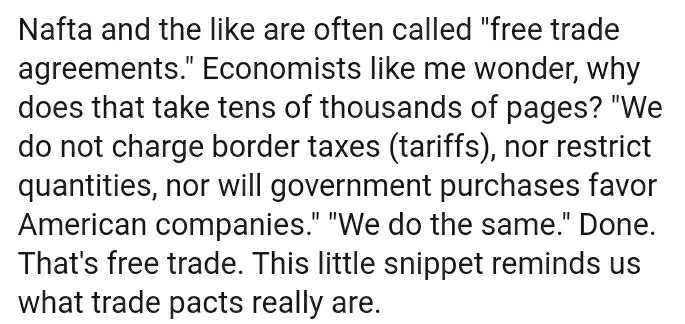
What should be in free trade agreements?
07 Jan 2021 Leave a comment
in applied price theory, applied welfare economics, comparative institutional analysis, constitutional political economy, economics of bureaucracy, economics of regulation, income redistribution, industrial organisation, international economics, law and economics, politics - New Zealand, Public Choice, public economics, rentseeking Tags: customs unions, preferential trade agreements
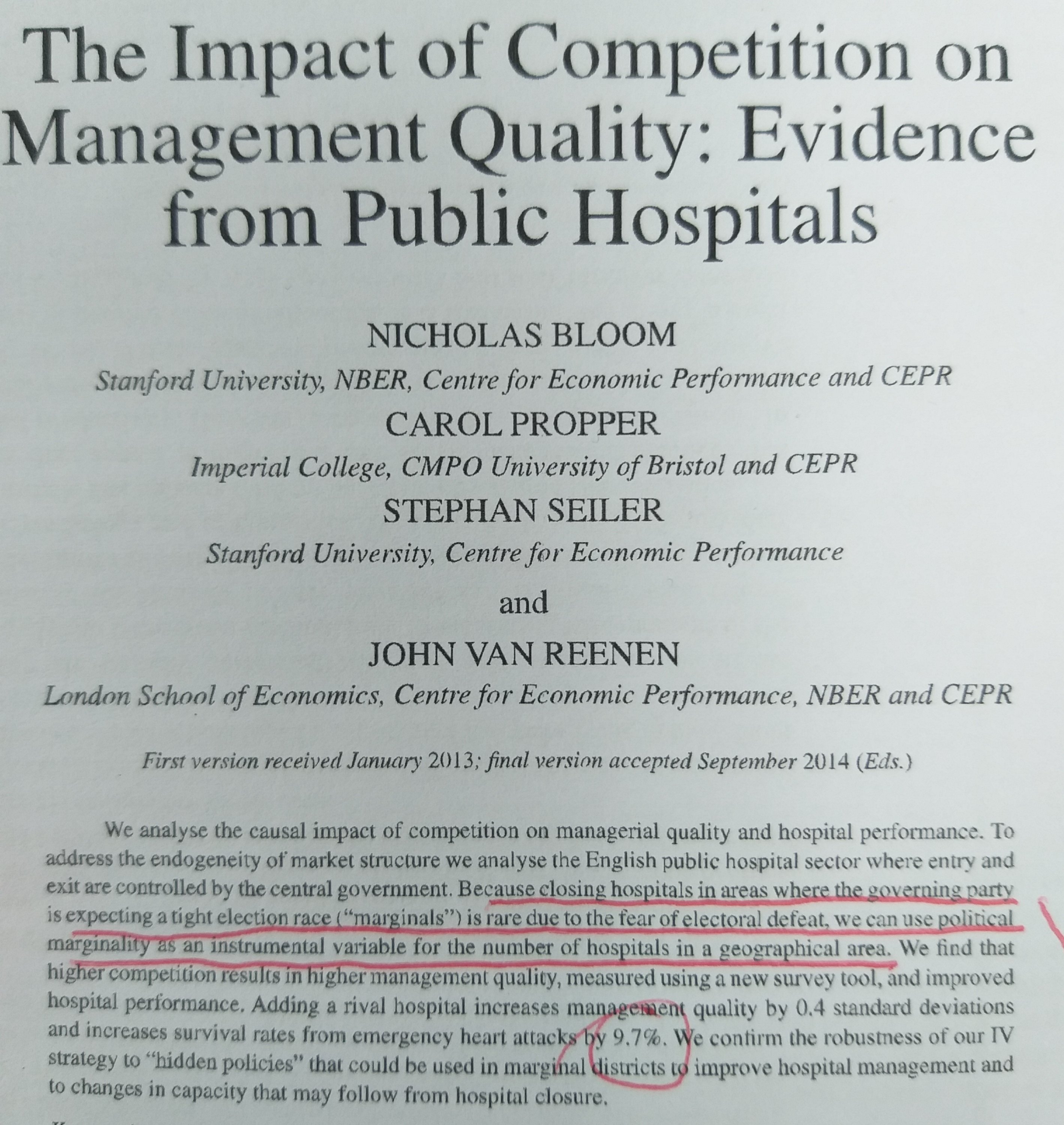
Competition saves lives even in the NHS!!
28 Nov 2020 Leave a comment
in applied price theory, econometerics, economics of bureaucracy, health economics, industrial organisation, managerial economics, organisational economics, Public Choice, public economics, survivor principle Tags: creative destruction, market selection
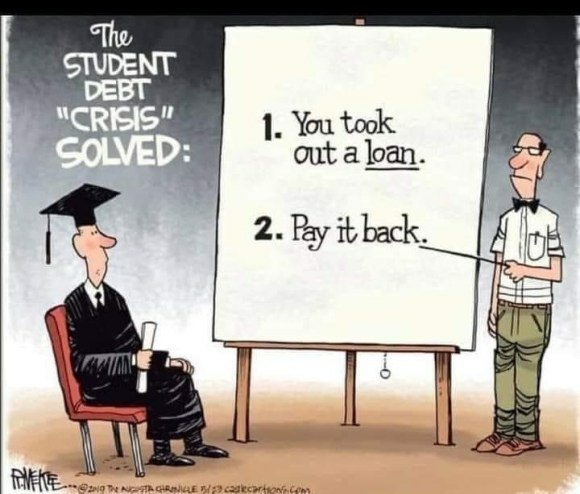
But @AOC wants the working class to pay off her loan
22 Nov 2020 Leave a comment
in economics of education, human capital, labour economics, Marxist economics, occupational choice, politics - USA, poverty and inequality, Public Choice, public economics, rentseeking Tags: regressive left, student loans
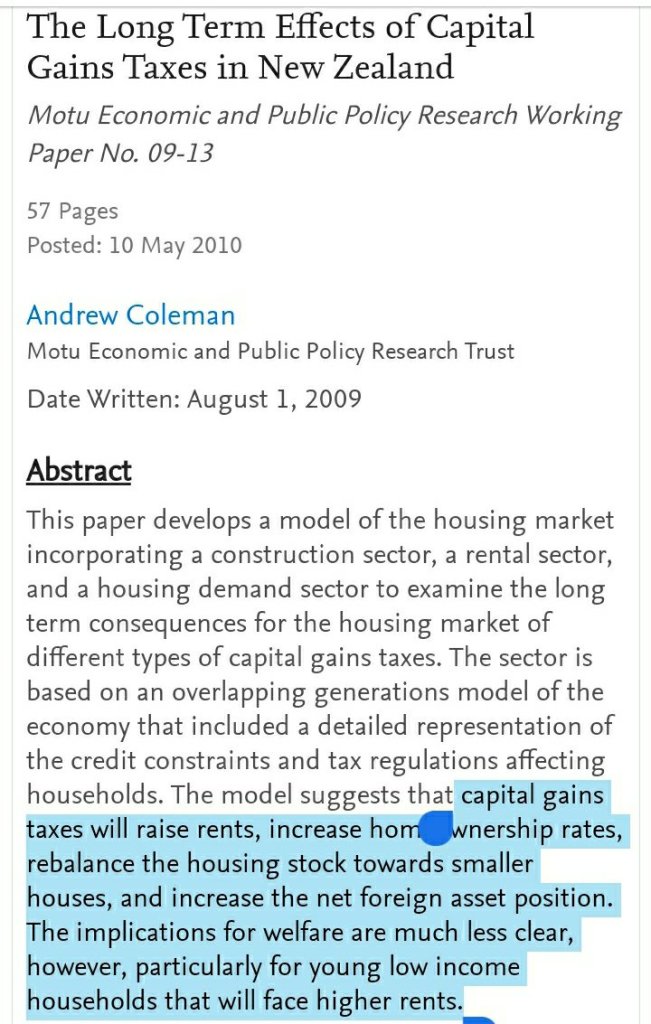
The long-term effects of capital gains taxes
19 Nov 2020 1 Comment
in applied price theory, applied welfare economics, income redistribution, politics - New Zealand, poverty and inequality, Public Choice, public economics, rentseeking, urban economics Tags: capital gains tax, housing affordability, land supply, taxation and investment
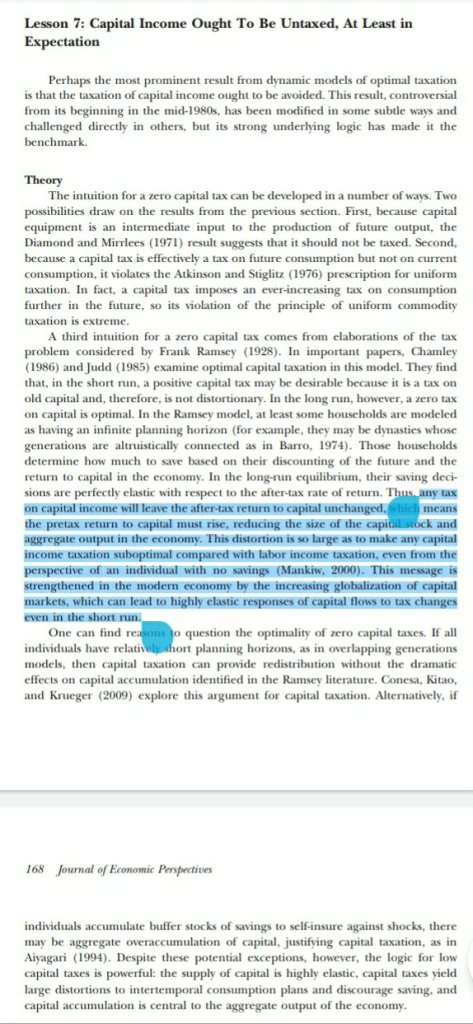
Optimal rate of tax on capital is zero
17 Nov 2020 Leave a comment
in applied price theory, applied welfare economics, economic growth, entrepreneurship, macroeconomics, Marxist economics, public economics Tags: company tax, optimal tax theory, taxation and investment, taxation and savings
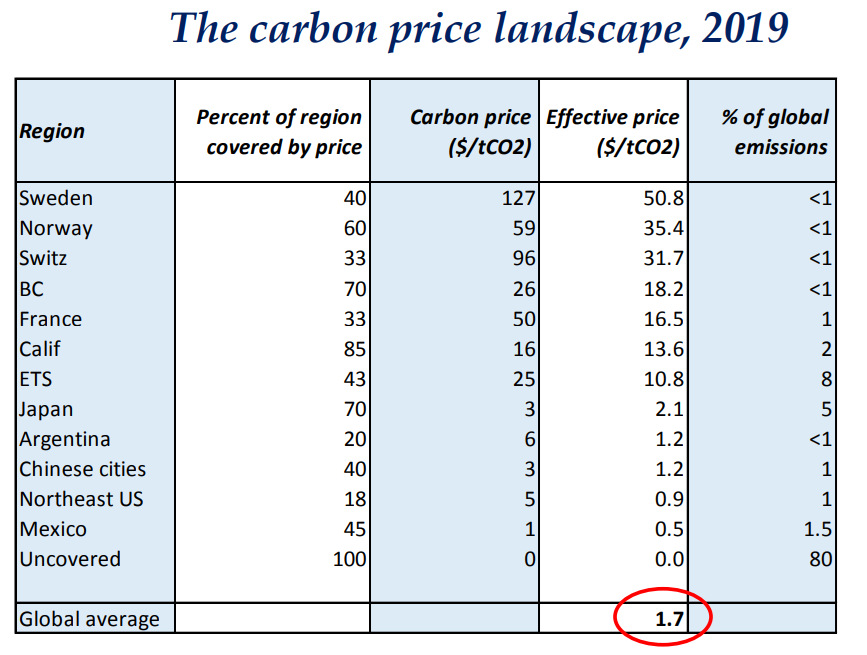
Nordhaus on #globalwarming #climatemergency
14 Nov 2020 Leave a comment
in energy economics, environmental economics, global warming, politics - New Zealand, politics - USA, public economics
Milton Friedman on Regulations and Consumers
03 Nov 2020 1 Comment
in applied price theory, applied welfare economics, comparative institutional analysis, economic history, economics of bureaucracy, economics of information, economics of regulation, entrepreneurship, history of economic thought, industrial organisation, law and economics, Milton Friedman, Public Choice, public economics, survivor principle Tags: offsetting behaviour, unintended consequences
Deirdre McCloskey and Alberto Mingardi: The Myth of the Entrepreneurial State
03 Nov 2020 Leave a comment
in applied price theory, applied welfare economics, comparative institutional analysis, economic history, economics of regulation, entrepreneurship, history of economic thought, industrial organisation, Public Choice, public economics, rentseeking, survivor principle Tags: industry policy, picking winners
Economics of the City, Edward Glaeser
30 Oct 2020 Leave a comment
in applied price theory, applied welfare economics, comparative institutional analysis, econometerics, economic history, economics of bureaucracy, economics of education, economics of love and marriage, economics of regulation, human capital, income redistribution, industrial organisation, labour economics, labour supply, law and economics, politics - USA, Public Choice, public economics, rentseeking, transport economics, urban economics
Robert E. Lucas Jr. What was the industrial revolution
23 Oct 2020 Leave a comment
in applied welfare economics, comparative institutional analysis, constitutional political economy, development economics, economic growth, economic history, economics of bureaucracy, economics of education, history of economic thought, human capital, income redistribution, industrial organisation, labour economics, labour supply, law and economics, macroeconomics, occupational choice, occupational regulation, poverty and inequality, property rights, Public Choice, public economics, rentseeking, Robert E. Lucas Tags: industrial revolution
How Trump and Biden Compare on the Economy | @WSJ
23 Oct 2020 Leave a comment
in economic growth, labour economics, law and economics, macroeconomics, politics - USA, Public Choice, public economics Tags: 2020 presidential election
David Friedman – Market Failure: An Argument both for and Against Government
20 Oct 2020 Leave a comment
in applied price theory, applied welfare economics, comparative institutional analysis, constitutional political economy, David Friedman, economic history, economics of crime, economics of regulation, history of economic thought, industrial organisation, labour economics, law and economics, property rights, Public Choice, public economics Tags: government failure, market failure
 Utopia, you are standing in it!
Recent Comments