Religious Liberty Symposium Keynote | Richard Epstein
12 Oct 2020 Leave a comment
in comparative institutional analysis, constitutional political economy, economics of bureaucracy, income redistribution, law and economics, politics - USA, Public Choice, public economics, rentseeking Tags: constitution law
Steven Landsburg – Why is there something instead of nothing? – September 19,2020
11 Oct 2020 Leave a comment
in applied price theory, applied welfare economics, Austrian economics, comparative institutional analysis, constitutional political economy, development economics, economic history, economics of education, entrepreneurship, environmental economics, financial economics, health economics, history of economic thought, industrial organisation, international economics, labour economics, law and economics, macroeconomics, managerial economics, market efficiency, organisational economics, personnel economics, Public Choice, public economics Tags: offsetting behaviour, pessimism bias, The Great Enrichment, unintended consequences
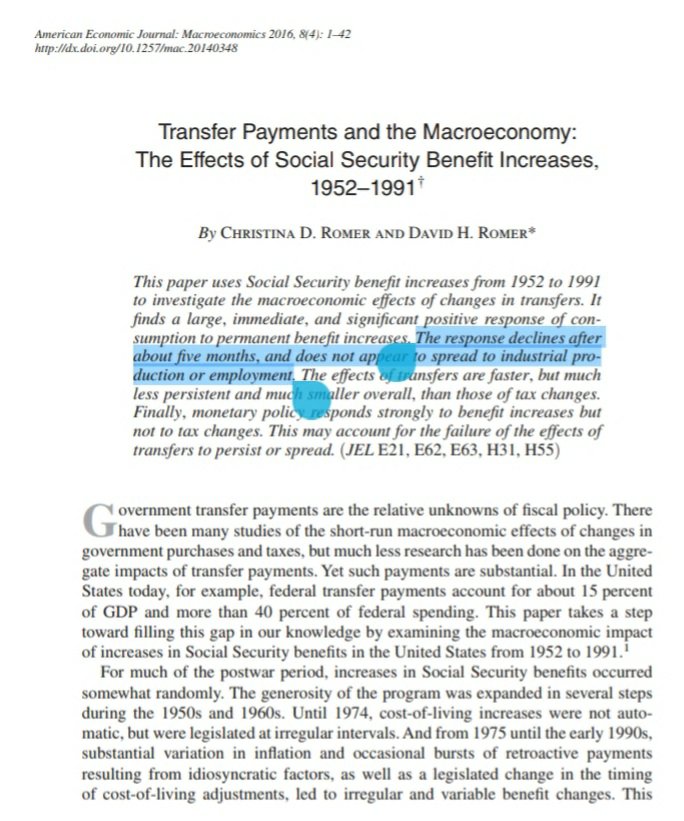
Fiscal multipliers and welfare benefit increases
10 Oct 2020 Leave a comment
in applied price theory, budget deficits, business cycles, econometerics, economic history, fiscal policy, history of economic thought, income redistribution, labour economics, labour supply, macroeconomics, politics - USA, poverty and inequality, Public Choice, public economics, welfare reform Tags: fiscal multiplier, Keynesian macroeconomics, New Keynesian macroeconomics
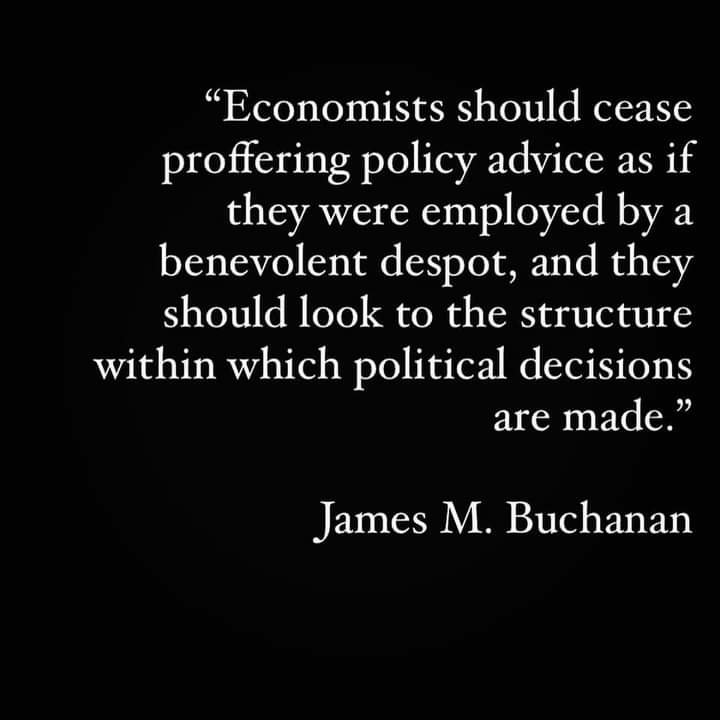
What should public service economists do?
05 Oct 2020 Leave a comment
in comparative institutional analysis, constitutional political economy, economics of bureaucracy, history of economic thought, James Buchanan, James Buchanan, Public Choice, public economics Tags: The fatal conceit
.@BernieSanders @AOC @Greens @NZGreens
02 Oct 2020 Leave a comment
in business cycles, development economics, discrimination, economic growth, economic history, economics of bureaucracy, economics of crime, economics of education, Economics of international refugee law, economics of love and marriage, economics of regulation, economics of religion, energy economics, entrepreneurship, environmental economics, financial economics, fiscal policy, gender, global warming, growth disasters, growth miracles, health and safety, health economics, history of economic thought, human capital, income redistribution, industrial organisation, international economics, International law, job search and matching, labour economics, labour supply, law and economics, macroeconomics, Marxist economics, minimum wage, occupational choice, occupational regulation, politics - Australia, politics - New Zealand, politics - USA, poverty and inequality, privatisation, property rights, Public Choice, public economics, rentseeking, survivor principle, unemployment, unions, welfare reform Tags: Age of Enlightenment, moral psychology, offsetting behaviour, political psychology, regressive left, The fatal conceit, The Great Enrichment, unintended consequences, useful idiots
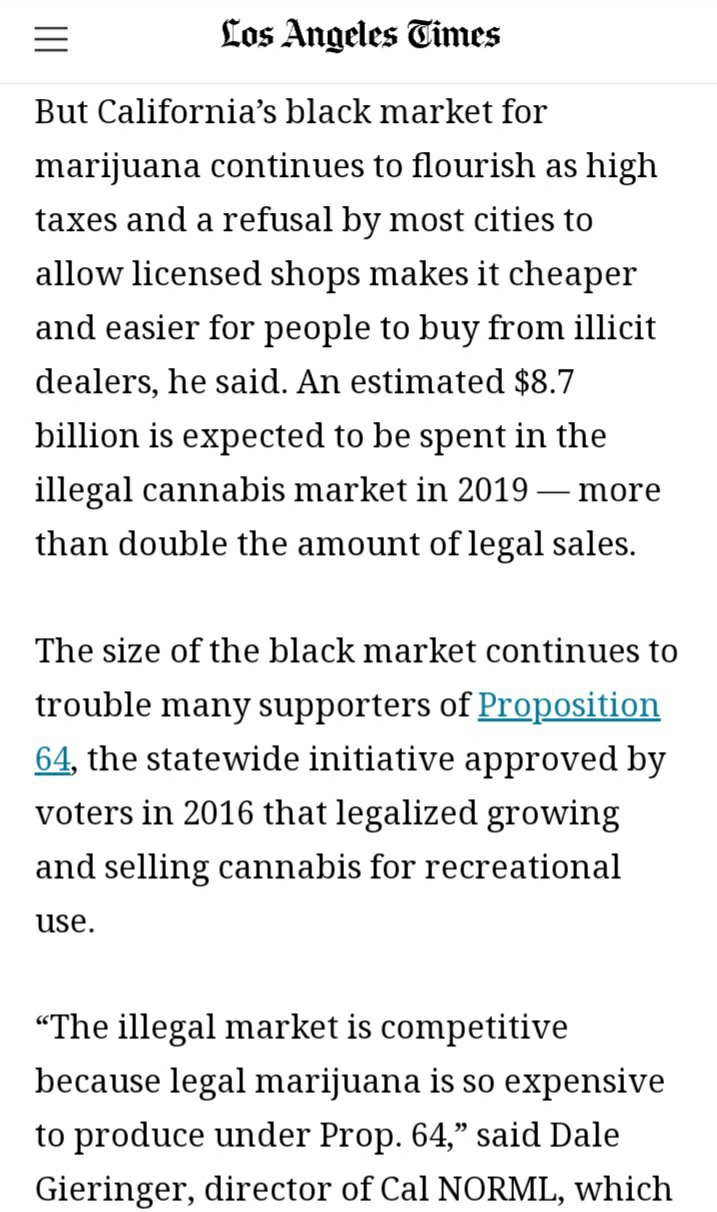
Stoners don’t like to pay tax
29 Sep 2020 Leave a comment
in applied price theory, economics of bureaucracy, economics of crime, economics of regulation, health economics, industrial organisation, law and economics, liberalism, politics - New Zealand, politics - USA, Public Choice, public economics, survivor principle Tags: California, marijuana decrimilisation, offsetting behaviour, unintended consequences
Economic Reform in New Zealand | Ruth Richardson
23 Sep 2020 Leave a comment
in applied price theory, applied welfare economics, comparative institutional analysis, constitutional political economy, economic growth, economic history, economics of bureaucracy, economics of education, economics of regulation, entrepreneurship, financial economics, history of economic thought, human capital, income redistribution, industrial organisation, international economics, labour economics, labour supply, law and economics, macroeconomics, Marxist economics, minimum wage, occupational choice, occupational regulation, politics - New Zealand, poverty and inequality, privatisation, property rights, Public Choice, public economics, rentseeking, survivor principle, unemployment, unions, welfare reform Tags: creative destruction, offsetting behaviour, The fatal conceit, unintended consequences
Property Rights: Keynote – Richard Epstein
22 Sep 2020 Leave a comment
in applied price theory, comparative institutional analysis, constitutional political economy, economic history, environmental economics, law and economics, property rights, public economics, Richard Epstein
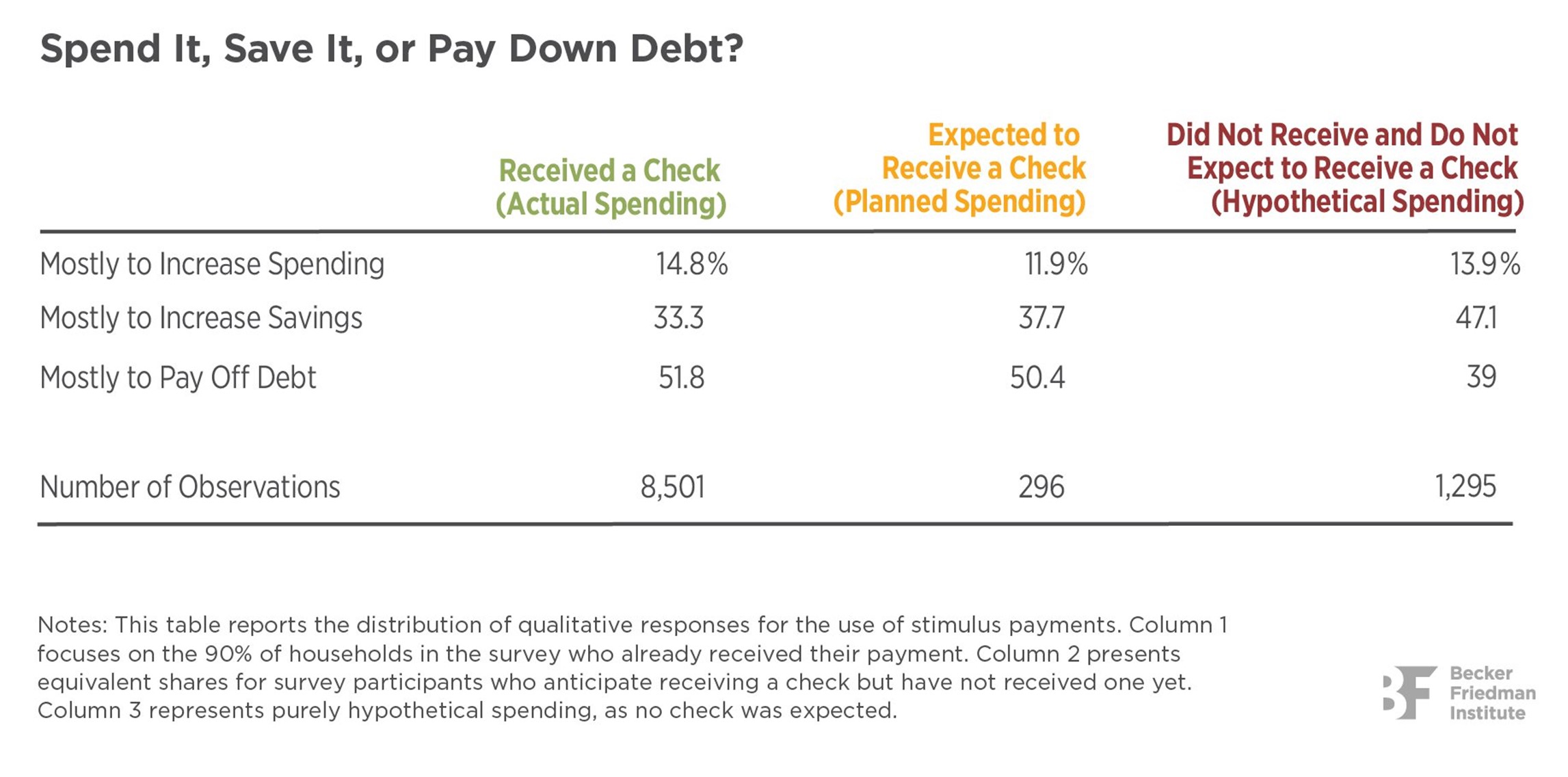
Most saved or paid down debts with #COVID19 transfers; 15 percent mostly spent it
20 Sep 2020 Leave a comment
in fiscal policy, health economics, macroeconomics, politics - USA, public economics
Angus Deaton – “The Great Escape: Health, Wealth, and the Origins of Inequality”
18 Sep 2020 Leave a comment
in development economics, economic history, economics of education, environmental economics, growth disasters, growth miracles, health and safety, health economics, history of economic thought, human capital, labour economics, labour supply, law and economics, poverty and inequality, property rights, Public Choice, public economics Tags: child mortality, infant mortality, The Great Escape
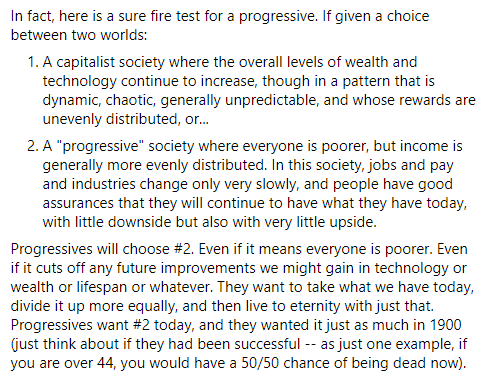
What would @AOC @oxfam @Greenpeace @berniesanders @Greens @NZGreens choose?
15 Sep 2020 Leave a comment
in applied welfare economics, comparative institutional analysis, constitutional political economy, development economics, economic growth, economic history, economics of bureaucracy, economics of regulation, entrepreneurship, growth disasters, growth miracles, health economics, history of economic thought, human capital, income redistribution, industrial organisation, Joseph Schumpeter, labour economics, labour supply, law and economics, liberalism, libertarianism, macroeconomics, Marxist economics, minimum wage, occupational choice, occupational regulation, politics - Australia, politics - New Zealand, politics - USA, poverty and inequality, property rights, Public Choice, public economics, rentseeking, survivor principle, unemployment, unions Tags: The fatel conceit, The Great Enrichment
Richard Posner on the Breakup of AT&T: A Twenty-Five Year Retrospective” on YouTube
15 Sep 2020 Leave a comment
in applied price theory, comparative institutional analysis, economics of bureaucracy, entrepreneurship, industrial organisation, law and economics, managerial economics, organisational economics, politics - USA, Public Choice, public economics Tags: competition, creative destruction
Angus Deaton: «lDevelopment aid is cynical» – Swiss Television SRF
14 Sep 2020 Leave a comment
in Bill Easterly, comparative institutional analysis, constitutional political economy, development economics, economic history, economics of bureaucracy, economics of crime, growth disasters, growth miracles, international economics, law and economics, P.T. Bauer, property rights, Public Choice, public economics, rentseeking Tags: overseas aid
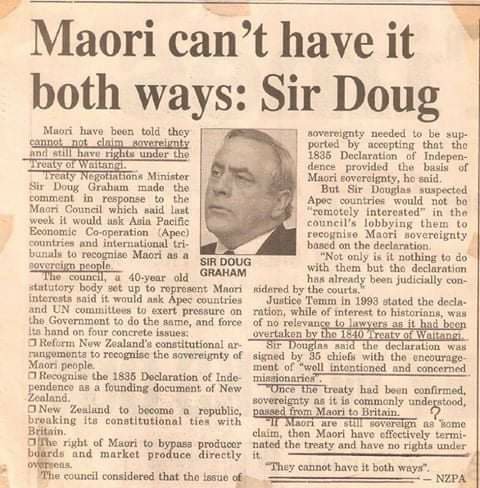
Cannot enforce a treaty if there was no meeting of minds on what was agreed
13 Sep 2020 Leave a comment
in comparative institutional analysis, constitutional political economy, defence economics, economic history, International law, law and economics, politics - New Zealand, Public Choice, public economics Tags: constitutional law, contract law
Jordan Peterson: The fatal flaw in leftist American politics | Big Think
12 Sep 2020 Leave a comment
in comparative institutional analysis, constitutional political economy, development economics, economic history, economics of education, entrepreneurship, history of economic thought, human capital, income redistribution, industrial organisation, labour economics, liberalism, libertarianism, Marxist economics, poverty and inequality, Public Choice, public economics, Rawls and Nozick Tags: anti-market bias, envy, pessimism bias, regressive left, top 1%
 Utopia, you are standing in it!
Recent Comments