Macron’s government consistently spent more as a share of total output than any other OECD member, with the public sector accounting for over 57% of GDP in 2024. The telling trend is France’s divergence from its neighbors. When Macron took office, France’s debt-to-GDP ratio was 11 percentage points above the Eurozone average; by 2024, that gap […]
French facts of the day
French facts of the day
14 Oct 2025 1 Comment
in applied price theory, economics of bureaucracy, economics of regulation, energy economics, environmental economics, fiscal policy, law and economics, macroeconomics, property rights, Public Choice, rentseeking, urban economics Tags: France
Local government elections 2025 for a libertarian
23 Sep 2025 Leave a comment
in economics of bureaucracy, economics of regulation, environmental economics, environmentalism, law and economics, liberalism, libertarianism, Marxist economics, politics - New Zealand, property rights, Public Choice, transport economics, urban economics Tags: housing affordability, land supply, regressive left, zoning
Libertarians don’t like local government much, generally. While some aspire for maximum devolution, similar to Switzerland, so that most government power (outside defence, foreign affairs and border control) is at the more local level, that would require a transformational constitutional change. Switzerland works because its best and brightest get concentrated at the canton level, and…
Local government elections 2025 for a libertarian
Do rising house prices damage economic growth?
01 Sep 2025 Leave a comment
in applied price theory, economic growth, economics of bureaucracy, economics of regulation, macroeconomics, politics - New Zealand, Public Choice, regulation, rentseeking, urban economics Tags: housing affordability
Don Brash writes – In recent years, when addressing Rotary and other audiences, I often talk about the five big challenges facing New Zealand – persistently slow growth in productivity, and therefore in income levels; ridiculously unaffordable house prices; the increasing division of our society into those with a Maori ancestor and those without; the […]
Do rising house prices damage economic growth?
Chlöe Swarbrick’s homelessness hyperbole
11 Aug 2025 Leave a comment
in applied price theory, economic history, economics of regulation, human capital, labour economics, law and economics, liberalism, Marxist economics, politics - New Zealand, poverty and inequality, property rights, Public Choice, rentseeking, transport economics, urban economics Tags: family poverty, homelessness, regressive left
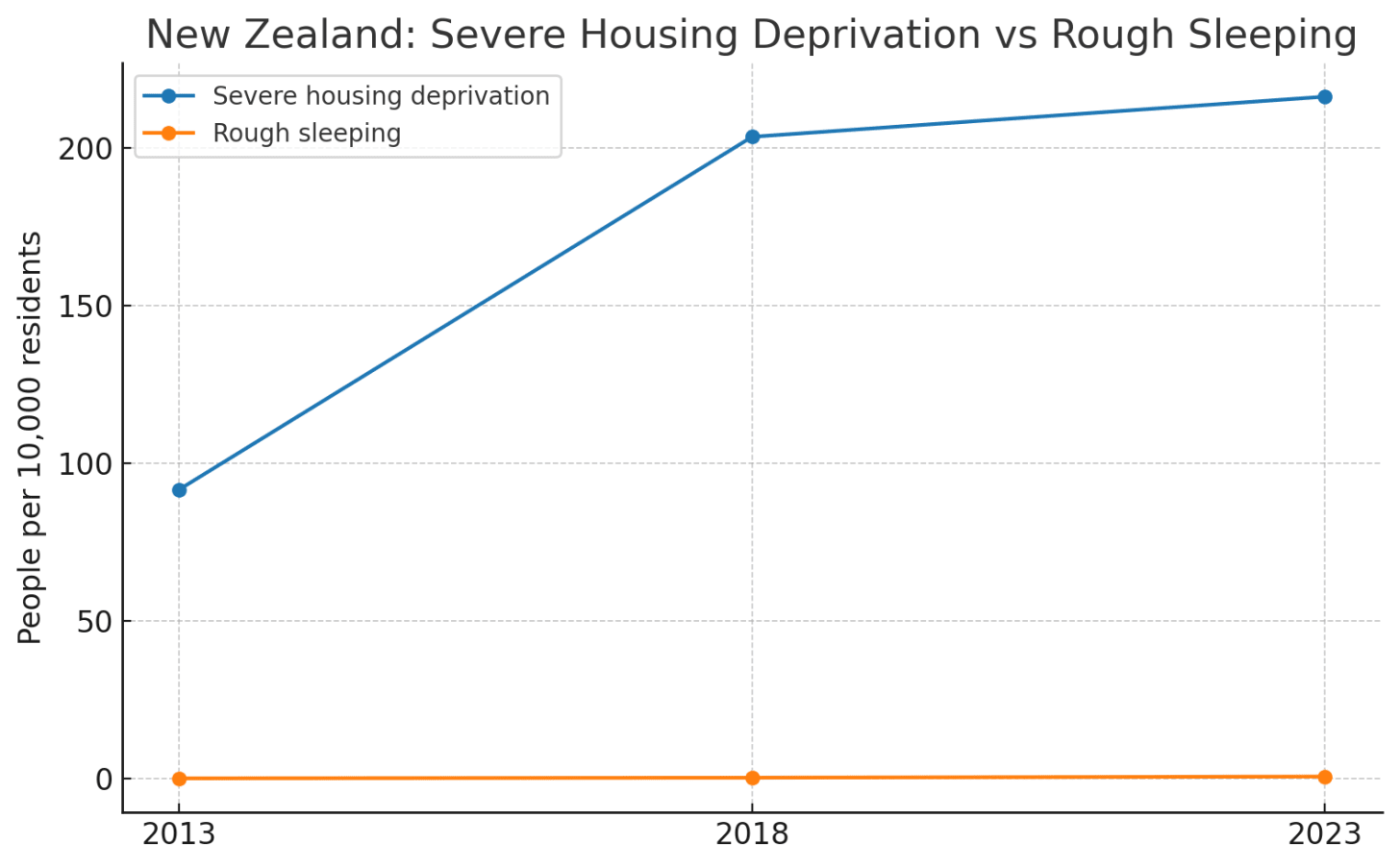
Ani O’Brien writes – Chlöe Swarbrick wants you to believe the Government is intentionally increasing homelessness. She told RNZ’s Mata with Mihingarangi Forbes: “The only conclusion that I can really come to is that this Government has intentionally increased homelessness…” It’s the kind of soundbite that plays well on social media. Outrage travels faster than nuance, and a […]
Chlöe Swarbrick’s homelessness hyperbole
The US Auto Industry: Evolving, not Evaporating
09 Aug 2025 Leave a comment
in economic history, industrial organisation, labour economics, labour supply, survivor principle, transport economics, urban economics

One of those facts that “everyone knows” is that the US auto industry has been crushed by foreign competition. As Adam Ozimek points out in “Myths and Lessons from a Century of American Automaking” (Economic Innovation Institute, August 1, 2025), while the US car industry certainly no longer features large manufacturing plants in the city…
The US Auto Industry: Evolving, not Evaporating
Did the Minnesota housing reform lower housing costs?
07 Aug 2025 1 Comment
in applied price theory, law and economics, politics - USA, property rights, Public Choice, rentseeking, urban economics Tags: housing affordability, land supply, zoning
Yes: In December 2018, Minneapolis became the first U.S. city to eliminate single-family zoning through the Minneapolis 2040 Plan, a landmark reform with a central focus on improving housing affordability. This paper estimates the effect of the Minneapolis 2040 Plan on home values and rental prices. Using a synthetic control approach we find that the […]
Did the Minnesota housing reform lower housing costs?
A Great Enrichment
06 Aug 2025 Leave a comment
in development economics, economic history, growth disasters, growth miracles, transport economics, urban economics Tags: India
Mamdani’s unworkable proposal for NYC-owned grocery stores
31 Jul 2025 1 Comment
in applied price theory, comparative institutional analysis, constitutional political economy, economics of regulation, income redistribution, law and economics, Marxist economics, politics - USA, property rights, Public Choice, rentseeking, transport economics, urban economics Tags: economics of socialism, regressive left, rent control, useful idiots

Democrat Zohran Mamdani is likely to be the next mayor of NYC, as he proffered a number of campaign promises that delighted progressives young and old. (This is besides his pro-Palestinian stand on the Gaza war, which is irrelevant to his actions as NYC mayor but still delighted the benighted.) Here are a few of […]
Mamdani’s unworkable proposal for NYC-owned grocery stores
The Timing of Abundance
18 Jul 2025 Leave a comment
in applied price theory, economic history, economics of bureaucracy, economics of regulation, environmental economics, income redistribution, law and economics, politics - USA, property rights, Public Choice, rentseeking, urban economics Tags: housing affordability, land supply, zoning

In case you missed my *Build, Baby, Build* because of the 2024 election.
The Timing of Abundance
Echoes of Citizens for Rowling
07 Jul 2025 Leave a comment
in comparative institutional analysis, constitutional political economy, economics of regulation, law and economics, politics - New Zealand, property rights, Public Choice, transport economics, urban economics Tags: constitutional law
Karl du Fresne writes – Who remembers the Citizens for Rowling campaign? It was a concerted attempt by the Great and the Good to derail National Party leader Robert Muldoon’s election campaign in 1975. The campaign’s backers didn’t like Muldoon’s combative, divisive brand of politics and argued that Labour’s gentlemanly Bill Rowling, who had assumed […]
Echoes of Citizens for Rowling
Berlin Moves To Ban Autos From Inside The City. Widespread Chaos Looms
03 Jul 2025 1 Comment
in economics of climate change, economics of regulation, energy economics, environmental economics, environmentalism, global warming, Public Choice, transport economics, urban economics Tags: Germany

Just 12 car trips person per year would be allowed! The Berlin Constitutional Court has declared the “Berlin car-free” referendum admissible, paving the way for a possible drastic reduction in car traffic. Hat-tip: Blackout News Cars may soon be banned in Berlin. Image generated by Grok 3 AI The court found that the aim of…
Berlin Moves To Ban Autos From Inside The City. Widespread Chaos Looms
Failing to Learn the Lessons of History
01 Jul 2025 1 Comment
in applied price theory, economics of bureaucracy, entrepreneurship, income redistribution, industrial organisation, labour economics, politics - USA, Public Choice, public economics, unions, urban economics
Plenty of people have commented on New York City mayoral candidate Zohran Mamdani’s proposal to lower food prices by creating city-owned grocery stores, but there is still more to be said about this plan. Mamdani either thinks or believes that voters think that store owners are making huge profit through … Continue reading →
Failing to Learn the Lessons of History
Bish vs the numpties
18 Jun 2025 Leave a comment
in economics of regulation, environmental economics, law and economics, politics - New Zealand, property rights, urban economics Tags: heritage protection
Chris Bishop announced: The derelict and unsafe Gordon Wilson Flats in Wellington will lose its protected heritage status and become eligible for demolition through an amendment to the Resource Management Act (RMA) in the coming weeks, RMA Reform and Housing Minister Chris Bishop says. “The Gordon Wilson Flats were used as social housing until 2012, […]
Bish vs the numpties
Effects of Zoning: when we restrict supply, prices go up.
14 Jun 2025 1 Comment
in applied price theory, econometerics, income redistribution, law and economics, property rights, Public Choice, public economics, rentseeking, urban economics Tags: housing affordability, land supply, zoning
Very Expensive Affordable Housing
10 Jun 2025 1 Comment
in applied price theory, economics of regulation, law and economics, politics - USA, property rights, urban economics Tags: housing affordability, offsetting behavior, The fatal conceit, unintended consequences
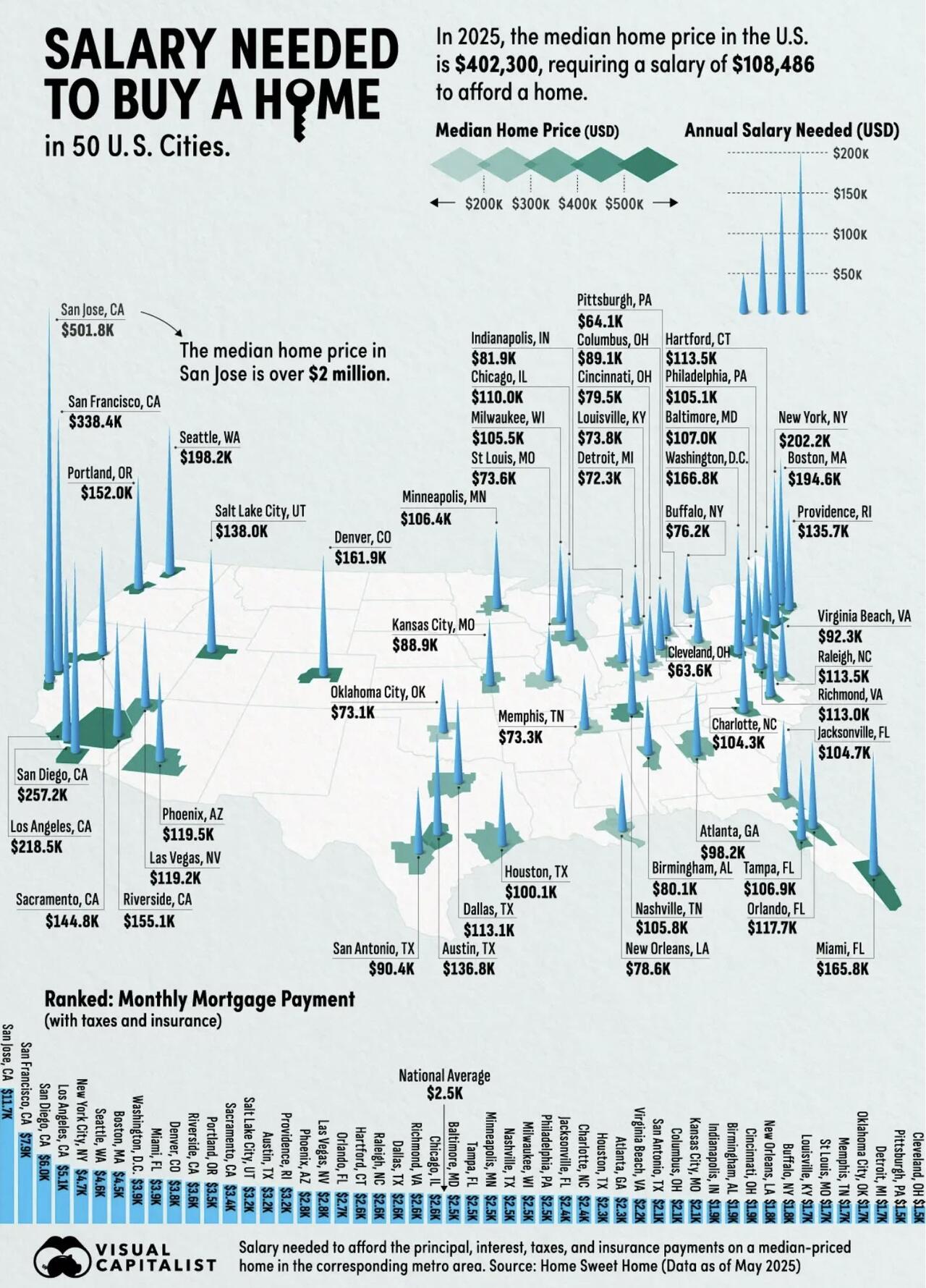
In my post Affordable Housing is Almost Pointless, I highlighted how point systems for awarding tax credits prioritize DEI, environmental features, energy efficiency, and other secondary goals far more than low cost. A near-comic example comes from D.C., where so-called affordable housing units now cost between $800,000 and $1.3 million dollars each! One such unit […]
Very Expensive Affordable Housing
 Utopia, you are standing in it!
Recent Comments