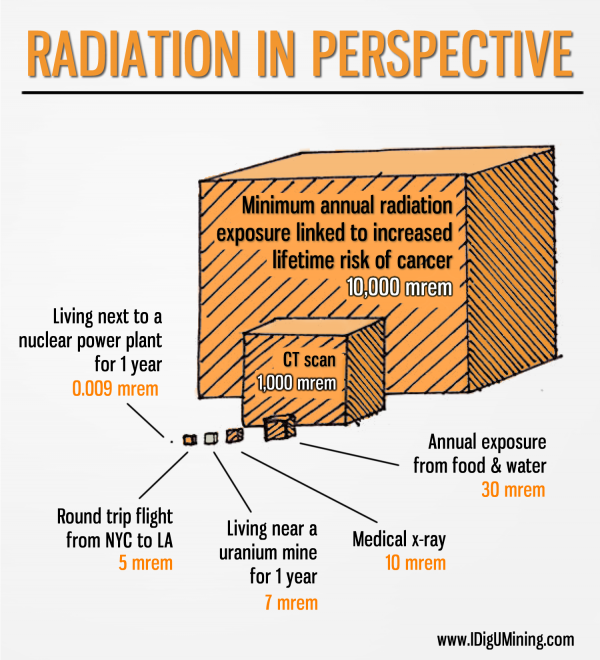
The seen and the unseen: electric cars – where does the electricity come from?
02 Aug 2014 Leave a comment

The great cost of energy efficient building codes
02 Aug 2014 Leave a comment
in environmental economics, environmentalism, urban economics Tags: energy efficient building codes, green rent seeking

Koirala, Bohara and Berrens (2014) found that requiring energy efficiency building codes raises housing prices but they then attempted to find out if this price rise is offset by reductions in household energy expenditures down the road.

Using sample data from the American Community Survey 2007, they found that energy efficiency regulations in building codes, once capitalized, increases housing rents by 23.35 per cent. The offset in reduced monthly energy expenditures only amounts to 6.47 per cent. The codes cost $163.19 per month and only save us $7.71.
HT: Richard Tol
Government recycling interferes with private recycling
02 Aug 2014 Leave a comment
in environmental economics, environmentalism Tags: expressive voting, recycling

It is a crime in New York to steal garbage put out for recycling.
Carbon credits are bad for the Forests
01 Aug 2014 Leave a comment
in environmental economics, environmentalism, global warming Tags: carbon credits, global warming, unintended consequence

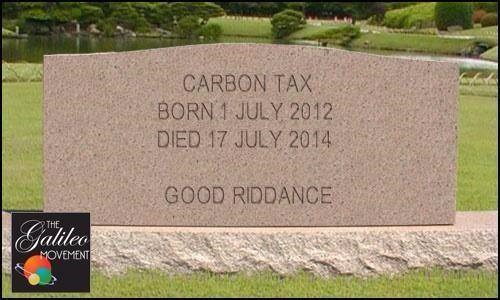
Via The-Galileo-Movement and dailymail.co.uk
The poor carbon footprint of wind and solar
01 Aug 2014 Leave a comment
in economics of climate change, energy economics, environmental economics, environmentalism, global warming Tags: bootleggers and baptists, global warming, green rent seeking, solar power, wind power

Paul Joskow pointed out that these costs do not take account of the costs of intermittency: wind power is not generated on a calm day, nor solar power at night. Conventional power plants must be kept on standby. Electricity demand also varies during the day in ways that the supply from wind and solar generation may not match.
HT: The Economist via Sinclair Davidson
Why charging for plastic bags doesn’t work
31 Jul 2014 Leave a comment
in economics of regulation, environmental economics, environmentalism Tags: expressive voting, plastic bags, recycling

My local supermarket tried to charge for plastic bags then backed down because of customer protests.
In the UK, a compulsory 5p charge on plastic bags first resulted in a sharp drop consumption then a rise in in the use of plastic bags last year. It seems the immediate change in behaviour reaped by the new charges is short-lived and it doesn’t take long for old habits to re-emerge.
Attaching a cost to something that was free certainly reduces frivolous consumption, but if that cost that is too low can merely act to pay off one’s conscience.
Beware of putting a price on guilt and letting people down.
A classic paper from 2000, Gneezy and Rustichini studied what happened when day-care centres in Israel tried to reduce late parental pick-ups by introducing fines.
Before long, late pick-ups had not reduced, they had doubled. Why? Because parents felt that the fine was a price worth paying and the guilt which had previously controlled their behaviour was assuaged.



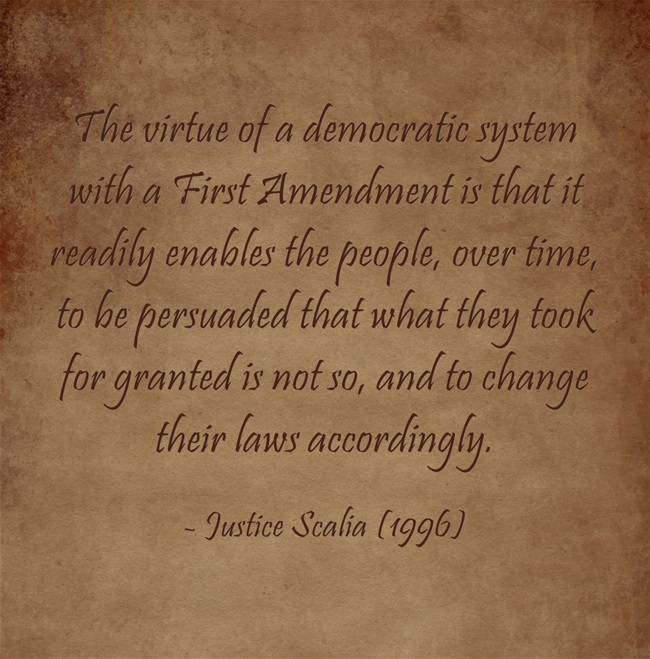
In a democracy we resolve our differences by trying to persuade each other and elections
17 Jul 2014 Leave a comment
An inconvenient chart
15 Jul 2014 Leave a comment
in economics of climate change, environmental economics, environmentalism, global warming Tags: an inconvenient truth, global warming

HT: aei-ideas.org
The battle of the graphs
08 Jul 2014 Leave a comment
in environmentalism, global warming Tags: global cooling, global warming, Little ice age, Medieval warming period

The second IPCC report, in 1996, showed a 1,000-year graph demonstrating that temperature in the Middle Ages was warmer than today.
The 2001 report contained a new graph showing no medieval warm period. The technique they overweighed was one which the UN’s 1996 report had said was unsafe: measurement of tree-rings from bristlecone pines.
Scores of scientific papers show that the medieval warm period was real, global and up to 3C warmer than now.
The disappearance of IPCC 1990 report figure 7c, the Medieval warm period, and River Thames frost fairs
25 Jun 2014 Leave a comment
in environmental economics, environmentalism, global warming Tags: global warming, Little ice age, Medieval warm period, River Thames frost fairs


This painting, dated 1684, by Abraham Hondius depicts one of many frost fairs on the River Thames during the Little Ice Age. River Thames frost fairs were held on its tideway in some winters between the 17th century and early 19th century.
 Utopia, you are standing in it!
Recent Comments