The Italian Town That’s Not in Italy (or the EU… kind of)
08 Jul 2018 Leave a comment
in international economic law, International law, law and economics Tags: economics of borders, Italy
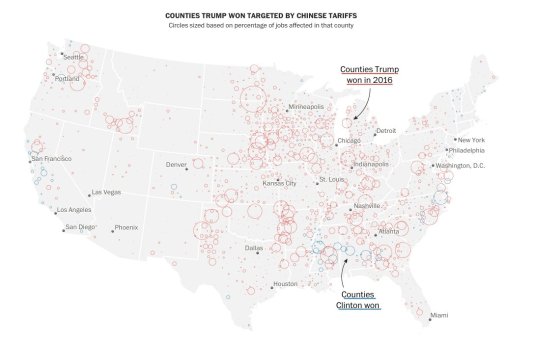
Jobs exposed to Chinese tariffs are more than twice as likely to fall in counties that voted Trump in 2016
26 Jun 2018 Leave a comment
in applied price theory, applied welfare economics, international economic law, International law, politics - USA, Public Choice, rentseeking Tags: trade wars
Trade wars, explained
07 Jun 2018 Leave a comment
in applied price theory, applied welfare economics, industrial organisation, international economic law, labour economics, politics - USA, Public Choice, rentseeking, unemployment Tags: protectionism, strategic trade theory
Alan Dershowitz dismantles the #BDS movement
05 Jun 2018 Leave a comment
in defence economics, economics of regulation, international economic law, International law, law and economics Tags: BDS, Israel, war against terror
The Most Complex International Borders in the World Part 3
14 May 2018 Leave a comment
in international economic law, International law Tags: economics of borders, maps
#BDS should lead by example
26 Jan 2018 Leave a comment
in international economic law, International law Tags: BDS, Israel, Twitter left

Building a border at 4,600 meters
01 Dec 2017 Leave a comment
in international economic law, international economics, International law Tags: economics of borders

If every European succession movement succeeded
05 Mar 2017 Leave a comment
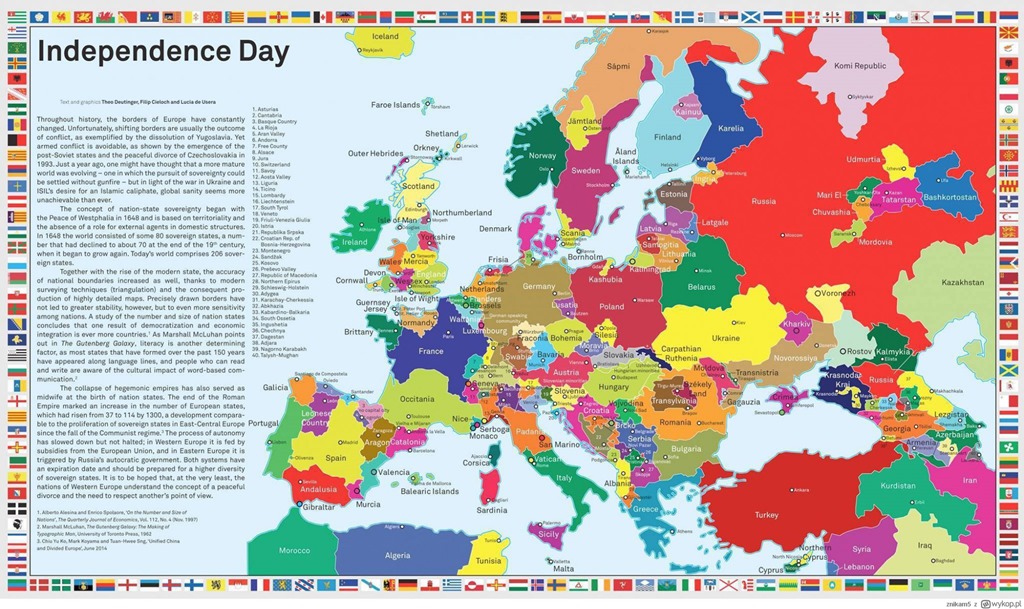
Source: http://imgur.com/f685nks

Step Inside The Most Densely Populated Place on Earth
18 Jan 2017 Leave a comment
in constitutional political economy, development economics, international economic law, international economics, International law, urban economics Tags: Hong Kong
A.J.P. Taylor said something similar
15 Oct 2016 Leave a comment
in economic history, international economic law, international economics, labour economics, labour supply Tags: age of empires, age of migration, economics of immigration, George Orwell, great migrations

The Brexit vote is about the supremacy of Parliament
30 Jun 2016 Leave a comment
in economics, international economic law, international economics, International law Tags: British economy, British politics, Common market, European Union
Why did voters vote to Leave or Remain? @JulieAnneGenter @Income_Equality
28 Jun 2016 Leave a comment
in constitutional political economy, international economic law, international economics, International law, Public Choice Tags: British economy, British politics, Common market, European Union, pessimism bias, single market, Twitter left, voter demographics
There were few difference across the political spectrum as to why voters voted to Remain or Leave. This is according to Lord Ashcroft’s survey on referendum day of over 12,000 voters.

Source: How the United Kingdom voted on Thursday… and why – Lord Ashcroft Polls
Labour and Tory voters voted to leave to regain control over immigration and sovereignty.
Labour and Tory voters who wanted to remain thought the EU and its single market was a good deal not worth putting at risk. It is all about identity politics, not inequality.
Vote Leave voters are a grumpy lot who think things have been getting worse for 30 years:
Leavers see more threats than opportunities to their standard of living from the way the economy and society are changing, by 71% to 29% – more than twice the margin among remainers…
By large majorities, voters who saw multiculturalism, feminism, the Green movement, globalisation and immigration as forces for good voted to remain in the EU; those who saw them as a force for ill voted by even larger majorities to leave.
 Utopia, you are standing in it!
Recent Comments