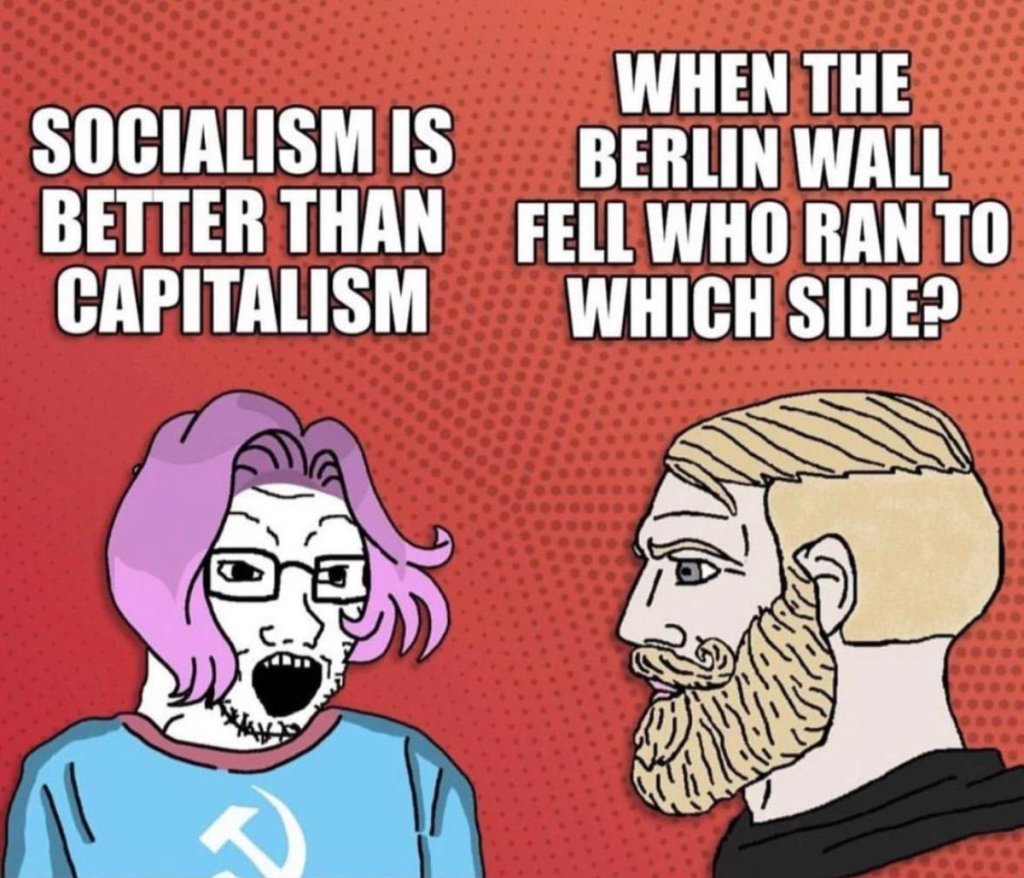
Socialism vs. Capitalism: A Debate
20 Jun 2022 Leave a comment
in applied price theory, applied welfare economics, Austrian economics, comparative institutional analysis, constitutional political economy, development economics, economic growth, economic history, economics of bureaucracy, economics of education, economics of regulation, growth disasters, growth miracles, history of economic thought, human capital, income redistribution, industrial organisation, labour economics, labour supply, law and economics, liberalism, libertarianism, Marxist economics, poverty and inequality, property rights, Public Choice, survivor principle Tags: The Great Enrichment
What Actually Happened Right After The Soviet Union Collapsed
14 Jun 2022 Leave a comment
in applied price theory, comparative institutional analysis, constitutional political economy, defence economics, development economics, economic growth, economic history, economics of bureaucracy, economics of crime, growth disasters, history of economic thought, income redistribution, industrial organisation, labour economics, labour supply, law and economics, Marxist economics, privatisation, property rights, Public Choice, rentseeking, theory of the firm, unemployment Tags: fall of communism
Kristian Niemietz “The Economics of Political Correctness”
06 Jun 2022 Leave a comment
in liberalism, libertarianism, Marxist economics, politics - Australia, politics - New Zealand, politics - USA Tags: free speech, political correctness, regressive left
Deirdre McCloskey: How Liberty Made the Modern World
04 Jun 2022 Leave a comment
in applied price theory, comparative institutional analysis, development economics, economic history, growth disasters, growth miracles, history of economic thought, law and economics, liberalism, libertarianism, Marxist economics, property rights, Public Choice Tags: The Great Enrichment
AOC And Ilhan Omar Have LOST THE PLOT
25 May 2022 Leave a comment
in libertarianism, Marxist economics, politics - USA Tags: regressive left
1970s pessimism bias
22 May 2022 Leave a comment
in economic history, economics of natural disasters, health economics, liberalism, libertarianism, Marxist economics Tags: pessimism bias, The Great Escape
What Life in the Soviet Union Was Like
29 Apr 2022 Leave a comment
in development economics, economic history, growth disasters, Marxist economics Tags: fall of communism, USSR
Good points
15 Apr 2022 Leave a comment
in economics of education, Karl Popper, liberalism, libertarianism, Marxist economics Tags: conjecture and refutation, philosophy of science, political correctness, regressive left

Well said, Popper
14 Apr 2022 Leave a comment
in Karl Popper, liberalism, Marxist economics Tags: conjecture and refutation, philosophy of science

The Social Contagion Of Mental Disorders
14 Apr 2022 Leave a comment
in economics of education, health economics, liberalism, Marxist economics, politics - Australia, politics - New Zealand, politics - USA Tags: economics of mental illness, free speech, political correctness, regressive left
The Case for Reason, Science, Humanism, and Progress | Steven Pinker | Rubin Report
13 Apr 2022 Leave a comment
in Karl Popper, liberalism, libertarianism, Marxist economics, politics - Australia, politics - New Zealand, politics - USA Tags: Age of Enlightenment, free speech, political correctness, regressive left
Bill Maher Explains to Ben Shapiro How He Was Tricked by ‘Woke’ | Rubin Report
13 Apr 2022 Leave a comment
in liberalism, libertarianism, Marxist economics, politics - Australia, politics - New Zealand, politics - USA, television Tags: free speech, political correctness, regressive left
From a review of The Mystery of the Kibbutz: Egalitarian Principles in a Capitalist World Ran Abramitzky
12 Apr 2022 Leave a comment
in applied price theory, comparative institutional analysis, economics of education, human capital, labour economics, labour supply, Marxist economics, personnel economics

From https://www.marketsandmorality.com/index.php/mandm/article/view/1453
“The Mystery of the Kibbutz explores the history of the kibbutz movement and its vision of economic equality, how it thrived despite inherent economic contradictions, and why it eventually declined. He focuses on three challenges in particular: first, the free rider problem, that there is no benefit for working harder when you get the same salary or personal economic benefits; second, adverse selection – that such a social system would tend to attract people who would not be as successful in a capitalist market; or the inverse, a brain drain, that the smartest people or those who could find success outside the kibbutz would tend to leave. Finally, the question of human capital investment: that there would be a tendency to underinvest in human capital, in other words that there would be a lack of incentive for young people to study or work hard because in the end as kibbutz members they can depend on equal income no matter what their contribution is.”


Recent Comments