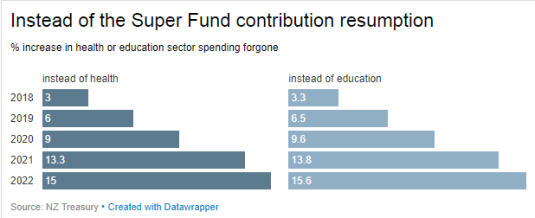
Would it have been cheaper just to raise the eligibility age to 67 for New Zealand superannuation? By 2022, either health or education spending could have been 15% higher.
Celebrating humanity's flourishing through the spread of capitalism and the rule of law
14 Dec 2017 Leave a comment
in politics - New Zealand, public economics
Would it have been cheaper just to raise the eligibility age to 67 for New Zealand superannuation? By 2022, either health or education spending could have been 15% higher.
14 Dec 2017 Leave a comment
in economic history, politics - USA, public economics Tags: top 1%

10 Dec 2017 Leave a comment
in economic history, politics - USA, public economics
02 Dec 2017 Leave a comment

01 Dec 2017 Leave a comment
in economics of crime, law and economics, politics - USA Tags: gun control

28 Nov 2017 Leave a comment
in politics - USA Tags: 2016 presidential election, political psychology
26 Nov 2017 Leave a comment
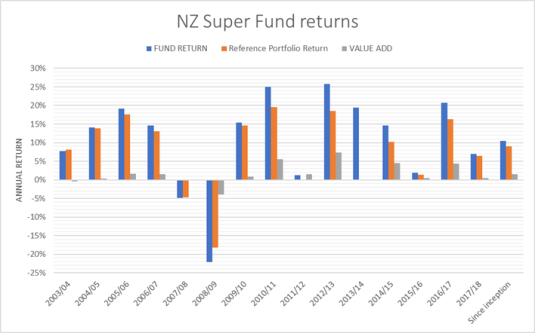
from https://www.nzsuperfund.co.nz/performance-investment/monthly-returns
Little wonder that no hedge fund headhunts from the New Zealand superannuation fund. Their staff turnover ratios are below 10% and often 5% and the CEO is paid a pittance by hedge fund standards.
Page 32 of "An Illustrated Guide to Income" more economic #dataviz at: bit.ly/12SEI9p http://t.co/HYm0II2UNI—
Catherine Mulbrandon (@VisualEcon) May 08, 2013
Page 33 of "An Illustrated Guide to Income" more economic #dataviz at: bit.ly/10M7lqR http://t.co/FcmaqZWB32—
Catherine Mulbrandon (@VisualEcon) May 09, 2013
25 Nov 2017 Leave a comment
in politics - USA Tags: 2016 presidential election, political psychology
Right about the great skill of Trump at winning attention of voters, and entertaining his base.
25 Nov 2017 Leave a comment
in Economics of international refugee law, politics - New Zealand

24 Nov 2017 Leave a comment
in applied price theory, labour economics, labour supply, politics - New Zealand
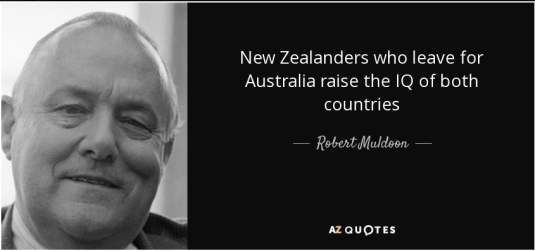
If immigration lowers wages in New Zealand, political parties should be cheering every New Zealander who leaves because their emigration will raise wages here!? But none of them do that. They welcome returning New Zealanders.
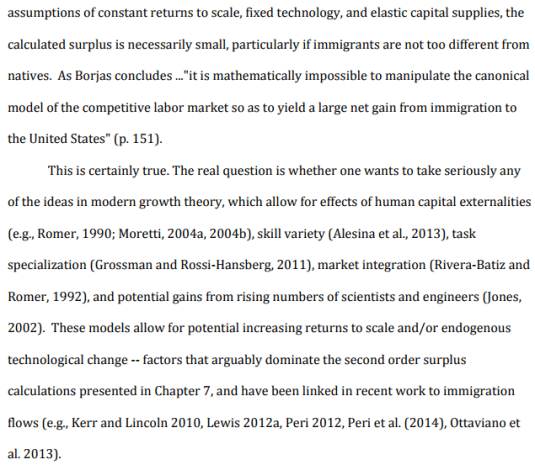
Source: Immigration Economics: A Review David Card and Giovanni Peri, April, 2016.
24 Nov 2017 Leave a comment
in Economics of international refugee law, International law, Marxist economics, politics - USA


Asked about three specific Cuba policies — the Cuban Adjustment Act; wet-foot, dry-foot; and the immigration status of Cuban nationals convicted of state and federal crimes — Sanders said he didn’t know enough about them to opine.
24 Nov 2017 Leave a comment
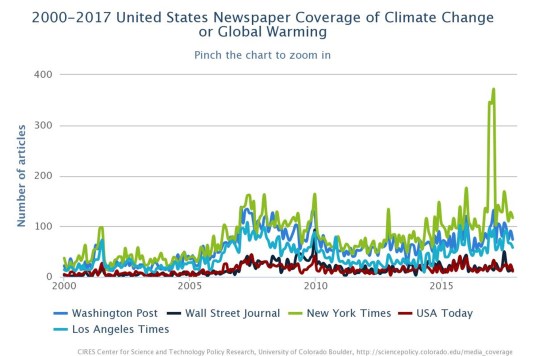
Nacu-Schmidt, A., Oonk, D., Pearman, O., Boykoff, M., Daly, M., McAllister, L., and McNatt, M. (2017). United States Coverage of Climate Change or Global Warming, 2000-2017. Center for Science and Technology Policy Research, Cooperative Institute for Research in Environmental Sciences, University of Colorado, Web. [Date of access.] http://sciencepolicy.colorado.edu/media_coverage.
24 Nov 2017 Leave a comment
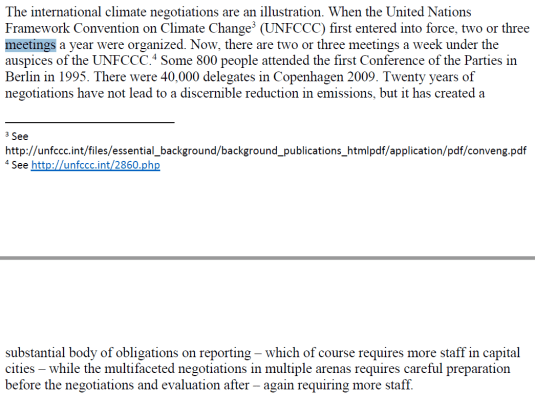
Source: Tol, Richard S J (2017) The structure of the climate debate. Energy Policy, 104. pp. 431-438.
Celebrating humanity's flourishing through the spread of capitalism and the rule of law
Celebrating humanity's flourishing through the spread of capitalism and the rule of law
Celebrating humanity's flourishing through the spread of capitalism and the rule of law
Celebrating humanity's flourishing through the spread of capitalism and the rule of law
Celebrating humanity's flourishing through the spread of capitalism and the rule of law
Celebrating humanity's flourishing through the spread of capitalism and the rule of law
A History of the Alt-Right
Econ Prof at George Mason University, Economic Historian, Québécois
Celebrating humanity's flourishing through the spread of capitalism and the rule of law
Scholarly commentary on law, economics, and more
Beatrice Cherrier's blog
Celebrating humanity's flourishing through the spread of capitalism and the rule of law
Celebrating humanity's flourishing through the spread of capitalism and the rule of law
Celebrating humanity's flourishing through the spread of capitalism and the rule of law
Why Evolution is True is a blog written by Jerry Coyne, centered on evolution and biology but also dealing with diverse topics like politics, culture, and cats.
Celebrating humanity's flourishing through the spread of capitalism and the rule of law
A rural perspective with a blue tint by Ele Ludemann
DPF's Kiwiblog - Fomenting Happy Mischief since 2003
Celebrating humanity's flourishing through the spread of capitalism and the rule of law
The world's most viewed site on global warming and climate change
Tim Harding's writings on rationality, informal logic and skepticism
A window into Doc Freiberger's library
Let's examine hard decisions!
Commentary on monetary policy in the spirit of R. G. Hawtrey
Thoughts on public policy and the media
Celebrating humanity's flourishing through the spread of capitalism and the rule of law
Politics and the economy
A blog (primarily) on Canadian and Commonwealth political history and institutions
Reading between the lines, and underneath the hype.
Economics, and such stuff as dreams are made on
"The British constitution has always been puzzling, and always will be." --Queen Elizabeth II
Celebrating humanity's flourishing through the spread of capitalism and the rule of law
Celebrating humanity's flourishing through the spread of capitalism and the rule of law
WORLD WAR II, MUSIC, HISTORY, HOLOCAUST
Undisciplined scholar, recovering academic
Celebrating humanity's flourishing through the spread of capitalism and the rule of law
Res ipsa loquitur - The thing itself speaks
In Hume’s spirit, I will attempt to serve as an ambassador from my world of economics, and help in “finding topics of conversation fit for the entertainment of rational creatures.”
Researching the House of Commons, 1832-1868
Articles and research from the History of Parliament Trust
Reflections on books and art
Posts on the History of Law, Crime, and Justice
Celebrating humanity's flourishing through the spread of capitalism and the rule of law
Exploring the Monarchs of Europe
Cutting edge science you can dice with
Small Steps Toward A Much Better World


Recent Comments