President Trump’s trade policy is simple. The consequences are not.
03 Apr 2017 Leave a comment
in applied price theory, international economics, politics - USA Tags: NAFTA
The golden age of manufacturing employment coincided with the Lost Decades in NZ GDP growth
03 Apr 2017 Leave a comment
in economic history, politics - New Zealand Tags: lost decades, manufacturing employment
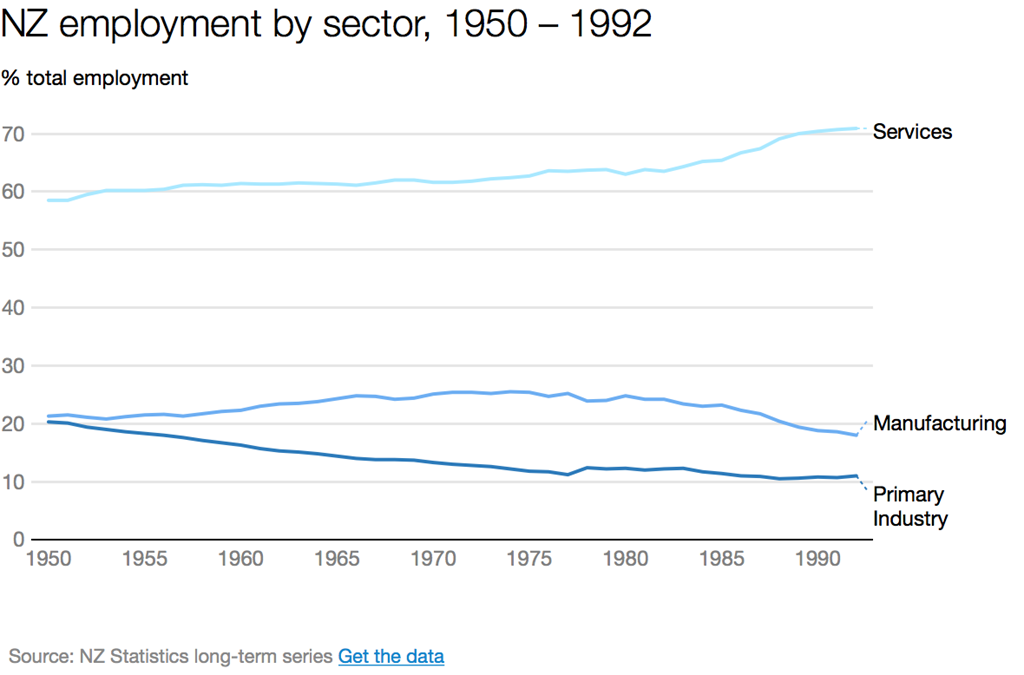
..
Stuart Nash MP signs @nzlabour up to anti-science left on #GMO
02 Apr 2017 Leave a comment
in health economics, politics - New Zealand Tags: antiscience left, cranks, GMO, New Zealand Labour Party, quakes

Judge Richard A. Posner in Conversation with Professor Luigi Zingales
02 Apr 2017 Leave a comment
in constitutional political economy, economics of regulation, law and economics, politics - USA, Richard Posner
Do graduates graduate into mountains of debt in New Zealand?
01 Apr 2017 Leave a comment
in economics of education, politics - New Zealand Tags: College premium, crybaby left, graduate premium
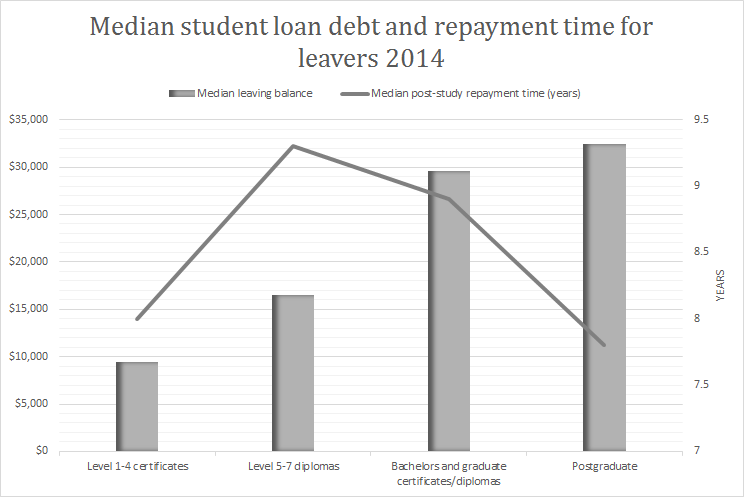
Source: Statistics New Zealand IDI and Ministry of Education Student Loans Integrated, Table 9, chapter 3.1, page 27 of the Student Loan Scheme Annual Report 2016.
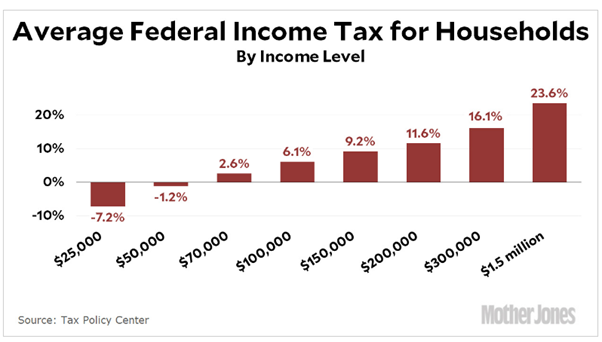
No income tax to cut anymore until household incomes in the six figures!
31 Mar 2017 Leave a comment
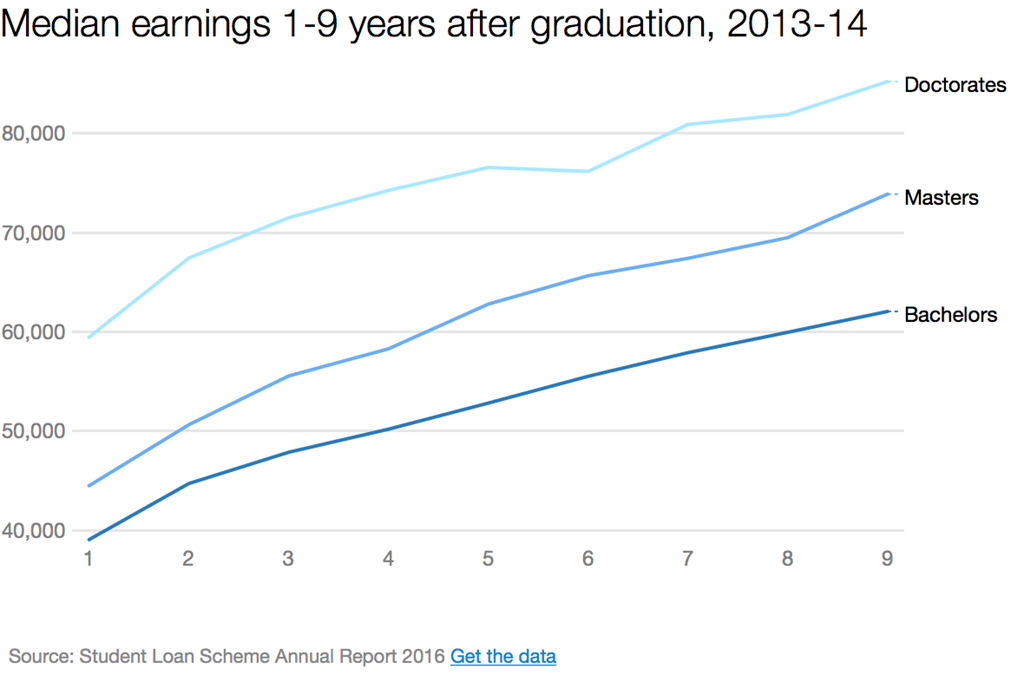
The wage bump from 1% Oz company tax cut @TheAusInstitute @GrattanInst @JordNZ
31 Mar 2017 Leave a comment
in economic growth, fiscal policy, politics - Australia, politics - New Zealand, public economics Tags: company tax incidence, endogenous growth theory, optimal tax theory

The groups that hide behind 18c
30 Mar 2017 Leave a comment
in liberalism, politics - Australia Tags: free speech, political correctness
How wasteful is the Oz company tax? @TheAusInstitute @GrattanInst
30 Mar 2017 Leave a comment
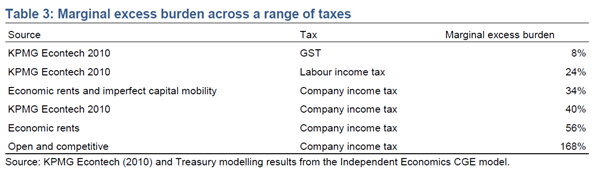
Source: The incidence of company tax in Australia, Xavier Rimmer, Jazmine Smith and Sebastian Wende, Australian Treasury working paper.
#Hedgefunds don’t recruit from @NZSuperFund!? @VernonSmall @TaxpayersUnion
30 Mar 2017 Leave a comment
in financial economics, personnel economics, politics - New Zealand Tags: active investing, efficient markets hypothesis, hedge funds, passive investing, sovereign wealth funds
If the NZ Super Fund was any good at investing, rival investment houses will soon poach their staff to learn the secrets behind their self-proclaimed ability to beat the market.
Investment staff turnover at the NZ Super Fund is so low that you suspect they are overpaid.

Source: New Zealand Superannuation Fund, information released under the Official Information Act.
The Fund has no information on whether hedge funds head-hunt their staff but I think it might have got out in gossip if someone had a spectacular pay rise at their next job.
Morgan’s capital tax forgot 30% retirees move every 5 years @TaxpayersUnion
30 Mar 2017 Leave a comment
in politics - New Zealand, population economics, public economics Tags: 2017 New Zealand election, capital taxation, inheritance taxes, Opportunities Party, optimal tax theory

With 30% of retirees changing address every 5 years, they will have to downsize into hovels because they have to pay IRD the great big new tax on their capital championed by Morgan and his Opportunities Party well before they die.
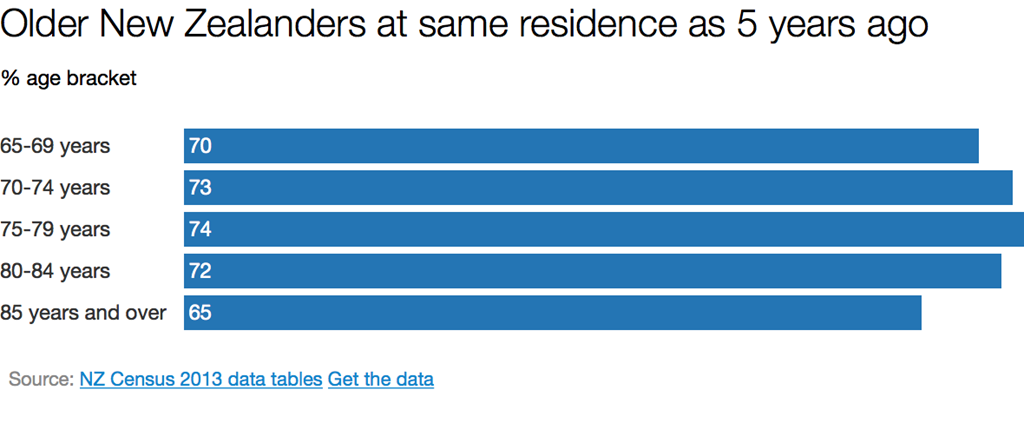
Morgan’s 1.8% tax on equity capital is not an inheritance tax for the majority of retirees. It is a nest egg tax as they downsize after the kids fly the nest, grandchildren appear or they move to a more convenient place as they become frail.
Because they will have to pay back taxes of tens of thousands of dollars to IRD every time they sell their house, retirees either will not be able to move closer to family because of grand-children or health issues or they will have difficulty moving into a retirement home of their choice.
This is the first in a series of blogs showing how the Opportunities Party is too clever by half in its manifesto development. By insisting on having different policies to everybody else by a good country mile, it ends up having to take up the policies others rejected because they do not work.
In the case at hand, they put an inheritance tax on ordinary New Zealanders at the same rate as the rich including the founder of the Opportunities Party. This tax will be the only capital tax anywhere that is not progressive.
Over 70% of the retired own their own house mortgage free. The majority of that equity will now go to IRD plus interest by the time both members of the couple die given the average capital tax will be about $10,000 per year in Wellington and twice that in Auckland. They face up to 20 to 25 years of deferred capital taxation that will take half the value of their house easily. It will be hardest if they must cash-out their house to go into retirement home.

The purpose of buying a house is to have a nest egg for retirement. You may draw down that capital because of health issues or pass it on to children if you are luckier than that.
Morgan wants to radically change the way in which retirees go into the evening of their days. People who just managed to save for a house will have nothing to pass on to their children. No more bank of mum and dad either.
Response to my OIA on #HitandRunNZ
29 Mar 2017 Leave a comment
in defence economics, laws of war, politics - New Zealand, war and peace Tags: Afghanistan, conspiracy theories, conspiracy theorists

Is it not standard journalistic practice to put your allegations to the subject of your investigation prior to publication? Hager testified in the High Court that
… where the allegations were serious and the evidence was far from being solid enough to publish with confidence, I would definitely have gone to the person being accused to hear their side. Not only is that fair to the person concerned but also it would form a vital part of the checking of the facts. The person’s response would be very important as to whether I proceeded to publish the allegations about that person.

A Wellington journalist who should have known better wondered why the New Zealand Army took so long to respond to Hit and Run. The reason was they received no advance copies. They were still reading it into the night.
Sharp ratios of @NZSuperFund since inception @TaxpayerUnion
28 Mar 2017 Leave a comment
in financial economics, fiscal policy, politics - New Zealand, public economics Tags: sharp ratios, sovereign wealth funds
The Sharp ratio describes how much excess return you are receiving for the extra volatility that you endure for holding a riskier asset. If manager A generates a return of 15% while manager B generates a return of 12%, it would appear that manager A is a better performer. But if manager A took much larger risks than manager B, manager B may be a better risk-adjusted return.
The Sharpe Ratio such as those below of the NZ Superannuation Fund can be used to compare two funds on how much risk a fund had to bear to earn excess return over the risk-free rate.
Source:New Zealand Superannuation Fund response to Official Information Act request.


Recent Comments