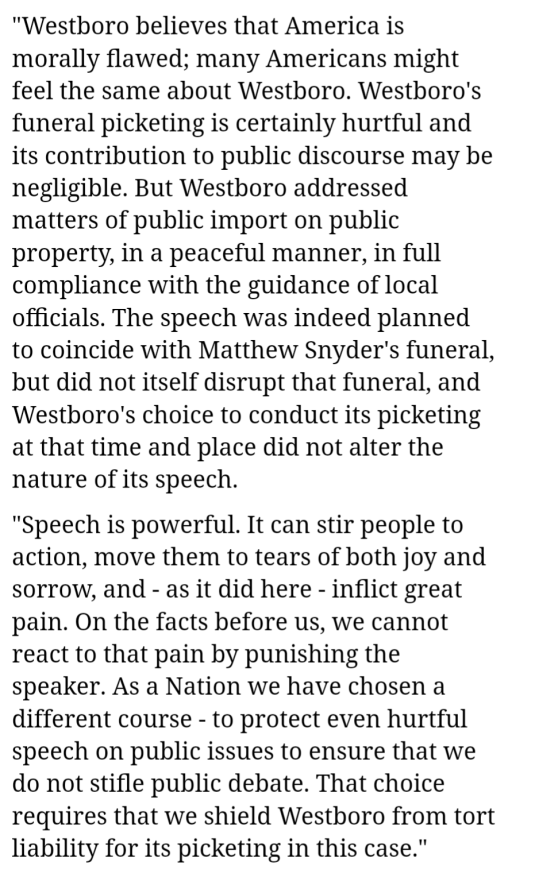
Speaking of free speech, hate speech and reaching out to touch raw nerves
08 Aug 2018 Leave a comment
in liberalism, libertarianism, politics - New Zealand, politics - USA, Public Choice Tags: free speech, hate speech, political correctness, regressive left
U.S. Prohibition (1920-33)
07 Aug 2018 Leave a comment
in applied price theory, applied welfare economics, economics of regulation, health economics, politics - USA Tags: economics of prohibition
Nancy MacLean: The GOP’s Long Game |also #OTD 3rd US libertarian elected (a town mayor)
05 Aug 2018 Leave a comment
in comparative institutional analysis, constitutional political economy, economic history, economics of bureaucracy, history of economic thought, James Buchanan, James Buchanan, liberalism, libertarianism, politics - USA, Public Choice, rentseeking Tags: conspiracy theories, regressive left
James Buchanan couldn’t lead a political revolution because he was such a dry writer and boring speaker.
Ronald Radosh – Commies: A Journey Through the Old Left, the New Left and the Leftover Left
04 Aug 2018 Leave a comment
in comparative institutional analysis, constitutional political economy, economic history, economics of bureaucracy, economics of media and culture, Marxist economics, politics - USA, Public Choice Tags: regressive left
Woke White Bashing Is A Slippery Slope by @CathyYoung63
04 Aug 2018 Leave a comment
in discrimination, politics - USA Tags: racial discrimination, regressive left

A Video Reminder That Burglars Should Not “Mess With Armed Mothers”
03 Aug 2018 Leave a comment
in economics of crime, law and economics, politics - USA Tags: gun control
The fight to rethink (and reinvent) nuclear power
03 Aug 2018 Leave a comment
in energy economics, environmental economics, global warming, politics - USA Tags: atomic energy
Why People Don’t Believe In Climate Science (but with no mention of solution aversion)
03 Aug 2018 Leave a comment
in behavioural economics, economics of information, environmental economics, global warming, politics - USA Tags: climate alarmism, political psychology
What Democrats Don’t Want You To Realize About @SenSanders Healthcare and Obamacare
03 Aug 2018 Leave a comment
in applied price theory, economics of bureaucracy, health economics, politics - USA, Public Choice, public economics, rentseeking Tags: health insurance
Entrepreneurship versus the fatal conceit
02 Aug 2018 Leave a comment
in economics of crime, entrepreneurship, law and economics, politics - USA Tags: law and order, The fatal conceit, unintended consequences

Ronald Radosh: Walking Away From The Left
01 Aug 2018 Leave a comment
in economic history, economics of crime, law and economics, Marxist economics, politics - USA Tags: Ronald Radosh
Does it Feel Good or Does it Do Good? Left vs. Right
31 Jul 2018 Leave a comment
in applied price theory, comparative institutional analysis, constitutional political economy, defence economics, economics of education, economics of regulation, environmental economics, health economics, politics - USA Tags: expressive politics, political correctness, regressive left, The fatal conceit
THE GOOD GUY WITH A GUN: TOTAL MYTH I SWEAR!
29 Jul 2018 Leave a comment
in econometerics, economics of crime, law and economics, politics - USA Tags: gun control
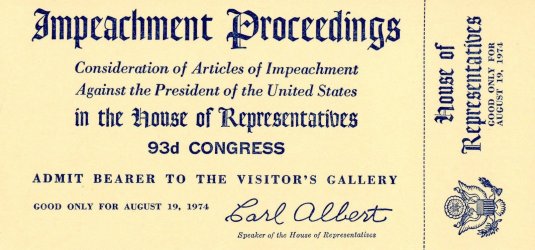
A collectable for American political junkies
29 Jul 2018 Leave a comment
in politics - USA, Public Choice Tags: Richard Nixon


Recent Comments