
English evolves
30 Mar 2020 Leave a comment
in economics of education, economics of media and culture Tags: economics of languages

Yugoslavia Joins the Axis Powers. and then they don’t – WW2 – 083 – March 28, 1941
30 Mar 2020 Leave a comment
in defence economics, war and peace Tags: World War II
Who lives with their grandparents in Europe?
30 Mar 2020 Leave a comment
in health economics, population economics

From Doing Better for Families – © OECD 2011 Table 1.1
Rare Ozone Hole Opens Over Arctic — And It’s Big
30 Mar 2020 Leave a comment


One for the ‘planet on fire’ crowd to ponder, as the long solar minimum continues.
– – –
Cold temperatures and a strong polar vortex allowed chemicals to gnaw away at the protective ozone layer in the north, says The GWPF.
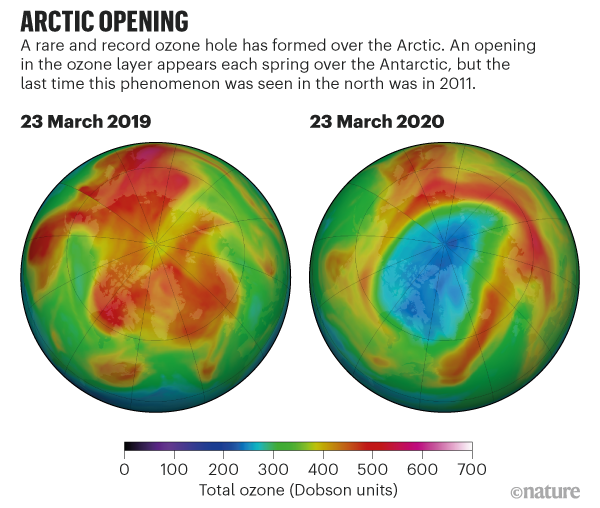
A vast ozone hole — likely the biggest on record in the north — has opened in the skies above the Arctic. It rivals the better-known Antarctic ozone hole that forms in the southern hemisphere each year.
Record-low ozone levels currently stretch across much of the central Arctic, covering an area about three times the size of Greenland (see ‘Arctic opening’).
View original post 262 more words

From Real Bills to Too Big to Fail: H. Parker Willis and the Fed’s First Century
29 Mar 2020 Leave a comment

Nice piece on Federal Reserve history by Jeff Lacker, former President of Richmond Fed.
It is a great honor to be a part of this lecture series commemorating H. Parker Willis, who, in addition to helping create the Federal Reserve System, also served as the first secretary to the Federal Reserve Board and later as the first research director. As most of you probably know, early in his career, Dr. Willis was a professor of economics here at Washington & Lee. What you might not know is that, according to some accounts, the president of the university at the
time thought Dr. Willis spent too much time in Washington, D.C., consulting with Congress and forced his resignation. The students
protested—evidence of the abiding wisdom of your student body.
Tonight, I would like to discuss Dr. Willis’s wisdom and his original vision for the Federal Reserve. I will also talk about…
View original post 203 more words
#COVID19 economic impact based on dividend futures: March 26 update
29 Mar 2020 Leave a comment
in economic growth, financial economics, health economics, macroeconomics

From https://voices.uchicago.edu/gormsen/gdp-growth-forecasts-from-dividend-futures/

From https://papers.ssrn.com/sol3/papers.cfm?abstract_id=3555917
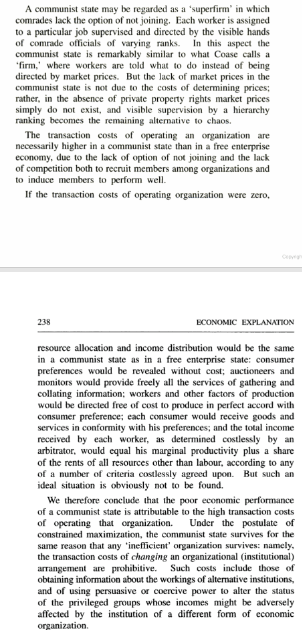
Steven N.S. Cheung on the Communist economy
29 Mar 2020 Leave a comment
in applied price theory, comparative institutional analysis, economics of information, history of economic thought, law and economics, Marxist economics, property rights, Public Choice, Ronald Coase, theory of the firm

Five Lessons for America from the European Fiscal Crisis
29 Mar 2020 Leave a comment

I’ve written about the fiscal implosion in Europe and warned that America faces the same fate if we don’t reform poorly designed entitlement programs such as Medicare and Medicaid.
But this new video from the Center for Freedom and Prosperity, narrated by an Italian student and former Cato Institute intern, may be the best explanation of what went wrong in Europe and what should happen in the United States to avoid a similar meltdown.
I particularly like the five lessons she identifies.
1. Higher taxes lead to higher spending, not lower deficits. Miss Morandotti looks at the evidence from Europe and shows that politicians almost always claim that higher taxes will be used to reduce red ink, but the inevitable result is bigger government. This is a lesson that gullible Republicans need to learn – especially since some of them want to acquiesce to a tax hike as…
View original post 341 more words
Coronavirus crisis doesn’t mean Corbyn was right
29 Mar 2020 Leave a comment
One of the reasons for the sharemarket fall is revised payoffs from investments because of high public debt and higher taxes. This massive borrowing has to be paid back sooner or later.
The current Labour Party finance minister in his emergency package page specific praise to both his National Party and Labour Party predecessors as finance ministers for insisting that the public debt be in the longer term no more than 20%. This fiscal conservatism means that New Zealand can borrow quite a lot but still have some reasonable prospect of paying it back without raising taxes much.

Given how trendy it is to blame ‘capitalism’ for all the world’s other ills, from wars to climate change, it’s no surprise that some have been quick to pin the current crisis on the failures of free markets too. Many have also used the need for unprecedented government intervention as evidence that the state should play a much bigger role in normal times as well. This is, to put it as politely as I can, rather disingenuous.
Let’s start by slaying a couple of strawmen. First, even the fiercest critics of the ‘nanny state’ would agree that public health cannot be left entirely to the markets. As Chris Snowdon has explained, the risk of a great many deaths from coronavirus is a textbook example of serious negative externalities that can only be dealt with by collective action. This is uncontroversial.
Second, most economists, whatever their leanings, would agree that…
View original post 768 more words
Climatists Fail to Coerce Exxon and Chevron
29 Mar 2020 Leave a comment


Another skirmish ends in activist defeat, as reported in Pension and Investments Exxon, Chevron given OK to dismiss shareholder climate proposal. Excerpts in italics with my bolds.
The Securities and Exchange Commission granted requests by Chevron Corp. and Exxon Mobil Corp. to again reject a shareholder proposal calling for reports on how the companies are addressing climate change goals. Similar proposals filed last year were also allowed to be excluded for Exxon after its challenge.
A document on the agency website noted briefly that SEC staff agreed March 20 with requests by company officials to exclude proposals from a group of shareholders, including the Church of England and As You Sow, asking if the companies will join other oil and gas companies in taking steps to align with the Paris Agreement goal of net-zero emissions by 2050, and calling for reduction targets, long-term business plans and other details.
“That…
View original post 1,120 more words


Recent Comments