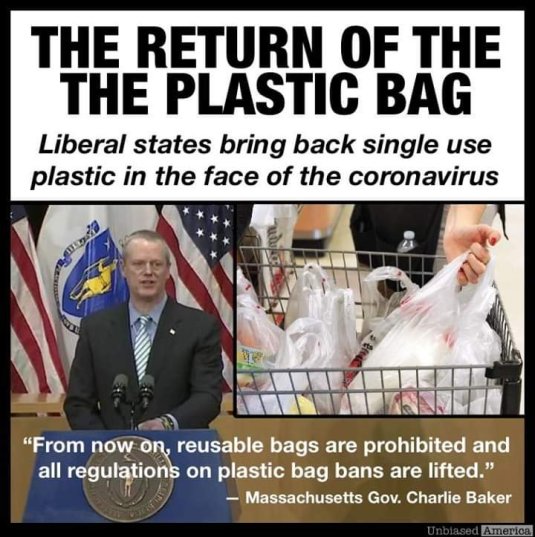
#COVID19 #plasticbagfascism @NZGreens @mfe_news @EugenieSage
26 Mar 2020 Leave a comment
in economics of regulation, environmental economics, health economics, politics - New Zealand, politics - USA Tags: economics of pandemics, offsetting behaviour, recycling, The fatal conceit, unintended consequences
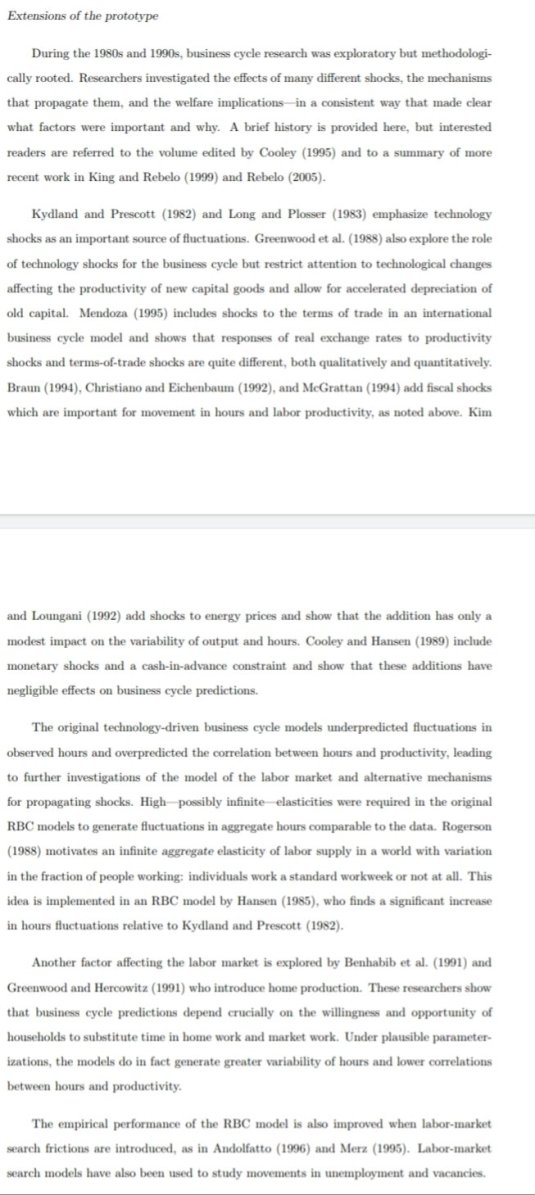
When is a fiscal stimulus a positive productivity shock?
26 Mar 2020 Leave a comment
in budget deficits, business cycles, fiscal policy, macroeconomics, public economics

Exiting the English Republic part 2: the end of the Long Parliament
26 Mar 2020 Leave a comment

In the second half of her series on exiting the English Republic (part one available here) Dr Vivienne Larminie, Assistant Editor of the Commons 1640-1660 project, explores the dissolution of the Long Parliament…
On 16 March 1660 the Parliament which had begun nearly twenty years earlier, on 3 November 1640, agreed to dissolve itself. After well over 3,000 days of sitting, several forcible interruptions and a lengthy gap from 1653 to 1659, a great volume of unprecedented legislation, countless hours of novel executive committee meetings, many heated debates and much praying and listening to sermons, the assembly which had stood up to Charles I and defeated his forces in battle voted for its own demise. It did so explicitly in anticipation of fresh elections and the calling of a new representative body, to convene at Westminster on 25 April.
View original post 922 more words
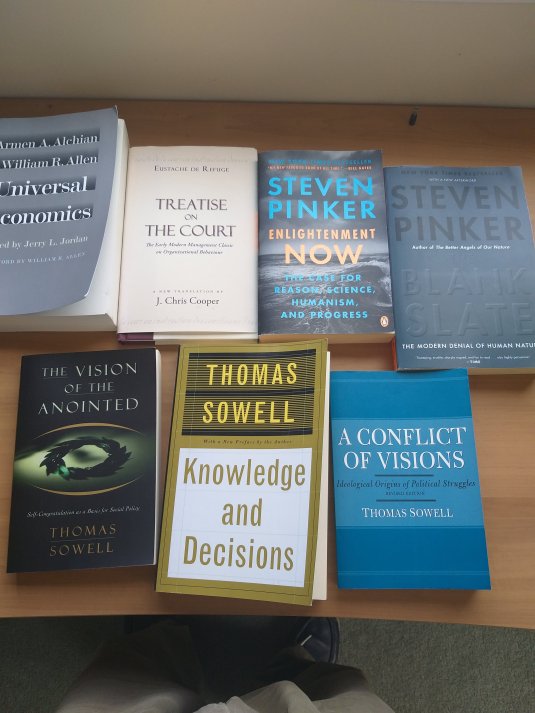
My #COVID19 lockdown reading
26 Mar 2020 Leave a comment
in administration, health economics Tags: economics of pandemics
March 25, 1306: Coronation of Robert the Bruce as King of Scots.
26 Mar 2020 Leave a comment

Robert I (July 11, 1274 – June 7, 1329), popularly known as Robert the was King of Scotland from 1306 until his death in 1329. Robert was one of the most famous warriors of his generation, and eventually led Scotland during the First War of Scottish Independence against England. He fought successfully during his reign to regain Scotland’s place as an independent country and is today revered in Scotland as a national hero.
Several members of the Bruce family were called Robert, the future king was one of ten children, and the eldest son, of Robert de Brus, 6th Lord of Annandale, and Marjorie, Countess of Carrick, and claimed the Scottish throne as a fourth great-grandson of David I of Scotland. His mother was by all accounts a formidable woman who, legend would have it, kept Robert Bruce’s father captive until he agreed to marry her. From his mother, he inherited…
View original post 660 more words
The Real Reason Russia Sold Alaska To The United
26 Mar 2020 Leave a comment
in economic history, politics - USA

How The Ford Model T Took Over The World
26 Mar 2020 Leave a comment
in economic history, entrepreneurship, industrial organisation, managerial economics, organisational economics, personnel economics, survivor principle Tags: mass production
Hans Oster – A German Against Nazism – WW2 Biography Special
26 Mar 2020 Leave a comment
in defence economics, war and peace Tags: World War II
Why Murphy and Topel do not think much of efficiency wages theory
26 Mar 2020 Leave a comment
in applied price theory, economics of information, labour economics, personnel economics

#COVID19
26 Mar 2020 Leave a comment
in financial economics, health economics Tags: economics of pandemics

Never Competitive: Britain’s Wind Industry Begs For Even More Massive Subsidies
25 Mar 2020 Leave a comment
There should be no subsidies because the wind is supposed to be cheaper


The wind industry was founded on lies, built on myth and runs on subsidies. ‘Propaganda’ was conjured up by a Catholic Pope, employed with devastating effect by the Nazis and still maintains control over the masses in China. But it wasn’t until the wind industry switched into gear that propaganda really hit its straps. Being able to turn out lines such as “the wind is always blowing somewhere” and “the wind is free” was a mere doddle for the spin doctors and PR masters, who’ve worked overtime for nearly 20 years in an attempt to present wind power as part of an “inevitable transition” to an all wind and sun powered future.
As Dr John Constable details below, the wind industry has employed every euphemism, neutered every noun, assaulted every adjective and invalidated every verb in the English language. Or, as George Orwell put it, these propaganda masters have managed…
View original post 721 more words


Recent Comments