Pea-beu – hit ’em with the old Pea-beu (Australian ad, 1980)
15 Mar 2020 Leave a comment
in television
McArdle on Nozick and the soccer gender wage gap
15 Mar 2020 Leave a comment
in discrimination, gender, labour economics, labour supply, occupational choice, sports economics Tags: gender wage gap

Rents are unaffordable for one reason alone
15 Mar 2020 Leave a comment
in economics of regulation, politics - New Zealand, politics - USA, Public Choice, rentseeking, urban economics

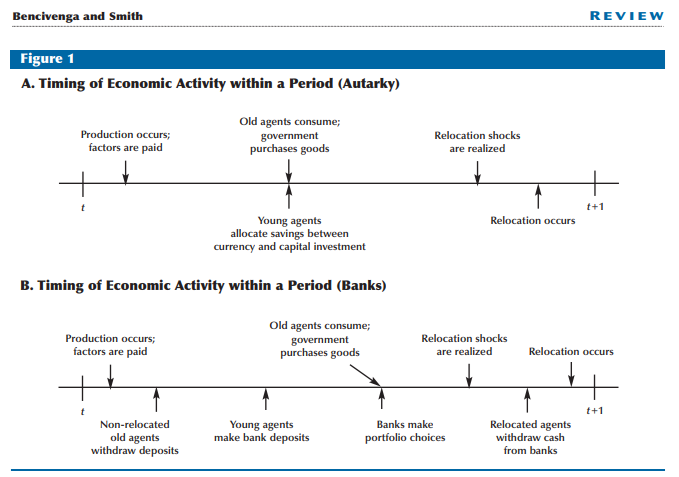
What banks do
15 Mar 2020 Leave a comment
in financial economics, macroeconomics, monetary economics

Hornsdale Power Reserve: batteries compensating for intermittency?
15 Mar 2020 49 Comments

It has been a while since last post (on the Doctor’s analogy skeptic style). This post will be a bit different. It will be about energy, more specifically about (grid sized) energy storage. It all started with this tweet from Jean-Pascal van Ypersele. This is the text of the tweet:
Those who argue that fossil gas plants are needed to compensate the intermittency of renewable energy should read this @McMarghem @eliacorporate @EngieBelgium @LuminusEnergie @Gregoiredallema
View original post 1,105 more words
The Truth About Stalin’s Prison Camps
15 Mar 2020 Leave a comment
in economic history, Marxist economics Tags: Stalin
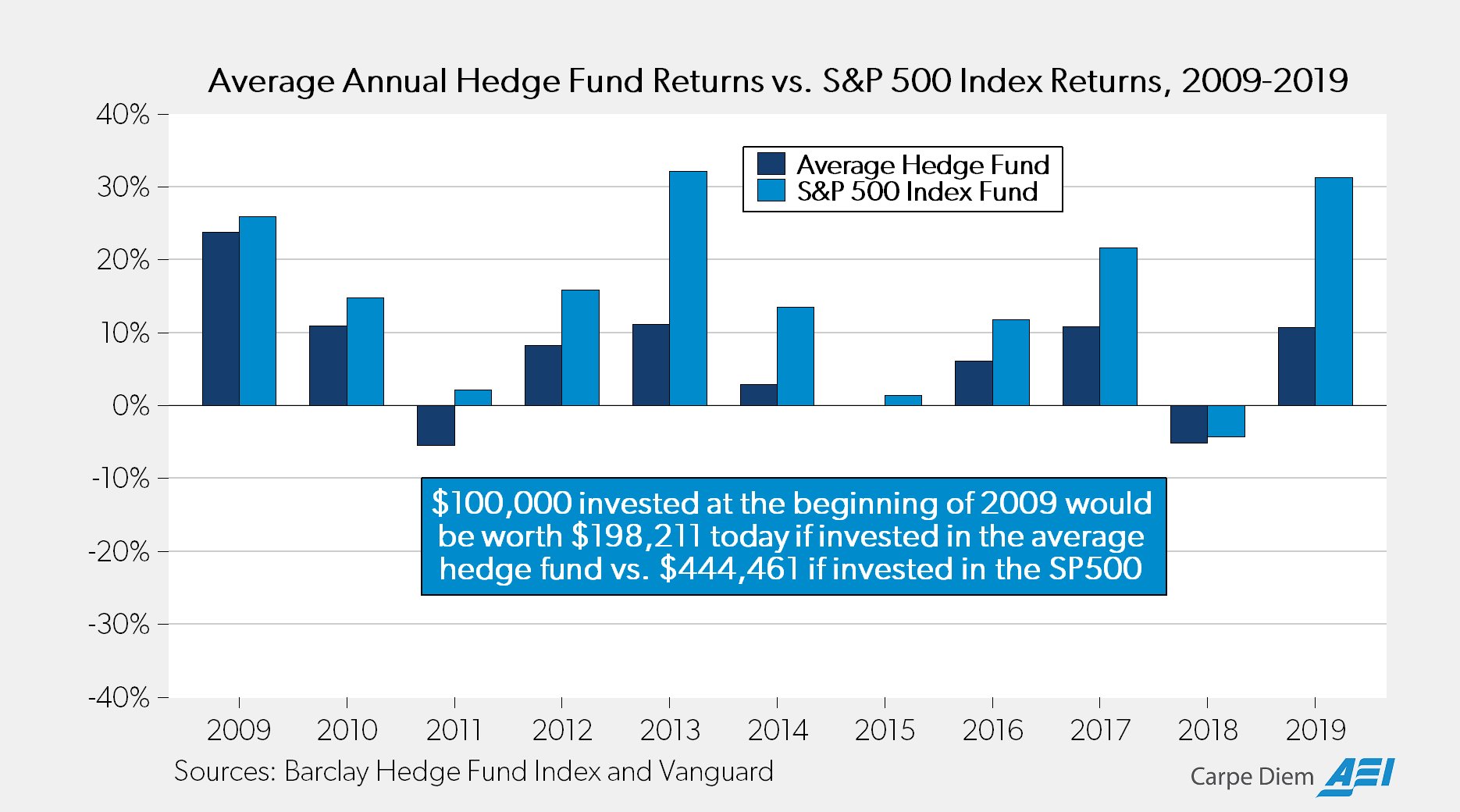
Why do Hedge Funds survive?
15 Mar 2020 Leave a comment
in entrepreneurship, financial economics Tags: active investing, efficient markets hypothesis, passive investing

Nuclear Power and Climate Change
15 Mar 2020 Leave a comment
in energy economics, environmental economics, global warming Tags: nuclear energy
Scientific American goes full Regressive Left, makes women’s rights depend on recognizing the “gender spectrum” and denying sex differences
14 Mar 2020 Leave a comment

An editorial (yes, an editorial, with the byline “BY THE EDITORS”) in the new online issue of Scientific American,”The new science of sex and gender“, is not only biologically misleading, but philosophically unsound. Its purpose appears to be that the “new picture” of sex and gender, which is no longer “simple” but supposedly confused by a variety of factors like social construction of gender, intersexuality, and so on, somehow means that women’s rights have suddenly become more important and more justifiable. But the science is right out of Everyday Feminism, and the social lesson commits a naturalistic fallacy, implying that women’s rights are somehow connected with recognizing that gender is “nonbinary”. In other words, they make a biological case for women’s equality, when the real case is a social and ethical one.
Here’s the totality of the science in the article:
Sex is supposed to be…
View original post 1,438 more words
WHAT I Learned About Climate Change: The Science Is Not Settled
14 Mar 2020 Leave a comment

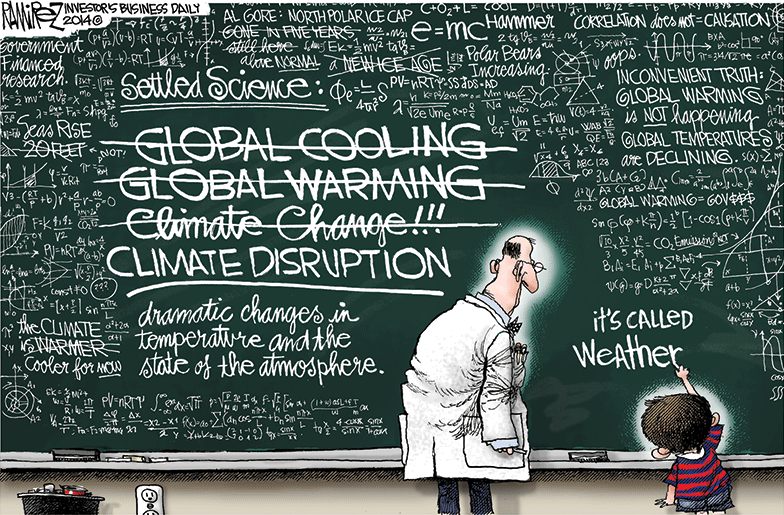
EXCELLENT article written by a ‘Vegan Democrat’ and former CAGW believer, highlighting the reasons why many remain sceptical of the “settled science” of climate change…
*
By David Siegel Entrepreneur, investor, blockchain expert, start-up coach, CEO of the Pillar project and 20|30.io
What is your position on the climate-change debate? What would it take to change your mind?
If the answer is It would take a ton of evidence to change my mind, because my understanding is that the science is settled, and we need to get going on this important issue, that’s what I thought, too. This is my story.
More than thirty years ago, I became vegan because I believed it was healthier (it’s not), and I’ve stayed vegan because I believe it’s better for the environment (it is). I haven’t owned a car in ten years. I love animals; I’ll gladly fly halfway…
View original post 736 more words
The Simple Economics of Social Distancing and the Coronavirus
14 Mar 2020 Leave a comment

“Social distancing” – reducing the number of daily close contacts individuals have – is being encouraged by policymakers and epidemiologists. Why it works, and why now rather than for other diseases, is often left unstated. Economists have two important contributions here. First, game theoretic models of behavior are great for thinking through where government mandates are needed and where they aren’t. Second, economists are used to thinking through tradeoffs, such as the relative cost and benefit of shutting down schools versus the economic consequences of doing so. The most straightforward epidemiological model of infection – the SIR model dating back to the 1920s – is actually quite commonly used in economic models of innovation or information diffusion, so it is one we are often quite familiar with. Let’s walk through the simple economics of epidemic policy.
We’ll start with three assumptions. First, an infected person will infect B other people…
View original post 1,679 more words


Recent Comments