New Rule: Don’t Segregate the Anthem | Real Time with Bill Maher
10 Mar 2023 Leave a comment
in television, TV shows Tags: political correctness, racial discrimination, regressive left
Equilibrium of Carnage at Verdun – Portugal Joins The War I THE GREAT WAR – Week 85
10 Mar 2023 Leave a comment
in defence economics, war and peace Tags: World War I
Off Target: An Evaluation of the Stern Review’s Climate Disaster Predictions
09 Mar 2023 Leave a comment
March 8, 1702: Death of William III-II, King of England, Scotland and Ireland, Prince of Orange, Stadtholder of Holland, Zeeland, Utrecht, Guelders, and Overijssel in the Dutch Republic.
09 Mar 2023 Leave a comment

William III-II (William Henry; Dutch: Willem Hendrik; November 4, 1650 – March 8, 1702), also widely known as William of Orange, was the sovereign Prince of Orange from birth, Stadtholder of Holland, Zeeland, Utrecht, Guelders, and Overijssel in the Dutch Republic from the 1670s, and King of England, Ireland, and Scotland from 1689 until his death in 1702.
William III-II was born in The Hague in the Dutch Republic on 4 November 4, 1650. Baptised William Henry (Dutch: Willem Hendrik), he was the only child of Mary, Princess Royal, and stadtholder Willem II, Prince of Orange. His mother was the eldest daughter of King Charles I of England, Scotland and Ireland and Princess Henrietta Marie de Bourbon of France. The Princess Royal was also the sister of King Charles II and King James II-VII.
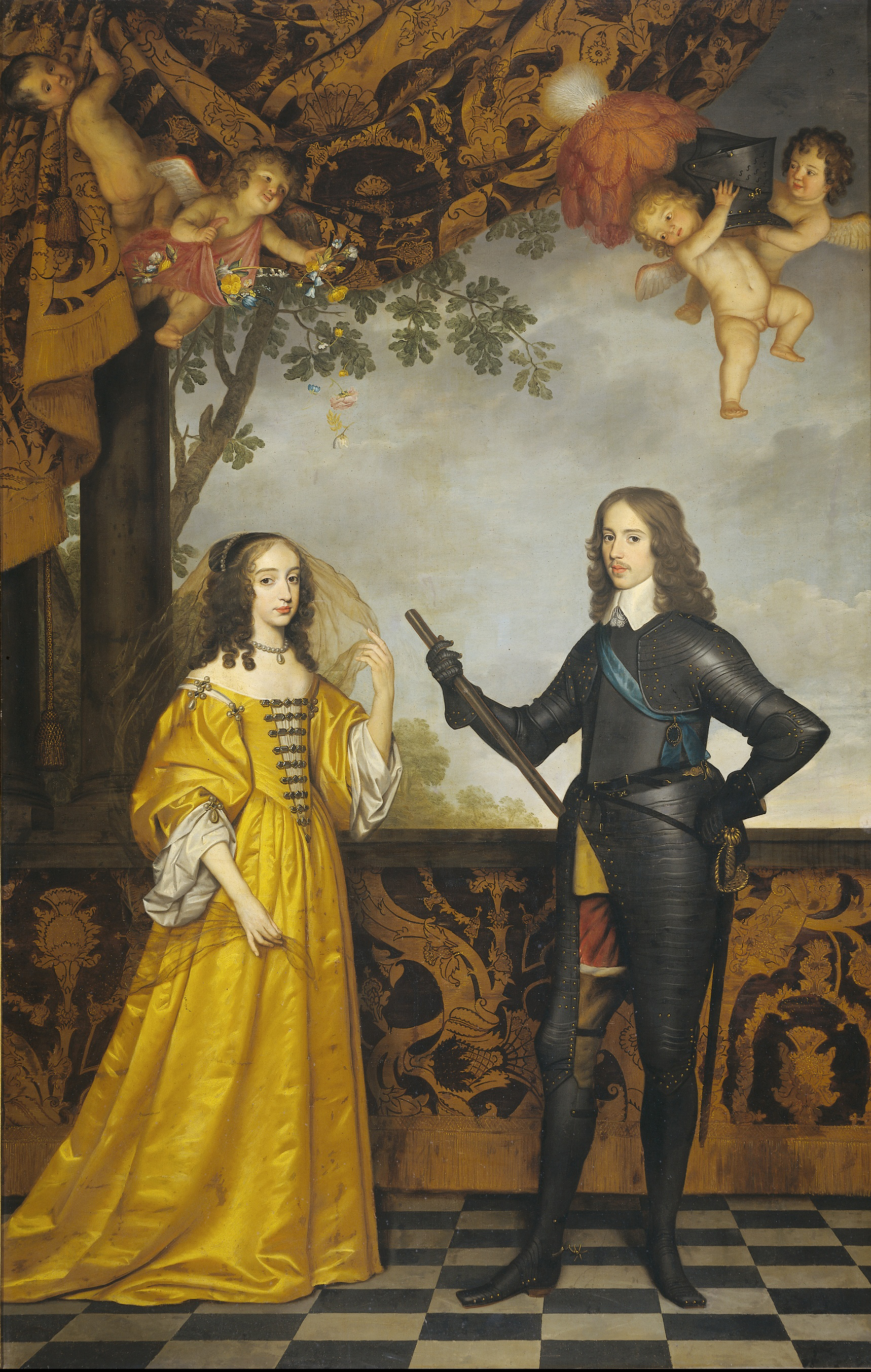 Willem II, Prince of Orange and Mary, Princess Royal of England
Eight days before William was…
View original post 1,583 more words
Titles For The Children of The Duke and Duchess of Sussex.
09 Mar 2023 Leave a comment
From the Emperor’s Desk:
Ever since the accession of King Charles III on the British throne the question of the titles of the children of the Duke and Duchess of Sussex has been raised. The question wasn’t what their titles would be, the question was did they even have titles?
Prior to the accession of the King, the children of the Duke and Duchess of Sussex were not eligible to have the style of His or Her Royal Highness and the title of Prince or Princess of the United Kingdom because according to the Letters Patent of 1917 issued by King George V, which stipulated that only grandchildren of the sovereign in the male line were eligible for these styles and titles.
From their birth until the accession of the King, when Queen Elizabeth II was the reigning monarch, the Sussex children were ineligible for the titles and styles…
View original post 242 more words
Will We Ever Have a Warp Drive?
09 Mar 2023 Leave a comment
in economics of education, economics of media and culture, movies, television
Believe It or Not: Greta Thunberg Arrested While Protesting AGAINST Wind Turbines
08 Mar 2023 Leave a comment

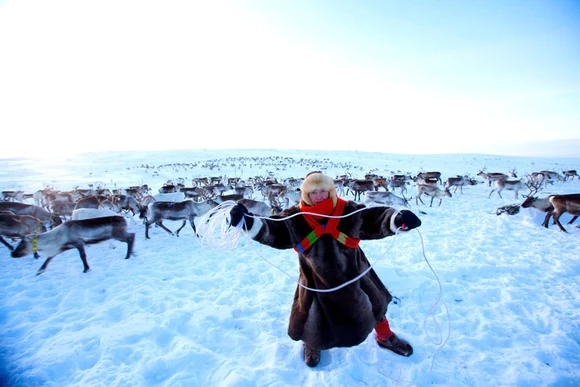
That Greta Thunberg has decided to help Stop These Things is noteworthy, in itself. And getting arrested (twice) for her trouble is all in a day’s work for a modern-day Joan of Arc, like Greta.
Now, don’t get us wrong, the antsy young Swede has plenty of enviro-babble baggage, but we can’t complain about her latest efforts, joining the reindeer herders of Europe’s frozen North in their fight to permanently eradicate these things from their rangelands.
As Greta now seems to understand, rural communities are sick and tired of becoming roadkill for the wind industry, and that includes the nomadic Sami – who graze and herd reindeer across northern Europe’s frozen tundra, ranging across the north of Norway, Sweden, Finland and the Kola Peninsula.
What Greta might not notice is the fact that chaotically intermittent wind power can’t be delivered as and when power consumers need, which means the wanton…
View original post 443 more words
Claim: Global food system emissions imperil Paris climate goals
08 Mar 2023 Leave a comment

 Meat under attack [image credit: farminguk.com]
Phys.org pounces on another supposed climate alarm. Once again magical powers are assigned to trace gases with no evidence offered.
– – –
The global food system’s greenhouse gas emissions will add nearly one degree Celsius to Earth’s surface temperatures by 2100 on current trends, obliterating Paris Agreement climate goals, scientists warned Monday.
A major overhaul of the sector—from production to distribution to consumption—could reduce those emissions by more than half even as global population increases, they reported in Nature Climate Change.
Earth’s surface has warmed 1.2 C since the late 1800s, leaving only a narrow margin for staying under the 2015 treaty’s core goal of capping warming at “well under” 2 C.
View original post 196 more words
Central bank losses and the BIS
08 Mar 2023 Leave a comment

The Bank for International Settlements (BIS) is a club of central banks. That isn’t a pejorative label, just a straight factual description. 63 central banks (including the RBNZ) are the shareholders and the institution exists primarily to generate material for, and host meetings of, central bankers. They collate statistics and generate research with a central banking focus. They still provide some financial services to central banks. The chief executive (“General Manager”) is chosen from the ranks of highly-regarded senior central bankers (the current incumbent, Agustin Carstens was (among other things) formerly Governor of the Bank of Mexico and Deputy Managing Director of the International Monetary Fund).
As I mentioned in yesterday’s post, Adrian Orr had been citing material published recently by the BIS in defence of his suggestion that central bank losses from discretionary interventions really don’t matter and are more of an “accounting issue” than an economic one. When…
View original post 2,476 more words


Recent Comments