New York Capos Talks About The Hit On New Jersey – The Sopranos
22 Apr 2022 Leave a comment
in television
More Than 600 Brands Have Withdrawn From Russia. How Are Russians Coping? | @WSJ
21 Apr 2022 Leave a comment
in defence economics, international economics, International law, war and peace
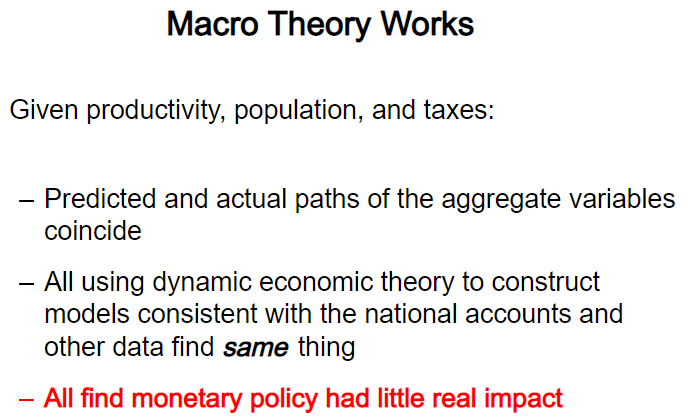
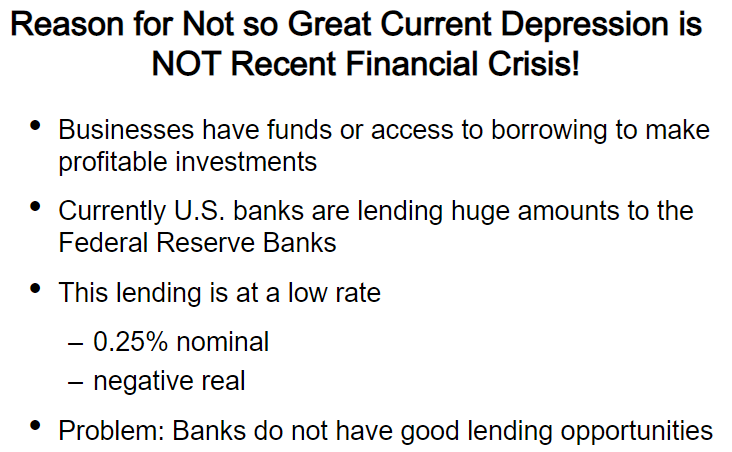
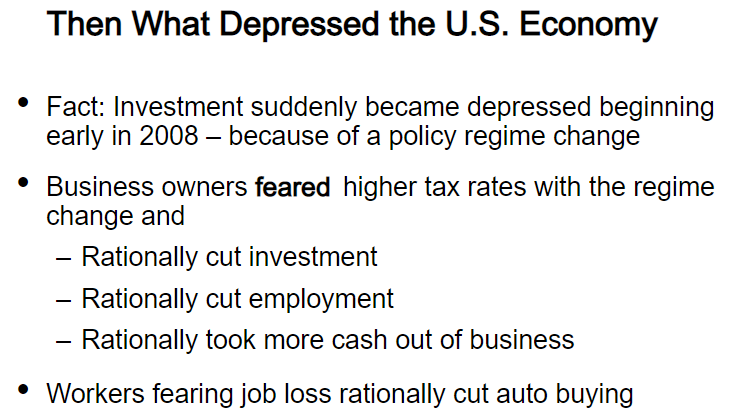
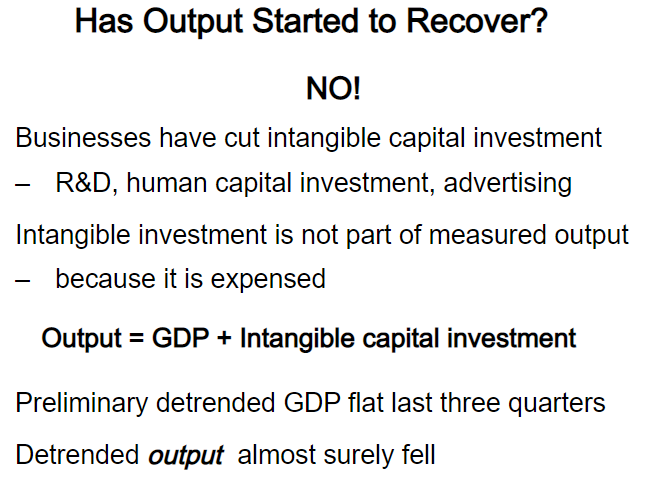
Edward Prescott doesn’t hold back on macroeconomics and central banks
21 Apr 2022 Leave a comment
in business cycles, Edward Prescott, global financial crisis (GFC), great recession, history of economic thought, macroeconomics, monetary economics
Powering Down: Wind & Solar ‘Transition’ Mean End of Reliable & Affordable Power
21 Apr 2022 Leave a comment


Once upon a time, governments strived to ensure their citizens had access to reliable and affordable electricity. That was then. This is now.
A cabal of wind and solar rent-seekers and their political enablers are determined to control every aspect of your daily life, by preventing you from having electricity, as and when you need it.
If you think that the Great Green Reset is not a work in progress, we suggest you read on.
Examining California’s Renewable Energy Plan
California Globe
Edward Ring
8 March 2022
If you live in California, by now you’ve probably seen the ads, either on prime time television or online, exhorting you to “Power Down 4 to 9PM.” These ads are produced by “Energy Upgrade California,” paid for by “investor-owned energy utility customers under the auspices of the California Public Utilities Commission and the California Energy Commission.”
According to the mission of Energy Upgrade…
View original post 1,879 more words
Thomas Piketty on the Politics of Equality | Conversations with Tyler
21 Apr 2022 Leave a comment
in applied price theory, economic history, economics of education, history of economic thought, human capital, income redistribution, labour economics, labour supply, occupational choice, poverty and inequality, Public Choice, public economics Tags: envy, top 1%
Corporate Taxes and the Laffer Curve
21 Apr 2022 Leave a comment

During the debate about the Trump tax plan, proponents made three main arguments in favor of reducing the federal corporate tax rate from 35 percent to 21 percent.
- A lower rate would be good for workers, consumers, and shareholders.
- A lower rate would boost American competitiveness.
- A lower rate would produce some revenue feedback for the IRS.
The last item involves the “Laffer Curve,” which is a graphical representation of the non-linear relationship between tax rates and tax revenue.
Put in simple terms, entrepreneurs, investors, and business owners have more incentive to earn money when tax rates are modest.
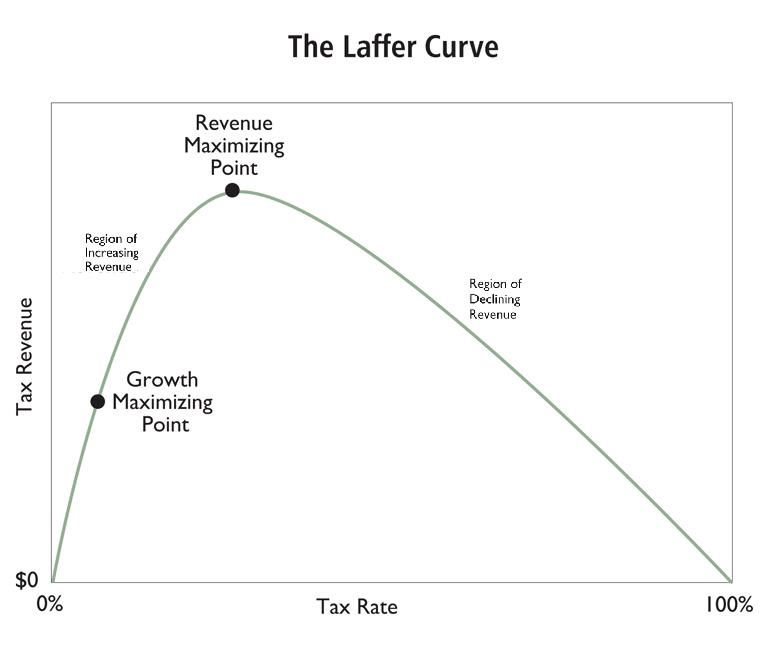 High tax rates, by contrast, discourage productive behavior while also giving people a bigger incentive to find loopholes and other ways of avoiding tax.
This does not mean that lower tax rates produce more revenue, though that sometimes happens.
The main takeaway is the most…
View original post 598 more words
Falklands Conflict in the Air | How British Harriers beat the odds
21 Apr 2022 Leave a comment
in defence economics, war and peace Tags: Falklands war
Martha Reeves & The Vandellas LIVE – “Nowhere To Run”
21 Apr 2022 Leave a comment
in Music, television
Shockingly, movie theater wine from a can…
20 Apr 2022 Leave a comment



…tastes like wine from a can. Stick to bottles, “Bev.” And maybe hard seltzer or some such.
Hype-Dream: World’s Renewable Energy Storage Capacity Destined to Remain Totally Trivial
20 Apr 2022 Leave a comment

When they’re not bursting into toxic fireballs, the contribution made by giant lithium-ion batteries remains utterly trivial. They are, after all, electricity storage devices and don’t add a lick to electricity generation capacity, anywhere.
The cost of battery storage, at scale, is out of all proportion to the benefits returned and we wouldn’t be having this discussion were it not for the hopeless intermittency of wind and solar. No one talked about electricity storage when we allowed nuclear, coal-fired and gas-fired plants to deliver power, 24 x 7, whatever the weather.
At best, battery storage provides additional frequency control at the margins, but it’s the chaotic delivery of wind and solar that increased demand for that as a “service” which grid managers pay a premium for.
But that’s not the pitch put forward by the wind and solar acolytes, who tell us that by adding more and larger lithium-ion batteries…
View original post 1,734 more words


Recent Comments