P.J. O’Rourke reflects on life in the sixties to today with nostalgia and humor
17 Feb 2022 Leave a comment
There Is No Plan B: Why Battery Storage Can’t Save Intermittent Wind & Solar
16 Feb 2022 Leave a comment

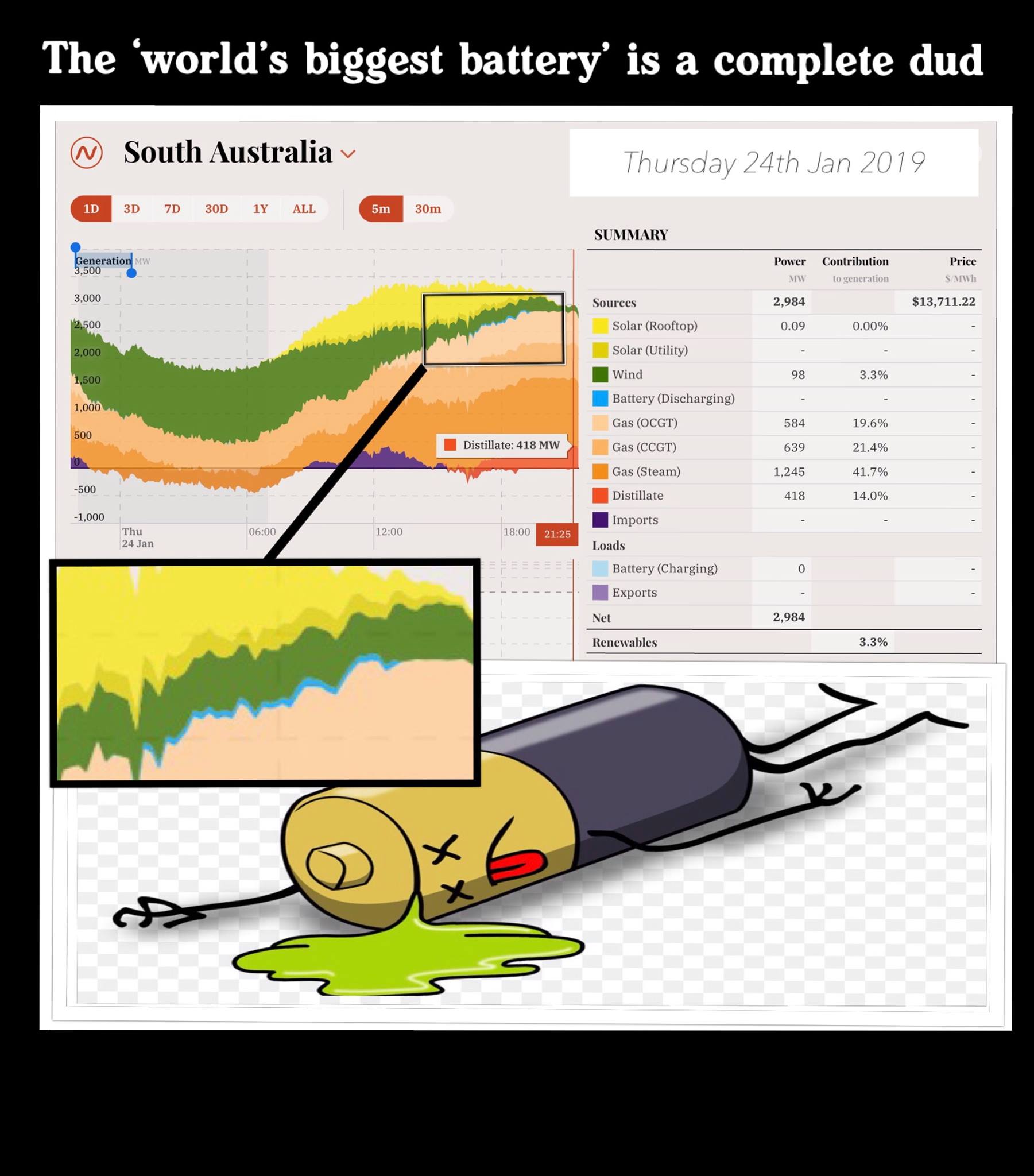
Carpetbaggers profiting from hopelessly intermittent wind and solar still claim that mega-batteries are the solution to their obvious lack of reliability.
But it only takes a moment’s reckoning to appreciate that the grid-scale storage electricity generated by wind or solar is a perfect nonsense.
It hasn’t occurred anywhere in the world; nor will it.
David Wojick explains why below.
VCEA makes Virginia’s electric grid dangerously unreliable
CFACT
David Wojick
21 January 2022
The oddly named Virginia Clean Economy Act or VCEA mandates the phaseout of fossil fueled power generation by 2045, with deadlines all along the way. Dominion Energy, Virginia’s primary electric utility, recently filed what is called an Integrated Resource Plan. In their recent IRP, Dominion’s Alternative Plan C is designed to comply with the VCEA.
This design is not sufficient to maintain reliability. The inevitable result will be price spikes and blackouts.
The basic problem with the Plan…
View original post 1,167 more words
2nd Battle Of The Marne – Turning Point On The Western Front I THE GREAT WAR Week 208
16 Feb 2022 Leave a comment
in defence economics, war and peace Tags: Russian revolution, World War I
Expertise and the MPC
16 Feb 2022 Leave a comment

I’m yielding to no one in my low view of the Reserve Bank Monetary Policy Committee. I’ve been writing about the problems – structural and personal – since the new Potemkin-village model (designed to look shiny and new, but to change little) was set up three years ago, and it was (for example) one of my Official Information Act requests that got the written confirmation that the Minister, Governor and the Bank’s Board had formally agreed that no one with ongoing expertise in monetary policy or macroeconomics, or likely future interest in researching such matters, would be appointed (as an external member) to the new Monetary Policy Committee (three relevant posts here, here, and here). It was a simply extraordinary exclusion, which reflected very poorly on all involved, but which never seemed to get the scrutiny from media or MPs that it deserved. In no other modern…
View original post 1,437 more words
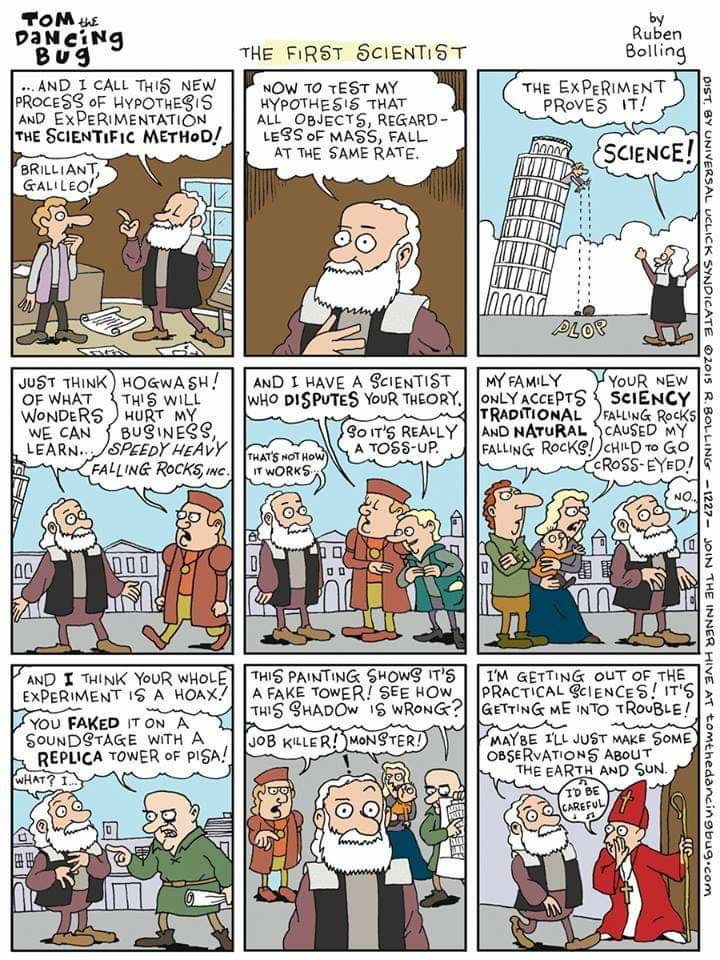
Anti-science left
16 Feb 2022 Leave a comment
in economics of education, liberalism, Marxist economics Tags: Anti-Science left, conjecture and refutation, philosophy of science
Friedman Fundamentals: Unions And Free Market Labor
16 Feb 2022 Leave a comment
in applied price theory, history of economic thought, labour economics, labour supply, Milton Friedman, minimum wage, unions
A Bomb in the French Embassy! | Yes, Prime Minister
16 Feb 2022 Leave a comment
in television, TV shows
Anti-science left @NZGreens
16 Feb 2022 Leave a comment
in economics of education, health economics Tags: anti-vaccination movement, vaccines

House of Saxe-Coburg and Gotha: Edward VII (1901-1910)
15 Feb 2022 Leave a comment

An immensely popular, chubby-cheeked, convivial man, Edward VII was in all truth a mostly unremarkable man with hardly a moral fiber in his insubstantial body. He was known as a frivolous “Prince of Pleasure,” a man all-too familiar with the sin of gluttony. His reign represented a minor nine-year epilogue to the Victorian Age, as if to offer the Ancien Régime one final sip of fine wine and a cigar before the long dark shadow of war crept over Europe. While personally he was a rather silly man, Edward VII still managed to transform the British monarchy from the cloistered and stoic brand of Queen Victoria, into the showy offering of public pageantry we see today.
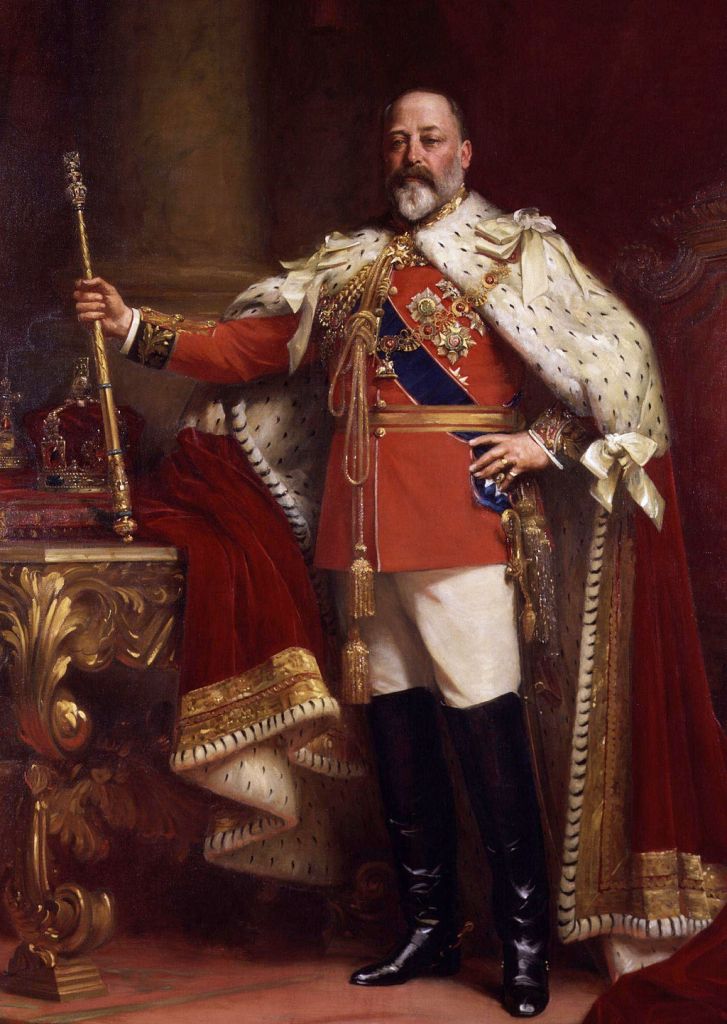
Christened Albert Edward and known to his family as “Bertie,” the future Edward VII was a self-indulgent, intransigent young man. He rebelled against his father Albert’s strenuous educational curriculum and often landed himself in…
View original post 873 more words
US Federal Court Rules Against Social Cost of Carbon
15 Feb 2022 Leave a comment

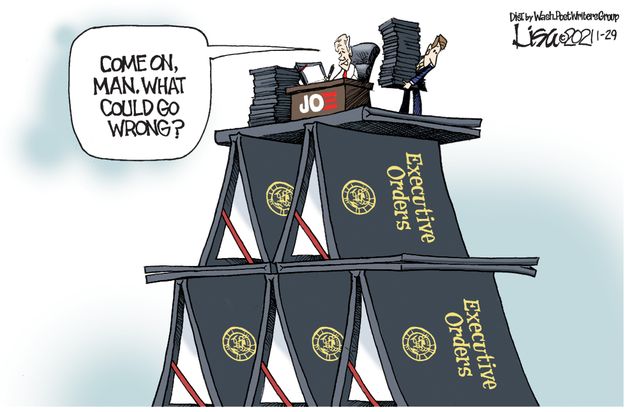
Following a Biden Executive Order, in April 2021 several states went to Louisiana District Court to stop implementation of Social Cost of Carbon with respect to federal regulations. The Memorandum Ruling regarding that case is State of Louisiana et al Versus Joseph R. Biden Jr. et al. The Plaintiff States are Louisiana, Alabama, Florida, Georgia, Kentucky, Mississippi, South Dakota, Texas, West Virginia, and Wyoming. Excerpts in italics with my bolds. H/T Francis Menton
The Issues
The Plaintiff States seek injunctive and declaratory relief on three grounds.First, they assert that the SC-GHG Estimates violate the procedural requirements of the Administrative Procedure Act (“APA”) as a substantive rule that did not undergo the requisite notice-and-comment process. See 5 U.S.C. § 553.
Second, the Plaintiff States claim that President Biden, through EO 13990, and the IWG lack the authority to enforce the estimates as they are substantively unlawful under the…
View original post 847 more words
SPQR: A History of Ancient Rome by Mary Beard (2015) 8. Assimilation
15 Feb 2022 Leave a comment

The key learning from the entire book is that the secret of Rome’s success can be summed up in one word: assimilation. Already, by the 300s BC, Romans had perfected a system which was unprecedented in the ancient world and was to give them unparalleled power and success. It was that they did not conquer and destroy their enemies then retire to their core territory: they assimilated both the people and the territories they defeated into the Roman state. They extended Roman-ness to the conquered peoples, thus extending Roman territory and Roman population, eventually to a vast and unparalleled extent (page 67).
1. An endless supply of soldiers
Instead of setting Roman administrators over a defeated tribe, the only tribute the Romans asked for was for the defeated to provide soldiers for the Roman army, to be funded by local taxation. These soldiers, regardless of tribal affiliation or…
View original post 1,485 more words
Aradhya Sethiya: The party has just begun: The Party Leader and the UK constitution
15 Feb 2022 Leave a comment

 The looming uncertainty around Johnson’s term in office is not just a perfect setting for political intrigue, but may also have something to offer to students of constitutional law. It should draw our attention to one of the fundamental questions of the UK constitutional process – how should we choose or remove a Prime Minister between general elections? The constitutional theory is straightforward. To become a Prime Minister, an MP must enjoy the confidence of the majority of the members of the House of Commons. Constitutionally, therefore, Parliament, not the electorate, selects the PM for appointment by the Queen. Hence, the House of Commons as a whole should remove and select the PM. According to this theory, then, Johnson would be removed if he loses a vote of confidence on the floor of the House of Commons. The classical formulation is neat but incomplete. Most importantly, it does not take…
View original post 1,957 more words


Recent Comments