The Crusades – Pilgrimage or Holy War?: Crash Course World History #15
26 Aug 2021 Leave a comment
in defence economics, economic history, economics of religion, laws of war, war and peace Tags: Crusades
Jay Bhattacharya: I stand by the Great Barrington Declaration
26 Aug 2021 Leave a comment
in health economics Tags: economics of pandemics
Origins of the Holy Roman Empire: Part III
25 Aug 2021 Leave a comment

Now let us examine the rise of Otto the Great.
The Medieval Kingdom of Germany started out as the eastern section of the Frankish kingdom. The rulers of the eastern area thus called themselves Rex Francorum, King of the Franks. The term rex teutonicorum (“King of the Germans”) first came into use in Italy around the year 1000.
After the death of the last Carolingian, Louis the Child, in 911, dukes of the stem duchies (another topic all together) of Saxony, Swabia and Bavaria, acknowledged the unity of the kingdom and elected Conrad I, Duke of Franconia to be their king on November 10, 911 at Forchheim. Conrad was the son of Duke Conrad of Thuringia (called the Elder) and his wife Glismoda, probably related to Ota, wife of the Carolingian emperor Arnulf of Carinthia and mother of Louis the Child.
The dukes of the stem duchies prevented the succession…
View original post 691 more words
Hearts of Darkness: The European Exploration of Africa by Frank McLynn (2)
25 Aug 2021 Leave a comment

The collision between Europe and Africa came at a time when European self-confidence, based on the wonders of science, was at a peak, and African social conditions were at their worst. (p.175)
This book turns out to be longer and more complex than it initially seems. In the first section, which makes up around a third of the text, McLynn details all the important European expeditions and explorers of note from 1788 to the end of the explorer era around 1890 in a packed hundred pages. It feels quite rushed and hectic.
But as you proceed on into the text it emerges that the first part is by way of being a glorified timeline or chronology, merely a sketch of the main series of expeditions, because McLynn’s real interest is in writing a thematic history of the subject, which aims to consider wider the issues and problems and practicalities of…
View original post 5,166 more words
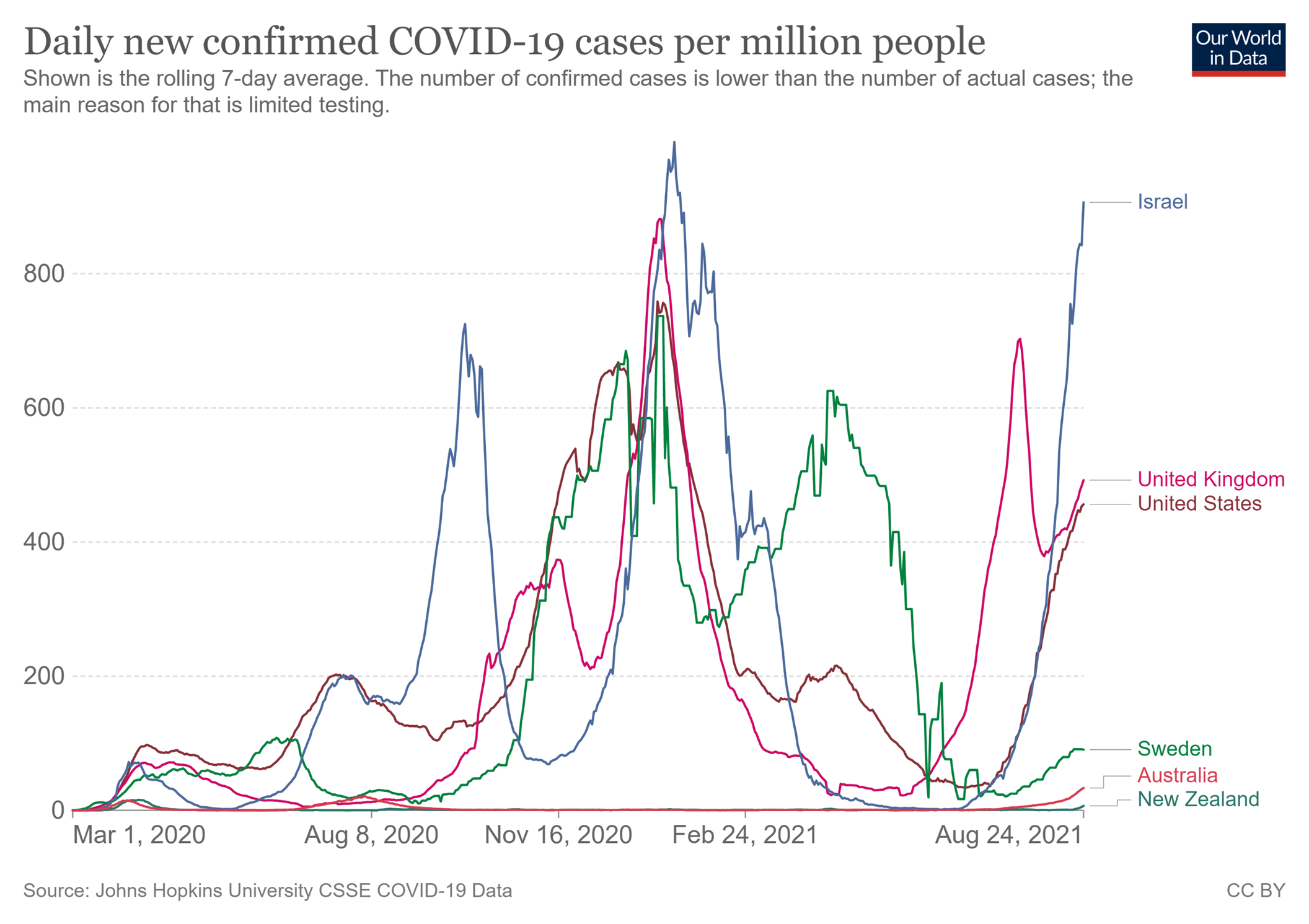
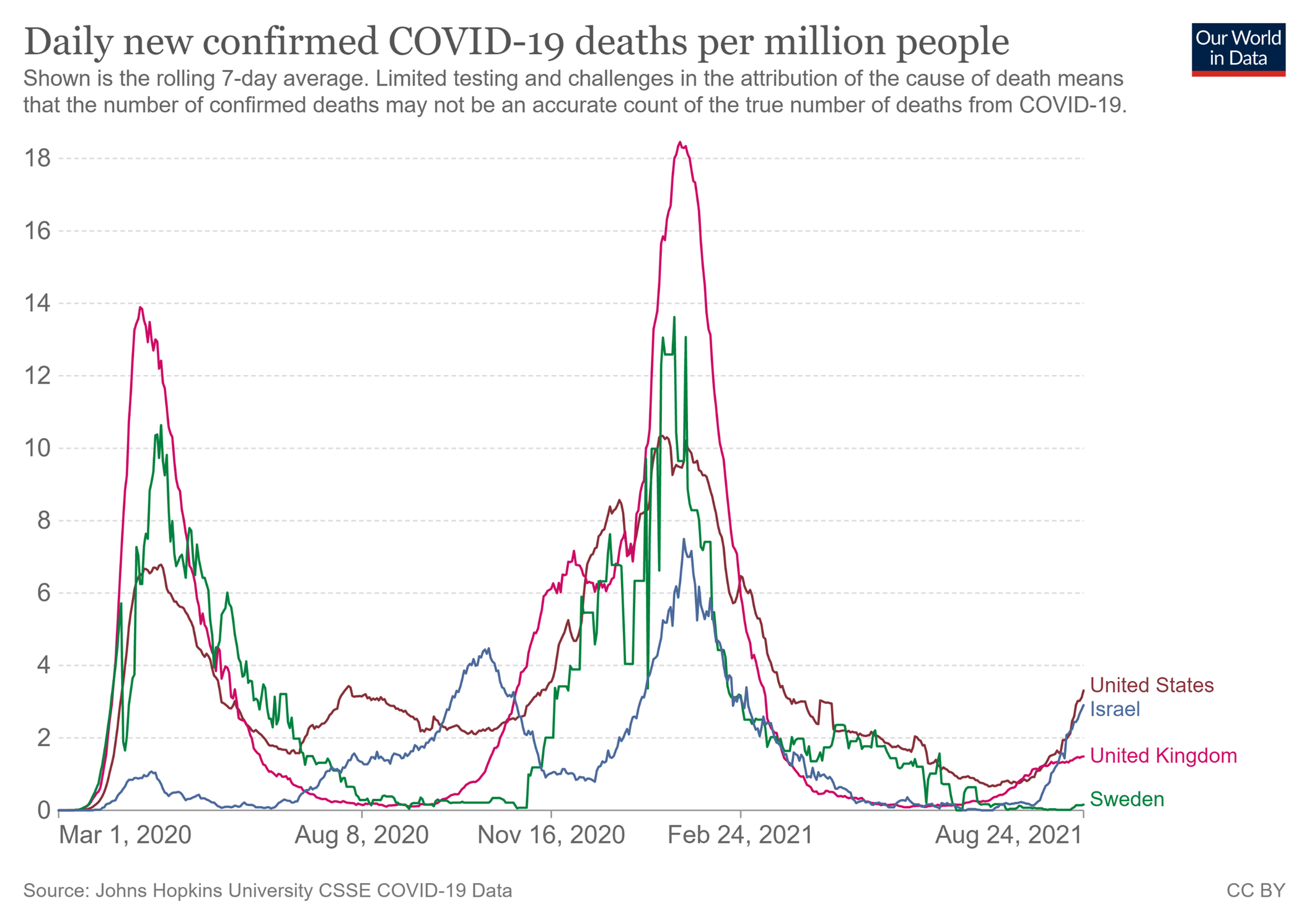
Extinction Rebellion Thugs Hold London Hostage … Again
25 Aug 2021 Leave a comment

This is the third year in a row the XR hoodlums have nearly shut down London. Meanwhile London police stand down due to potential legal problems.
From Fogel The Escape from Hunger and Premature Death
25 Aug 2021 Leave a comment
in economic history, health economics, human capital, labour economics, poverty and inequality Tags: child health, health capital, physiological capital, The Great Escape

Daron Acemoglu, MIT Optimal Targeted Lockdowns in a Multi-group SIR Model
25 Aug 2021 Leave a comment
in applied price theory, applied welfare economics, health economics Tags: economics of pandemics
MPC members speaking
25 Aug 2021 Leave a comment

When I finished yesterday’s post I realised there was plenty else that could have been said.
First, of course, is the way that the Reserve Bank’s housing graphic feeds a narrative that a fall in house prices would itself be a bad thing, at an economywide level. After all, presumably their mental model is symmetrical.
As I noted yesterday, their framing totally ignores the context in which house prices change. Were a government ever to summon up the intestinal fortitude to free up land use, we would expect to see house/land prices fall, and fall a long way. This would, of course, be tough for some individuals, but their losses would be largely offset by gains to others (the young, the poor, the renters), and for many people – owner-occupiers with modest or no mortgages – it would really make no difference at all. Speaking personally, I would cheer the…
View original post 1,745 more words


Recent Comments