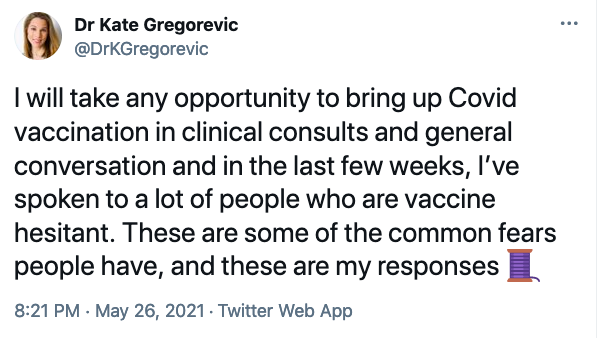
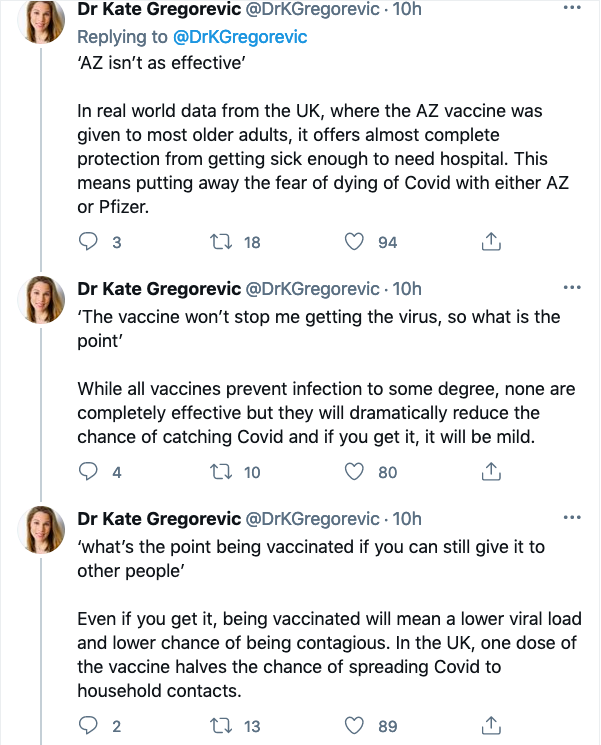
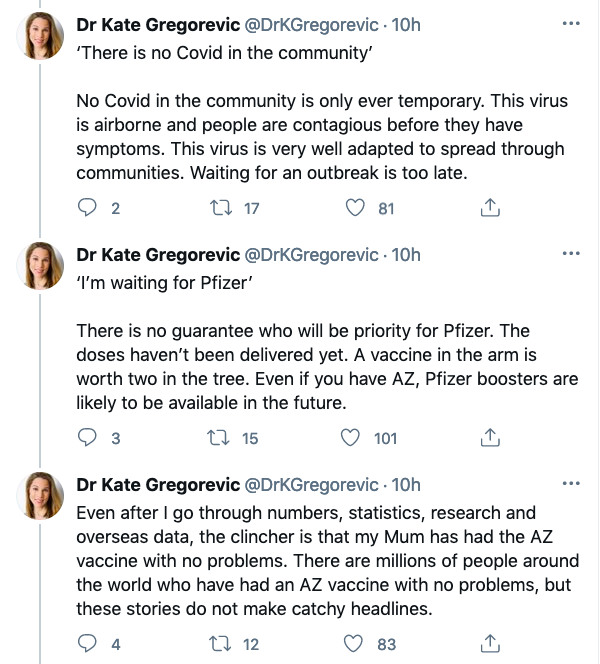
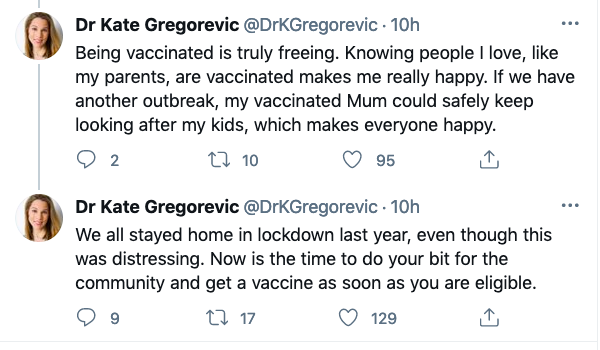
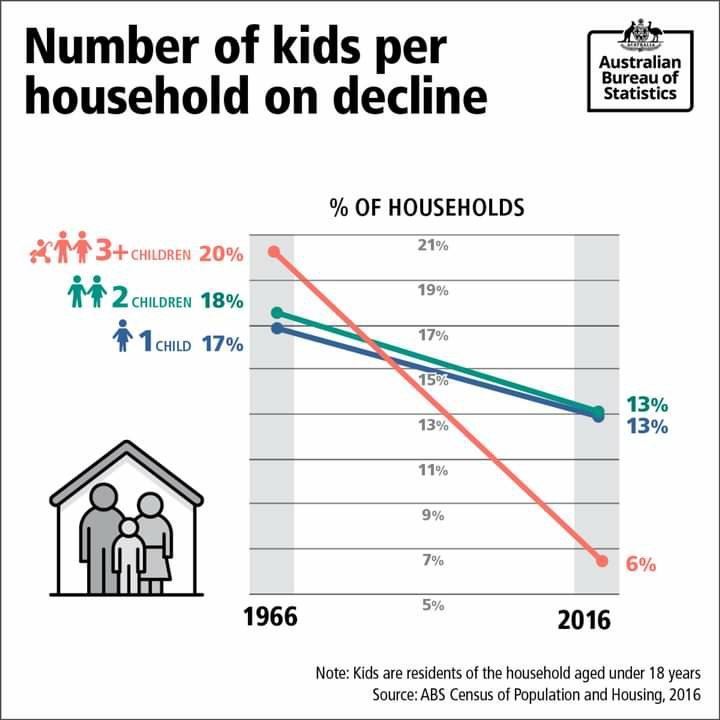
8 common excuses for not being COVID-19 vaccinated, and what you can say that might help
27 May 2021 Leave a comment
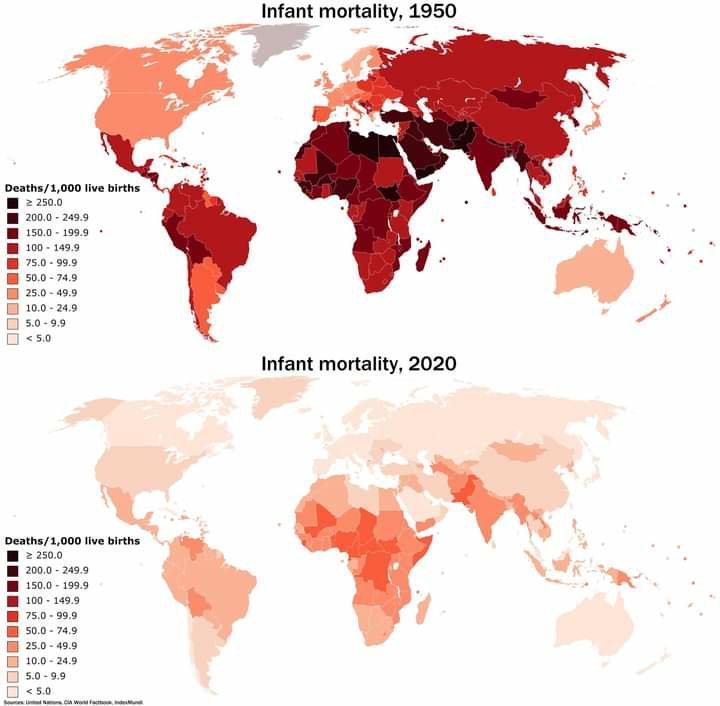
Another Great Escape
27 May 2021 Leave a comment
in development economics, economic history, health economics Tags: infant mortality, The Great Escape

Israel government update and the likelihood of a 2021b election
27 May 2021 Leave a comment
It has been some time since I did an update on the election and government-formation process in Israel, 2021 (or, as I called it, 2021a, giving away my expectation that a 2021b was likely). The election was on 23 March, and as all readers likely know, it was the fourth election since an early call of elections was legislated at the end of 2018.
Since the March election, the government-formation process has been playing out in its usual manner. President Reuven Rivlin received recommendations from party leaders about who should be tasked to form a government. As expected, no candidate had recommendations from parties totaling 61 or more seats, but incumbent PM Benjamin Netanyahu (Likud) had more than opposition leader Yair Lapid (Yesh Atid), so he got the first nod. As everyone pretty much understood would happen, he failed to cobble together a government. Arguably he did not even…
View original post 1,573 more words
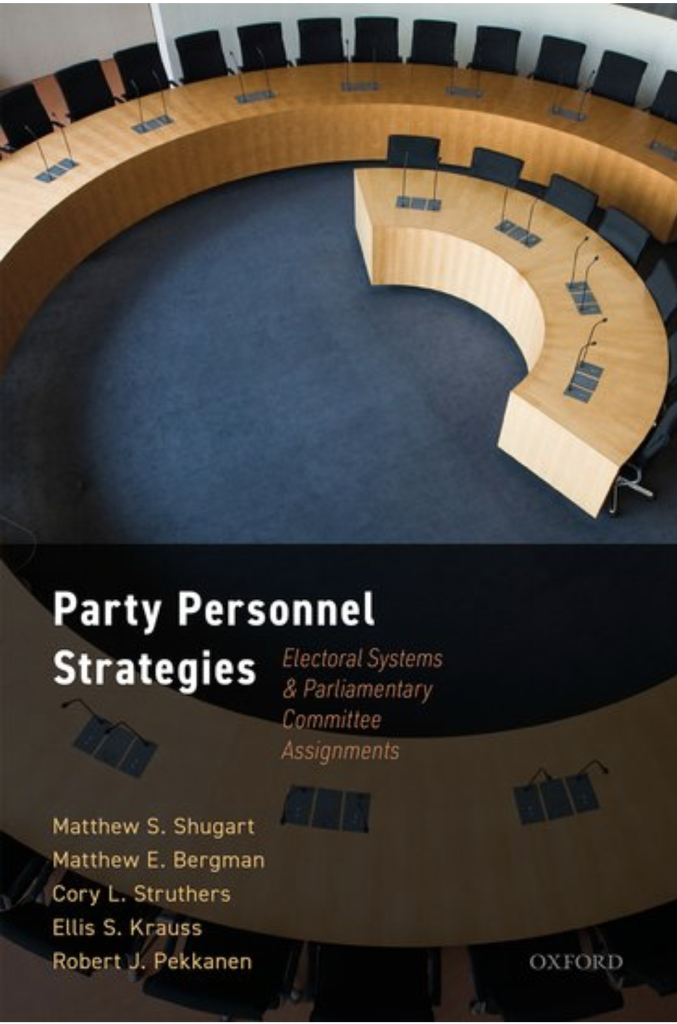
Party Personnel Strategies is published
27 May 2021 Leave a comment
Just received: My copy of Party Personnel Strategies: Electoral Systems and Committee Assignments.
A preview of most of Chapter 1 is available for free at Google Books. More details, including the table of contents, can be viewed at the book’s Oxford University Press page.
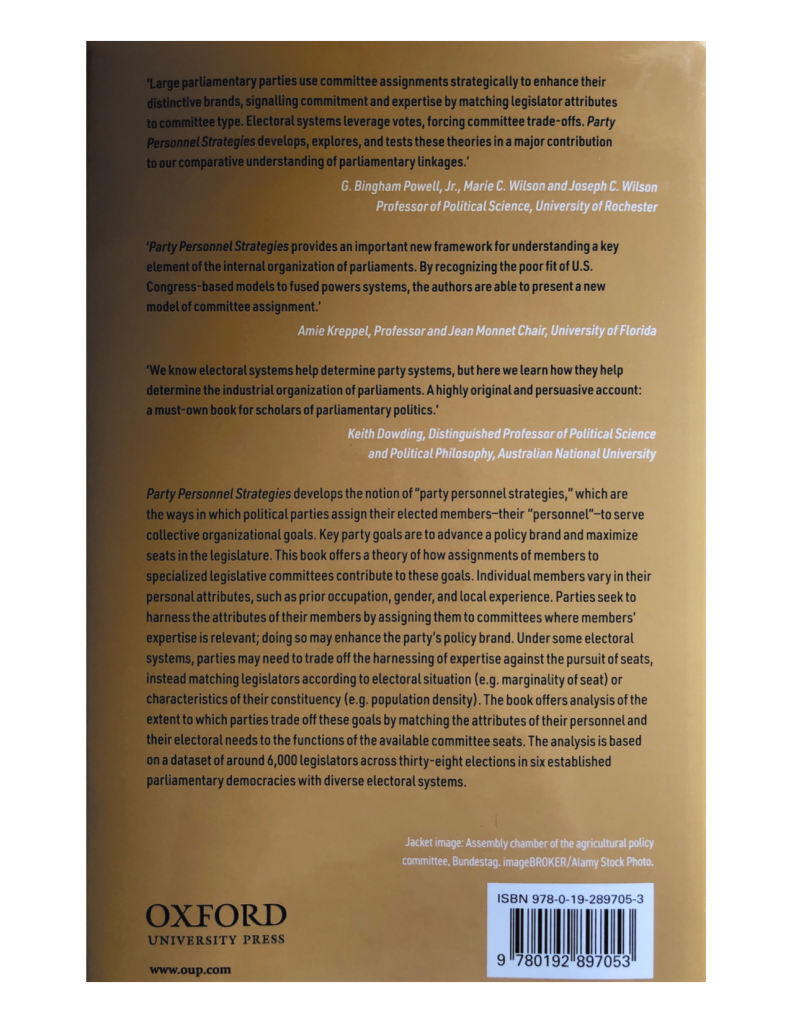
The back cover has the short summary, as well as some very kind words from other scholars:
The country cases covered in the book, each with its own chapter, are Germany, Japan, Israel, Portugal, Britain, and New Zealand. The research design leverages the electoral-system changes in Japan and New Zealand.
The book develops two “models” of party personnel practices, tested on the patterns of assignment of a party’s legislators to committees, broken down into three categories: high policy, public goods, and distributive. Under the expertise model, parties are assumed to want to harness the perceived expertise of their individual members by assigning them…
View original post 437 more words
The North Korea I wasnt meant to see
27 May 2021 Leave a comment
in defence economics, war and peace Tags: North Korea
The Road Owned Simultaneously by Spain and France
27 May 2021 Leave a comment
in International law Tags: economics of borders
Why didn’t Rome Conquer Ireland?
27 May 2021 Leave a comment
in defence economics, economic history Tags: Ireland, Roman empire


Recent Comments