Invading the Soviet Union 1941 – Just Stupid? – Barbarossa without Hindsight
14 Mar 2021 Leave a comment
in defence economics, war and peace Tags: World War II
Lost on the woke
14 Mar 2021 Leave a comment
in discrimination, economics of education, human capital, labour economics

Anti Submarine Warfare and Tactics in World War 1 I THE GREAT WAR Special
14 Mar 2021 Leave a comment
in defence economics, war and peace Tags: World War I
How Psychics Exploit Our Cognitive Biases
14 Mar 2021 Leave a comment
in economics of crime, economics of education, economics of information, economics of media and culture, law and economics
TRENCH WARFARE, 1915–1917
13 Mar 2021 Leave a comment


Aerial view of opposing trench lines between Loos and Hulluch, July 1917. German trenches at the right and bottom, British at the top-left.
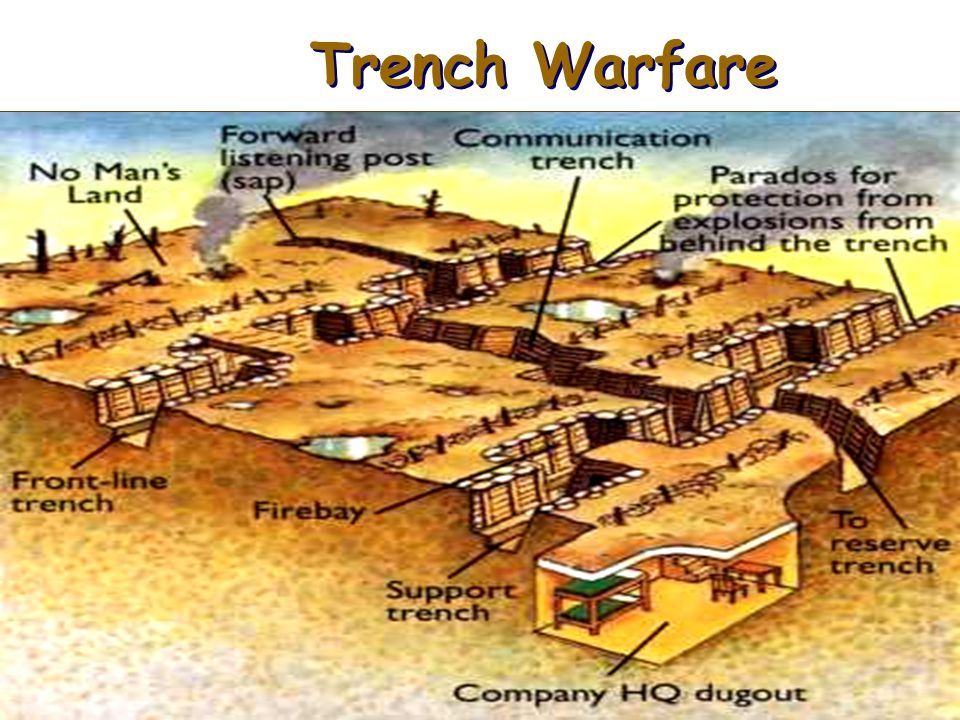
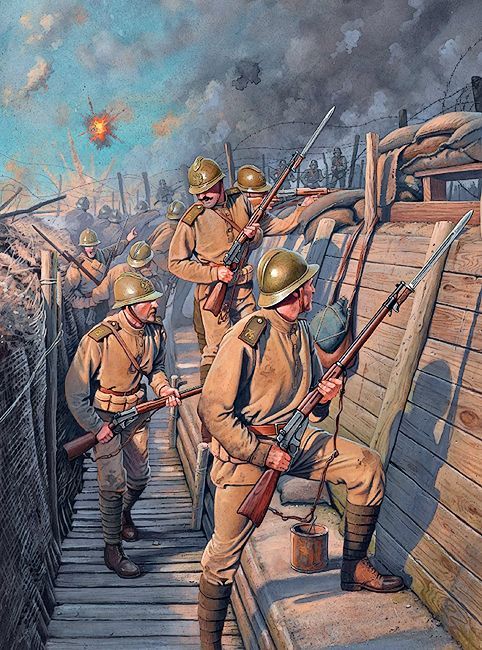

The trench systems of 1915, 1916 and early 1917 became increasingly sophisticated as time, the lack of any significant advances or withdrawals and lengthy periods of inactivity allowed the soldiers abundant opportunities to improve the environment in which they lived and fought. Emplacements were routinely dug to depths of ten or twelve metres and included command and observation posts, bombardment shelters, sniper, machine-gun and sentry positions and suchlike, as well as field kitchens, medical aid posts and all manner of storage facilities (including often large quantities of ammunition and explosives). In early 1915 a typical basic dugout or shelter was constructed up to one metre wide (but no wider, in order to minimize the consequences of a direct hit by a shell), their sides reinforced with planks…
View original post 2,001 more words
Why Does Lithium Help Bipolar Disorder?
13 Mar 2021 Leave a comment
in health economics Tags: economics of mental illness
The Paperback Revolution
13 Mar 2021 Leave a comment
in economic history, economics of education, entrepreneurship, industrial organisation
B-17 Ball Turret Gunner (Dangerous Jobs in History)
13 Mar 2021 Leave a comment
in defence economics, labour economics, occupational choice, war and peace Tags: World War II
The Tudors: Edward VI & Lady Jane Grey (1547-1553)
13 Mar 2021 Leave a comment

Edward, the only son of Henry VIII and Jane Seymour, was crowned king of England in February 1547 at age nine. Thomas Cranmer, the first Protestant Archbishop of Canterbury, presided over the boy’s coronation. Sixteen years earlier Cranmer had helped Henry VIII establish the crown’s supreme authority over the church. Now, Cranmer used Edward’s coronation to showcase his newfound power. He surprised the coronation audience by turning to face them and explain that the king’s imperial authority was not answerable to the people, but only to God. This manner of absolutism that began under Henry VIII was more fully realized in the kingship of young Edward VI.
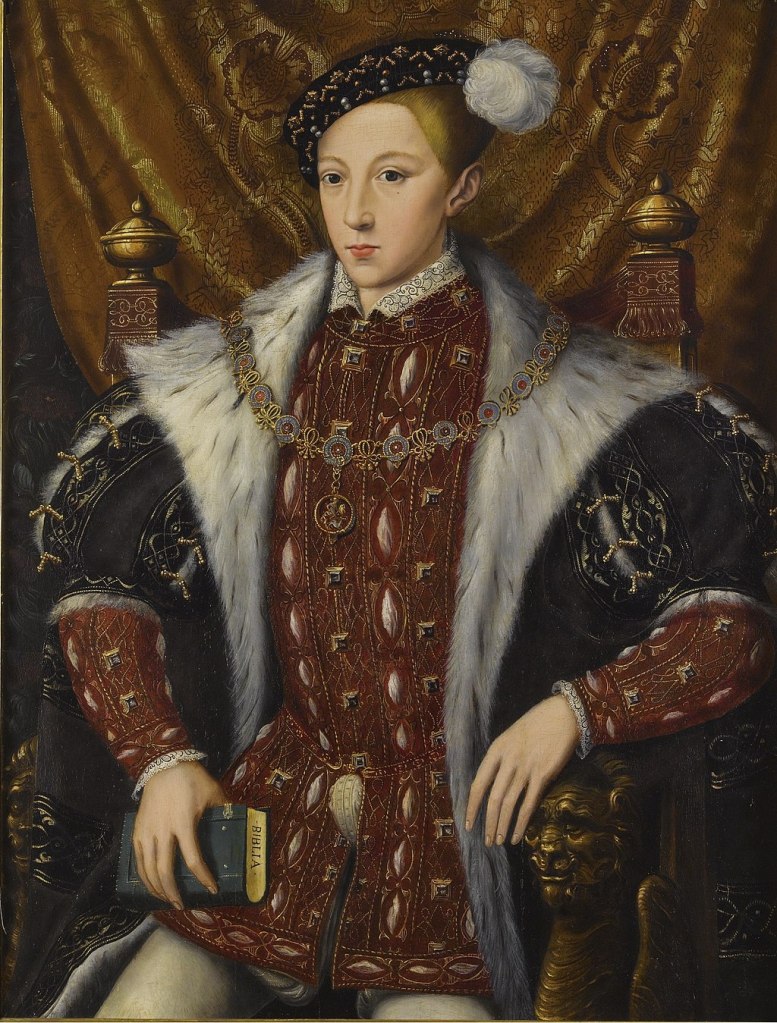
From a very young age, Edward was educated into the new school of Protestant reform. He was a serious and studious young man who was fervent, severe, and self-righteous in his theological inclinations. The…
View original post 794 more words


Recent Comments