Operation Black Buck: The UK’s Mega Bombing Runs in the Falklands War
20 Feb 2021 Leave a comment
in defence economics, war and peace Tags: Falklands war
Walter E Williams – The Effects Of Minimum Wage
20 Feb 2021 Leave a comment
in applied price theory, income redistribution, labour economics, labour supply, minimum wage, Public Choice, unemployment
Best Ever West Indian Test Cricket Eleven
20 Feb 2021 Leave a comment

What talent to choose from and some truely great players have missed out. The West Indians have a role in New Zealand’s cricket history through being the opposition in New Zealand’s first test win at Eden Park in 1956 but, it was on their Australian Tour in 1961 that they first really came to my attention – remember the first ever tied test in Brisbane. Then of course in the late 70’s and early 1980’s they dominated world cricket under the captaincy of Clive Lloyd, with a strong batting line up and a battery of fast bowlers.
Have a look at my best ever team:
- Gordon Greenidge
- Conrad Hunte
- George Headley
- Everton Weekes
- Viv Richards
- Garfield Sobers
- Jeffrey Dujon
- Joel Garner
- Michael Holding
- Wesley Hall
- Lance Gibbs
George Headley, known in his day as `the black Bradman’ would be Captain with Roger Harper 12th Man.
It says much for the…
View original post 126 more words
The Erie Canal: Traversing the American Midwest Before Railroads
20 Feb 2021 Leave a comment
in economic history, entrepreneurship, transport economics
The Insane Engineering of the Perseverance lander
20 Feb 2021 Leave a comment
in transport economics Tags: Mars
THE ROMAN ARMY – LIVING OFF THE LAND II
19 Feb 2021 Leave a comment

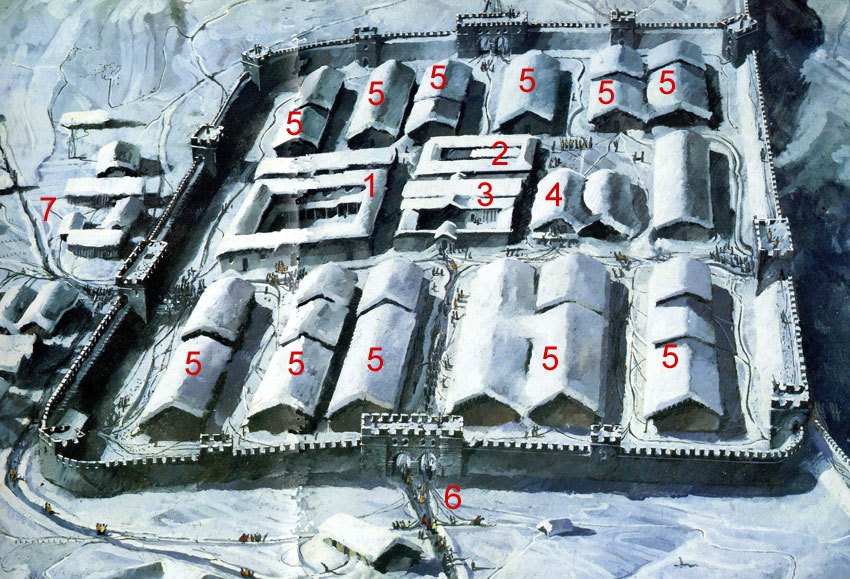
The fort at Housesteads on Hadrian’s Wall, during winter. The wall is on the right side.
1 = the commandant’s house
2 = the hospital
3 = the headquarters building
4 = the granaries (where grain was stored to make bread)
5 = the barracks (where the soldiers slept)
6 = one of the gateways into the camp
7 = the small town outside the camp
Foraging in enemy territory was essential but always dangerous, especially if the men were separated and laden down with what they had collected; it was essential to send a foraging party out with other troops whose sole job was to guard them and maintain vigilance. Pompey had been dispatched with an army to defeat Sertorius, the rebel governor of Spain. But when the legion concerned was out foraging, Sertorius saw his chance to strike. The whole legion was ‘cut to pieces’, along with all…
View original post 2,238 more words
Snorkel?! Part I
19 Feb 2021 Leave a comment
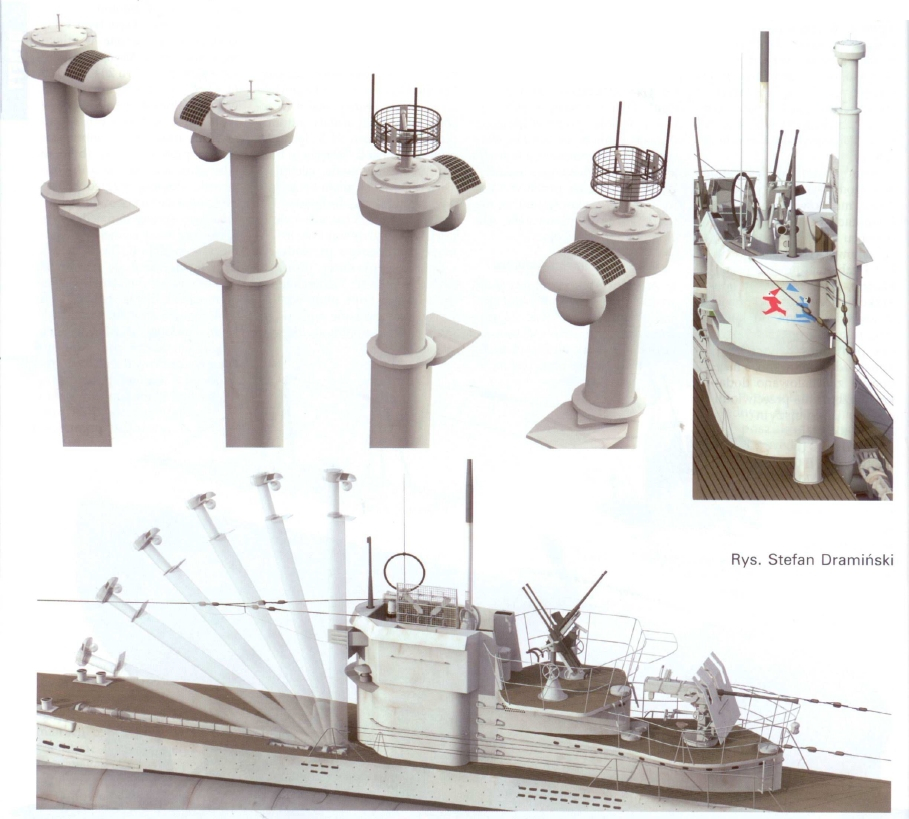
Histories of the Battle of the Atlantic universally fail to appreciate the impact that the introduction of the snorkel had on the evolutionary shift in U-boat operations at the end of the war.
German U-boat histories of the Second World War are dominated by the period 1940–43 and written by, or about, veterans that never saw a single operational patrol in a snorkel-equipped U-boat. Out of the top twenty-five U-boat aces of the war, only one – Heinrich Lehmann-Willenbrock – commanded an operational snorkel-equipped U-boat. However, he did not take part in the inshore campaign during this cruise. Well-known U-boat commanders including Kretschmer, Lüth, Topp, Merten, Prien, Schepke, Witt and Lemp never experienced a patrol on a snorkel-equipped U-boat nor had any understanding of its potential.
Lothar-Günther Buchheim, author of the popular anti-war book Das Boot, never sailed on a snorkel-equipped U-boat. Yet he disparaged the device in his follow-on…
View original post 2,447 more words
THE ROMAN ARMY – LIVING OFF THE LAND I
19 Feb 2021 Leave a comment
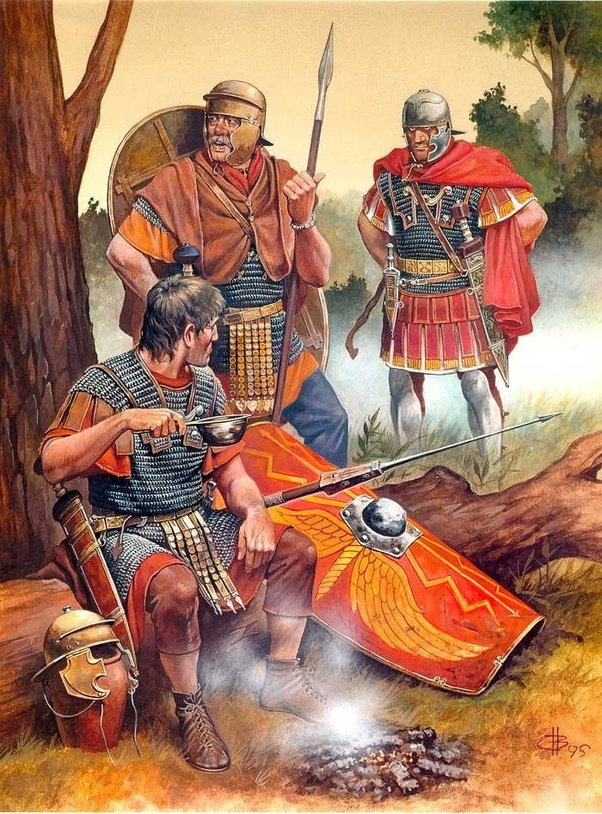
This war will support itself
Cato the Elder instructs his men to take what they need
The impact of the Roman army on the environment was gigantic, at least by the standards of the ancient world. The construction of forts and fortifications was only the start. Peacetime activities also included participation in significant mining and engineering projects, often involving soldiers in supervision and management.
The arrival of the Roman army in a frontier zone, especially a temperate area where trees were widely available, automatically resulted in colossal quantities being felled and prepared. Clearance must have been undertaken on a grand scale. Each turf and timber fort required vast amounts of wood for building and maintenance; felling and transporting it was a task so arduous that it helped provoke a mutiny in AD 14 amongst the forces in Germany. The army also required wood for day-to-day heating, cooking and metalworking. The…
View original post 3,153 more words


Recent Comments